

A switchgear quotation can look almost identical from three different suppliers, yet the panels behind those prices can differ in ways that only surface years later. So how to evaluate switchgear manufacturers before you commit is really a question about evidence: what the factory can prove, not what the brochure claims. Overall, this guide gives you six areas to check, the questions to ask in each, and the documents that separate a real manufacturer from a trading company with a polished catalogue.
Why Supplier Evaluation Matters More Than the Quotation
Price tells you what a supplier wants to charge, but it does not tell you whether the busbar carries the fault current you specified. Also, it leaves open whether the routine test happened on your panel, or whether the spare parts will still match in five years. In fact, most problems that appear after commissioning trace back to a gap at the evaluation stage, not to a defect on the day of delivery.
For example, a quotation may list “IEC 62271-200” without naming the edition, the internal arc class, or the short-circuit duration. Two suppliers can both write that line, yet one may be selling a design tested to an older edition at a lower rating. Metal-enclosed gear is also one branch of the broader switchgear family, so the terms around it matter. In short, how to evaluate switchgear manufacturers comes down to three questions: can the factory build it, can it test it, and can it prove it?
If you are still shaping the specification itself, our guide on how to choose the right MV switchgear covers that earlier step, because the specification drives every later decision.
How to Evaluate Switchgear Manufacturers: The Six-Pillar Framework
A useful supplier review looks at six areas, because each one produces evidence you can file. So the sections below show how to evaluate switchgear manufacturers against that evidence, pillar by pillar. The table is the map, while the detail follows.
| Pillar | What you check | Evidence to ask for |
|---|---|---|
| Factory capability | Real production space, in-house metalwork, assembly lines | Facility photos or a video walkthrough, plant layout |
| Quality management | Process control, incoming inspection, traceability | QMS certificate, inspection records, component lists |
| Engineering support | Drawing review, customization, standards knowledge | Marked-up drawings, single-line diagram response |
| Testing capability | In-house routine tests, access to type tests | Test bay photos, routine test report template |
| Delivery record | On-time performance, packaging, export experience | Reference list, shipping records, packing standard |
| Documentation | Traceable reports, certificates, manuals | Type-test report, per-unit routine report, O&M manual |
1. Factory Capability and Production Capacity
What a factory tour should show you
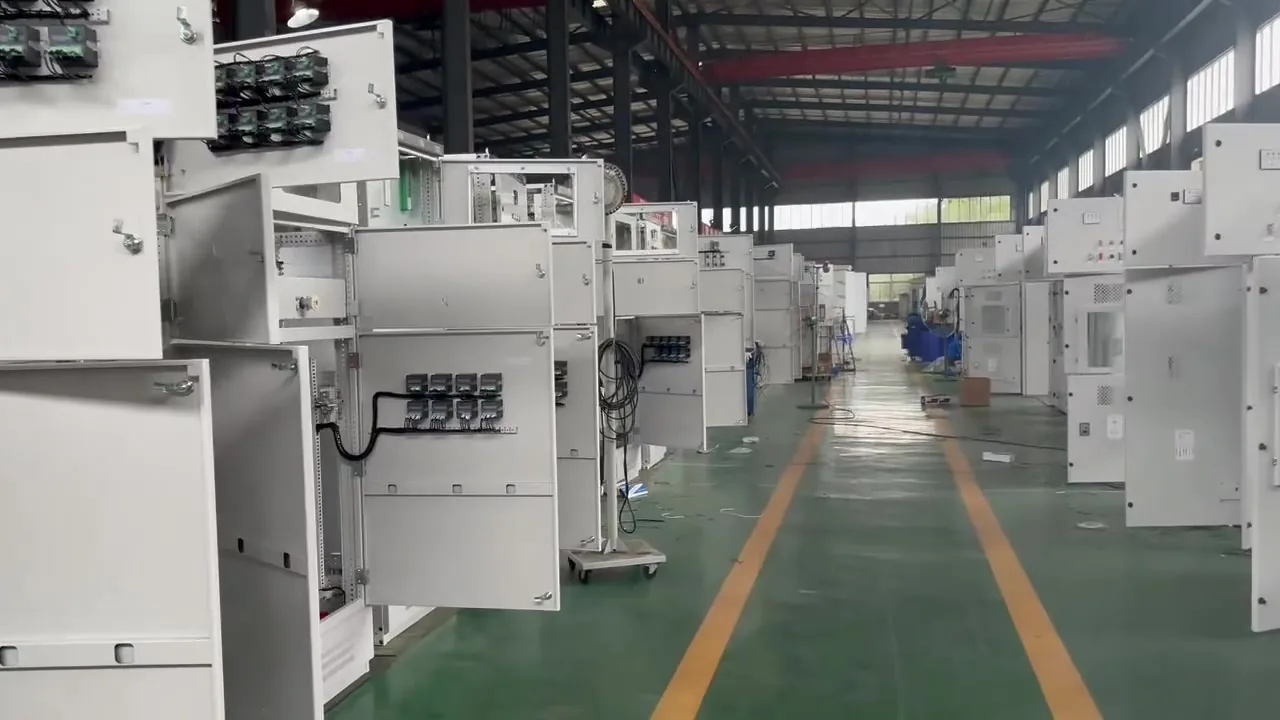
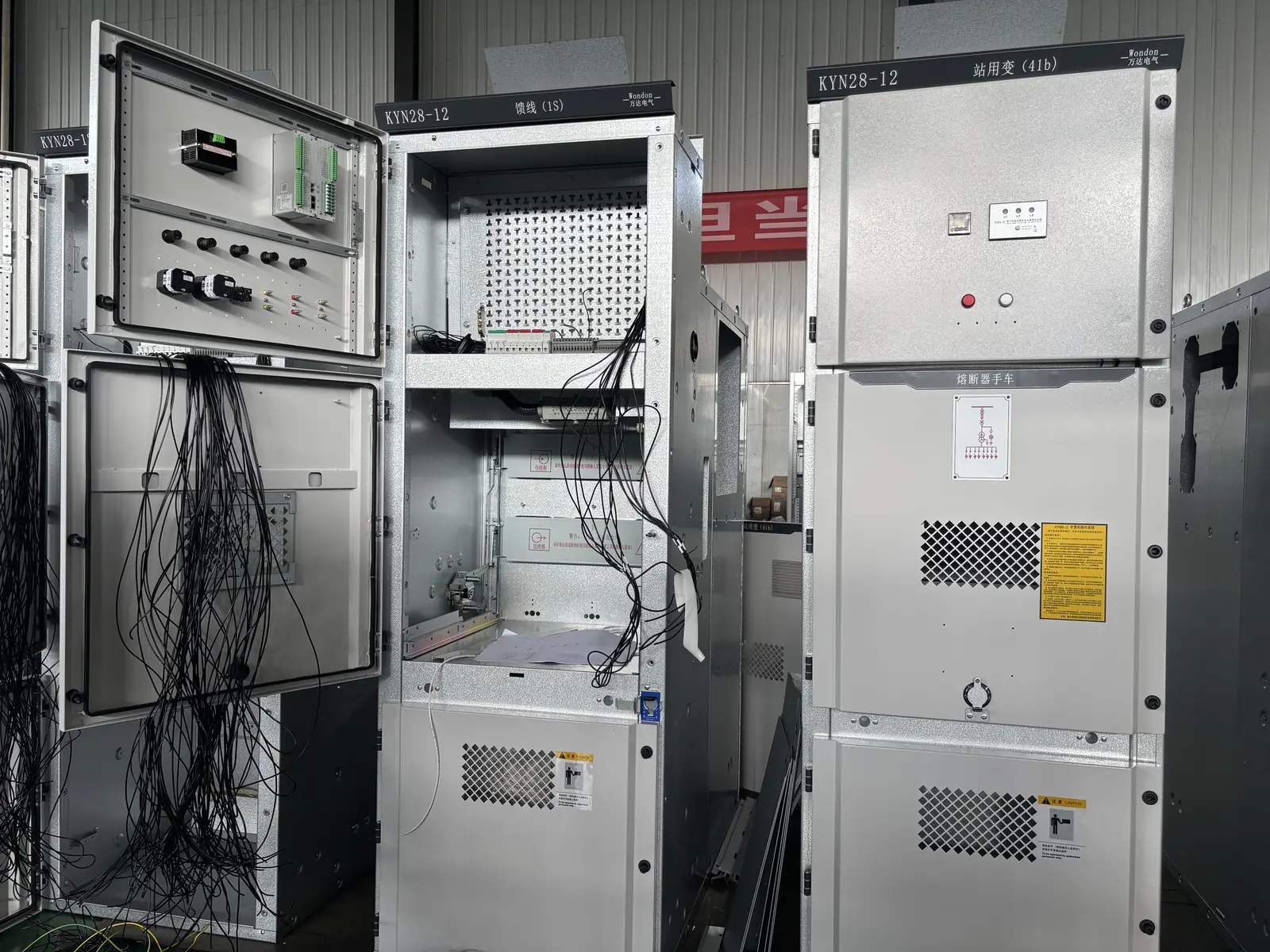
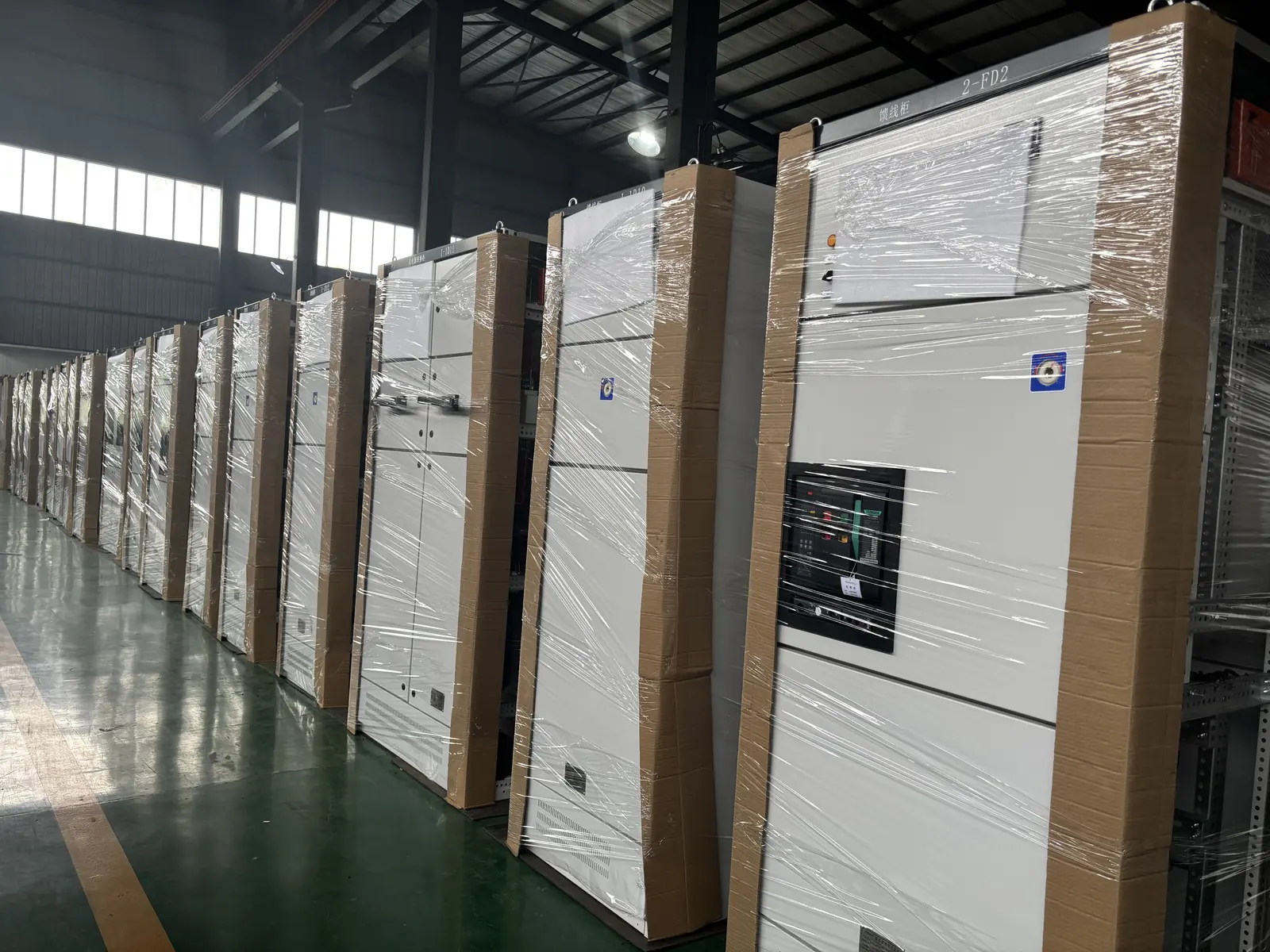
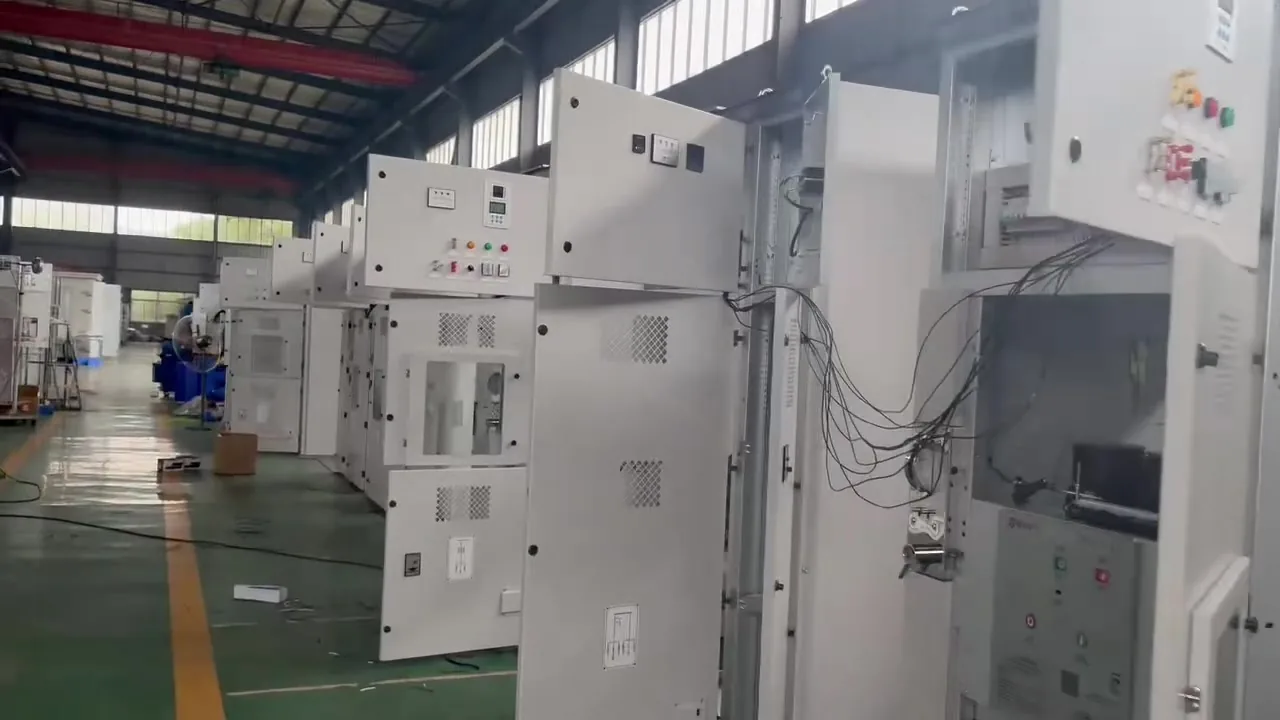
First, a genuine switchgear plant has a sheet-metal line, a busbar processing area, an assembly bay, and a test bay under one roof. Then, on a tour, watch how the work flows between them. If the enclosure arrives painted and drilled from an outside supplier, that is normal for many builders. However, if the supplier cannot explain which steps they control in-house, treat the “manufacturer” label with care.
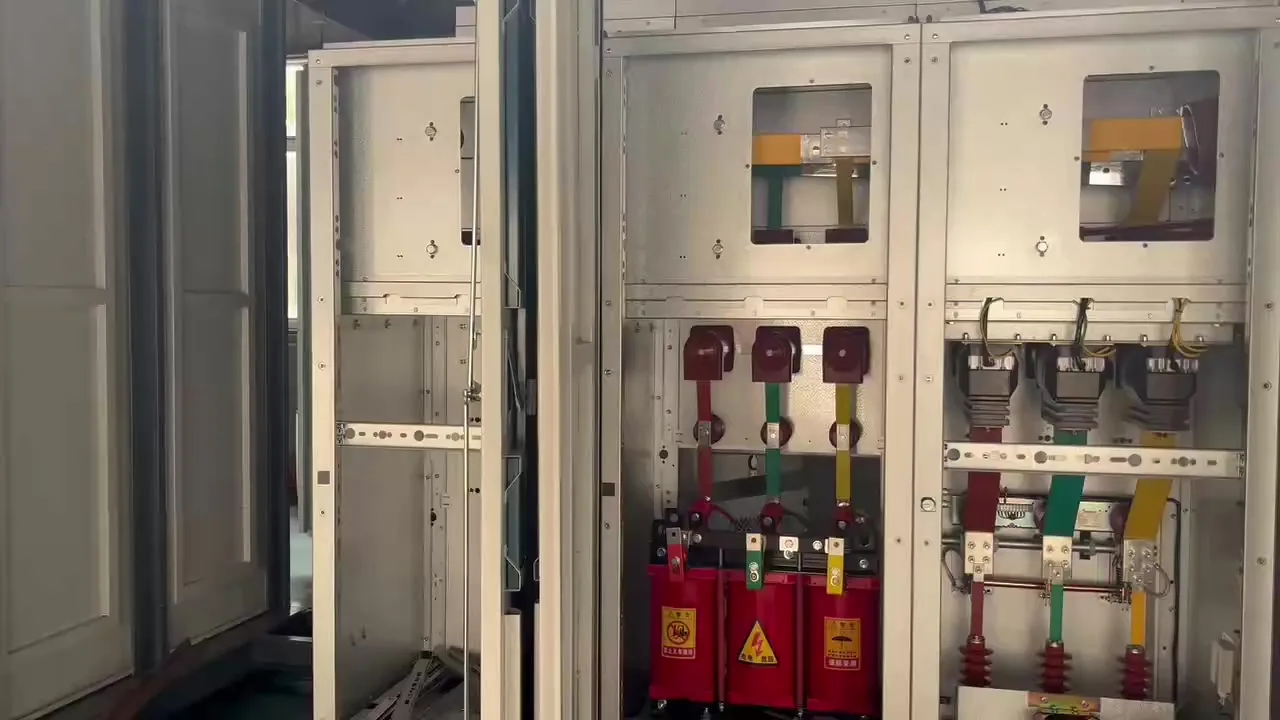
On the factory floor, how to evaluate switchgear manufacturers comes down to one habit: watch the material flow. Ask how they form and bend busbars, whether they silver-plate contacts in-house, and how they control torque on main connections. Then ask to see a panel in mid-assembly, not only a finished lineup, because a finished row looks the same from every supplier; the open cubicle shows the workmanship.
Capacity, lead time, and outsourcing
Capacity claims are easy to make, so tie them to a number you can check. Ask for the monthly output in panels, the current order backlog, and the standard lead time for your configuration. If the quoted delivery is shorter than the backlog suggests, find out which line will build your order.
Wondon, for instance, runs a 12,000 m² manufacturing facility in Zigong and builds the KYN28-12, KYN61-40.5, XGN2-12, and WDSRM6-12 families on site. Our MV switchgear complete guide sets out how those families differ, which helps you match the plant tour to the product you need.
2. Quality Management System
Certificates versus actual process control
An ISO 9001 certificate proves that a system exists, but it does not prove that the system works on your order. So read the certificate scope, then ask for the records behind it. Which incoming components does the factory inspect, and against what criteria? How does it handle a non-conforming busbar? Who signs off before a panel moves to the test bay?
In fact, the strongest signal is a simple one: can the quality manager show you a recent inspection record without leaving the room? A factory that runs the system daily keeps those records close, while a factory that bought the certificate keeps them in a folder for audits only.
Traceability of components
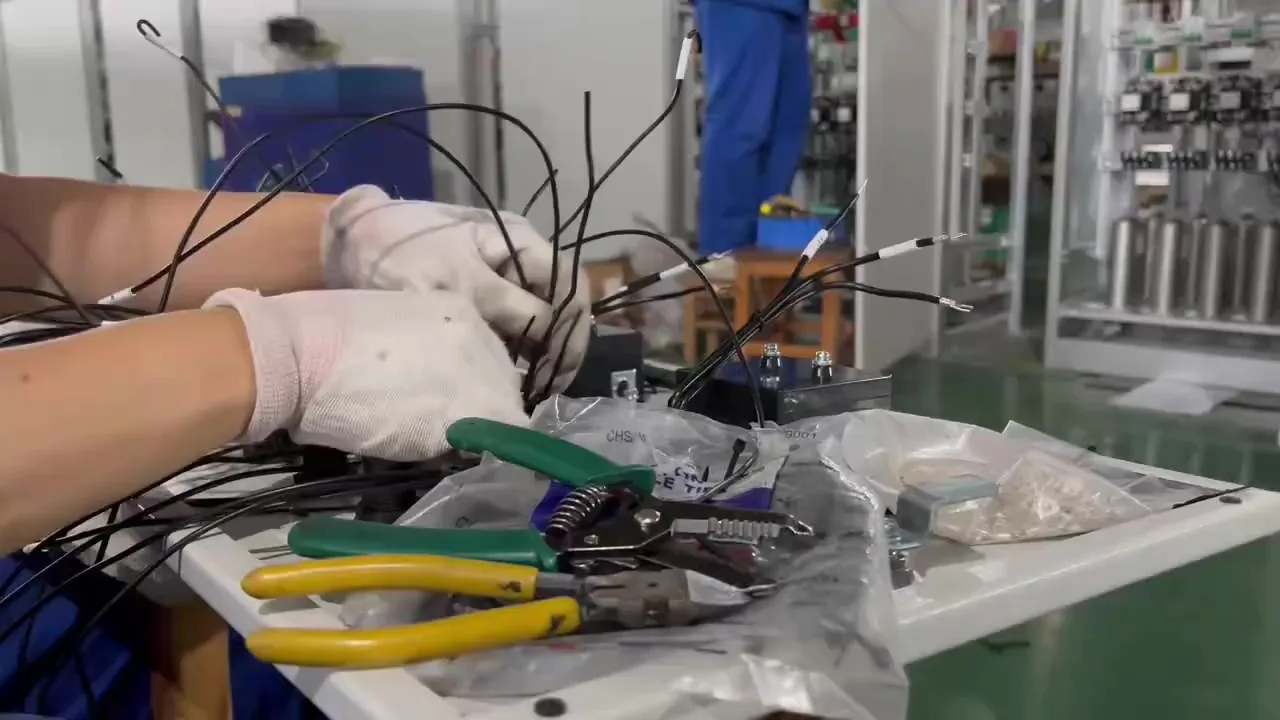
Component traceability connects the panel to its parts. Ask whether the factory records the breaker serial number, the relay model, and the busbar heat number against your order. Then check whether those records appear in the documents shipped with the panel. If the answer is vague, the supplier may be assembling from whatever stock sits on the shelf.
3. Engineering and Technical Support
Drawing review and response quality
On the engineering side, how to evaluate switchgear manufacturers is simpler than it sounds: send the same single-line diagram to three suppliers and compare the replies. A strong engineering team returns marked-up drawings with questions about fault level, cable entry, and protection settings, but a weak one returns a price and a standard datasheet. The quality of that first response predicts the quality of the change orders later.
Customization and standards knowledge
Customization is where engineering depth shows. Ask for a non-standard dimension, an unusual cable entry, or a mixed feeder board, then watch how the team responds. Do they explain the trade-offs, or do they agree to everything? Instead, a team that pushes back with a reason is safer than one that says yes to every request.
Knowledge of standards matters too. A good supplier can explain which IEC or GB clause drives a design choice, and can point to the metal-enclosed switchgear types and applications that fit your site. That kind of answer tells you the team has built the product, not just sold it.
4. Testing and Verification Capability
In-house routine tests versus third-party type tests
Two kinds of testing matter, and they prove different things. A type test proves the design once, at an accredited laboratory. A routine test proves each panel before shipment, usually in the factory’s own test bay. So ask for both, and check that the factory actually runs the routine tests rather than outsourcing them.
Routine test discipline per serial number
The routine test report is the bridge between the paper and the panel in front of you. It should carry the serial number that also appears on the nameplate. Then it should show the power-frequency withstand test, the main-circuit resistance measurement, and the mechanical operation checks. If a supplier sends a routine report with no serial number, you are looking at a template.
Testing capability also shapes delivery risk. A factory with a working test bay catches problems before packing, while a factory that tests on site catches them after the truck leaves. Our medium voltage switchgear design guide explains how test requirements feed into the design.
5. Delivery Record and Reference Projects
Delivery is the pillar that buyers often skip, yet it is part of how to evaluate switchgear manufacturers.
On-time delivery and packaging
Ask for the on-time delivery rate over the last year, and ask how the factory measures it. Then look at packaging. Export panels travel by sea and rail, so the packing standard should include moisture protection, shock indicators, and a clear lifting plan. A supplier who cannot describe the packing method has probably not shipped far.
References you can verify
However, a reference list is useful only if you can contact the projects. Ask for two or three customers in your region or your application, with a contact who will take a call. If every reference is confidential, that is an answer in itself. Meanwhile, a supplier with export experience will usually have photos, shipping documents, and site reports it can share.
6. Documentation and Traceability
The document set that proves the claim
With documents, how to evaluate switchgear manufacturers means asking for one folder and reading it line by line. Put simply, the list below is the minimum.
- Type-test reports with the laboratory name, report number, test object, standard edition, and rated values
- Routine test records per serial number for the panels actually shipped
- Certificates (UL, CE, IEC, CQC) matched to the exact model and report
- Nameplate drawing and a single-line diagram that match the order
- Operation and maintenance manual in the language your team uses
- Packing list and a declaration of conformity
How to spot a template versus real evidence
Real evidence is specific, because it names your model, your ratings, and your serial number. A template is generic: the same report for every customer, with blank fields where the values should be. So compare the report values against your specification, and check the dates. A type-test report older than the current standard edition may still be valid, but the supplier should explain which clauses it covers.
Wondon matches each certificate to a specific model and test report on request, and we send the routine records with the panels. That matching step is where most document problems surface, so we treat it as part of the order, not an afterthought.
Common Red Flags When Evaluating Switchgear Manufacturers
These patterns show up again and again when buyers learn how to evaluate switchgear manufacturers. So spot them early, and you save the cost of a rework later.
“We can do anything.” A supplier who agrees to every request without asking about fault level or cable entry is not listening. Custom work needs engineering questions, so a confident team will push back.
No factory visit, no video. A trading company can quote a switchgear price, but it cannot show you a busbar line. If the supplier avoids a walkthrough, ask why.
Reports with no serial numbers. A routine report without a serial number proves nothing about your panel. So ask for the per-unit record, not the template.
Certificates with no scope. A certificate that does not name the model or the standard does not cover your order. Match the scope to the product.
A price far below the others. A gap that large usually means a thinner busbar, a smaller breaker, or a skipped test. Ask what changed, and get the answer in writing.
FAQ
Evaluation Basics
1. How do I evaluate switchgear manufacturers with no factory visit?
Ask for a live video walkthrough of the assembly and test bays, plus a recent routine test report with a serial number. Then request two customer references you can call. A supplier who cannot provide all three is a risk, even at a good price.
2. How long does a supplier evaluation take?
A desk review of documents and references takes a few days. A factory visit adds one or two days. For a large order, budget a week so you can compare two or three suppliers on the same criteria.
3. Should I evaluate the manufacturer or the trading company?
Evaluate the entity that builds and tests the panel, because the name on the quotation should match the name on the routine report. If a trading company sources from a factory, ask to visit that factory and to see its test reports.
Evidence and Documents
1. What documents should a switchgear manufacturer provide?
At minimum, a type-test report, a per-unit routine test report, certificates matched to the model, a nameplate drawing, and an O&M manual. Also, for export orders, add the packing list and a declaration of conformity.
2. Is a type-test report enough?
No. A type test proves the design, while a routine test proves the unit. You need both, and the values in each must match your specification.
3. How do I check if a certificate is real?
Ask for the certificate number and the issuing body, then verify the scope against the model you are buying. A certificate that names a different model or standard does not cover your order.
Factory and Capacity
1. How can I tell if a factory is real?
Watch the material flow: sheet metal, busbar, assembly, and test should connect under one roof. Then ask to see a panel in mid-assembly and a recent inspection record. Real factories answer both without delay.
2. Does factory size matter?
Size supports capacity, but process control matters more. A mid-size plant with a working test bay and clear records often proves safer than a large plant that outsources the critical steps.
Need a Second Opinion on a Supplier?
In short, the steps above show how to evaluate switchgear manufacturers without trusting a brochure. If you want a second pair of eyes, send us the quotation, the single-line diagram, and any test reports you have received. Our engineering team will review the ratings, the document set, and the test evidence against your specification, and tell you what is missing before you place the order. You do not need a complete package to start, and the review costs you nothing.
Contact our engineering team and put the evaluation on a firm footing.