

If you are about to buy medium-voltage switchgear or a low-voltage assembly, the factory acceptance test (FAT) is the one checkpoint you should never skip. A switchgear factory acceptance test is the series of inspections and routine tests your supplier runs on the actual equipment before it leaves the plant. Get it right and you catch faults on the supplier’s floor, not on your site three months later. This guide walks you through what a FAT covers, the tests you can expect, how to prepare for a witnessed FAT, and the documents you should walk away with.
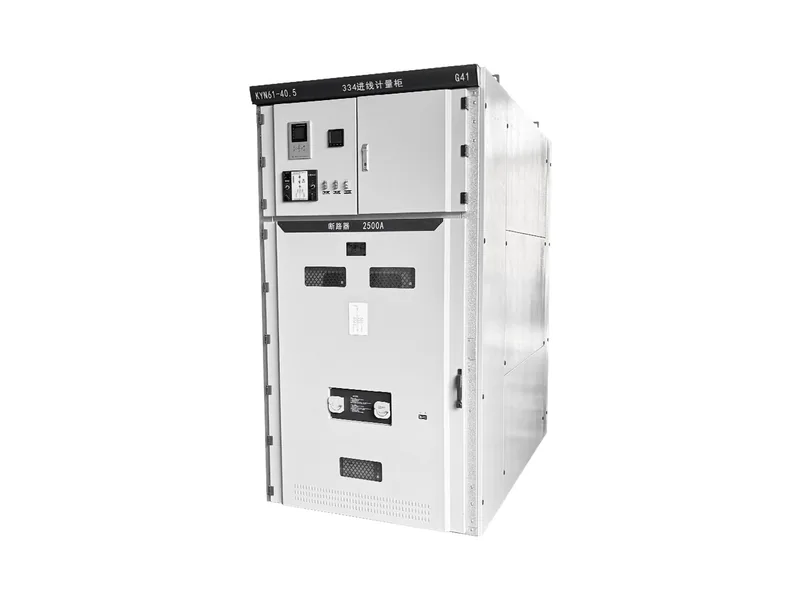
What a Switchgear FAT Actually Is (and What It Isn’t)
A factory acceptance test is the set of checks a manufacturer performs on completed switchgear inside its own workshop. The goal is simple: prove the panel meets the order specification before it is crated and shipped.
FAT is not a type test. A type test qualifies the *design* — one representative unit pushed to its limits to earn a certificate. A FAT qualifies *your* unit, the one you paid for, against the routine tests listed in the standard and your contract.
FAT is also different from SAT, the site acceptance test. SAT happens after installation at your location and checks transport damage, civil works, and cabling. The FAT happens first, at the factory, while the supplier still owns the risk. In plain terms, a switchgear factory acceptance test proves your specific panels meet the spec, not just the design on paper. If you want the full background on the equipment itself, our complete guide to MV switchgear covers the product types in detail.
Why FAT Matters for Buyers
Most buyers treat FAT as a formality. In our experience, that is a mistake. A proper switchgear factory acceptance test gives you four things:
- Early defect capture.A loose torque, a wrong CT ratio, or a faulty relay is cheap to fix in the workshop and painful to fix on site.
- A stronger negotiating position.When test scope is written into the contract, the supplier cannot quietly drop items to save time.
- Documented evidence.The FAT report is your baseline. If a panel fails two years later, you can show what was verified at the factory.
- Warranty protection.A signed FAT closes the loop between the specification and the delivered goods.
The Standards Behind Switchgear FAT
The routine tests you witness are tied to recognized standards. For metal-enclosed switchgear and controlgear, the reference is IEC 62271-200 for the medium-voltage class and IEC 61439 for low-voltage assemblies. The high-voltage test methods themselves come from IEC 60060-1 and IEC 61180, while partial discharge is measured under IEC 60270.
Type tests and routine tests are not the same list. Type tests are heavier and done once per design. Routine tests are the lighter, per-unit checks that belong in a FAT. Knowing the difference stops you from demanding a full type test on every panel — and stops a supplier from skipping the routine tests that actually matter to you.
Common FAT Check Items
This is the heart of the guide. The items below appear in almost every switchgear factory acceptance test, whether the unit is a 12 kV metal-clad cubicle or a low-voltage switchboard.
Visual and Dimensional Inspection
The inspector checks the enclosure for damage, correct ratings on nameplates, proper labeling, and that the dimensions match the drawings. They confirm the busbar arrangement, the number of withdrawable compartments, and the ancillary devices you specified.
Continuity and Earthing Checks
Main and auxiliary circuit continuity is verified, and the protective earthing circuit is tested for low resistance. This is where a missing earth bond or a disconnected control wire gets caught.
Insulation Resistance Measurement
A megger (insulation resistance tester) is applied between the main circuits and earth, and between separate circuits. Values are recorded against the rated voltage class. Low readings point to moisture, contamination, or a wiring fault.
Power-Frequency Withstand Voltage (AC Hipot)
The panel is subjected to the power-frequency withstand voltage defined in IEC 62271-200 for its rated insulation level. For a 12 kV class unit this is typically 42 kV for one minute, with a 75 kV lightning-impulse level as the corresponding impulse value. This test proves the insulation will survive switching surges and overvoltages in service.
Partial Discharge Measurement
For metal-clad and gas-insulated switchgear, partial discharge is measured under IEC 60270. Sustained PD above the accepted limit signals internal defects that will shorten the equipment life. We treat a clean PD reading as non-negotiable on enclosed MV gear.
Main-Circuit Resistance
The resistance of the main current path is measured and compared with the type-test reference. A high reading means a poor joint or an undersized connection that will overheat under load.
Mechanical Operation and Interlocks
Every withdrawable truck is racked in and out, every breaker is opened and closed, and the “five prevention” interlocks are exercised. The interlocks must stop you from opening a live compartment or closing onto an earthed circuit. Miss this and you have a safety gap, not a safety feature.
Secondary and Protection Relay Functional Tests
Trip and close circuits, protection relays, metering, and SCADA signals are simulated and verified. A relay that never picks up in the workshop is a relay that never trips in a fault — exactly when you need it.
CT and VT Ratio and Accuracy
Current and voltage transformers are checked for ratio, polarity, and accuracy class. A wrong CT ratio silently corrupts every protection setting downstream.
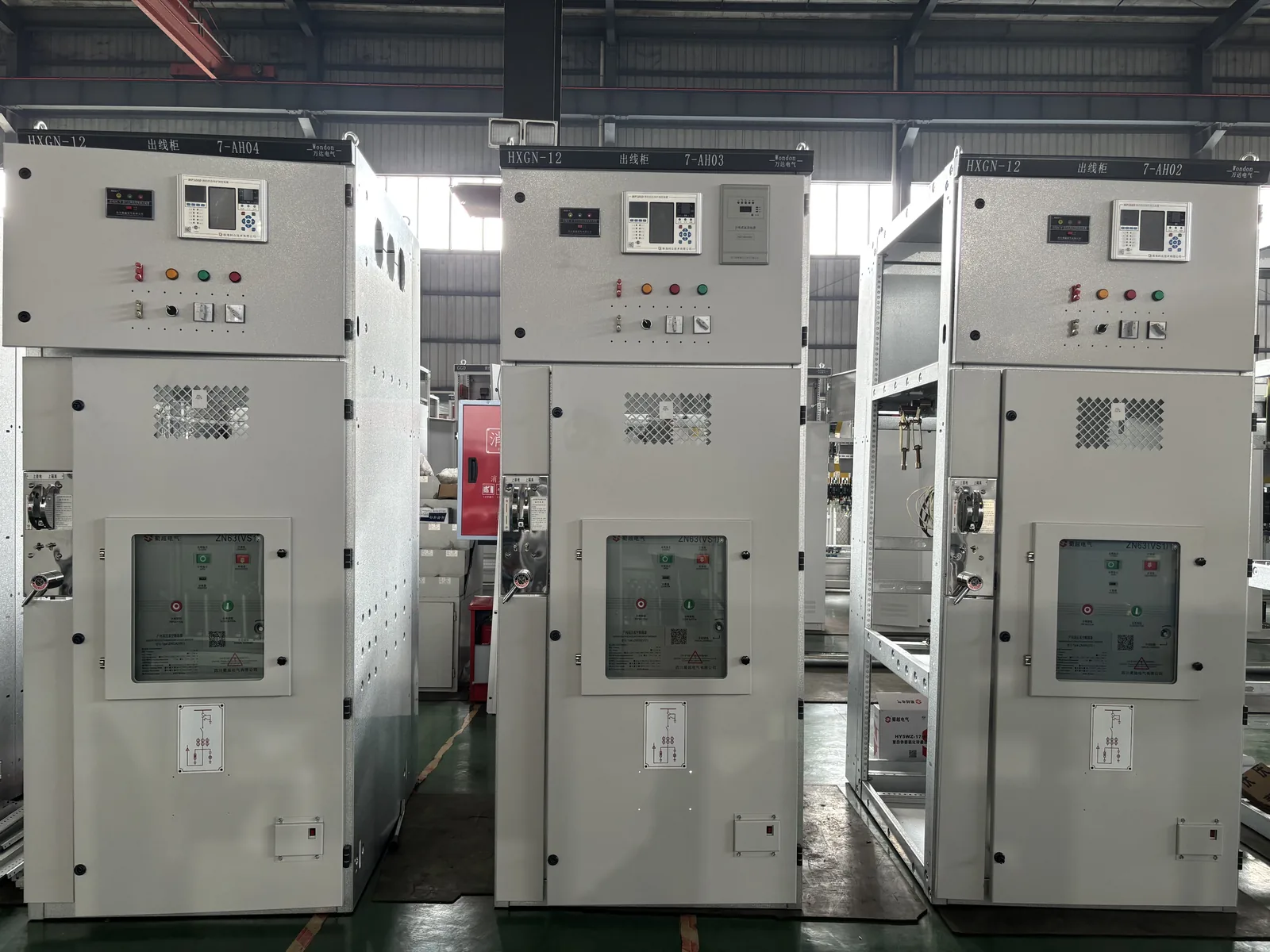
A Practical FAT Routine-Test Table
The table below maps the common routine tests of a switchgear factory acceptance test to what gets verified and the typical acceptance basis for a 12 kV class unit. Always confirm the exact values against your order specification and the rated insulation level called up in IEC 62271-200.
| Routine test | What is verified | Typical acceptance basis (12 kV class) |
|---|---|---|
| Visual & dimensional | Nameplate, labeling, dimensions, arrangement | Matches drawings and order spec |
| Continuity & earthing | Main/aux circuits, PE circuit resistance | Low resistances, no open circuits |
| Insulation resistance | Main-to-earth, circuit-to-circuit | Per rated voltage class, dry conditions |
| Power-frequency withstand | Dielectric strength of insulation | 42 kV, 1 min (per IEC 62271-200 level) |
| Lightning impulse | Impulse withstand | 75 kV (per IEC 62271-200 level) |
| Partial discharge | Internal defects in enclosed gear | Below accepted PD limit (IEC 60270) |
| Main-circuit resistance | Joint and connection quality | Within type-test reference |
| Mechanical operation | Truck, breaker, interlocks | Correct operation, five-prevention holds |
| Protection & secondary | Relays, metering, signals | Functions as designed |
| CT / VT ratio | Ratio, polarity, accuracy | Within declared accuracy class |
How to Prepare for a Witnessed FAT
You do not have to trust the report from afar. Buyers can — and often should — witness the switchgear factory acceptance test in person or by video. Preparation makes the day productive.
Start with the ITP, the inspection and test plan. This document lists every test, the method, the acceptance criterion, and who witnesses it. Review it *before* the FAT date, not on the day. Bring the signed order specification, the single-line diagram, and the equipment data sheets. Those three documents are what every measurement gets judged against.
Agree on the schedule and the attendance. Decide which tests you will witness live (withstand voltage and protection functional tests are the usual picks) and which you will accept by record. If you cannot travel, ask for a streamed session and signed test sheets afterward.
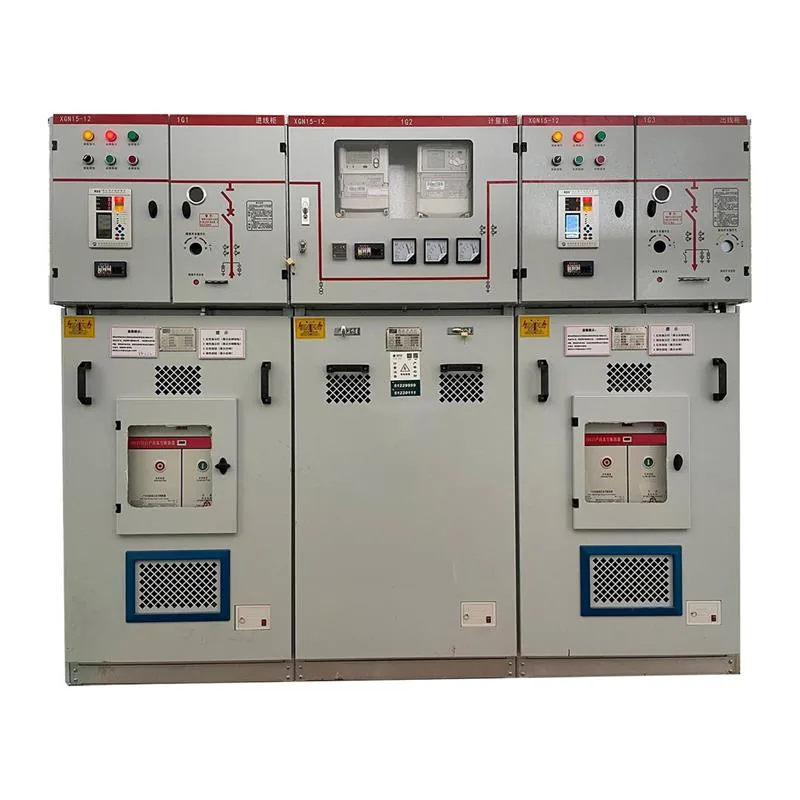
The FAT Deliverables You Should Receive
A FAT is only as good as the paper that follows it. Before you release the balance payment, make sure the supplier hands over:
- The signed FAT report with measured values, not just a pass stamp
- Type test certificates relevant to the design
- Routine test records for your specific serial numbers
- Calibration certificates for the test instruments used
- Operation and maintenance manual
- Wiring diagrams, schematic diagrams, and the bill of materials
- Certificate of conformity and the CE or UL declaration where applicable
- Packing list and shipping documents
Keep these with the project file. They are the evidence chain from specification to delivered goods.
Build Your Switchgear FAT Checklist
Here is a practical switchgear factory acceptance test checklist you can copy into your purchase order. Group it the way the ITP groups the tests.
Before the FAT
– ITP received and reviewed
– Order spec, single-line diagram, and data sheets on hand
– Witness dates and attendance agreed
– Test instruments confirmed calibrated
During the FAT
– Visual and dimensional inspection passed
– Continuity and earthing verified
– Insulation resistance recorded
– Withstand voltage test witnessed
– Partial discharge within limit
– Main-circuit resistance within reference
– Mechanical operation and interlocks exercised
– Protection and secondary functions tested
– CT / VT ratio and polarity confirmed
After the FAT
– Signed report with values, not just “pass”
– Punch list agreed for any open items
– Deliverables package received
– Balance payment released only on closeout
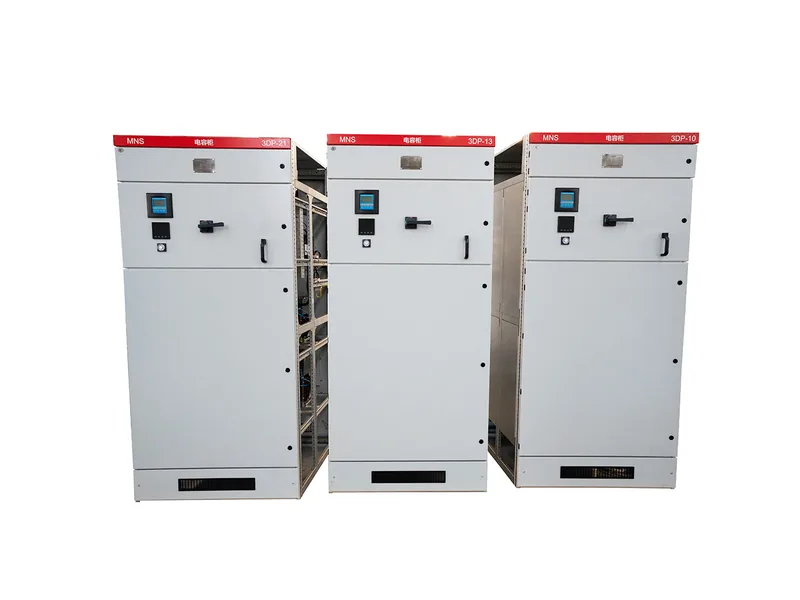
Common Mistakes Buyers Make at FAT
The first mistake is never reviewing the ITP. If you do not know what was planned, you cannot tell what was dropped. The second is leaving test scope vague in the contract — “standard routine tests” sounds fine until the supplier defines “standard” narrowly.
The third mistake is accepting a verbal or stamped pass with no measured values. A report that says “OK” without numbers is not evidence. The fourth is skipping the punch list: every open item should have an owner and a date, or it disappears.
When FAT Fails
When a switchgear factory acceptance test fails, that is the system working, not a disaster. When a test fails, the supplier investigates, corrects the root cause, and re-tests the affected item. Minor non-conformances go on the punch list with a fix date. A major failure — say a breaker that cannot make rated current or an enclosure that fails hipot — triggers rejection and rework before shipment.
The point of the FAT is to move that failure from your site back to the factory floor, where it is still the supplier’s cost and their problem to solve.
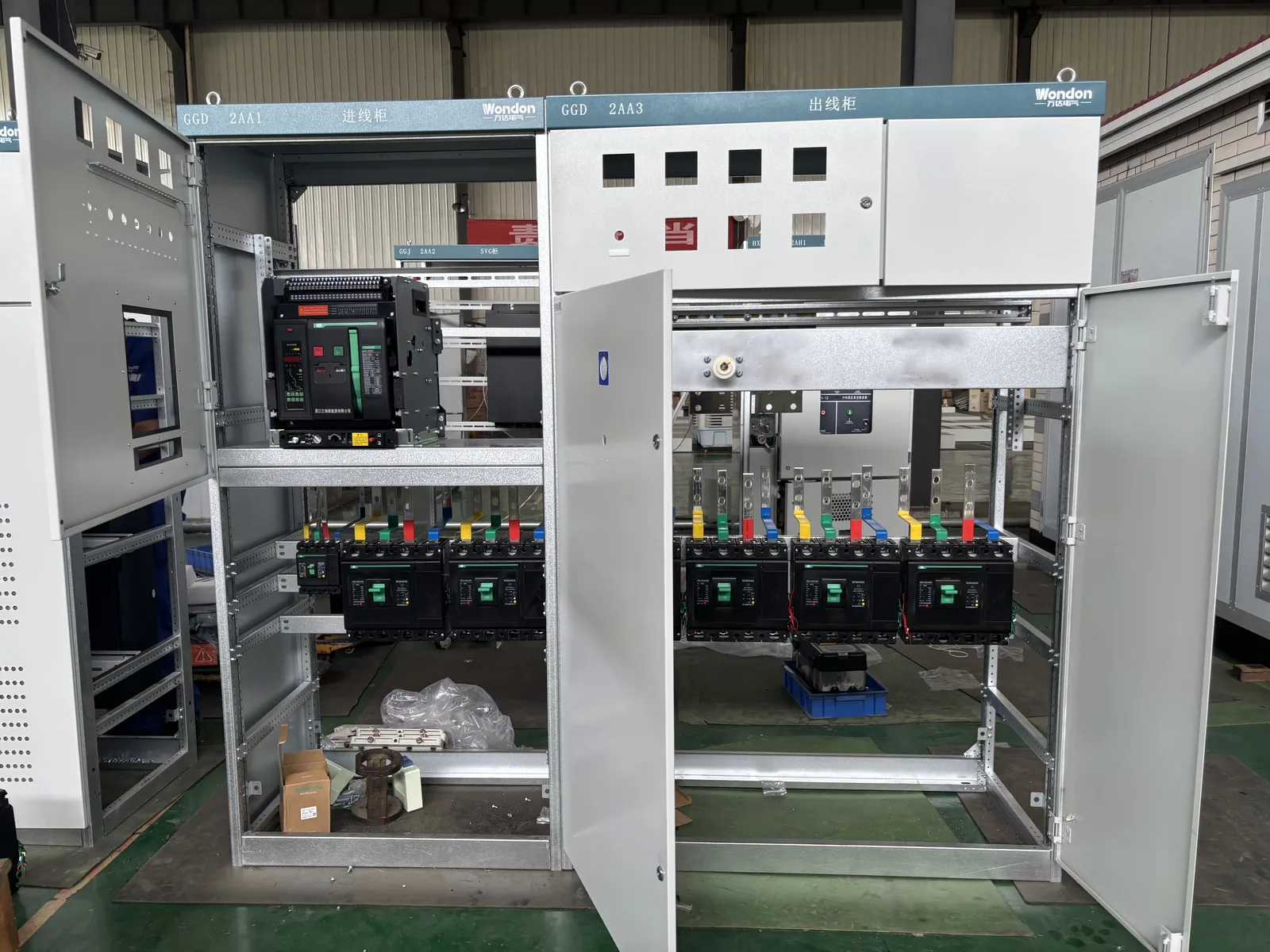
How Wondon Runs Factory Acceptance Tests
At Wondon we run routine FAT on every switchgear order before it leaves our 12,000 m² manufacturing facility in Zigong. Our metal-clad and fixed-type ranges are tested against IEC 62271-200. They run from the withdrawable KYN28-12 and KYN61-40.5 to the fixed XGN2-12 and the gas-insulated WDSRM6-12. Our low-voltage assemblies follow IEC 61439. The work is backed by UL, CE, IEC, and CQC compliance, and buyers are welcome to witness the tests or review the recorded values remotely. If you are still comparing suppliers, our guide to choosing the right medium-voltage switchgear is a useful next read.
FAQ
1. What is the difference between FAT and SAT for switchgear?
A switchgear factory acceptance test (FAT) is done at the manufacturer’s plant before shipment and checks the equipment against the specification. SAT (site acceptance test) is done after installation at your location and checks for transport damage, correct siting, and cabling.
2. Is a factory acceptance test mandatory?
It is not always legally mandatory, but it is standard practice for medium- and low-voltage switchgear bought on a specification. Most EPCs and utilities write FAT into the purchase order as a condition for final payment.
3. How long does a switchgear FAT take?
It depends on the number of panels and the test scope. A small batch of MV cubicles may take a day; a full substation lineup with protection testing can take several days. The ITP should state the planned duration.
4. Can I witness the FAT remotely?
Yes. Many buyers witness by live video and receive signed test sheets and recorded data afterward. For the high-voltage withstand and protection functional tests, a streamed session with a named witness is usually sufficient.
5. What standards cover switchgear FAT?
Routine tests for medium-voltage switchgear follow IEC 62271-200, and low-voltage assemblies follow IEC 61439. The test methods themselves reference IEC 60060-1, IEC 61180, and IEC 60270 for partial discharge.
6. What should I do if a test fails?
Agree on corrective action and a re-test of the failed item. Minor items go on a punch list with deadlines; major failures are corrected and re-tested before the equipment ships. Do not release final payment until the FAT is closed out.
Conclusion
A switchgear factory acceptance test is your cheapest insurance against a bad delivery. Define the scope in the contract, review the ITP, witness the key tests, and keep the paperwork. If you want to discuss the test scope for your next switchgear order, contact us at Wondon and our engineering team will walk you through an ITP that fits your project.