

In industrial power distribution, commercial buildings and infrastructure projects, withdrawable low voltage switchgear is widely adopted in main power distribution and power allocation systems due to its easy maintenance and flexible expandability.
During project communication, we frequently receive this question: Both MNS and GCS are withdrawable low voltage switchgear — what are their differences, and which one should I choose for my project?
While MNS and GCS both belong to withdrawable low voltage switchgear, they feature distinct structural designs, modularity levels, applicable scenarios and maintenance methods.
As a manufacturer specializing in low voltage power distribution equipment, Wondon has communicated with engineering contractors, system integrators and procurement clients across various countries. We found that most clients understand basic product features but struggle to determine which low voltage switchgear solution fits their actual operating conditions.
From the perspective of engineering projects and procurement decision-making, this article compares MNS and GCS low voltage switchgear to help you make clear equipment selection decisions.
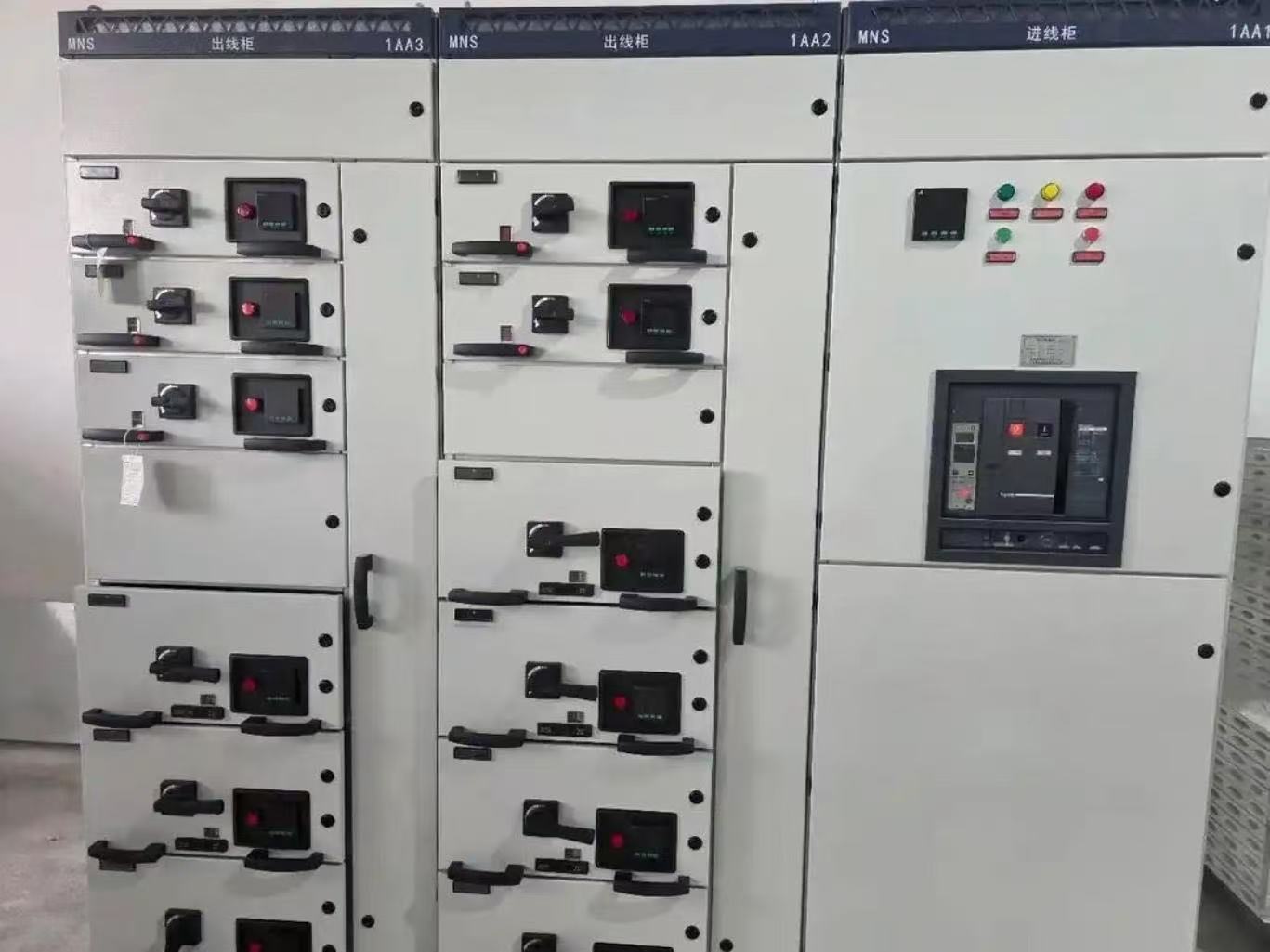
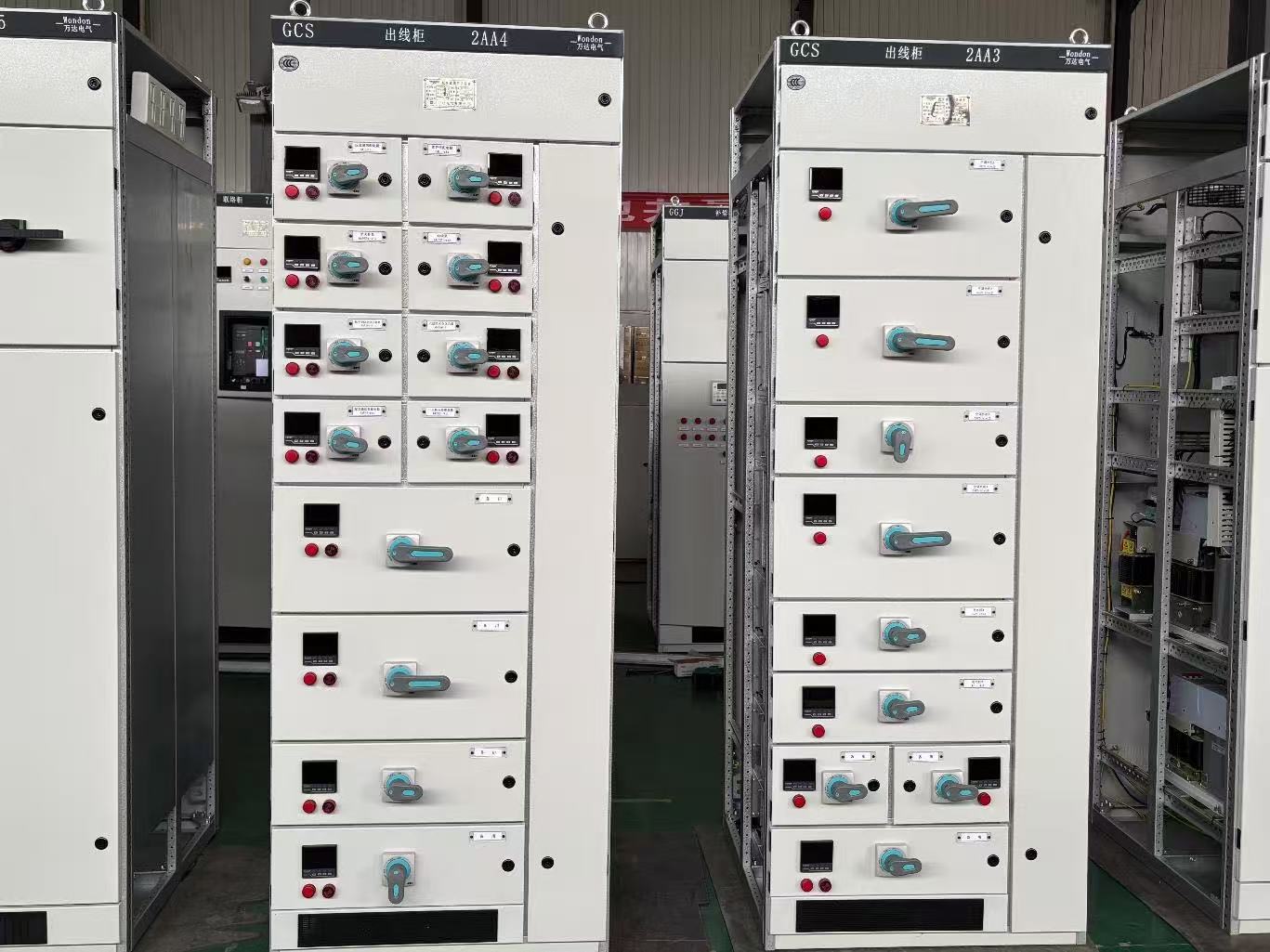
Core Design Differences Between MNS and GCS Withdrawable Low Voltage Switchgear
Both MNS and GCS adopt withdrawable functional unit designs, which realize electrical circuit connection, control and maintenance via drawer units. However, their core design concepts diverge significantly.
MNS Low Voltage Switchgear: Prioritizing Modularity & System Flexibility
MNS refers to a modular low voltage switchgear system with the following core design traits:
- Standardized combinations of functional units
- High internal modularization
- Flexible circuit configuration modes
- Convenient later expansion and maintenance
MNS low voltage switchgear delivers superior adaptability for large industrial projects, power infrastructure and applications demanding uninterrupted operation.
For example, if a factory plans to add production lines and expand distribution circuits in the future, the modular design of MNS low voltage switchgear enables seamless system upgrades.
GCS Low Voltage Switchgear: Prioritizing Cost Efficiency & Industrial Compatibility
GCS is a type of withdrawable low voltage switchgear developed to fit domestic industrial power distribution environments.
Its primary characteristics include:
- Mature and stable structural design
- Compatibility with standard industrial power distribution demands
- Excellent cost performance
- Suitability for standardized mass production and general project deployment
GCS low voltage switchgear is a mainstream option for manufacturing plants, conventional industrial distribution systems and projects with strict budget limits.
It is important to note that neither MNS nor GCS low voltage switchgear is universally superior. The final choice must be evaluated against project scale, electrical specifications, operating environment and available budget.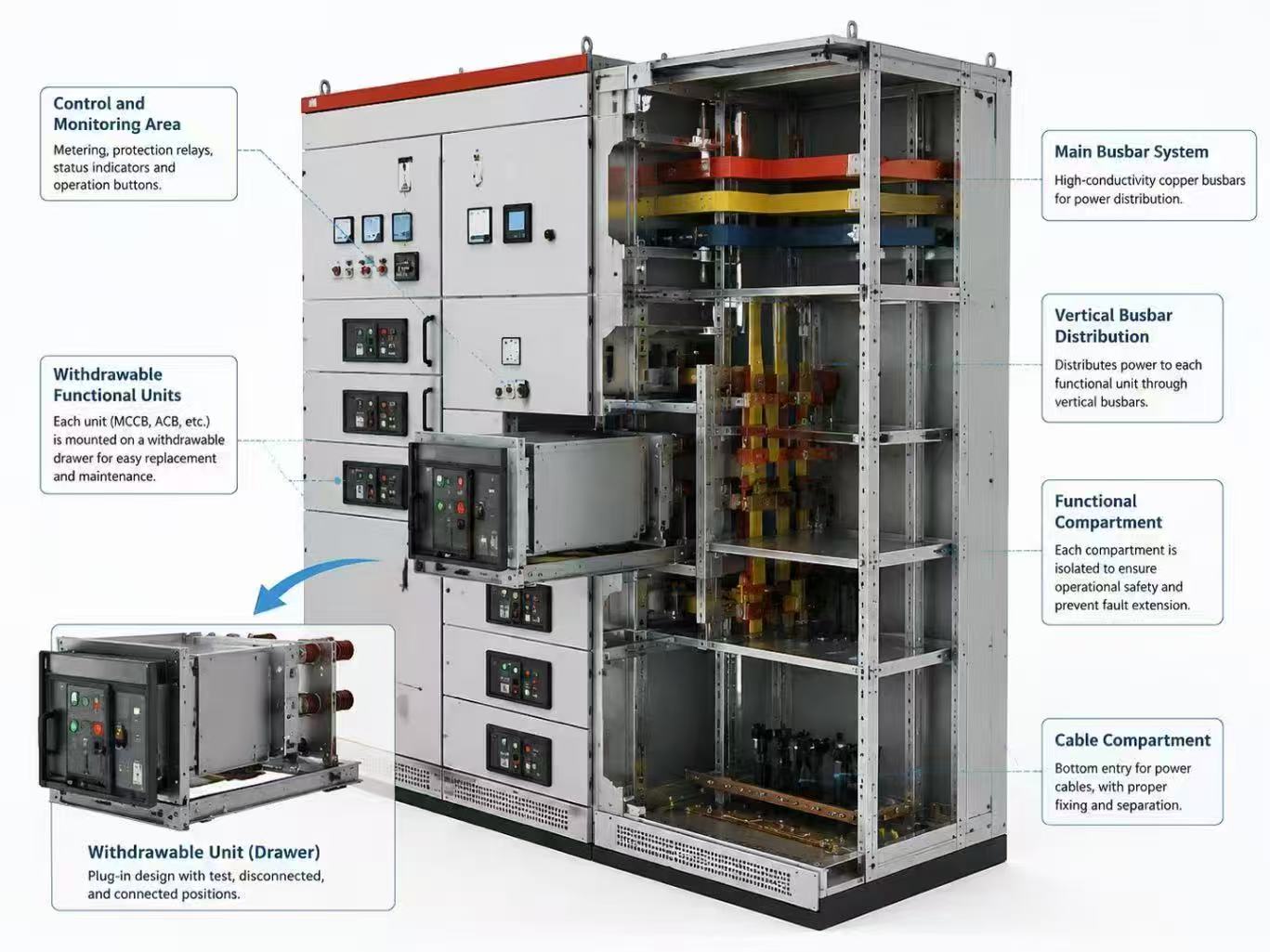
Comparison of Drawer Units & Cabinet Structures: MNS vs GCS Low Voltage Switchgear
For procurement specialists and electrical designers, cabinet structure and drawer unit design are key indicators to distinguish these two types of low voltage switchgear.
| Comparison Item | MNS Low Voltage Switchgear | GCS Low Voltage Switchgear |
| Design Orientation | High modularity | Mature industrialized design |
| Drawer Functional Unit | Highly flexible unit combinations | Standardized drawer framework |
| Expansion Capacity | Ideal for complex system expansion | Meets regular capacity expansion demands |
| Maintenance Mode | Simple module replacement and overhaul | Straightforward routine operation and maintenance |
| Primary Application Scenarios | Large industrial and integrated power distribution projects | General industrial power distribution projects |
From practical engineering experience, MNS low voltage switchgear better satisfies long-term operation requirements for projects with numerous feeder and control circuits and future expansion needs.
If your project has a fixed system scale and you want to fulfill basic distribution functions while controlling upfront investment costs, GCS low voltage switchgear offers a more economical alternative.
Electrical Performance & Application Scenario Differences Between MNS and GCS Low Voltage Switchgear
Many clients only focus on single parameters such as rated current or short-circuit withstand capacity when selecting low voltage switchgear.
For B-side purchasers, however, the critical factor is whether the low voltage switchgear matches the project’s actual operating environment.
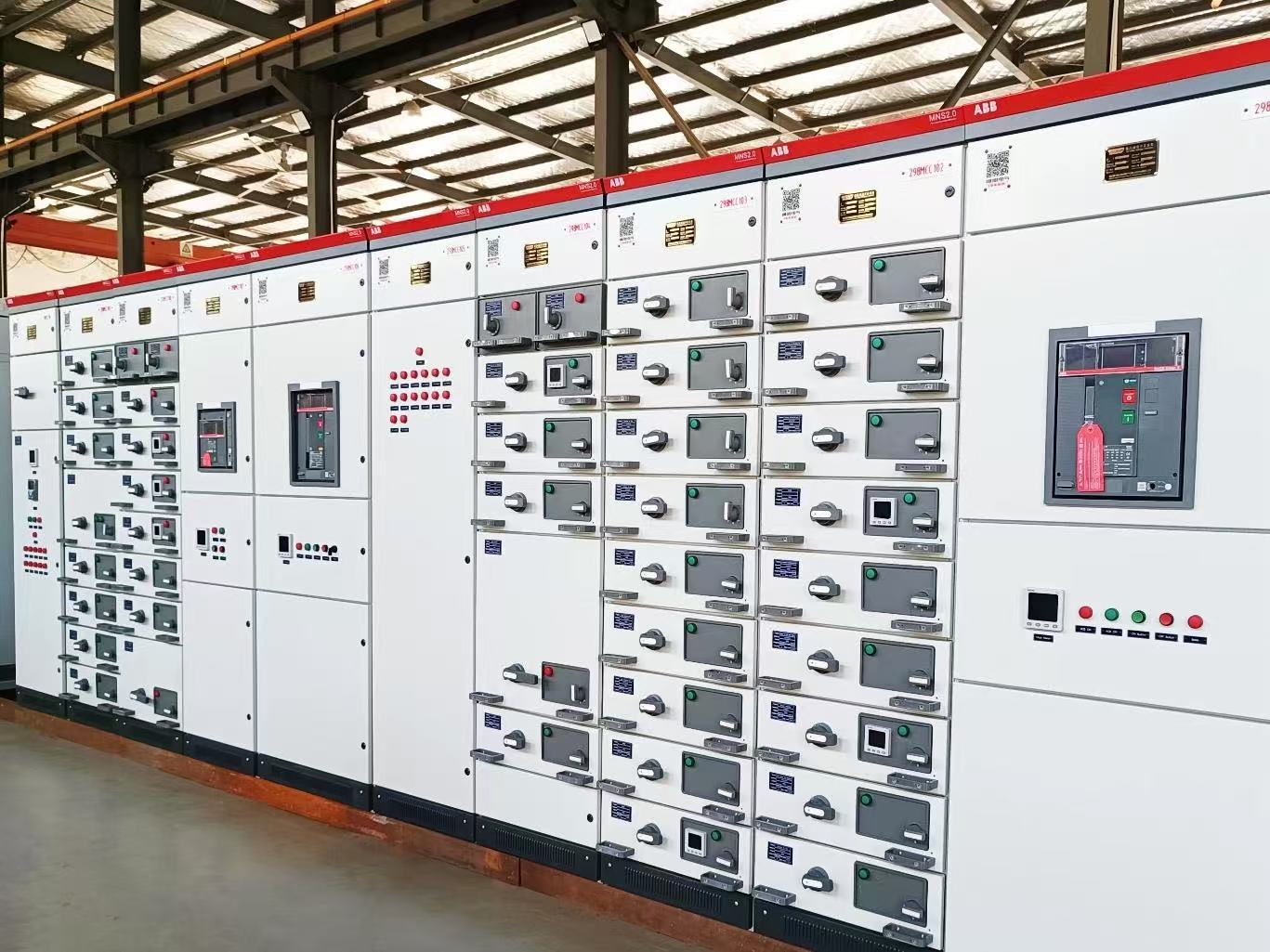
Typical Application Scenarios of MNS Low Voltage Switchgear
- Large industrial campuses
- Data center power distribution systems
- Main power distribution systems for commercial buildings
Energy and infrastructure projects
Shared traits of these scenarios:
1.Large quantities of distribution circuits
2.Strict requirements for operational reliability
3.Obvious demands for later maintenance and system upgrades
Typical Application Scenarios of GCS Low Voltage Switchgear
- Manufacturing enterprises
- Ordinary production workshops
- General low voltage power distribution systems
Clients of such projects usually prioritize: - Upfront investment cost control
- Simple equipment installation
- Meeting basic daily operation requirements
As a result, we advise clients not to select low voltage switchgear merely based on product names. Instead, decisions should factor in actual load conditions, electrical design standards and long-term development plans.
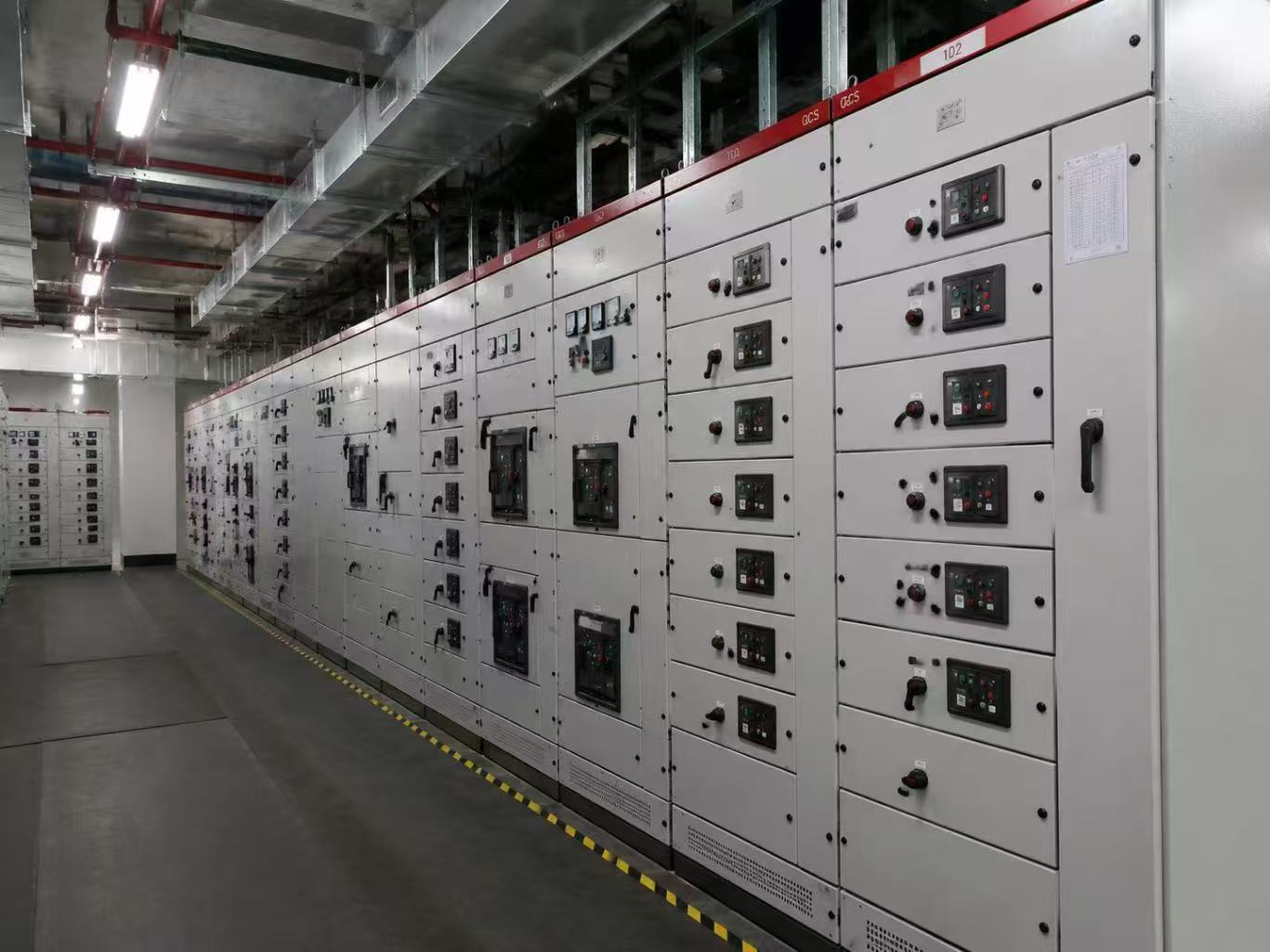
Operation & Maintenance Differences Between MNS and GCS Withdrawable Low Voltage Switchgear
For end users, purchasing low voltage switchgear represents not only a one-time equipment investment but also a commitment to years or even decades of subsequent operation and maintenance costs.
Thanks to its modular architecture, MNS low voltage switchgear offers superior maintenance convenience for complex projects:
- Clearly divided functional units
- Easy inspection and replacement of individual modules
- Perfect fit for systems requiring continuous non-stop operation
GCS low voltage switchgear boasts a well-established structure that performs reliably during routine industrial maintenance: - Simple operating procedures
- Low daily maintenance workload
- Optimized for standardized application projects
For export projects, we evaluate project scale, electrical single-line diagrams, load types and installation environments to recommend the optimal low voltage switchgear cabinet model, rather than arbitrarily promoting a single product.
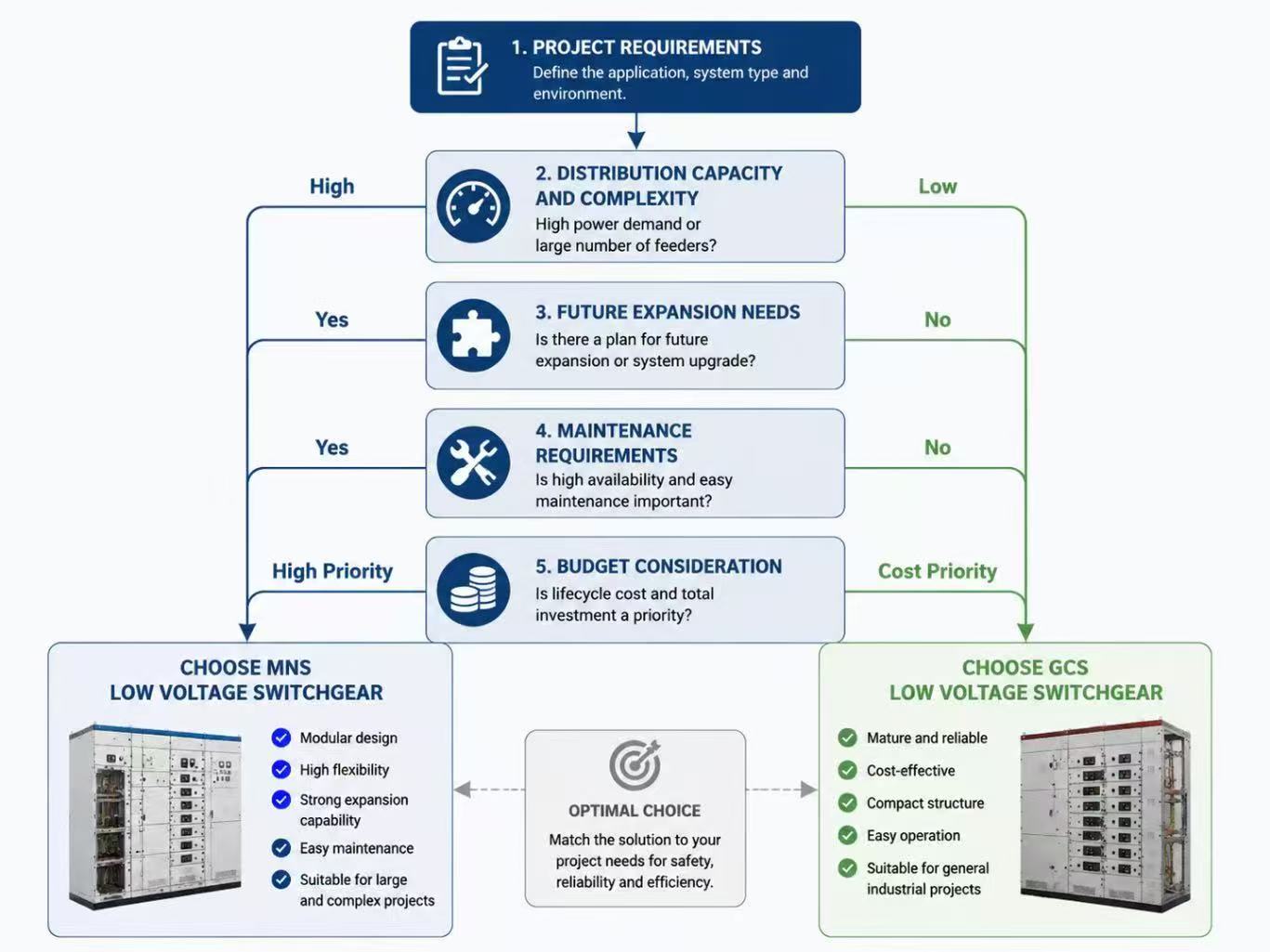
How to Choose Between MNS and GCS Low Voltage Switchgear for Project Procurement?
If you plan to purchase withdrawable low voltage switchgear, evaluate the following dimensions to make a sound decision.
1. Selection Based on Project Complexity
Choose MNS low voltage switchgear if your project has:
- A high number of distribution circuits
- Clear future system expansion plans
- High demands for maintenance efficiency
Choose GCS low voltage switchgear if your project has: - Defined and fixed power distribution needs
- A stable system scale with no major upgrades planned
- Top priorities for cost control
2. Selection Based on Full Lifecycle Costs
When sourcing low voltage switchgear, do not only compare initial purchase prices. You must also account for:
- Long-term maintenance expenses
- Ease of future equipment upgrades
- Downtime duration during maintenance
Maintainability is equally vital for facilities intended for long-term continuous operation.
3. Confirm Technical Schemes with Your Manufacturer
Suppliers vary widely in design capability, manufacturing craftsmanship and cross-industry project experience, all of which impact the final quality of low voltage switchgear.
Taking Wondon as an example, we provide the following support during project consultation:
- MNS / GCS low voltage switchgear cabinet type recommendations
- Full electrical configuration verification
- Customized production support
Our core goal is not just selling low voltage switchgear cabinets, but delivering tailored low voltage power distribution solutions aligned with your project specifications.
Why Partner with a Professional MNS & GCS Low Voltage Switchgear Manufacturer?
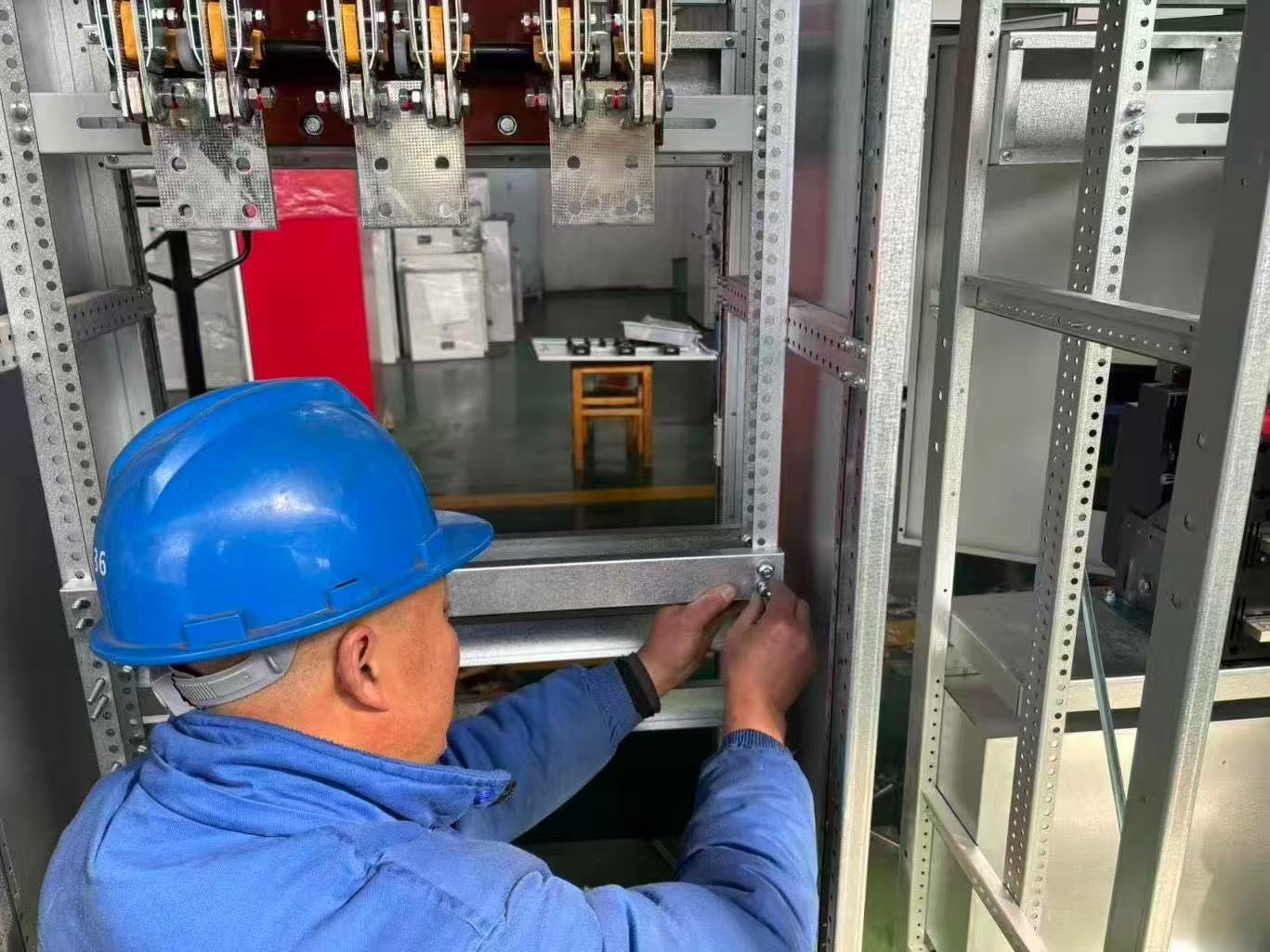
When selecting a supplier, the product itself is only one consideration. More critical factors include:
- Whether the manufacturer fully understands your unique project demands
- Availability of responsive technical communication and support
- Proven experience delivering export switchgear projects
- Consistent product quality control standards
FAQs
1.What is the difference between MNS and GCS low voltage switchgear?
MNS and GCS are both withdrawable low voltage switchgear types, but they differ in design philosophy and application focus. MNS emphasizes modular structure, flexibility, and expansion capability, while GCS focuses on mature design, practical industrial applications, and cost efficiency.
2.Is MNS switchgear better than GCS switchgear?
Neither MNS nor GCS is universally better. MNS is usually suitable for projects requiring higher flexibility, more functional units, and future expansion. GCS is often selected for standard industrial distribution systems where cost and practical operation are important.
3.Where is MNS low voltage switchgear commonly used?
MNS low voltage switchgear is commonly used in large industrial plants, infrastructure projects, commercial buildings, and power distribution systems that require modular design and convenient maintenance.
4.Where is GCS withdrawable switchgear suitable for?
GCS withdrawable switchgear is commonly applied in industrial facilities and general low voltage distribution systems. It is suitable for projects requiring reliable operation with a practical and economical solution.
5.How do I choose between MNS and GCS switchgear for my project?
The selection depends on project requirements, including distribution capacity, number of circuits, future expansion plans, maintenance requirements, and budget considerations. A professional switchgear manufacturer can provide a suitable solution based on your electrical design.
Conclusion
A reliable supplier of low voltage switchgear delivers far more than hardware; they help clients cut communication and execution costs throughout project delivery.
MNS and GCS represent two mainstream types of withdrawable low voltage switchgear built for distinct project requirements.
In short: MNS low voltage switchgear features modular design, strong expandability and is engineered for complex multi-circuit power distribution systems. GCS low voltage switchgear delivers mature, cost-effective performance and caters to standard industrial power distribution applications.
If you are choosing between MNS and GCS low voltage switchgear, your priority should not be searching for a universally “better” product, but identifying the low voltage switchgear solution that best matches your project.
By comprehensively evaluating project scale, electrical standards, operating environment and future development plans, you can make rational, cost-efficient procurement decisions.
Wondon collaborates with global clients to deliver professional customized low voltage power distribution solutions tailored to real-world application demands.
Contact us today to discuss your project requirements