

In industrial, power and infrastructure projects, a stable and safe power distribution system serves as the core foundation for continuous equipment operation. Low-voltage switchgear stands as one of the indispensable core devices within power distribution systems.
If you are in charge of electrical equipment procurement, project design, or searching for trustworthy electrical equipment suppliers, mastering the basic principles, components and application scenarios of low-voltage switchgear will help you select solutions that fully match your project requirements.
From the perspective of engineering projects and procurement decision-making, this guide breaks down what low-voltage switchgear is and explains why low-voltage switchgear is widely adopted in industrial and commercial power distribution systems.
What Is Low-Voltage Switchgear?
Low-voltage switchgear refers to a type of electrical device deployed in low-voltage power systems, primarily used for power distribution, circuit control, fault protection and electrical isolation.
Simply put, low-voltage switchgear connects power input terminals to power-consuming equipment. Through built-in switching components and protective elements, it manages electric power to ensure safe and stable operation of electrical systems.
Typically, lv switchgear is applied to low-voltage distribution systems with a rated voltage not exceeding 1000V AC (alternating current) or 1500V DC (direct current).
For factories, power stations, commercial buildings and other projects, it acts as a centralized power management hub, undertaking the following core tasks:
-
- Cutting on and off electric current circuits;
- Protecting equipment against faults such as overload and short circuit;
- Safely distributing electric power to various load zones.
How Does It Operate?
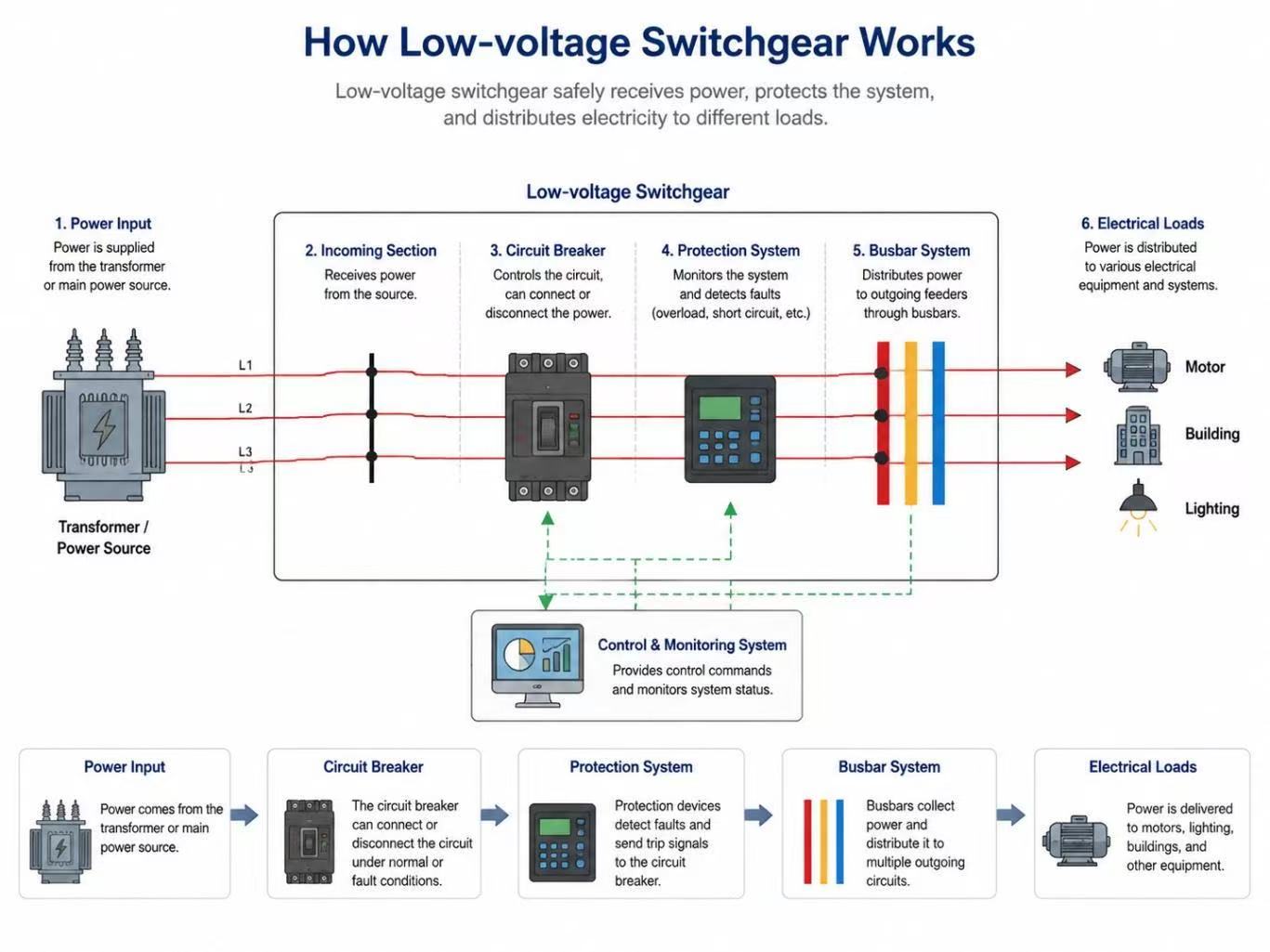
1. Power Input
After external power enters lv switchgear, it flows to the internal busbar system via the main incoming unit.
2. Power Control
Circuit breakers and switching devices inside lv switchgear control circuit activation and deactivation, allowing operators to regulate different circuits according to actual operational demands.
3. Fault Protection
When faults including short circuits and overloads occur in the system, protective devices inside the switchgear will disconnect the faulty circuit to prevent secondary damage to equipment.
4. Power Distribution
Electric power that has passed control and protection procedures is delivered through separate output circuits to terminal loads such as motors, lighting systems and production machinery.
The value of low-voltage panel extends far beyond basic power supply delivery. More crucially, it helps enterprises cut downtime risks and boost the operational reliability of power systems.
Main Components of LV Switchgear
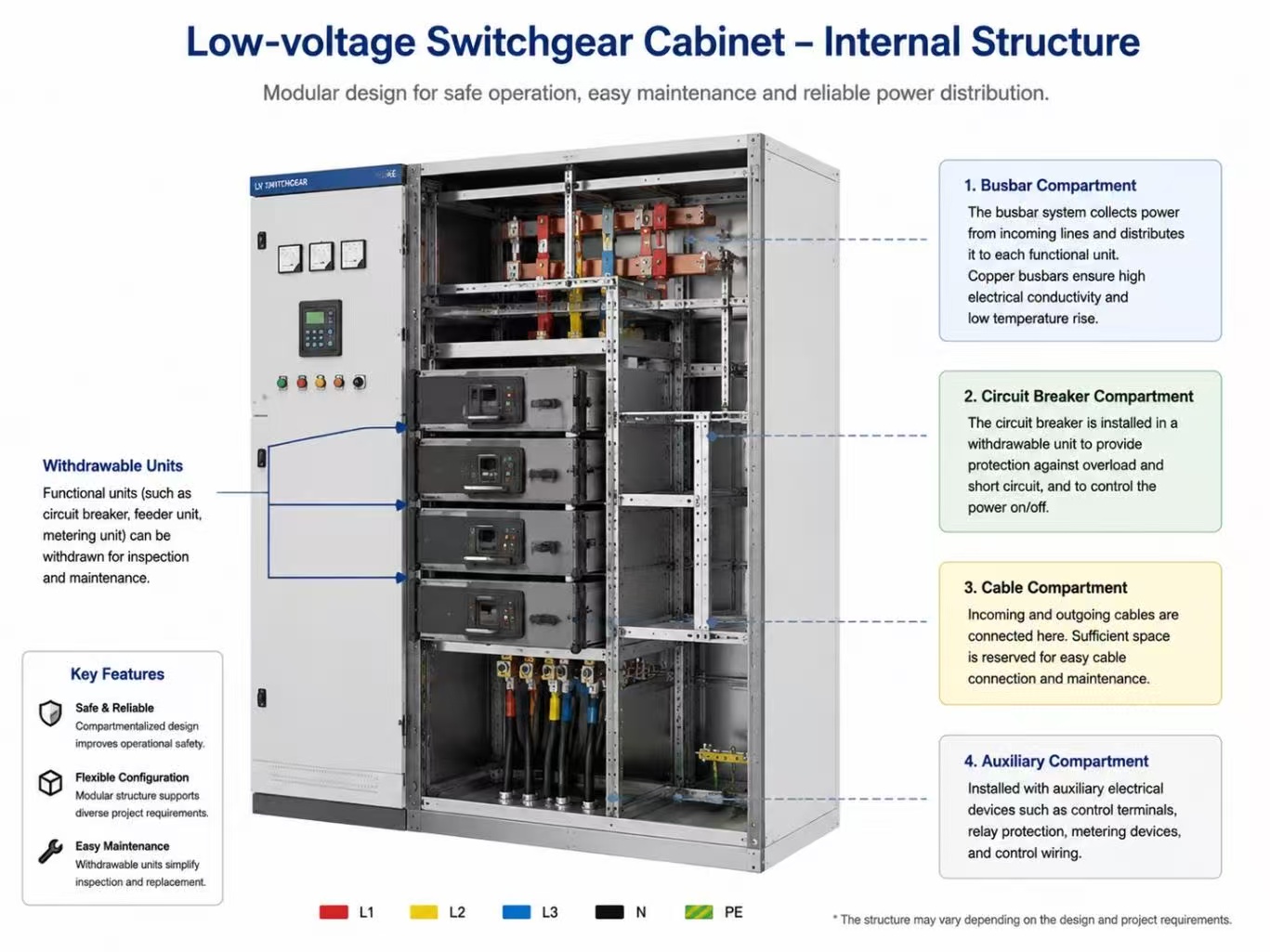
Configuration requirements for low-voltage switchgear vary across different projects, yet core structural components remain consistent, as listed below:
1. Circuit Breaker
The circuit breaker functions as a vital protective component inside the switchgear, with three key functions:
- Circuit connection and disconnection;
- Overload prevention;
- Short-circuit fault protection.
When selecting circuit breakers for industrial projects, matching specifications based on system capacity, current rating and protection standards is essential.
2. Busbar System
The busbar system acts as the internal power transmission backbone of the switchgear. It transfers incoming power to independent functional units, enabling stable power supply for multiple circuits simultaneously.
Busbar design directly impacts the current-carrying capacity and overall operational reliability of the switchgear, making it a key consideration in engineering design.
3. Protection & Control Devices
Beyond basic switching hardware, it is commonly equipped with supplementary protection and control accessories, including:
Overcurrent protection modules;
- Voltage monitoring sensors;
- Electric energy metering equipment;
- Programmable control modules.
These auxiliary devices enable engineering staff to monitor and administer power systems with greater convenience.
4. Enclosure
The metal enclosure of lv switchgear not only provides a mounting frame for electrical components but also delivers mechanical shielding and safety isolation for internal hardware.
Enclosure design must account for multiple factors depending on the installation environment of the switchgear:
- Ingress protection rating;
- On-site installation conditions;
- Operator safety during routine operations.
Core Application Fields of LV Switchgear
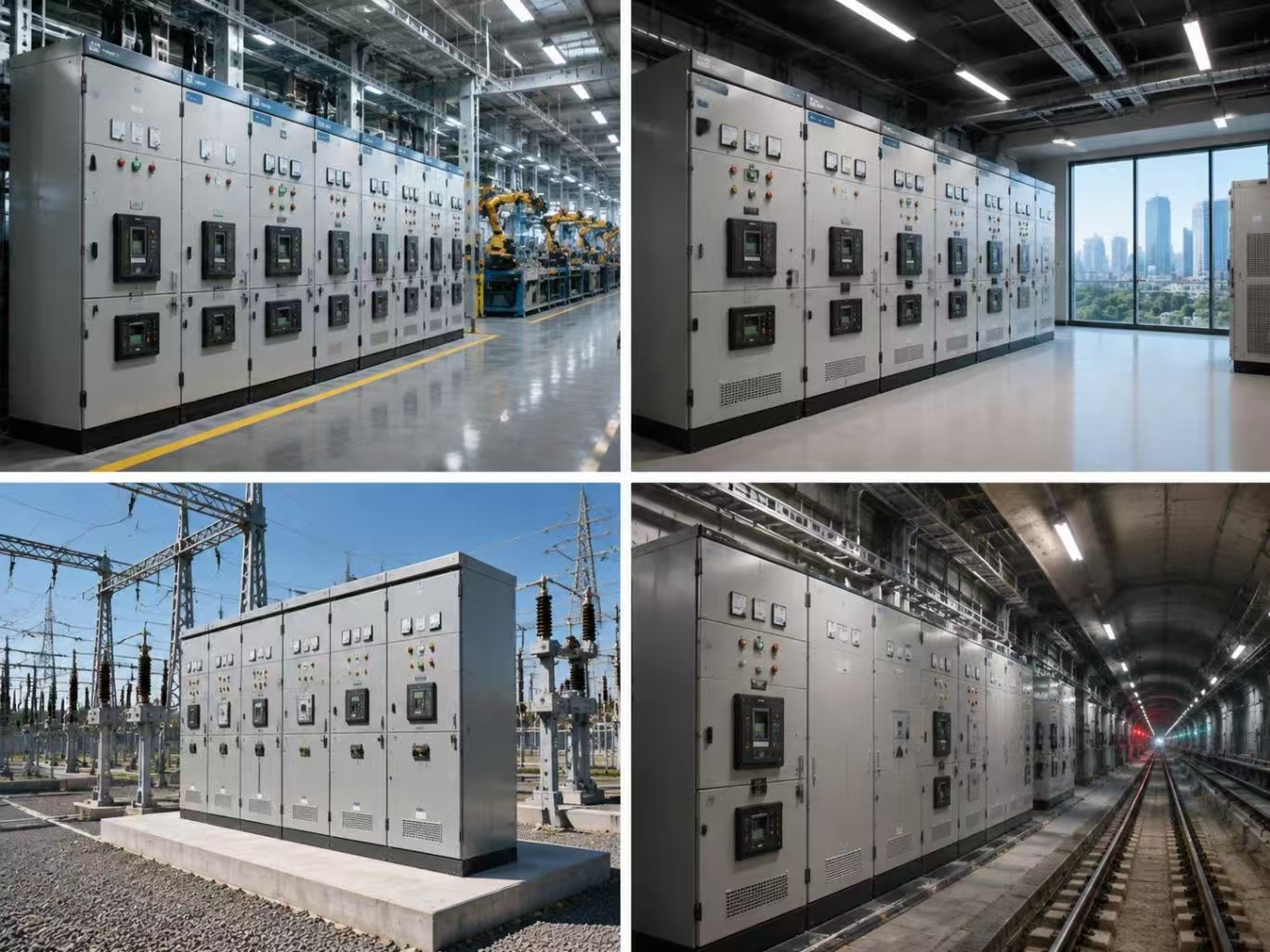
It is extensively deployed in all scenarios demanding reliable power distribution.
Industrial Manufacturing Sector
Mass production equipment in manufacturing plants relies on consistent power supply supported by low-voltage panel. Common use cases for low-voltage switchgear in manufacturing include:
- Power supply for production lines;
- Centralized motor control;
- Power distribution for industrial machinery.
For manufacturing enterprises, the switchgear with stable distribution performance minimizes production halts triggered by electrical failures.
Commercial Building Sector
Office buildings, shopping malls, hotels and other commercial premises also require it for power management. Typical applications of switchgear here are:
- Power supply for air conditioning systems;
- Centralized lighting circuit control;
- Overall power management for building complexes.
Infrastructure Projects
Reliable power distribution supported by lv switchgear is an indispensable component of transportation, energy and public utility infrastructure. Project developers prioritize the safety, stability and long-term service performance of it for such projects.
Common Types of Low-Voltage Switchgear
It is categorized into multiple variants based on structural form, functional requirements and application scenarios. For engineering contractors, electrical designers and procurement specialists, selecting the right type of low-voltage switchgear requires comprehensive evaluation of:
- Power distribution system capacity;
- Equipment operating modes;
- Post-installation maintenance requirements;
- On-site operating environment.
The most widely adopted types of low-voltage switchgear in industrial and commercial projects are as follows: - Withdrawable low-voltage switchgear
- Fixed low-voltage switchgear
- Power capacitor cabinet
1. Withdrawable Low-Voltage Switchgear
Withdrawable low-voltage switchgear features modular drawer-style functional units. Compared with traditional fixed-structure equipment, the standout advantage of withdrawable low-voltage switchgear is that independent functional drawers can be pulled out and replaced separately, simplifying maintenance and system expansion.
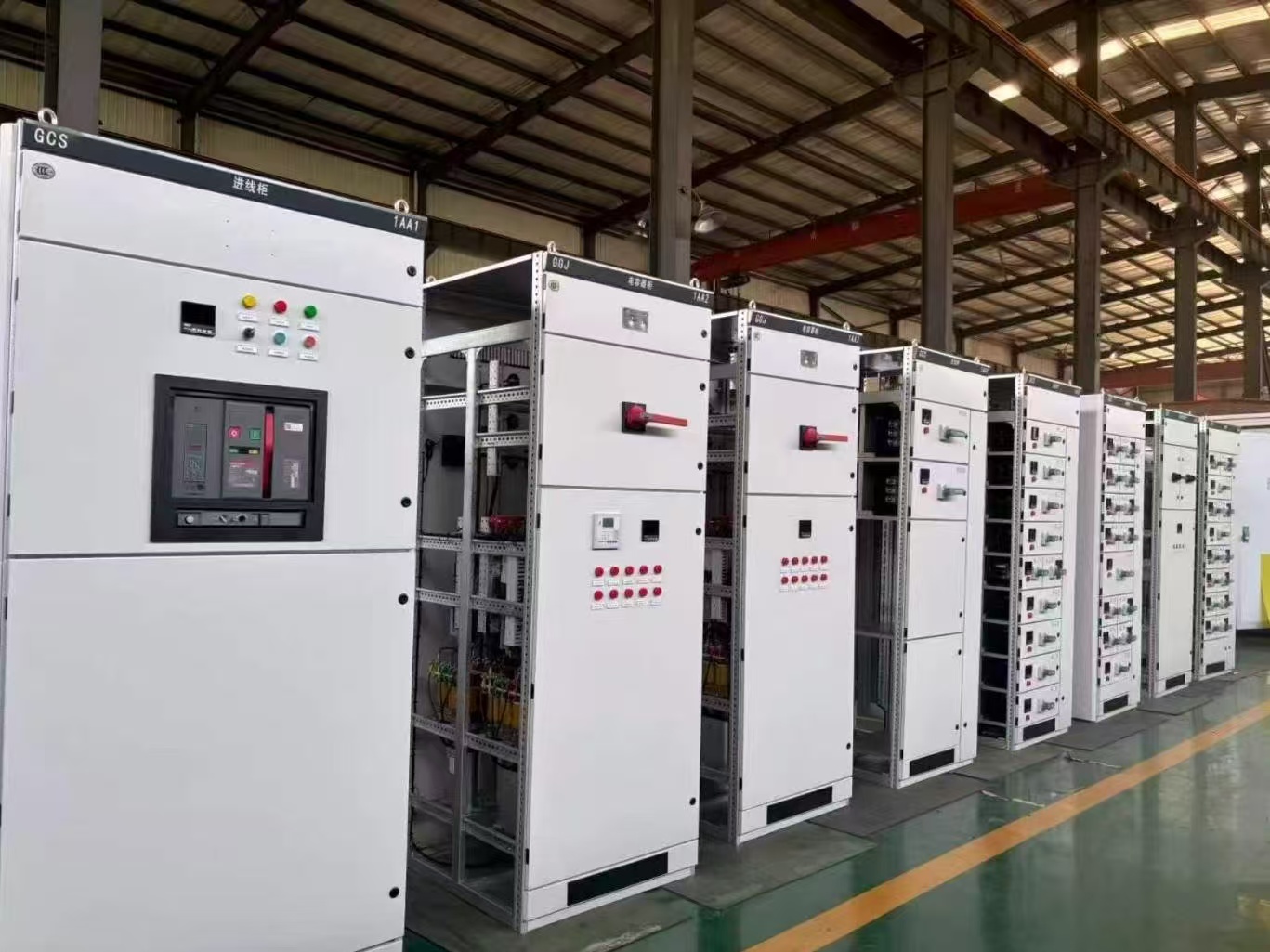
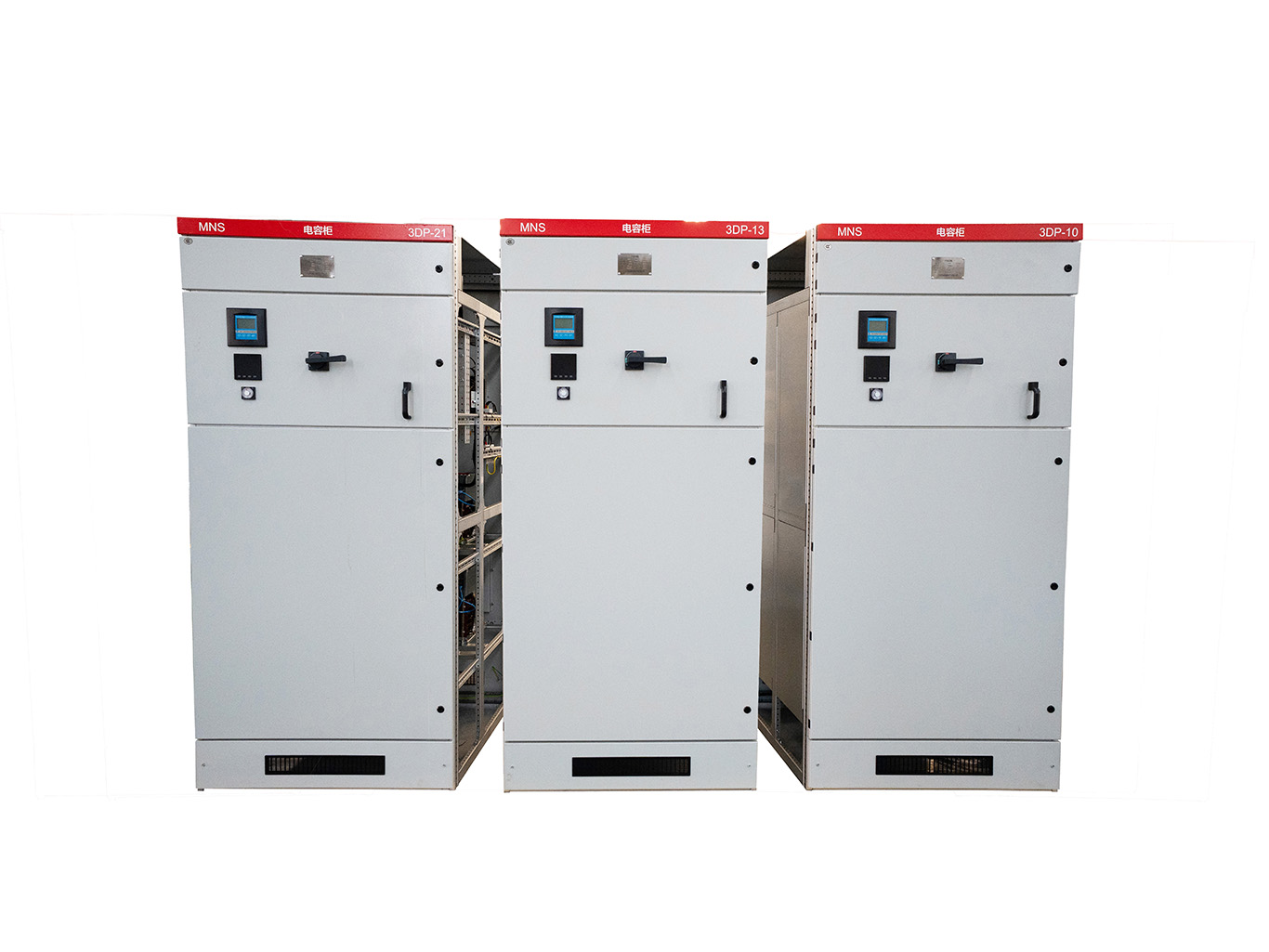
This type of low-voltage switchgear is generally specified for large-scale industrial projects with stringent continuous operation requirements. Classic product models include MNS low-voltage switchgear and GCS low-voltage switchgear.
MNS Low-Voltage Switchgear
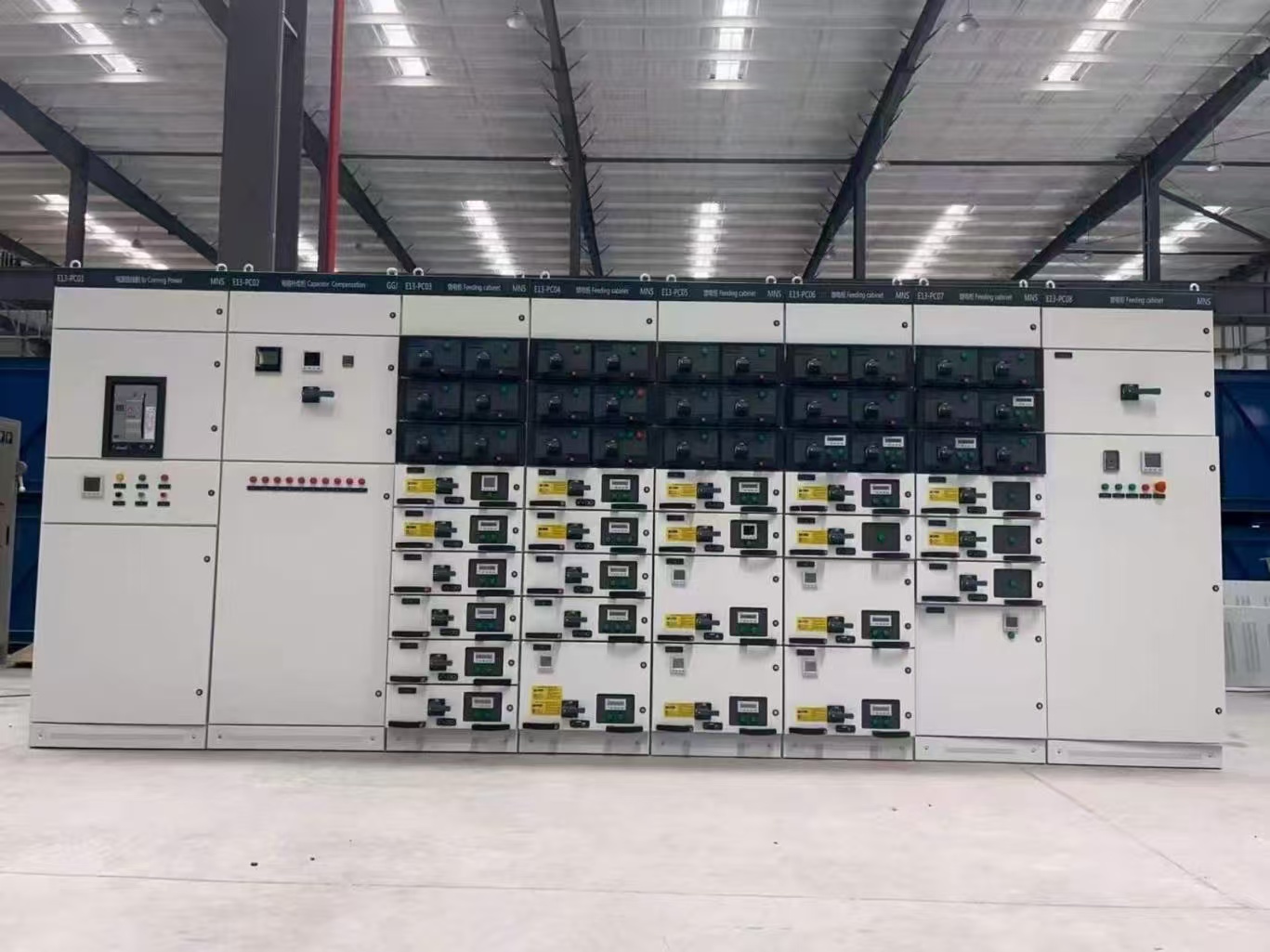
MNS low-voltage switchgear is a widely standardized modular withdrawable low-voltage switchgear, applied to industrial power distribution workshops and large commercial building power systems. Its core advantages are outlined below:
Modular Design
MNS low-voltage switchgear adopts standardized functional unit frames, allowing flexible configuration of incoming and outgoing circuit units tailored to individual project demands.
Detachable Drawer Unit Structure
Each drawer unit of MNS low-voltage switchgear supports three working positions: running position, test position and isolated position, facilitating equipment maintenance and fault troubleshooting.
Broad Application Scope
MNS low-voltage switchgear is primarily used for:
- Power distribution on industrial production lines;
- Motor control systems;
- Low-voltage power distribution systems for large buildings.
Basic Technical Parameters of MNS Low-Voltage Switchgear
| 1.Electrical Performance Parameter | Specification |
| Rated insulation voltage | 660V |
| Rated operational voltage | 380V, 680V |
| Maximum working current of main busbar | 5000A |
| Rated short-time withstand current of main busbar | 100kA |
| Rated peak withstand current of main busbar | 220kA |
| Maximum working current of vertical distribution busbar | 1000A |
| Peak withstand current of vertical distribution busbar | Standard version: up to 105kA; Reinforced version: up to 176kA |
| 2.Ingress Protection Rating | |
| Compliant with IEC529 and DIN40050 standards | |
| IP30: Protects against solid particles larger than 2.5mm | |
| IP40: Protects against solid particles larger than 1.0mm | |
| IP54: Full dust protection and resistance to water splashes from all directions | |
| (Orders for low-voltage switchgear with IP54 protection rating need advance negotiation with manufacturers) |
GCS LV Switchgear
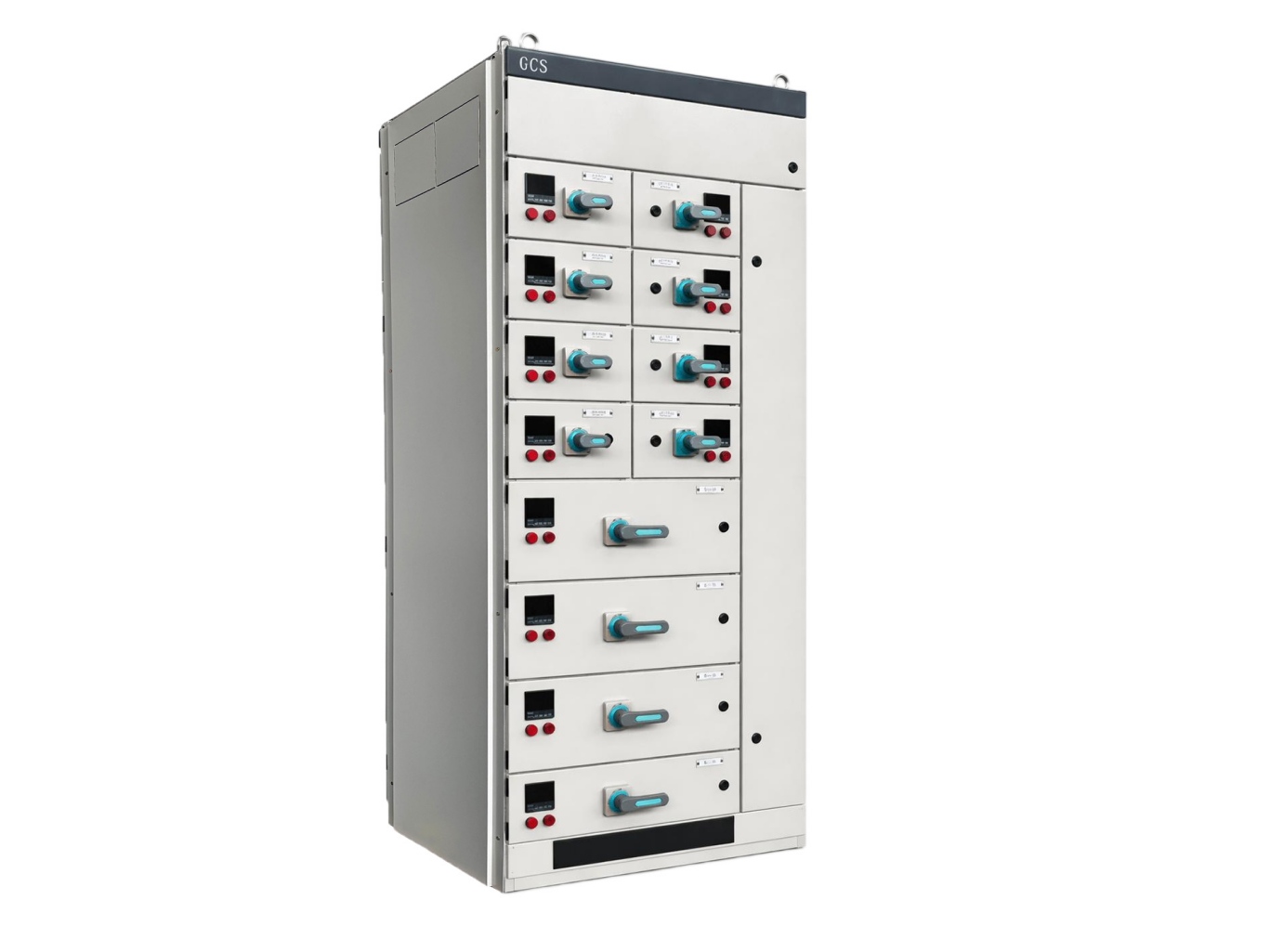
GCS lv switchgear also falls under the withdrawable category of lv switchgear.
Primary Applications
- Auxiliary power systems of power plants;
- Industrial power distribution stations;
- Centralized control systems for high-power electrical equipment.
Structural Highlights
- Optimized space utilization;
- Flexible combination of functional units;
- Streamlined daily maintenance and management.
GCS lv switchgear is a mainstream choice for industrial projects requiring centralized management of multiple distribution circuits.
2. Fixed LV Switchgear
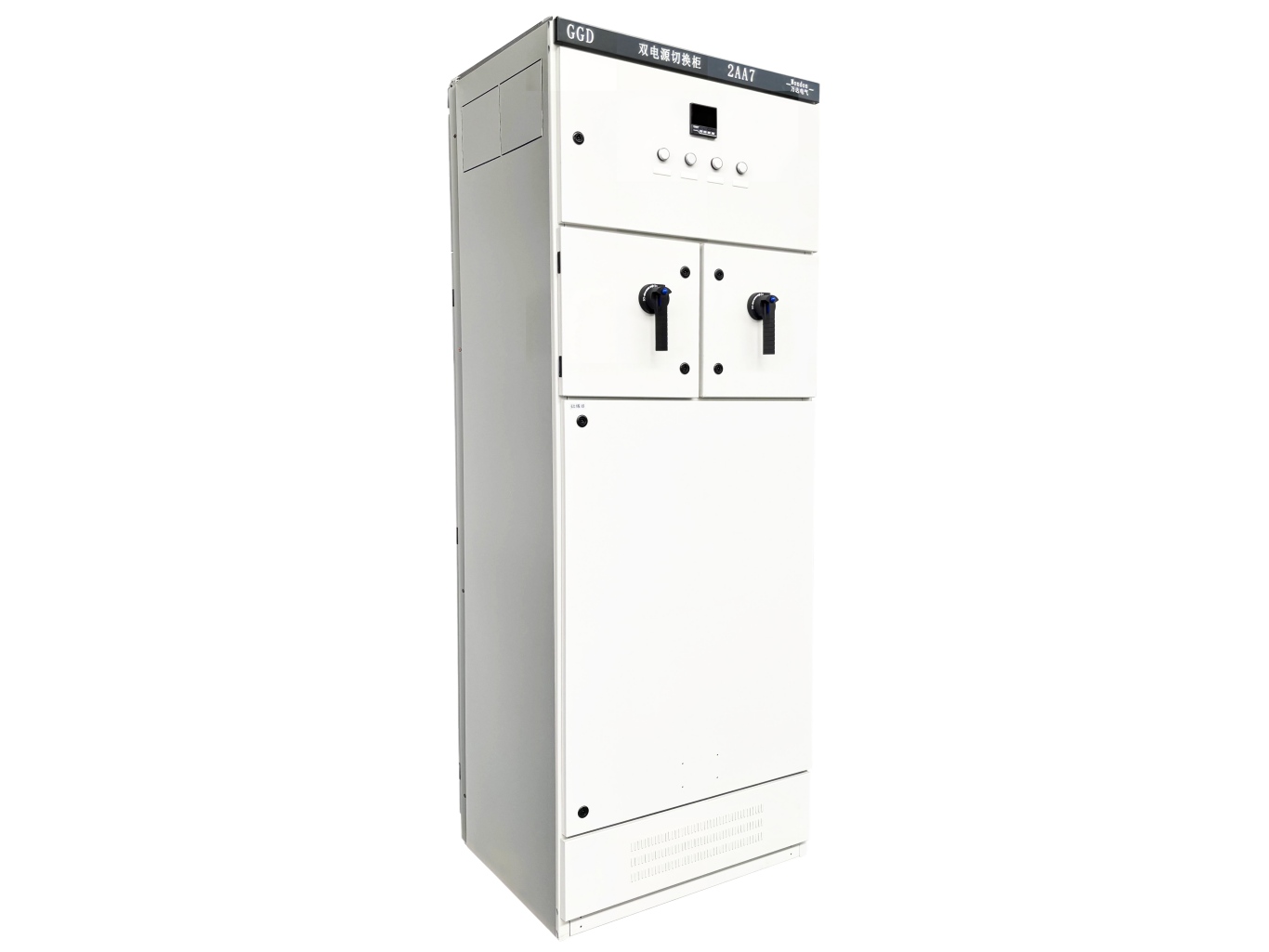
Fixed lv switchgear features a mature, stable structure. Unlike withdrawable lv switchgear, all core electrical components are permanently mounted inside the cabinet without detachable drawer units for maintenance. The most representative model is GGD lv switchgear.
GGD LV Switchgear
GGD lv switchgear is a common fixed-type lv switchgear for industrial and building power distribution.
Main Application Scenarios
- General low-voltage power distribution systems;
- Dynamic power distribution;
- Centralized power allocation and circuit control.
Core Advantages of GGD LV Switchgear
Simple & Reliable Structure
The fixed frame design delivers exceptional structural stability, suitable for long-term uninterrupted operation of lv switchgear.
User-Friendly Operation
Internal component layout is clear and orderly, simplifying routine inspection and maintenance work.
Cost-Effective Solution
GGD lv switchgear serves as an economical option for projects with fixed equipment configurations and low maintenance frequency demands.
Typical Applications of GGD Low-Voltage Switchgear
- Factory power distribution networks;
- Commercial building complexes;
- Municipal infrastructure projects.
3. Power Capacitor Cabinet
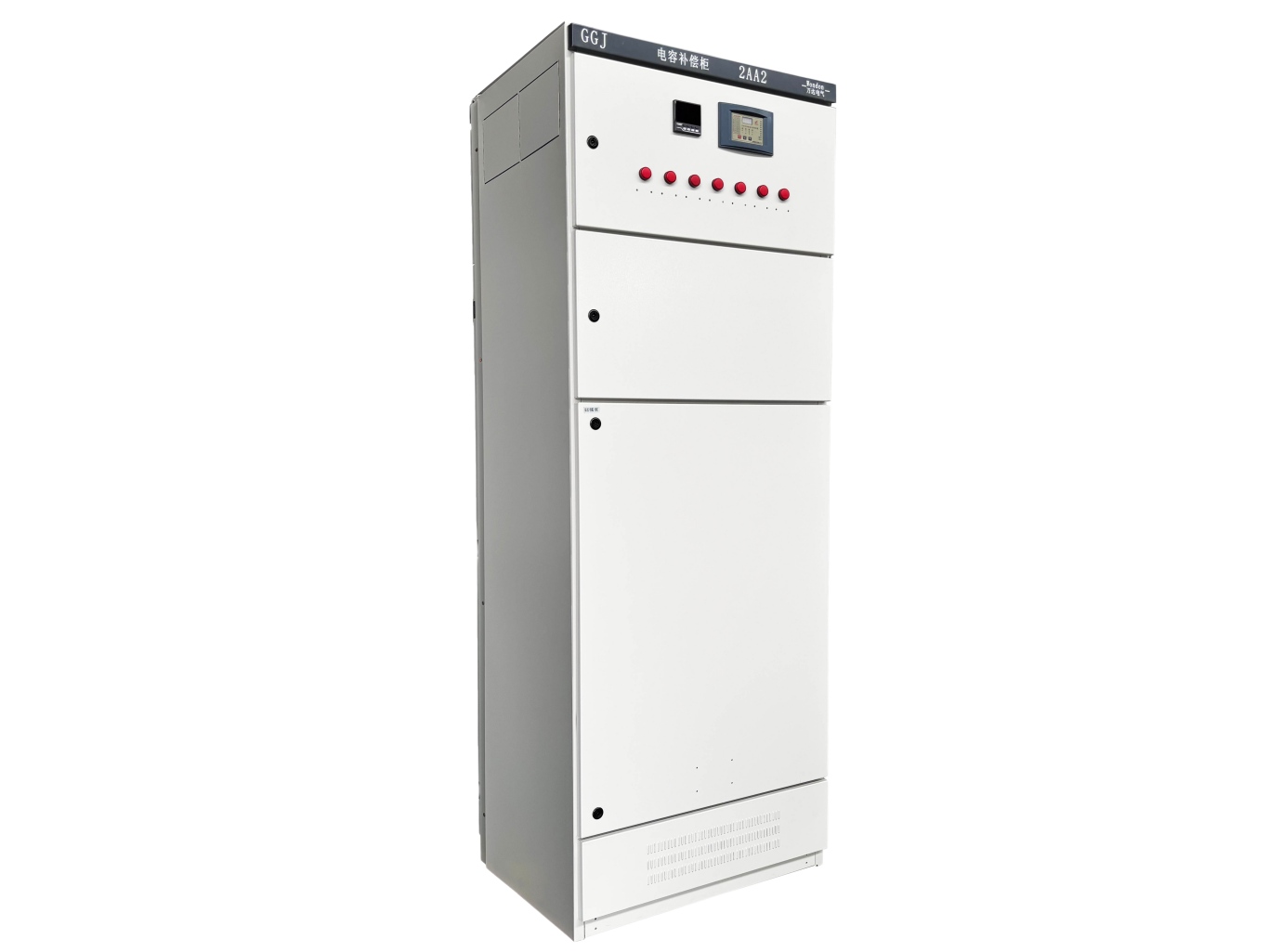
The power capacitor cabinet acts as a critical auxiliary device in lv power distribution systems, dedicated to power factor correction. The mainstream model on the market is GGJ power capacitor cabinet.
GGJ Power Capacitor Cabinet
GGJ power capacitor cabinet is installed within lv distribution systems to conduct reactive power compensation via built-in capacitor banks.
Core Functions
Improve Power Factor
Cut down reactive power consumption and raise overall electric energy utilization efficiency.
Reduce Line Power Losses
Proper reactive power compensation optimizes the operating efficiency of the entire lv switchgear distribution system.
Stabilize System Operating Conditions
Maintain steady power supply environments for heavy-duty industrial machinery.
Application Scenarios of GGJ Power Capacitor Cabinet
- Industrial manufacturing plants;
- Mass-production manufacturing enterprises;
- Power supply systems with high-power consumption equipment.
 Model Structure Type Primary Application
MNS Withdrawable lv switchgear General industrial power distribution
GCS Withdrawable lv switchgear Large-scale industrial and utility projects
GGD Fixed lv switchgear Conventional factory and building power distribution
GGJ Power capacitor cabinet Power factor & reactive power compensation
Why LV Switchgear Is Indispensable for Power Systems?
For enterprise managers and project supervisors, selecting suitable low-voltage switchgear equals safeguarding the safe operation of the entire power system. The core significance of lv switchgear is reflected in four aspects:
Boost Electrical Safety
Built-in protective mechanisms within lv switchgear mitigate hazards arising from electrical faults.
Guarantee Stable Power Allocation
Well-engineered lv switchgear distribution systems deliver consistent power supply to all connected equipment.
Protect Downstream Electrical Loads
When abnormal electrical conditions emerge, the protective features of lv switchgear limit equipment damage scope.
Simplify Maintenance & System Management
Ergonomic structural design of qualified lv switchgear allows engineering teams to complete circuit inspection and maintenance with higher efficiency.
How to Select a Trustworthy LV Switchgear Manufacturer?
Product Customization Capability
Verify whether suppliers can design tailored low-voltage switchgear configurations matching unique project specifications.
Manufacturing Experience
Manufacturers with extensive production experience possess deeper insights into practical demands of low-voltage switchgear across diverse industries and environments.
Strict Quality Control System
Standardized production workflows and comprehensive quality testing reduce long-term operational risks of lv switchgear for projects.
Professional Technical Support
Timely technical communication during project execution helps resolve on-site installation and commissioning issues related to lv switchgear.
As an enterprise specializing in electrical equipment manufacturing, Wondon always prioritizes practical application demands of lv switchgear for global clients. We believe premium lv switchgear must not only comply with international technical standards but also fully adapt to the operating environments of different industries.
FAQs
1.What is a low-voltage switchgear used for?
A lv switchgear is used for electrical power distribution, control, protection, and isolation in low-voltage systems. It helps safely distribute electricity from the power source to different loads while protecting electrical equipment from faults such as overloads and short circuits.
2.What are the main types of lv switchgear?
The main types of lv switchgear include withdrawable switchgear, fixed switchgear, and power capacitor cabinets. Common examples include MNS and GCS withdrawable switchgear, GGD fixed switchgear, and GGJ power capacitor cabinets.
3.What is the difference between MNS and GGD switchgear?
MNS switchgear uses a modular withdrawable structure, which allows easier maintenance and flexible configuration. GGD switchgear uses a fixed structure and is commonly used for stable and cost-effective low-voltage power distribution applications.
4.Where is lv switchgear commonly installed?
Lv switchgear is commonly installed in industrial plants, commercial buildings, power facilities, and infrastructure projects where reliable electrical distribution is required.
5.How do I choose a suitable lv switchgear manufacturer?
When choosing a lv switchgear manufacturer, consider product design capability, manufacturing experience, quality control, customization ability, and technical support to ensure the equipment meets project requirements.
Conclusion
Low-voltage switchgear is far more than standalone electrical hardware — it forms the foundational guarantee for safe operation of all power distribution networks.
For engineering firms, electrical equipment purchasers and project managers, gaining thorough knowledge of the working principles, structural makeup and application scenarios of switchgear supports well-informed planning decisions at the early project stage.
Whether your project covers industrial production, commercial building construction or municipal infrastructure, a reliable power distribution scheme built on high-performance low-voltage switchgear is the key to long-term, trouble-free power system operation. Contact us today to discuss your project requirements.