

What Is GGD Low Voltage Switchgear?
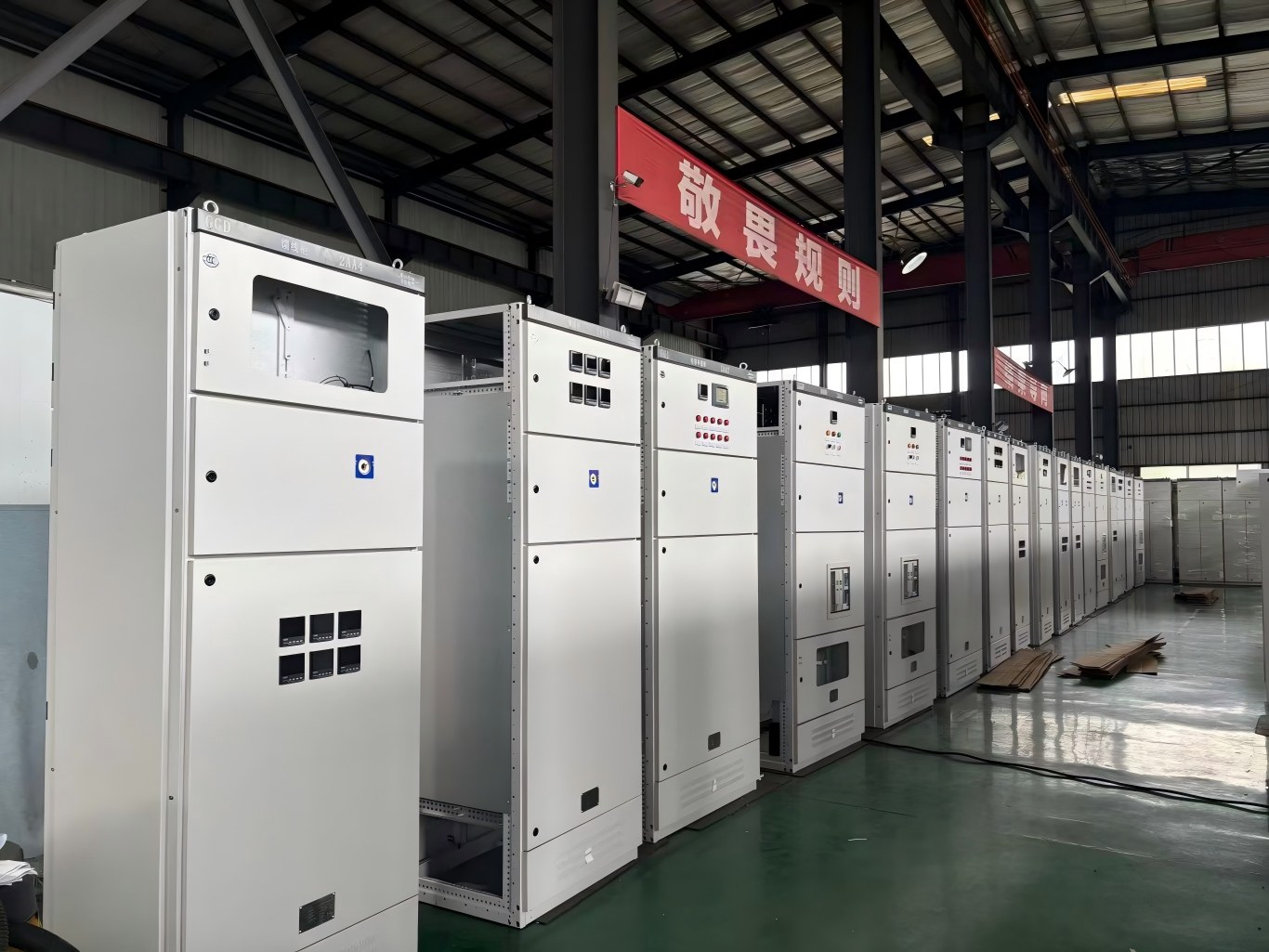
GGD low voltage switchgear is a high-performance electrical distribution solution designed for power systems. You can find this low voltage switchgear in distribution rooms, prefabricated substations, substations, power plants, and various industrial and mining facilities.
So, what exactly is GGD low voltage switchgear, and what makes it suitable for modern power distribution systems? Let’s take a closer look.
What Is GGD Low Voltage Switchgear?
GGD low voltage switchgear, also known as GGD AC low voltage distribution switchgear, was developed based on the common requirements of energy authorities, power users, and electrical design organizations. Its design follows four key principles: safety, economy, rationality, and reliability.
As a type of low voltage switchgear, GGD switchgear provides a practical solution for low voltage power distribution while supporting safe operation and convenient maintenance.
Advantages of GGD Low Voltage Switchgear
GGD low voltage switchgear offers several key advantages:
- High breaking capacity
- Excellent dynamic and thermal stability
- Flexible electrical configuration options
- Convenient combination and assembly
- Strong series compatibility and practical application
- High degree of protection
As an upgraded option for low voltage switchgear assemblies, GGD switchgear can improve the efficiency of power distribution systems while also enhancing operational safety and maintenance convenience. As a result, it has become an important component of modern power distribution systems.
Structural Features of GGD Low Voltage Switchgear
1. Standardized Cabinet Design
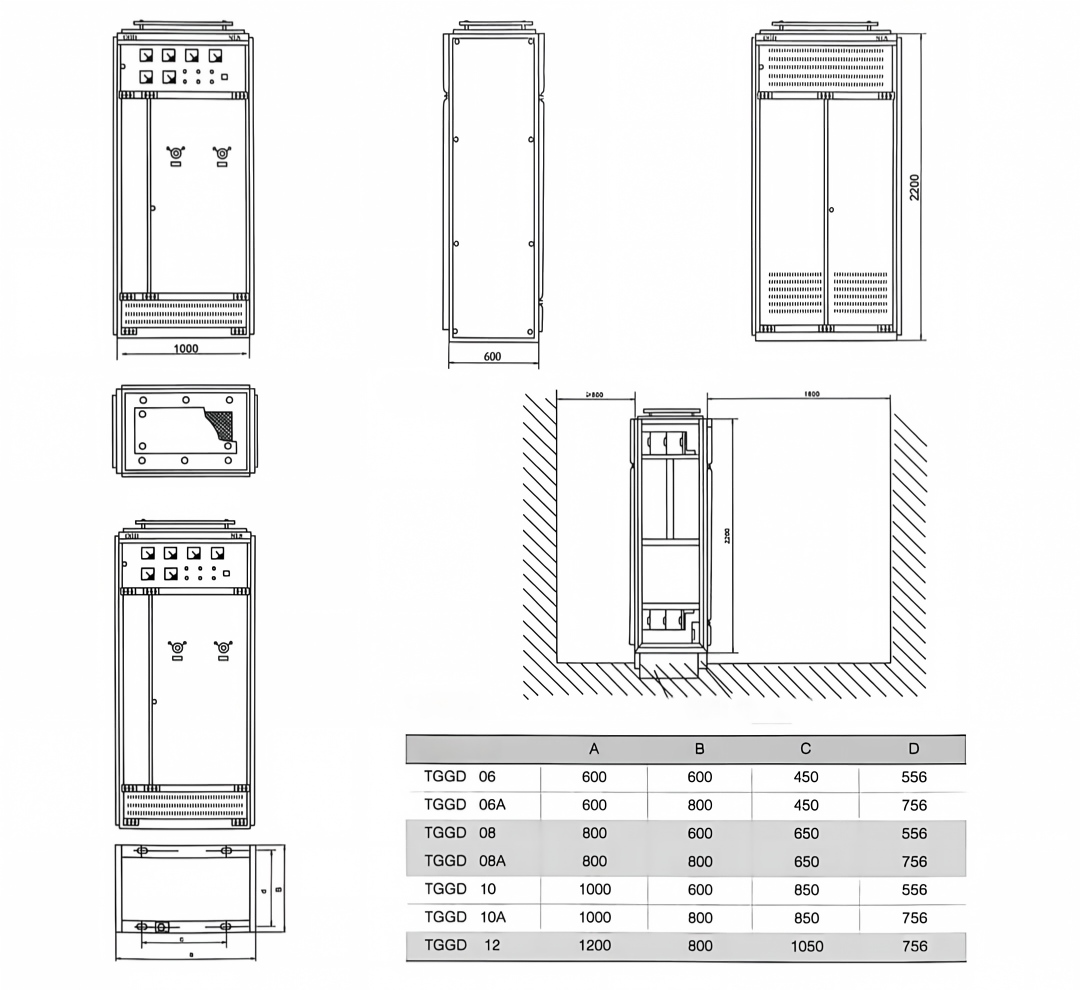
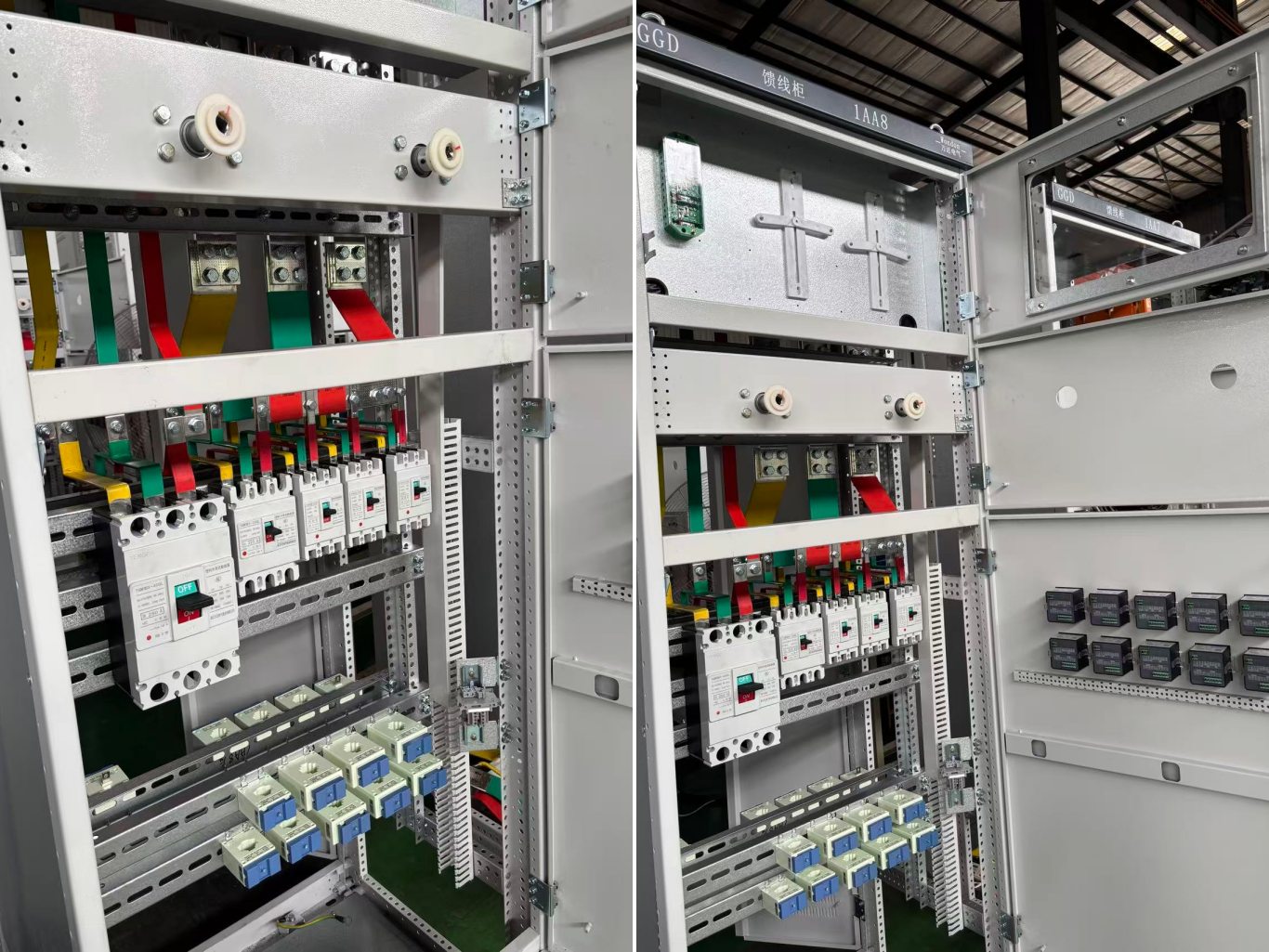
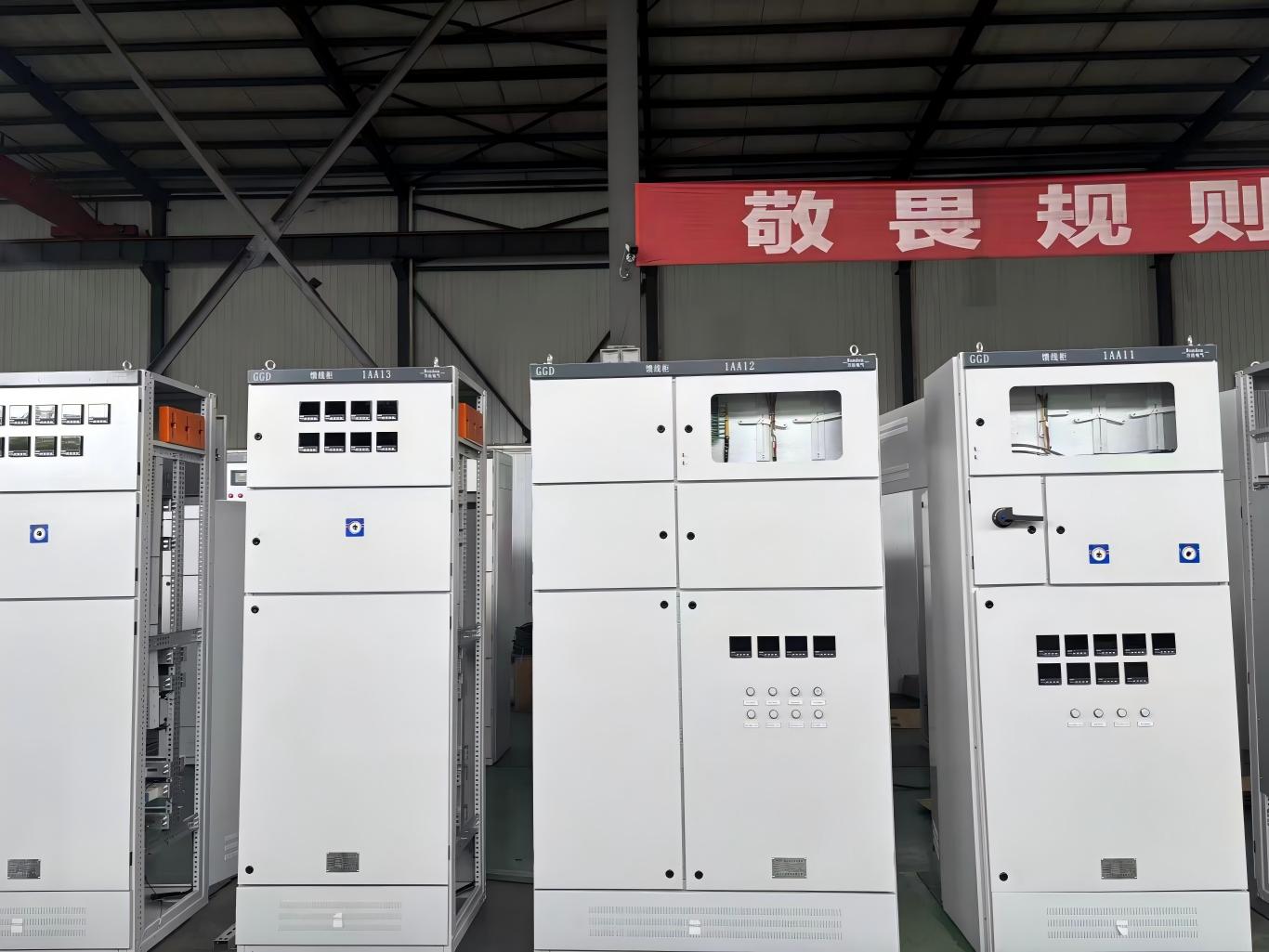
GGD AC low voltage distribution switchgear features a standardized cabinet design. It uses 8MF cold-formed steel profiles and applies local welding technology to form a strong and rigid frame.
The cabinet also features standardized mounting holes based on a 20 mm module, which provides a high degree of interchangeability and versatility during installation and component arrangement.
2. Efficient Natural Ventilation and Heat Dissipation
GGD switchgear uses a natural convection cooling system to improve heat dissipation. The upper and lower sections of the cabinet feature ventilation slots with different quantities and arrangements.
As electrical components generate heat during operation, the hot air rises and exits through the upper ventilation slots. At the same time, cooler outside air continuously enters through the lower slots. This creates a natural airflow path from the bottom to the top, helping dissipate heat effectively.
3. Removable Top Cover and Lifting Rings
To make main busbar installation and adjustment easier on site, the top cover of the GGD cabinet features a removable design.
In addition, lifting rings are installed at the four corners of the cabinet roof. This design makes lifting, handling, and transportation more convenient.
4. Flexible Protection Rating
The standard protection rating of the GGD cabinet reaches IP30. To meet the requirements of different installation environments, you can also select protection levels ranging from IP20 to IP40, providing greater flexibility and adaptability.
Operating Conditions for GGD Low Voltage Switchgear
To ensure reliable operation, GGD low voltage switchgear should operate under the following conditions:
1. The ambient temperature should not exceed +40℃ or fall below -5℃. The average temperature over a 24-hour period should not exceed +35℃.
2. The equipment should be installed and operated indoors, and the installation site should not exceed an altitude of 2,000 m above sea level.
3. When the maximum ambient temperature reaches +40℃, the relative humidity should not exceed 50%. At lower temperatures, higher relative humidity is acceptable. For example, the relative humidity can reach 90% at +20℃. You should also consider occasional condensation caused by temperature changes to reduce the potential impact of moisture on electrical components.
4. The installation site should have a tilt of no more than 5° from the vertical plane.
5. The equipment should be installed in a location free from severe vibration, mechanical shock, and corrosive conditions.
Main Technical Parameters of GGD Low Voltage Switchgear
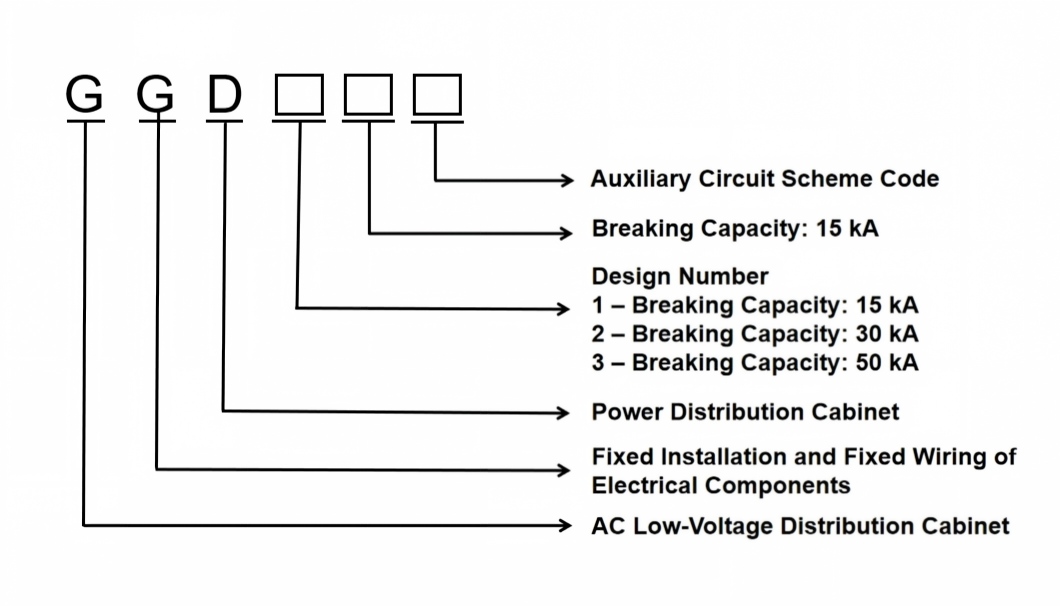
| Model | Rated Voltage (V) | Rated Current (A) | Rated Short-Circuit Breaking Current (kA) | Rated Short-Time Withstand Current (kA) | Rated Peak Withstand Current (kA) | Enclosure Protection Rating | |
| GGD1 | 380 | A | 1000 | 15 | 15 | 30 | IP30 |
| B | 600(630) | ||||||
| C | 400 | ||||||
| GGD2 | 380 | A | 1500(1600) | 30 | 30 | 63 | |
| B | 1000 | ||||||
| C | |||||||
| GGD3 | 380 | A | 3150 | 50 | 50 | 105 | |
| B | 2500 | ||||||
| C | 2000 | ||||||
How to Maintain GGD Low Voltage Switchgear
Regular maintenance helps keep your GGD switchgear operating safely and reliably. The main maintenance tasks include the following:
1. Comprehensive Inspection
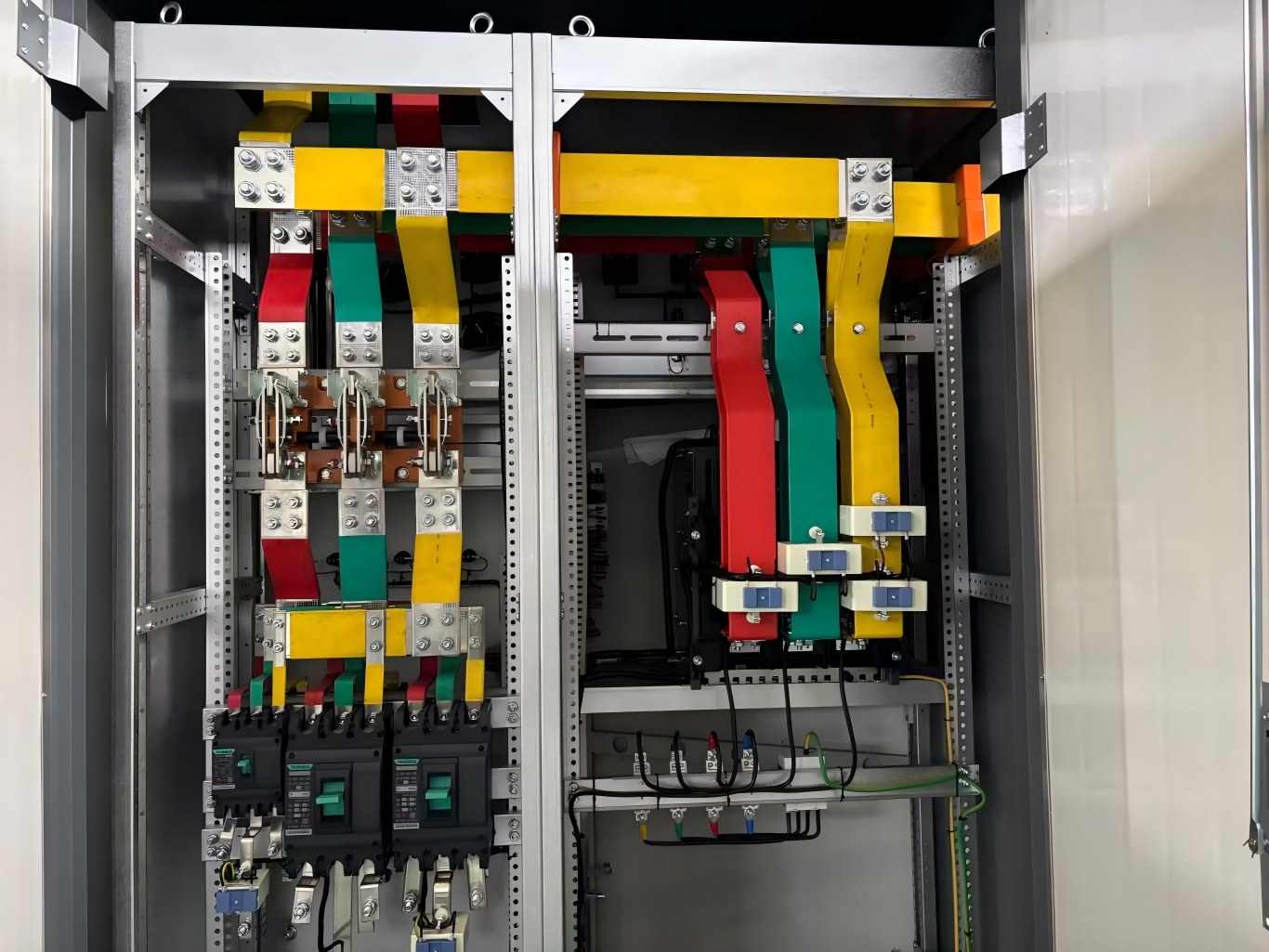
Conduct a thorough inspection of the GGD switchgear to ensure that all components operate normally and that no obvious abnormalities exist.
2. Cleaning and Maintenance
Clean both the interior and exterior of the switchgear thoroughly. Removing accumulated dust and dirt helps reduce the risk of short circuits, overheating, and other operating problems.
3. Performance Testing
Test the main performance characteristics of the GGD switchgear to verify that the equipment meets applicable safety and operating requirements.
4. Fault Diagnosis
Use professional testing and diagnostic equipment to identify potential faults in the switchgear. Timely diagnosis allows you to locate problems and take corrective action before they affect normal operation.
5. Component Replacement
Replace aged, damaged, or malfunctioning components when necessary. This helps maintain the performance, reliability, and safety of the GGD switchgear.
6. System Upgrades
As your power distribution requirements develop, consider appropriate system upgrades to improve the performance and functionality of the GGD switchgear.
FAQs
1. What is GGD low voltage switchgear?
GGD low voltage switchgear is a type of AC low voltage distribution switchgear designed for power distribution and control in electrical systems. It is commonly used in distribution rooms, substations, prefabricated substations, power plants, and industrial and mining facilities. GGD switchgear focuses on safety, reliability, flexible electrical configuration, convenient maintenance, and efficient heat dissipation.
2. What are the main advantages of GGD switchgear?
The main advantages of GGD switchgear include high breaking capacity, excellent dynamic and thermal stability, flexible electrical configurations, convenient assembly, strong practicality, and a high degree of protection. These features make GGD low voltage switchgear suitable for a wide range of low voltage power distribution applications.
3. Where is GGD low voltage switchgear used?
GGD low voltage switchgear is widely used in power distribution rooms, substations, prefabricated substations, power plants, industrial facilities, and mining operations. When selecting GGD switchgear for a project, you should consider factors such as the electrical load, installation environment, protection requirements, and required configuration.
4. What are the standard operating conditions for GGD switchgear?
GGD switchgear is generally designed for indoor installation. The ambient temperature should range from -5℃ to +40℃, with a 24-hour average temperature not exceeding +35℃. The installation altitude should not exceed 2,000 m, while relative humidity should meet the specified environmental requirements. The installation site should also be free from severe vibration, mechanical shock, and corrosive conditions.
5. How do you maintain GGD low voltage switchgear?
Regular maintenance of GGD low voltage switchgear should include comprehensive inspections, internal and external cleaning, performance testing, fault diagnosis, component replacement, and system upgrades when required. For long-term reliable operation, you should inspect electrical components and ventilation paths regularly and address abnormal conditions as early as possible.
Conclusion
GGD low voltage switchgear provides a practical solution for low voltage power distribution, combining high breaking capacity, reliable performance, flexible electrical configurations, efficient natural ventilation, and convenient maintenance. Its standardized structure and flexible protection options also allow it to adapt to different power distribution environments.
If you are selecting GGD switchgear for a new power distribution project, upgrading an existing system, or looking for a customized low voltage switchgear solution, choosing the right configuration is essential. Consider your electrical requirements, installation environment, protection level, and maintenance needs before making a decision.
Looking for the right GGD low voltage switchgear for your project? Contact our team to discuss your technical requirements, configuration options, and project needs. We can help you evaluate a suitable GGD low voltage switchgear solution and provide the technical information you need for your project.