

An electric resistance furnace temperature control cabinet is a key electrical control device for industrial resistance furnaces. It mainly controls heating power, monitors furnace temperature, regulates heating output, and helps ensure safe equipment operation.
For industrial heat treatment, ceramic sintering, metal processing, laboratory equipment, and other applications that require precise temperature control, the design of the temperature control cabinet directly affects furnace temperature stability, energy efficiency, and operational safety.
So, how much do you know about an electric resistance furnace temperature control cabinet? In this guide, we will walk you through its structure, working principle, performance requirements, and testing procedures.
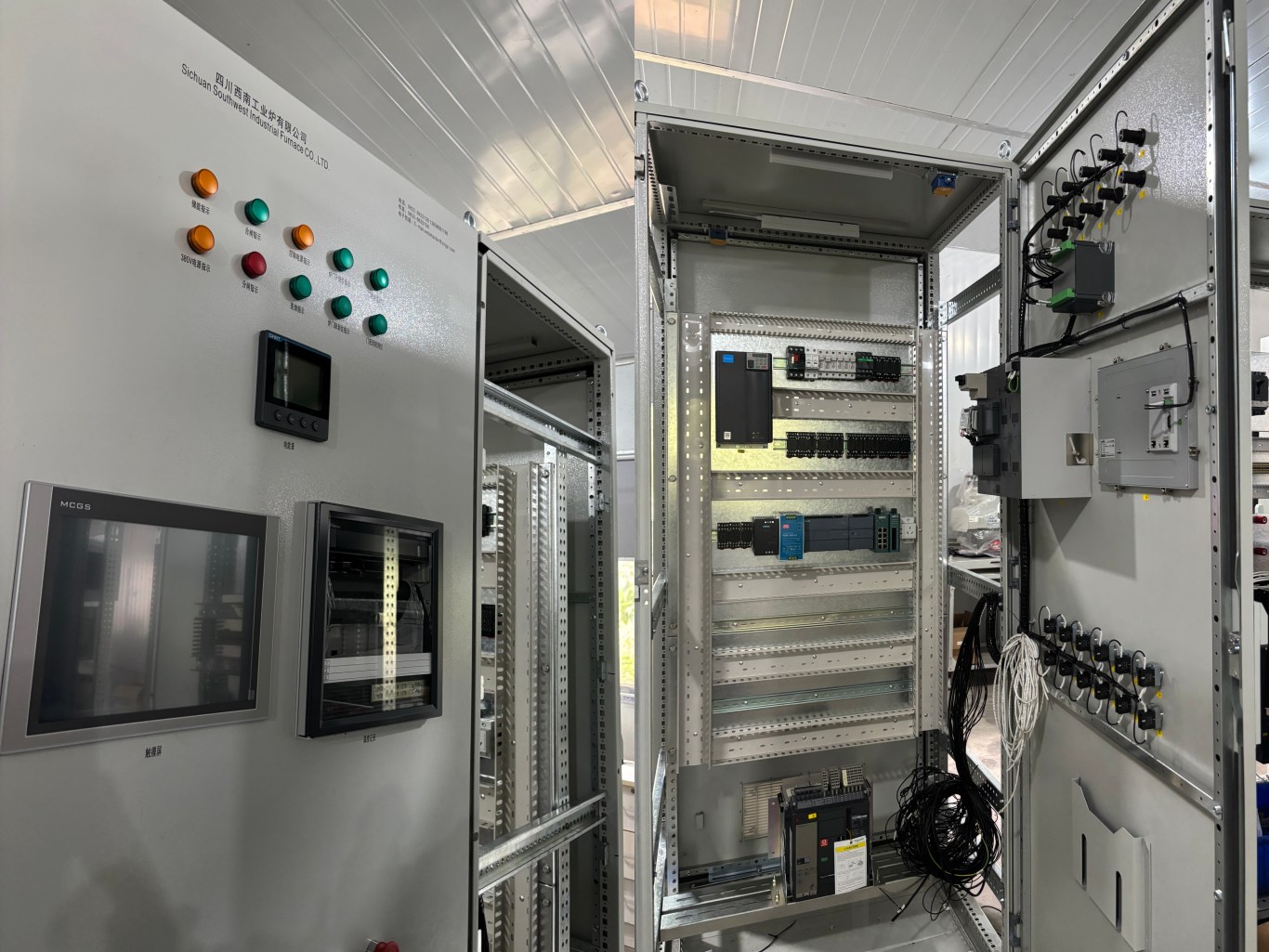
What Is an Electric Resistance Furnace Temperature Control Cabinet?
An electric resistance furnace temperature control cabinet is an electrical control cabinet designed to control the heating power and furnace temperature of an electric resistance furnace.
It uses temperature sensors to detect the actual furnace temperature continuously. The temperature controller then calculates the difference between the setpoint and the actual temperature and sends a control signal to the power regulator. The regulator automatically adjusts the electrical power supplied to the heating elements.
Through this closed-loop control process, the temperature control cabinet continuously responds to changes in furnace temperature and adjusts the heating power accordingly. As a result, it keeps the furnace temperature within the required range.
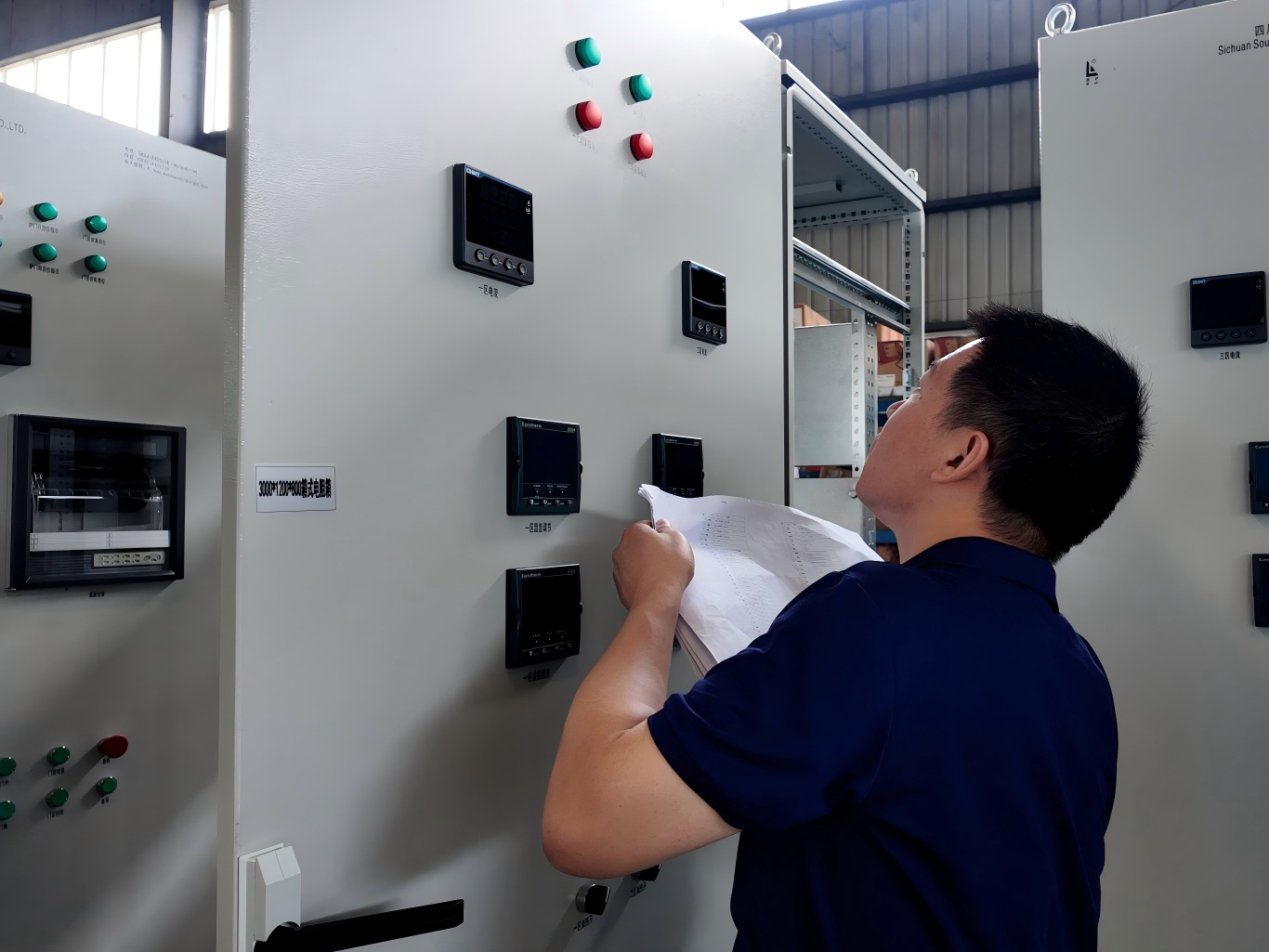
How Does an Electric Resistance Furnace Temperature Control Cabinet Work?
An electric resistance furnace temperature control cabinet uses a closed-loop temperature control system.
Step 1: Set the Target Temperature
You can use the temperature controller or HMI to set the required furnace temperature.
For example, you can set the target temperature to 800°C.
Step 2: Detect the Actual Temperature
A thermocouple installed inside the furnace continuously measures the actual temperature and sends the temperature signal to the temperature controller.
Step 3: Calculate the Temperature Deviation
The PID controller compares the actual furnace temperature with the set temperature.
If the actual temperature remains significantly below the setpoint, the controller increases the heating output.
As the actual temperature approaches the setpoint, the controller reduces the heating power.
Step 4: Adjust the SCR Output
The PID controller sends a control signal to the SCR power regulator.
The SCR then adjusts the electrical power supplied to the heating elements according to the control signal.
Step 5: Maintain Stable Temperature Control
The temperature sensor continuously provides updated temperature data, while the PID controller continuously adjusts the heating output.
Through this real-time feedback process, the temperature control cabinet can keep the furnace temperature close to the target value.
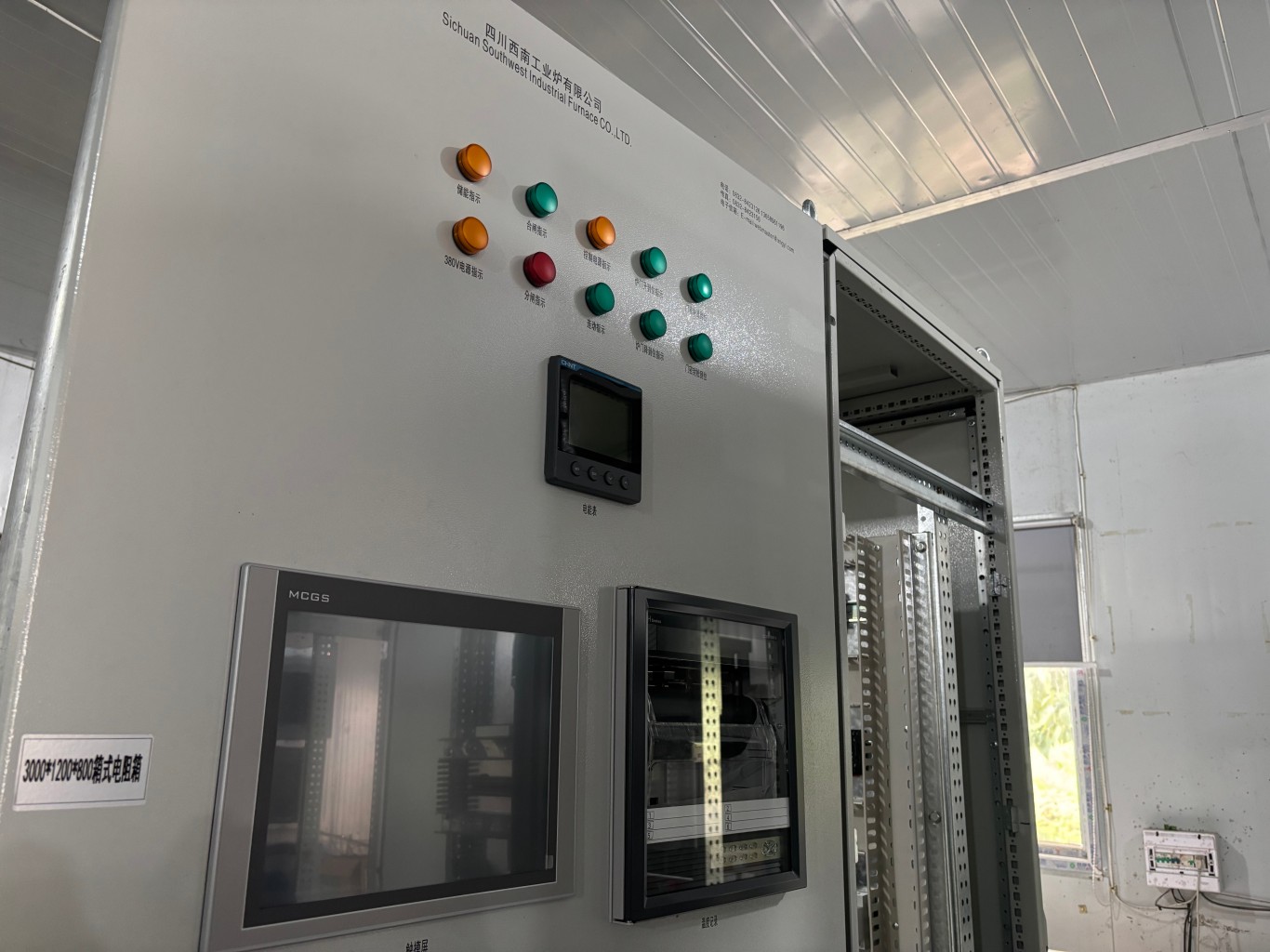
Performance of an Electric Resistance Furnace Temperature Control Cabinet
1. Dielectric Strength
Different live parts inside the temperature control cabinet, as well as the live parts and the grounded metal enclosure, should withstand the corresponding dielectric test voltage specified according to their rated operating voltage.
| Rated Insulation Voltage Ui (V) | Dielectric Test Voltage (V) |
|---|---|
| Ui ≤ 60 | 500 |
| 60 < Ui ≤ 125 | 1,000 |
| 125 < Ui ≤ 250 | 1,500 |
| 250 < Ui ≤ 500 | 2,000 |
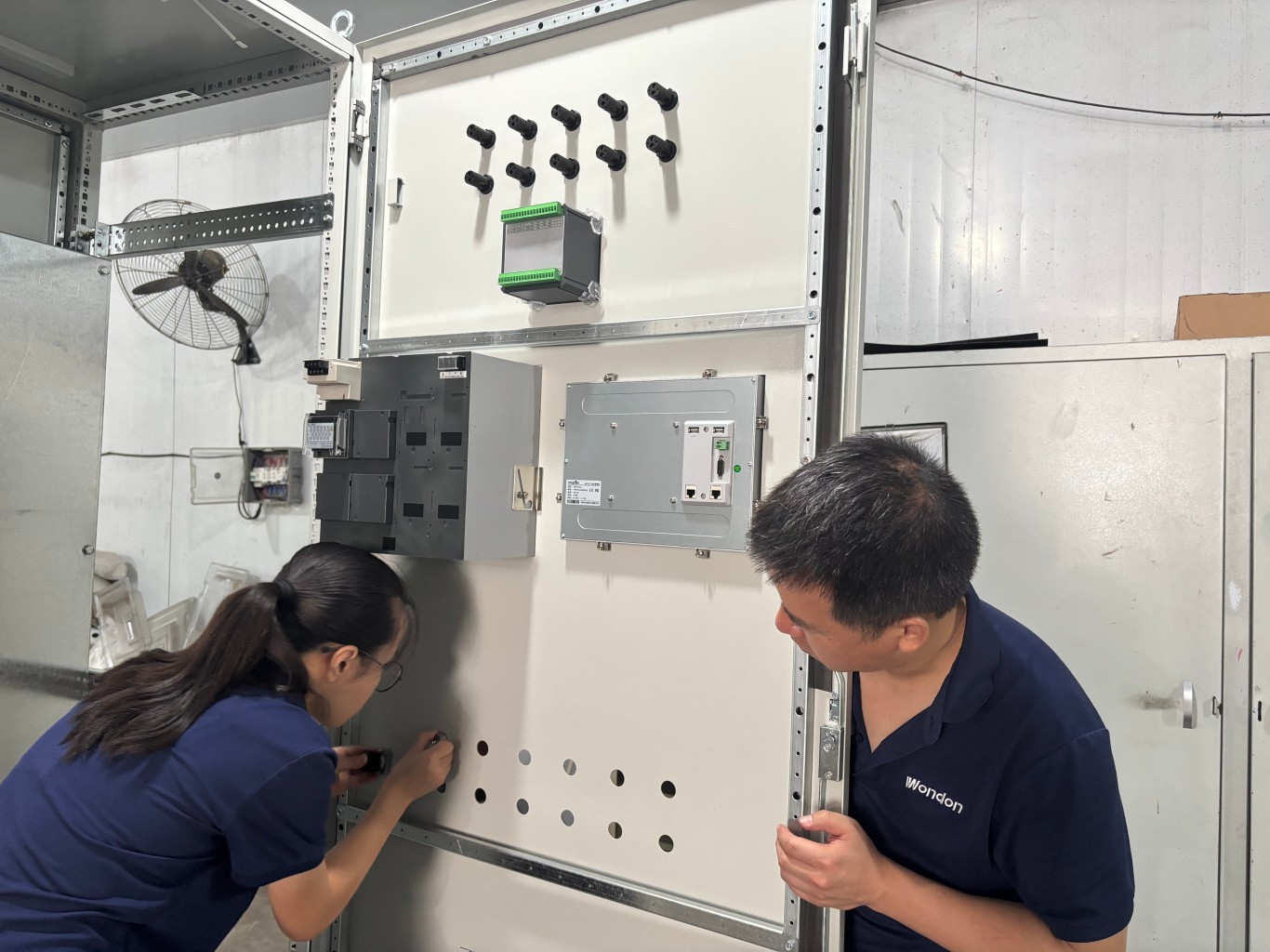
2. Temperature Rise
The temperature-rise limits for connections between live parts, electrical components, and the metal enclosure inside the temperature control cabinet should comply with the following requirements.
| Component | Temperature Rise (K) | |
| Connection terminals for externally insulated conductors | 70 | |
| Copper busbar joints | Contact surfaces without anti-corrosion coating | 45 |
| Tin-plated contact surfaces | 55 | |
| Silver-plated or nickel-plated contact surfaces | 70 | |
| Aluminum busbar joints | 55 | |
| Operating handle | Metal | 15 |
| Insulated | 25 | |
| Accessible enclosure surface | Metal surface | 30 |
| Insulated surface | 40 | |
| Thyristor surface | 45 | |
| Electrical components | According to the applicable component standard | |
3. Main Circuit Waveform Requirements
For KRG series temperature control cabinets used with resistive loads, the main-circuit voltage waveform should have no obvious notches.
For KRG series temperature control cabinets used with inductive loads, the voltage waveform may have notches of no more than 10%. When the main circuit switches on, the current waveform should show no obvious current surge.
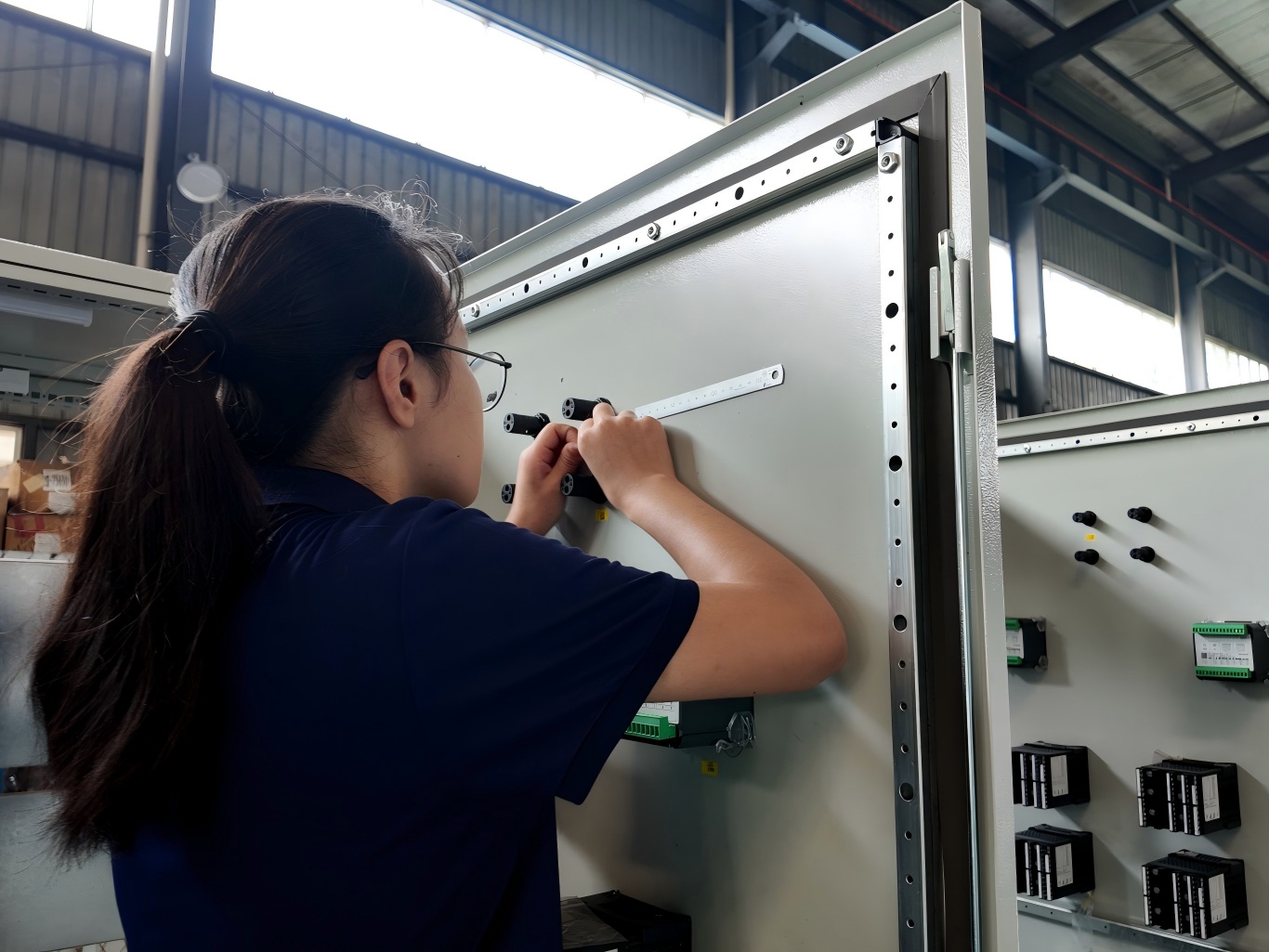
4. Protection System Performance
Overcurrent Protection
KRG and KRY series temperature control cabinets should include overcurrent protection. When necessary, KRC series temperature control cabinets can also include overcurrent protection.
The overcurrent setting value for KRG and KRY series temperature control cabinets should meet the design requirements.
Short-Circuit Protection
The temperature control cabinet should include short-circuit protection so that it can quickly disconnect the circuit when a short circuit occurs, helping protect personnel and equipment.
You can achieve short-circuit protection through an air circuit breaker or through the short-circuit detection, power-off, and alarm functions integrated into the power regulator.
Overvoltage Protection
KRG and KRY series temperature control cabinets should include overvoltage protection. The overvoltage setting should meet the design requirements.
Anti-Interference Performance
The design of KRD, KRG, and KRY series temperature control cabinets should ensure resistance to power-grid interference, electromagnetic-field interference, and interference between multiple units during normal operation.
For temperature control cabinets equipped with microprocessors, their resistance to series-mode interference and common-mode interference should comply with the applicable standards.
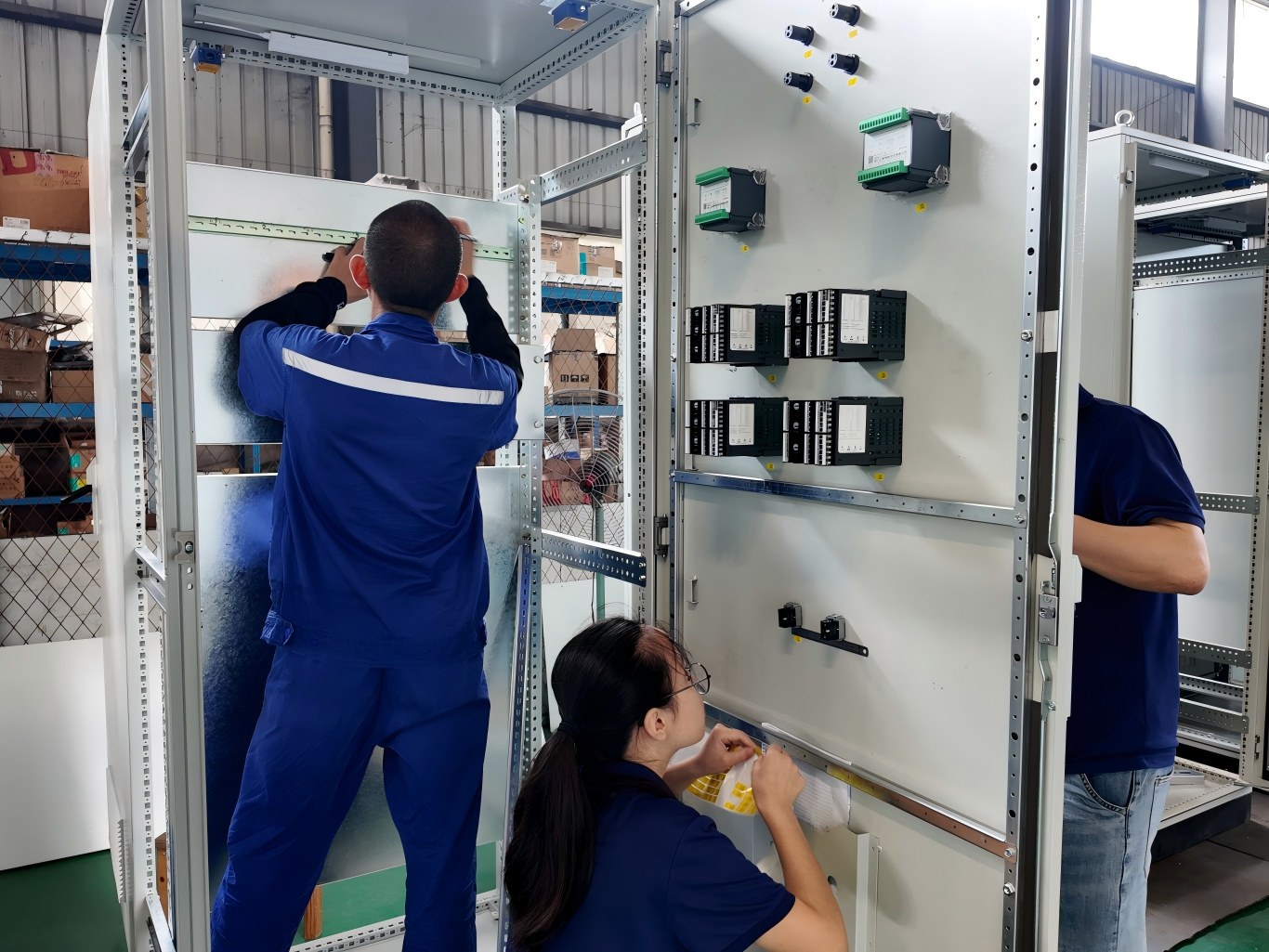
Factory Inspection and Type Testing of an Electric Resistance Furnace Temperature Control Cabinet
Factory Inspection
Factory inspection of the temperature control cabinet should include the following items:
- General inspection
- Insulation resistance measurement
- Dielectric strength test
- Power-on test
- Output voltage adjustment test, applicable to KRC and KRY series
- Overcurrent protection inspection, applicable to KRC, KRG, and KRY series
- Inspection of supporting components, including model, specifications, and certificates of conformity
- Inspection of the scope of supply, including the completeness of technical documentation
- Packaging inspection
Type Testing
Type testing of the temperature control cabinet should include all factory inspection items, as well as:
- Power regulation test
- Temperature-rise measurement
- Protection system inspection
- Temperature control accuracy measurement
- Main circuit waveform inspection, applicable to KRG series
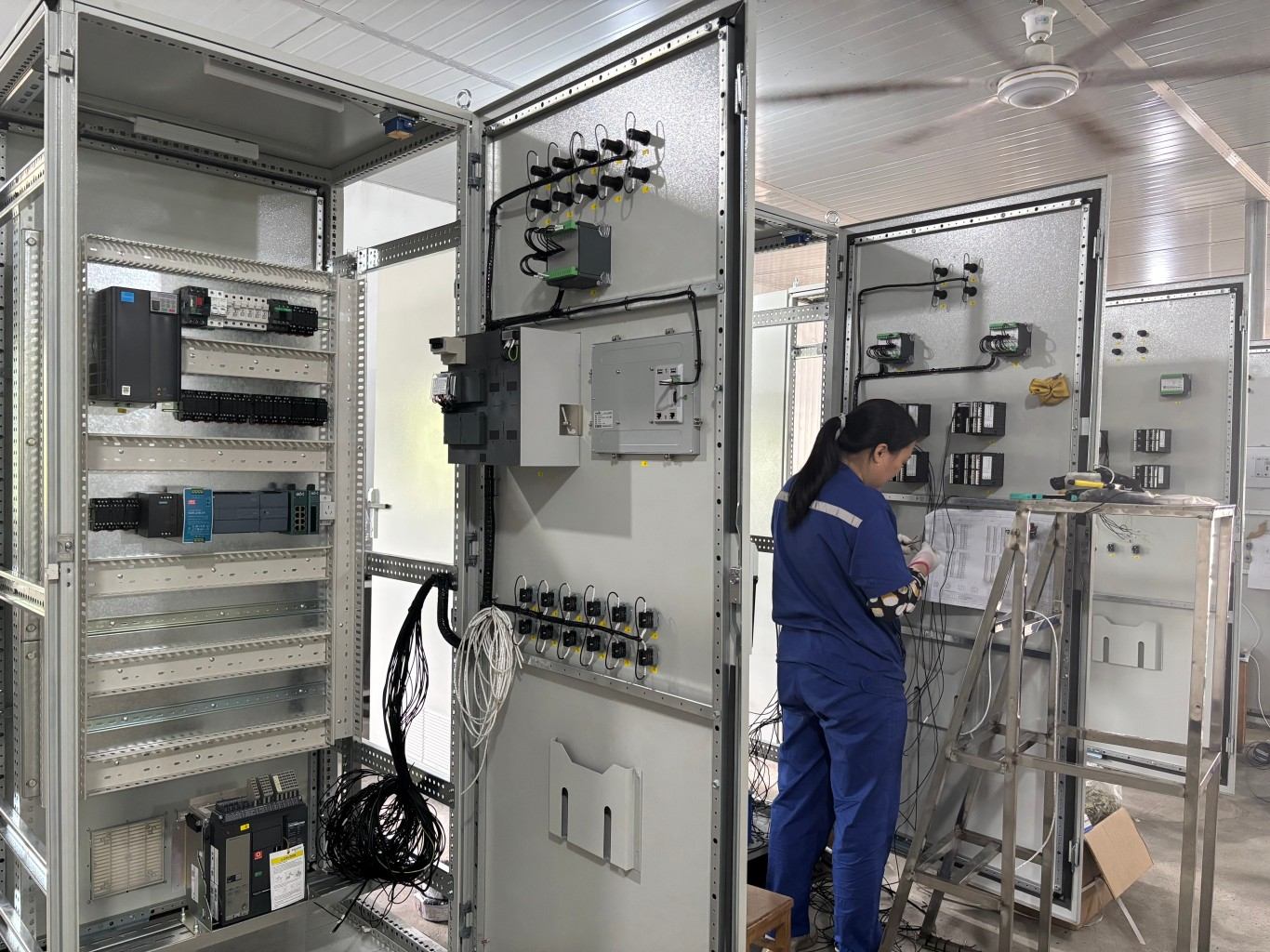
FAQs
1. What is a temperature control cabinet?
An electric resistance furnace temperature control cabinet controls heating power and furnace temperature through temperature sensors, PID controllers, and power regulators.
2. How does a temperature control cabinet control furnace temperature?
A temperature control cabinet uses closed-loop PID control. It compares the actual furnace temperature with the setpoint and automatically adjusts the heating power through an SCR power regulator.
3. What are the main components of a temperature control cabinet?
The main components include a low-voltage circuit breaker, fast-acting fuse, AC contactor, SCR power regulator, PID temperature controller, temperature sensors, signal isolators, current transformers, and monitoring meters.
4. What protection functions should a temperature control cabinet have?
A reliable temperature control cabinet should provide overcurrent, short-circuit, and overvoltage protection. It should also provide adequate resistance to power-grid and electromagnetic interference.
5. How is a temperature control cabinet tested?
Factory testing typically includes general inspection, insulation resistance measurement, dielectric strength testing, power-on testing, protection checks, output adjustment testing, and packaging inspection. Type testing can also include power regulation, temperature rise, protection, temperature control accuracy, and waveform tests.
Conclusion
An electric resistance furnace temperature control cabinet plays a critical role in maintaining precise, stable, and safe furnace operation. By integrating temperature sensors, PID controllers, SCR power regulators, protection devices, and monitoring components, the cabinet can continuously adjust heating power according to real-time temperature changes. Proper cabinet design, component selection, and factory testing are therefore essential for industrial heat treatment, ceramic sintering, metal processing, and other high-temperature applications.
If you are looking for a reliable temperature control cabinet for your resistance furnace, contact our technical team to discuss your furnace capacity, heating requirements, control accuracy, and customized cabinet solution.