
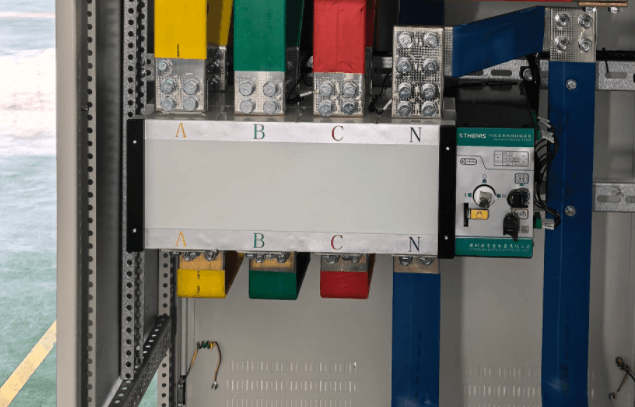
An automatic transfer switch (ATS) is, simply put, a specialized electrical device designed for switching between dual power sources. Under normal operating conditions, it draws power from the primary source while simultaneously monitoring the circuit status in real time. Should the primary power supply fail—whether due to an outage, voltage instability, or other supply issues—the ATS automatically detects the fault without requiring manual intervention; it promptly disconnects the faulty source and seamlessly switches over to the backup power supply. Ensuring a continuous power supply to connected equipment in this manner, it minimizes the disruptive impact of power outages and is widely utilized to safeguard the continuous and stable operation of critical systems.
FAQs

1. What is an automatic transfer switch (ATS) in simple terms?

It is a device that automatically switches power between a main source and a backup source. In Wondon projects, it is used to keep systems running without manual switching during power issues.

2. How does an ATS respond when the main power fails?

It detects the fault and quickly disconnects the main source, then switches to backup power. Wondon designs focus on fast and stable transfer to avoid any interruption.

3. Does an ATS require manual operation during a power outage?

No, it works automatically once a fault is detected in the main supply. Wondon often highlights this as the key advantage for critical power systems.

4. Where is an ATS usually applied in real projects?

It is commonly used in hospitals, factories, data centers, and other critical facilities. Wondon sees ATS as essential wherever continuous power is required.

5. How do I choose the right ATS for my project?

It depends on load size, switching speed needs, and system configuration. Wondon typically evaluates the full power architecture before recommending the right solution.

ATS application inside power distribution cabinet