
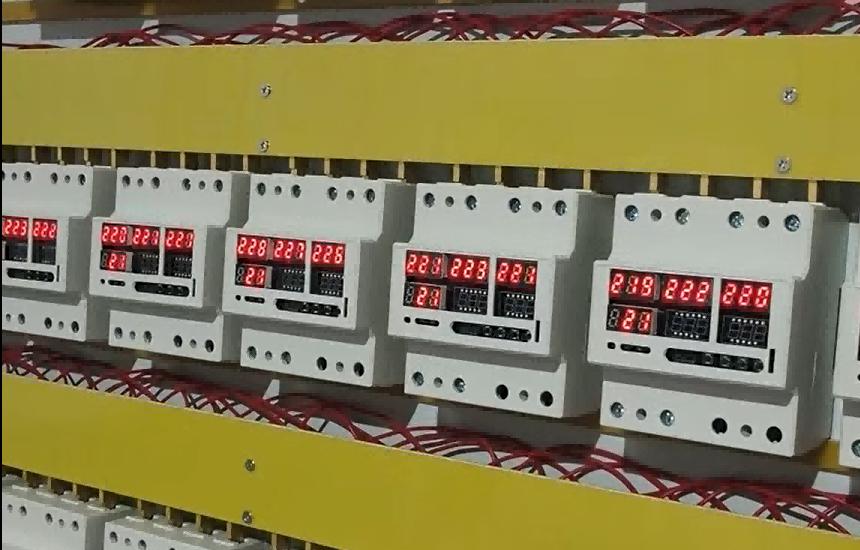
A voltage and current protector is a commonly used safety device within power distribution systems. It continuously monitors real-time fluctuations in line voltage and current, keeping a constant watch over operational conditions. Should the circuit encounter anomalies—such as overvoltage, undervoltage, or overcurrent—the device immediately activates to automatically disconnect the power supply.

This effectively prevents electrical equipment from being damaged by voltage or current irregularities, averts issues such as circuit overload and component burnout, and minimizes both operational faults and safety hazards. Characterized by its simple structure and reliable performance, it is widely deployed in factories, commercial buildings, and various power distribution environments to provide essential protection for circuits and equipment.
FAQs

1. What is a voltage and current protector used for?

It protects electrical equipment from abnormal voltage or excessive current. In Wondon systems, it acts as a basic safeguard for stable power operation.

2. How does a voltage and current protector work?

It continuously monitors voltage and current levels and disconnects the circuit when values exceed safe limits. Wondon applies it to prevent damage caused by electrical faults.

3. What types of faults can it protect against?

Overvoltage, undervoltage, overload, and overcurrent conditions. Wondon recommends it for protecting sensitive industrial and commercial equipment.

4. Where is it usually installed?

It is installed in distribution panels, control cabinets, and power supply lines. Wondon integrates it close to critical loads for fast response protection.

5. Why is it important in power systems?

Because it reduces equipment failure risk and improves system stability. Wondon uses it as a key protective component in electrical distribution solutions.

Voltage and current protector under test