
A power control panel is a centralized electrical enclosure used to manage, control, and distribute electrical power. It allows operators to control the direction of current, coordinate equipment operation, and maintain power stability under different loads from the same location.

In industrial plants, commercial buildings, and infrastructure projects, power control panels are very common. Compared to operating each device individually, it centralizes the management of multiple electrical circuits, improving efficiency and ensuring system stability.

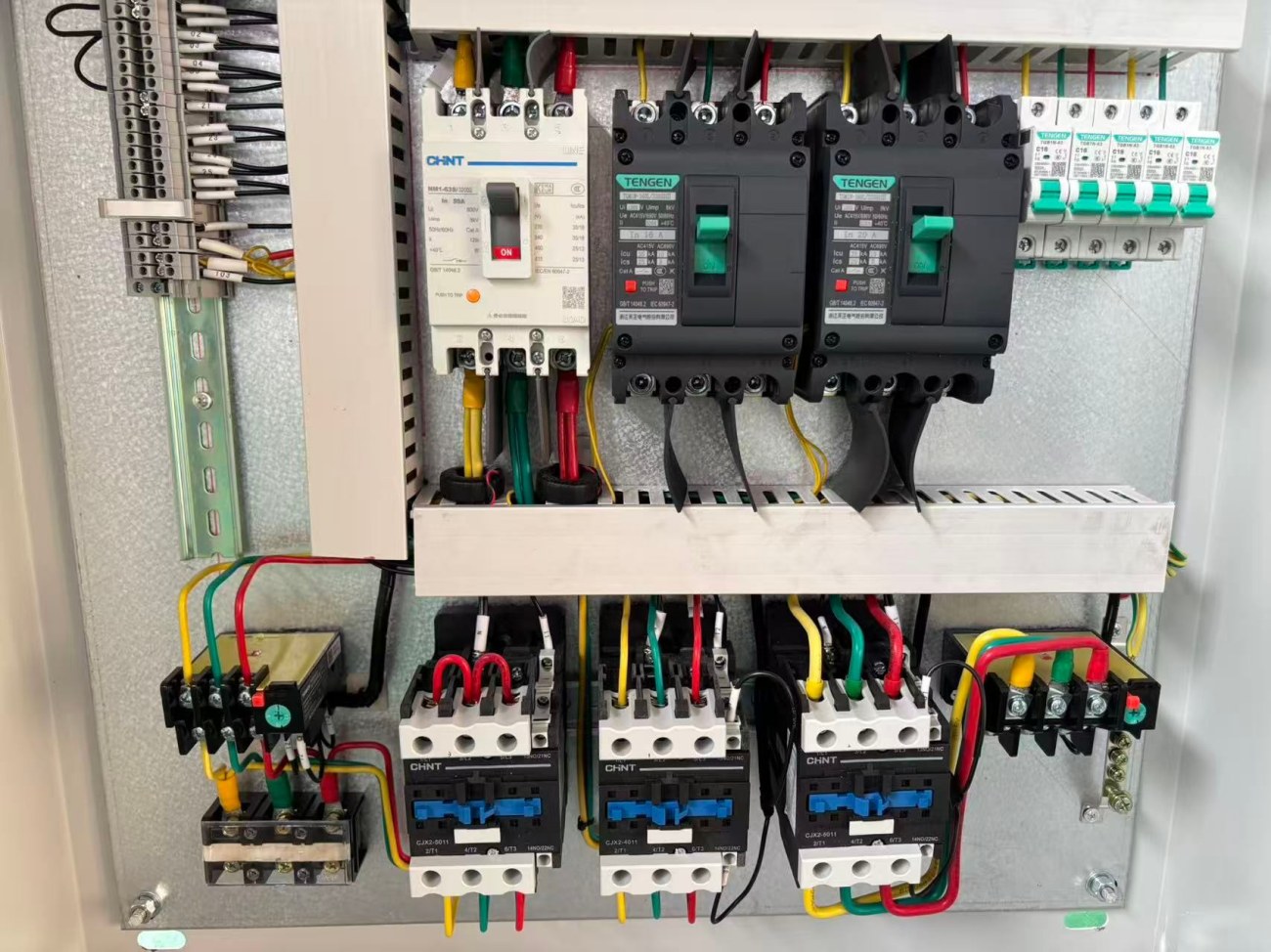
The power control panel acts as a unified interface between the main power source and various electrical devices, distributing electrical energy to different loads while controlling the operation mode and timing of each circuit. Through reasonable circuit grouping and clear layout, maintenance personnel can quickly identify and manage each circuit, making inspection and repair more convenient.
FAQs

1. What does a power control panel actually do?

It centralizes power distribution and equipment control in one place. Wondon designs panels that help operators manage electrical systems more efficiently and safely.

2. Why do industrial projects use power control panels instead of separate controls?

Centralized control improves coordination, reduces operating complexity, and makes system management easier. Wondon helps simplify complex power systems for daily operation.

3. Can a power control panel manage multiple electrical loads at the same time?

Yes. It distributes power to different circuits and controls each load independently. Wondon designs layouts that keep power flow organized and stable.

4. How does a good panel design help with maintenance?

Clear circuit grouping and organized wiring make troubleshooting much faster. Wondon focuses on practical layouts that support easier inspection and repair.

5. If my project has unique operating requirements, can Wondon provide support?

Yes. Wondon can customize power control panel solutions based on your load conditions, control requirements, and installation environment.

Inside the power control panel