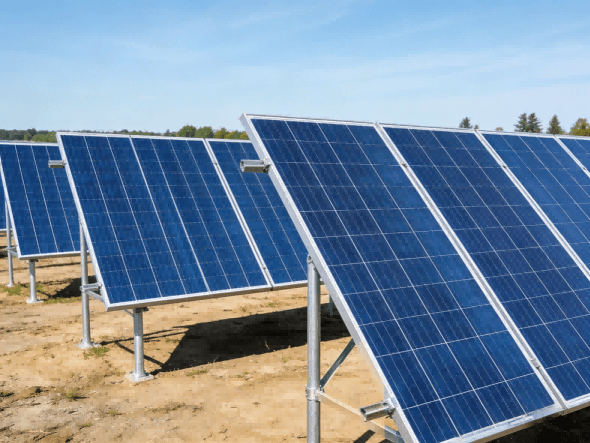

A photovoltaic panel—often referred to as a solar panel—is a practical device capable of absorbing sunlight and directly converting light energy into electrical energy. It serves as the fundamental building block of any photovoltaic power generation system; featuring a flat, panel-like structure composed of multiple interconnected solar cells, it is characterized by a simple yet durable design. Its function is singular and clearly defined: to capture sunlight and facilitate the direct conversion of light into electricity—a process that requires neither fuel combustion nor mechanical motion, and necessitates no additional auxiliary equipment. With a large surface area optimized for light capture, the panel is designed to directly receive outdoor sunlight and ambient natural light, generating electricity solely through its inherent photoelectric properties. As a standard component in clean energy generation, it constitutes an indispensable foundational device within the realm of solar power applications.
FAQs
1. What is a photovoltaic panel in simple terms?
It is a device that converts sunlight directly into electricity. If you are evaluating a solar project, this is usually the first component you start with—Wondon treats it as the base of system planning.
2. How does a photovoltaic panel generate electricity in real conditions?
It converts sunlight into electrical energy through the photoelectric effect. For your project, if we look at your site’s sunlight conditions, Wondon can quickly help you judge whether PV is actually the right direction or not.
3. What makes PV panels different from conventional energy sources?
They generate electricity without fuel, combustion, or moving parts. If your project goal is stable long-term operation with low maintenance, Wondon often finds PV is the most straightforward option to compare.
4. How should I understand PV panels in a real project layout?
They are flat modules made of interconnected solar cells arranged in arrays. In most EPC or industrial projects, Wondon usually asks one key question first: how much usable roof or land area do you actually have?
5. Why do PV panels matter so much in system design decisions?
Because they directly determine how much energy your system can generate. Once this part is clear, Wondon can help you decide the rest of the system configuration with much more confidence and fewer design risks.