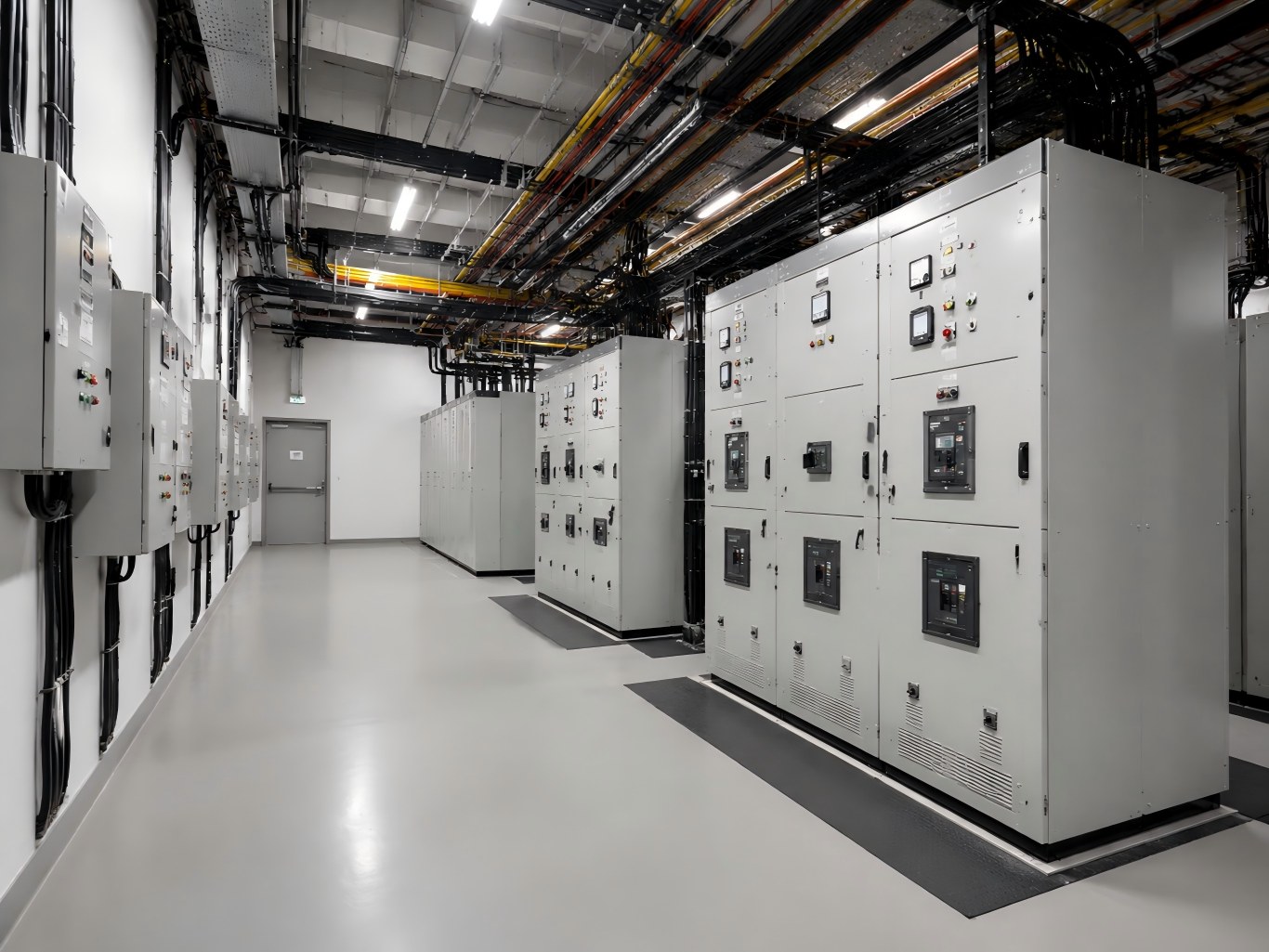

With the increasing intelligence of buildings and the growing demand for electricity, commercial and residential projects are facing more and more electrical system challenges. From increased loads to upgraded safety standards, selecting the right electrical solutions has become crucial for the successful implementation of our projects.
1. Continuously Increasing Electrical Load
Modern buildings are experiencing increased electricity demand from air conditioning systems, smart devices, and electric vehicle charging, putting greater strain on traditional power distribution systems.
Our Solution: Utilizing high-performance low voltage switchgear and optimizing the power distribution system to ensure stable operation under high loads.
2. Energy Efficiency and Energy Saving Pressures
Commercial buildings, in particular, face stricter energy efficiency requirements due to rising energy costs.
Our Solution: Implement electricity monitoring and energy consumption control through smart meters and optimized power distribution schemes.
3. Increased Safety and Compliance Requirements
Electrical faults can lead to fires or equipment damage. In the event of a fire, especially in commercial and residential settings, the risk of personal injury and fatalities is immeasurable.
Our Solution: Configure circuit breakers, voltage and current protectors, and other equipment to improve system safety.
4. Limited Installation Space
Using limited space in urban projects, especially residential projects, particularly in developed areas, every inch of space is extremely valuable.
Our solution: Utilize modular designs such as busbar trunking to improve installation flexibility and save space.
FAQs
1. What are the most common electrical problems in commercial and residential buildings?
Common electrical issues include overloaded circuits, voltage fluctuations, outdated wiring, power outages, and poor electrical maintenance. These problems can reduce system efficiency and increase safety risks in both commercial and residential buildings.
2. How can overloaded electrical circuits affect a building?
Overloaded circuits can cause overheating, breaker trips, equipment damage, and even electrical fires. Wondon recommends proper load distribution and upgraded power distribution equipment to improve system safety and stability.
3. Why is voltage fluctuation dangerous for electrical systems?
Voltage fluctuations can damage sensitive equipment, shorten appliance lifespan, and disrupt business operations. Using reliable transformers, switchgear, and voltage protection devices helps maintain stable power supply.
4. How often should building electrical systems be inspected?
Electrical systems should typically be inspected at least once a year, especially in commercial buildings with high power demand. Regular inspections help identify wiring issues, aging components, and potential safety hazards early.
5. What solutions help improve electrical safety in buildings?
Key solutions include modern switchgear, proper grounding, surge protection, circuit monitoring, and regular maintenance. Wondon provides integrated electrical solutions designed to improve safety, efficiency, and long-term reliability.
Why Choose Wondon?
With over 14 years of manufacturing experience, Wondon focuses on providing safe, efficient, and scalable electrical solutions for commercial and residential projects. Contact us today to explore electrical solutions tailored to your commercial and residential projects.