

In power system projects, choosing between a new and a refurbished power transformer is a full lifecycle engineering decision. It directly affects system reliability, maintenance cost, and long-term operational stability.
We often see procurement teams considering refurbished power transformers as a cost-saving option. However, the real question is not only price but also equipment risk, lifecycle performance, and system stability.
To help you make a more informed decision, this article provides a detailed comparison between new and refurbished power transformers.
Definition Comparison of New vs Refurbished Power Transformers
What Is a New Power Transformer?
A new power transformer is a fully manufactured unit built according to production standards. It typically includes:
- Brand-new core and windings
- Fully new insulation system
- Complete factory testing
- Designed service life of 20-30 years
The most important feature of a new power transformer is that all components are new, which provides higher operational confidence.
What Is a Refurbished Power Transformer?
A refurbished power transformer is an existing unit that has been repaired or upgraded. It typically includes:
- Replacement of insulation oil or partial insulation materials
- Winding repair or partial rewinding
- Replacement of bushings, seals, and accessories
- Limited testing based on refurbishment scope
Unlike a new unit, a refurbished power transformer retains part of its historical operating structure.
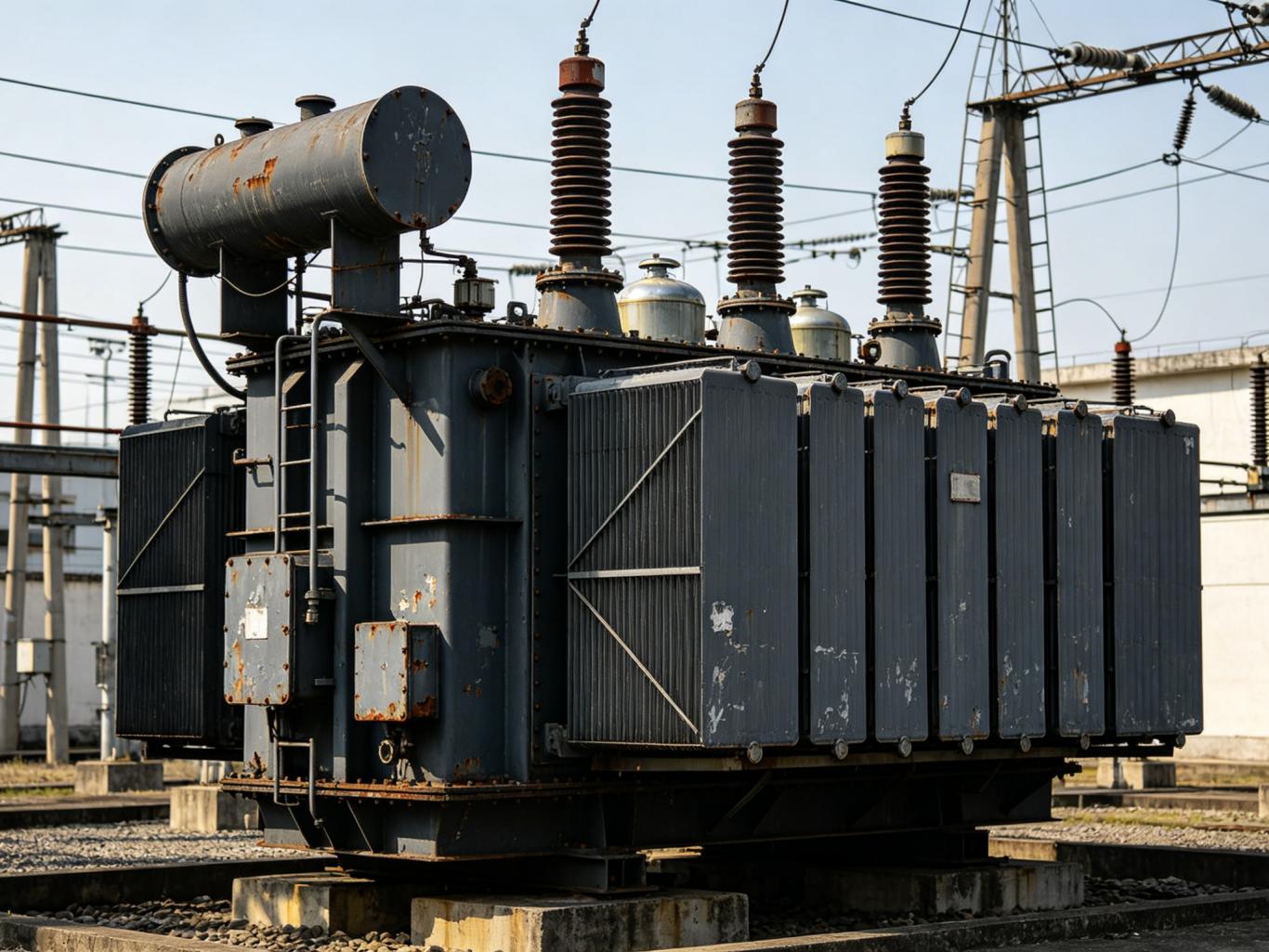
Technical Comparison: New vs Refurbished Power Transformers
| Technical Aspect | New Power Transformer | Refurbished Power Transformer |
|---|---|---|
| Insulation System | Fully new insulation, controlled quality | Partially aged or restored insulation |
| Winding Condition | New windings, consistent manufacturing | Repaired or rewound, variable quality |
| Core Losses | Optimized during manufacturing | May deviate due to aging effects |
| Load Performance | Stable under rated load | Depends on refurbishment quality |
| Thermal Behavior | Predictable hotspot performance | Less predictable heat distribution |
| Partial Discharge Risk | Very low | Higher depending on insulation recovery |
| Short-Circuit Strength | Fully tested to IEC standards | May be reduced due to aging |
| Testing Scope | Full type + routine tests | Limited or recondition-based testing |
| Service Life | 20–30 years design life | Uncertain remaining lifespan |
| Standard Compliance | Fully compliant | May vary depending on refurbishment level |
Cost Structure: New vs Refurbished Power Transformers
In transformer procurement decisions(内链至Power Transformer Procurement Guide), many buyers focus only on initial cost. However, the real cost structure is much broader.
Cost Components
- Procurement cost
- Installation and commissioning cost
- Operation and maintenance cost
- Downtime loss cost
- Replacement risk cost
| Cost Factor | New Transformer | Refurbished Transformer |
|---|---|---|
| Initial Cost | Higher | Lower |
| Installation Cost | Similar | Similar |
| Maintenance Cost | Lower | Higher |
| Downtime Risk Cost | Low | Higher |
| Total Lifecycle Cost | More predictable | Less predictable |
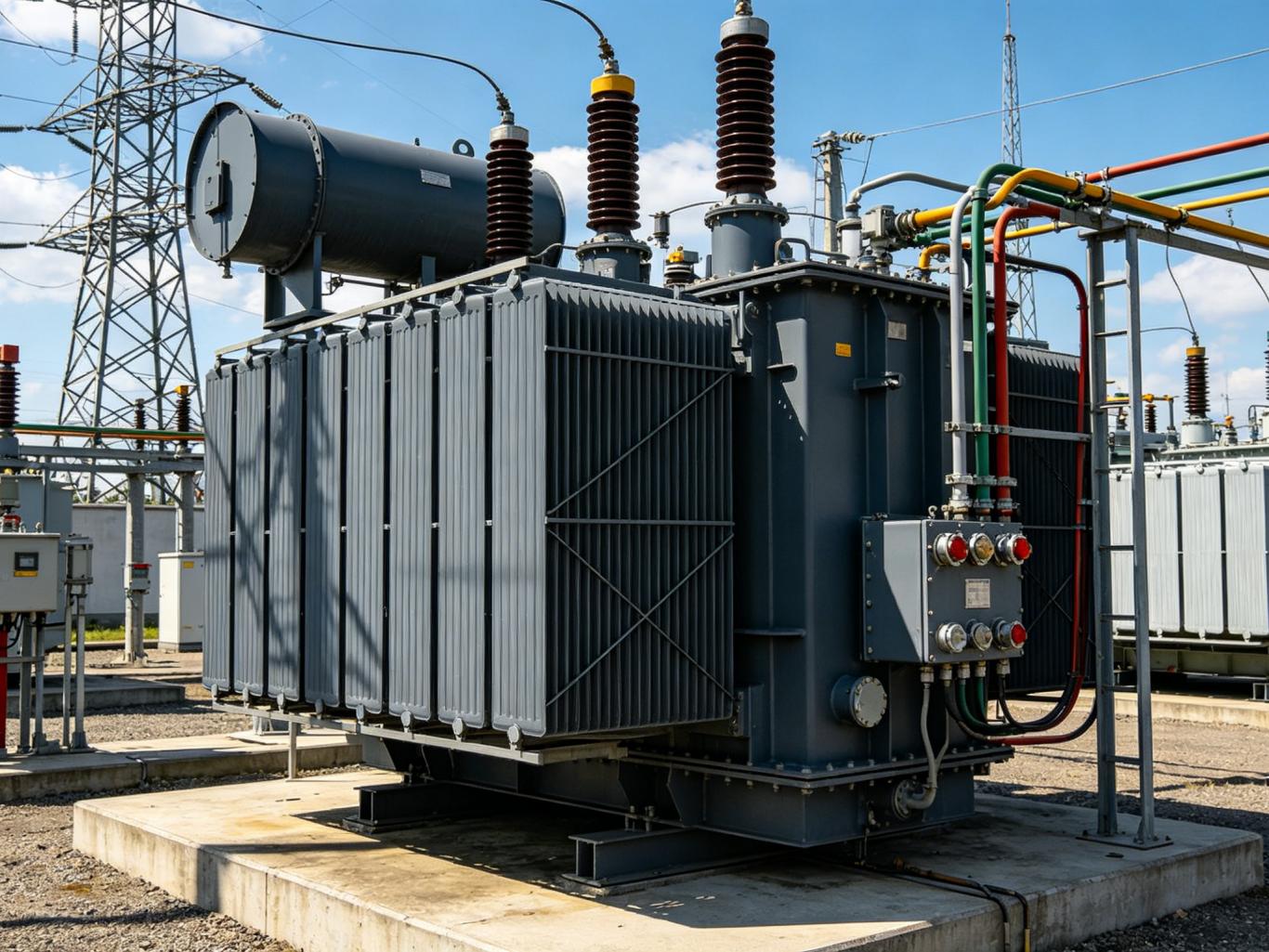
How to Choose Between New and Refurbished Power Transformers
Risk Factors of Refurbished Power Transformers
The main risk of a refurbished power transformer does not come from basic operation, but from operational uncertainty over time.
Key risks include:
- Operators cannot fully trace the complete service history of the transformer
- Insulation ages during previous operation and cannot fully recover during refurbishment
- Refurbishment quality varies between suppliers and service providers
- Partial discharge risk increases under long-term load conditions
- Some refurbished units may not fully match modern grid compliance requirements
These risks rarely appear during installation and usually become visible during long-term operation.
When a Refurbished Power Transformer Can Be Used
Engineers can consider a refurbished power transformer in specific application scenarios where system demands remain limited:
- Temporary or transitional power supply systems
- Emergency replacement for damaged equipment
- Non-critical industrial load applications
- Short-term projects or relocation-based installations
- Infrastructure projects with tight budget constraints
This option works best when the system does not require long service life or high operational stability.
When a New Power Transformer Is Required
A new power transformer becomes the standard choice in applications that require stable performance and long-term reliability:
- Utility grid substation systems
- Wind and solar power step-up integration systems
- Data center continuous power supply systems
- Long-term industrial production facilities
- Projects that must meet strict certification and compliance standards
These applications all depend on one core requirement: stable operation with minimal failure risk.
EPC Procurement Decision Framework
In EPC engineering practice, decision-making usually follows a clear technical logic:
1. Is the load critical?
Critical load → Select a new power transformer
Non-critical load → Refurbished transformer may be considered
2. Does the project require a service life longer than 10 years?
Yes → Prefer a new power transformer
3. Does downtime create high economic loss?
Yes → Select a new transformer to reduce operational risk
4. Does the project require strict certification compliance?
Yes → A new power transformer becomes mandatory
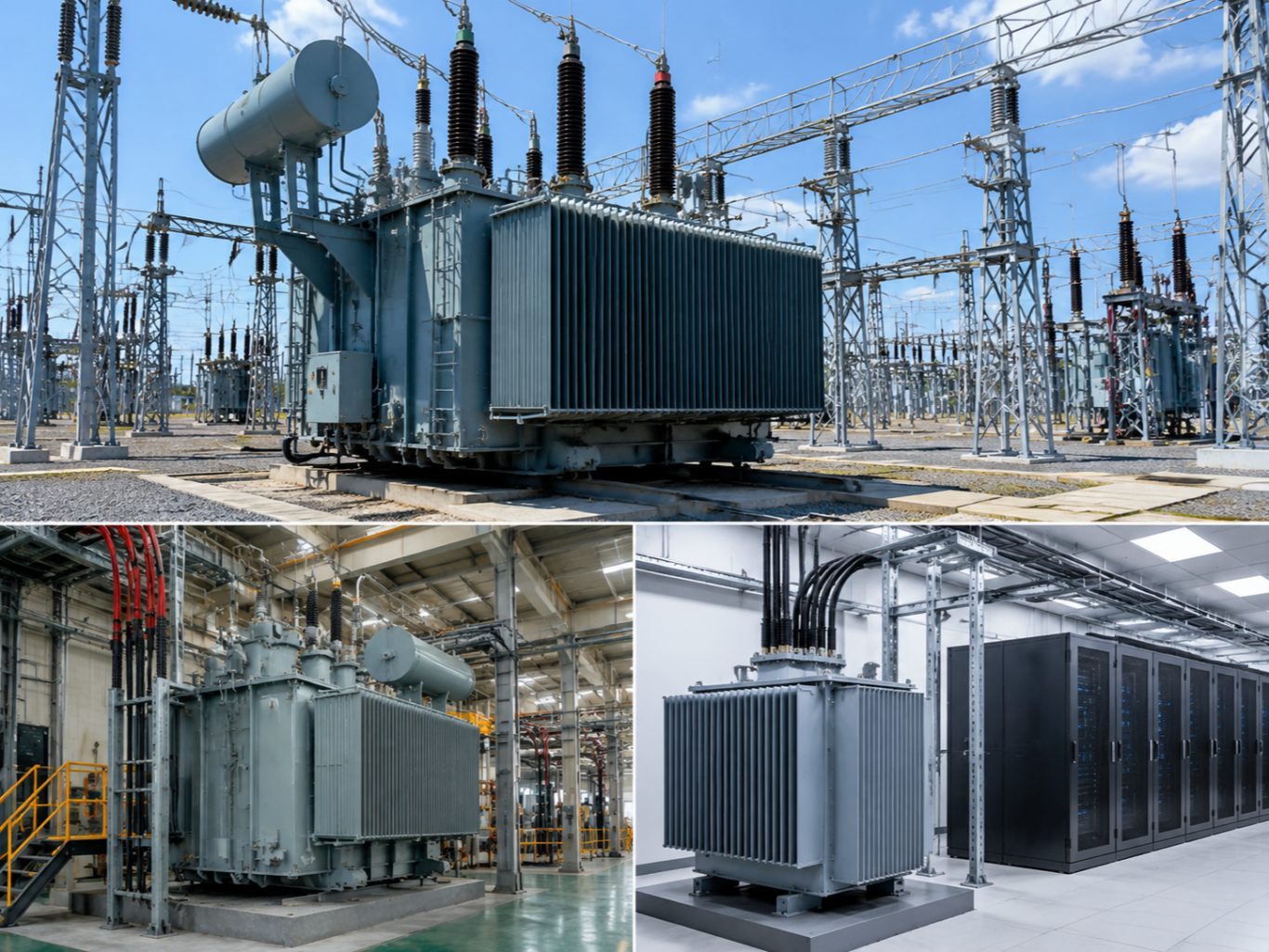
Decision Summary
In some industrial distribution projects we have participated in, procurement decisions often evolve as lifecycle evaluation becomes clearer. From an engineering perspective, the choice between a new vs refurbished power transformer ultimately depends on system risk tolerance and lifecycle objectives.
| Application Type | Recommended Choice |
|---|---|
| Long-term infrastructure | New power transformer |
| Grid and utility systems | New power transformer |
| Temporary installations | Refurbished transformer |
| Budget-limited short-term projects | Refurbished transformer |
FAQs
1. What is the difference between a new and a refurbished power transformer?
A new power transformer uses entirely new components and goes through full factory manufacturing and testing based on IEC or ANSI standards. A refurbished transformer comes from an existing unit that technicians repair, replace, or upgrade key parts. The key difference lies in insulation condition, design lifecycle, and long-term performance predictability.
2. Is a refurbished power transformer reliable?
A refurbished power transformer can operate reliably in non-critical or temporary applications, depending on how well technicians inspect, repair, and upgrade it. However, compared with a new transformer, it carries higher uncertainty because its core and insulation system have already experienced prior operation.
3. Why are refurbished power transformers cheaper?
Refurbished transformers cost less because manufacturers reuse the existing tank, core, and structural parts instead of producing everything from scratch. They also reduce raw material usage and manufacturing time. This cost advantage comes with trade-offs in performance consistency and long-term maintenance requirements.
4. What are the risks of refurbished power transformers?
Refurbished transformers involve several risks, including unclear operating history, insulation degradation, uneven repair quality, and a higher probability of unexpected failure. These factors can affect system stability, especially in continuous or high-load environments.
5. When should a new power transformer be used?
A new power transformer fits applications that demand high reliability and long service life, such as utility grid systems, renewable energy plants, data centers, and heavy industrial operations. These scenarios require stable performance, strict compliance with standards, and low failure risk over long-term operation..
Conclusion
If you are evaluating a new vs refurbished power transformer for your project, the decision should be based on load criticality, operational lifecycle, and cost structure rather than price alone.
For long-term and stable power systems, we provide transformer solutions designed to meet international standards, supporting technical selection and project matching evaluation. You are welcome to contact us for technical consultation and quotation support based on your project requirements.