

MNS low voltage switchgear is a classic withdrawable low voltage switchgear system developed by ABB and is one of the mainstream high-end low voltage switchgear designs used worldwide.
How much do you know about MNS low voltage switchgear? Let’s take a closer look at this low voltage switchgear system from a professional perspective and explore its structure, technical features, applications, advantages, and limitations.
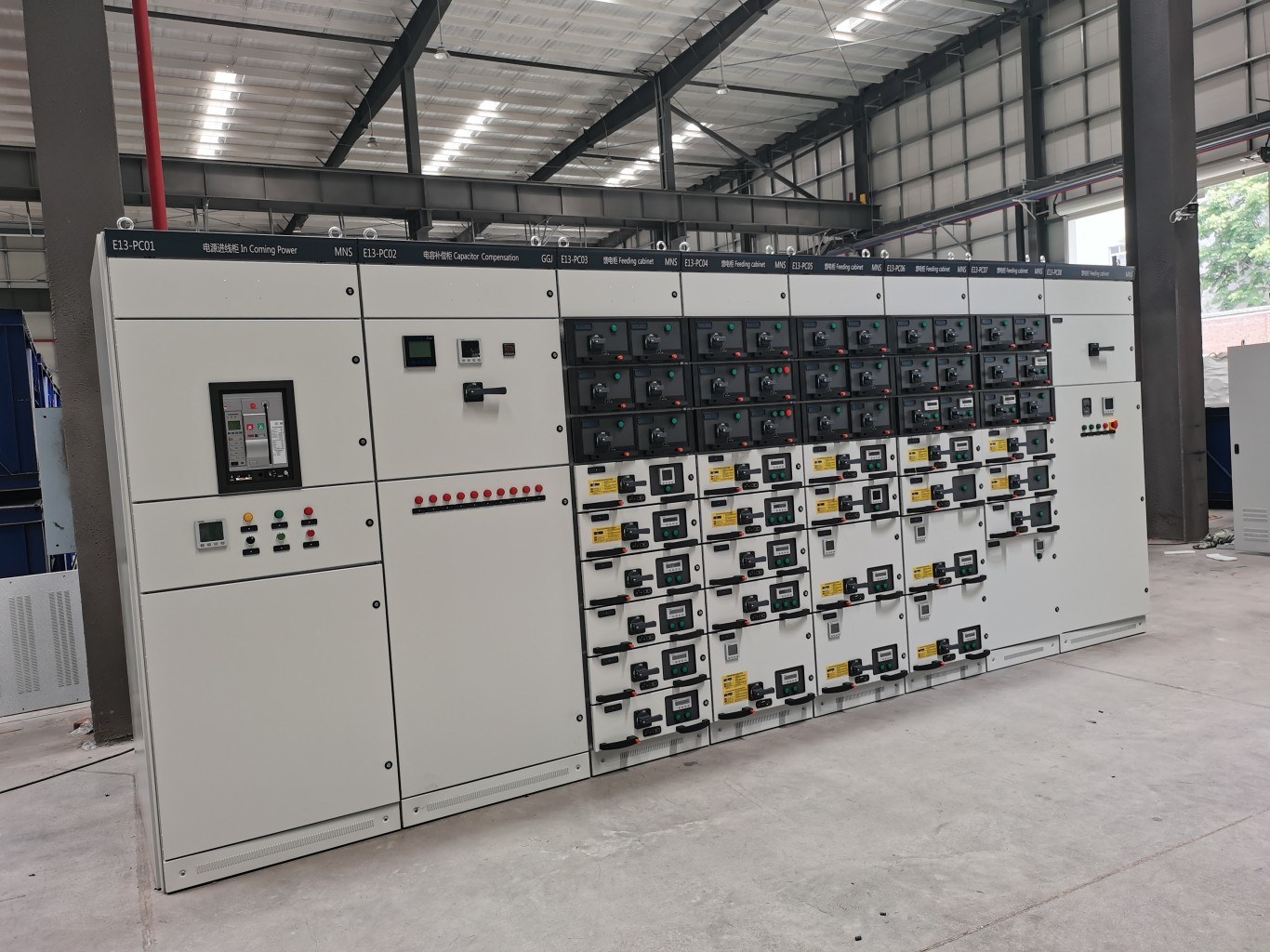
Structure and Design Features of MNS Low Voltage Switchgear
The structural design of MNS low voltage switchgear forms the foundation of its core advantages.
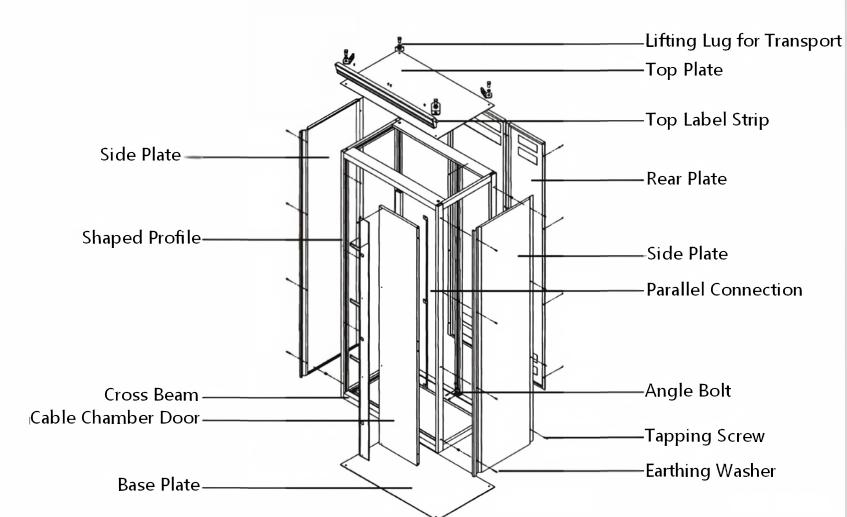
1. Frame and Modular Design
Modular C-Profile Frame
The frame of the MNS 3.0 switchgear uses C-shaped profiles with modular holes arranged at 25 mm intervals. The profiles use aluminum-coated steel sheets, which provide good corrosion resistance.
Each switchgear cabinet connects the frame horizontally and vertically with WSLOK screws or self-tapping screws. This configuration creates a stable, maintenance-free modular structure.
Standardized 25 mm Module
The internal cabinet dimensions, compartments, and functional units all follow a 25 mm modular design. As a result, MNS low voltage switchgear offers excellent interchangeability and allows you to combine and expand the system according to your project requirements.
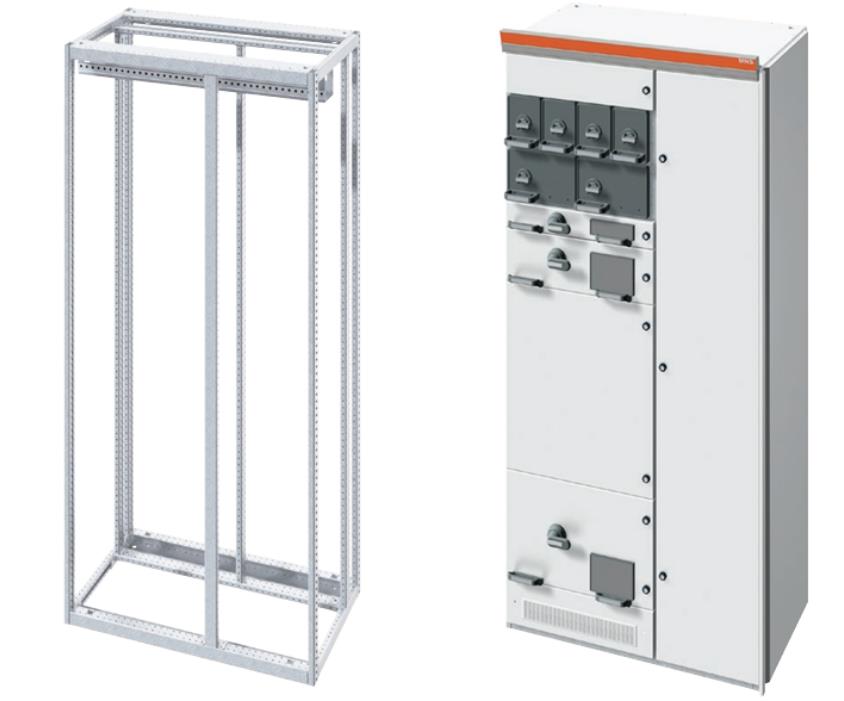
2. Enclosure
The enclosure of MNS 3.0 switchgear uses electroplated and electrostatic powder-coated cold-rolled steel sheets, which provide good durability.
Self-tapping screws secure the doors, top cover, rear panel, and side panels. The final enclosure configuration depends on the required protection level.
According to the safety requirements of the MNS system, each compartment or section used for commissioning, operation, or maintenance requires an independently installed door panel. This design helps improve operational safety and provides clear access to individual functional areas.
3. Functional Compartments and Segregation
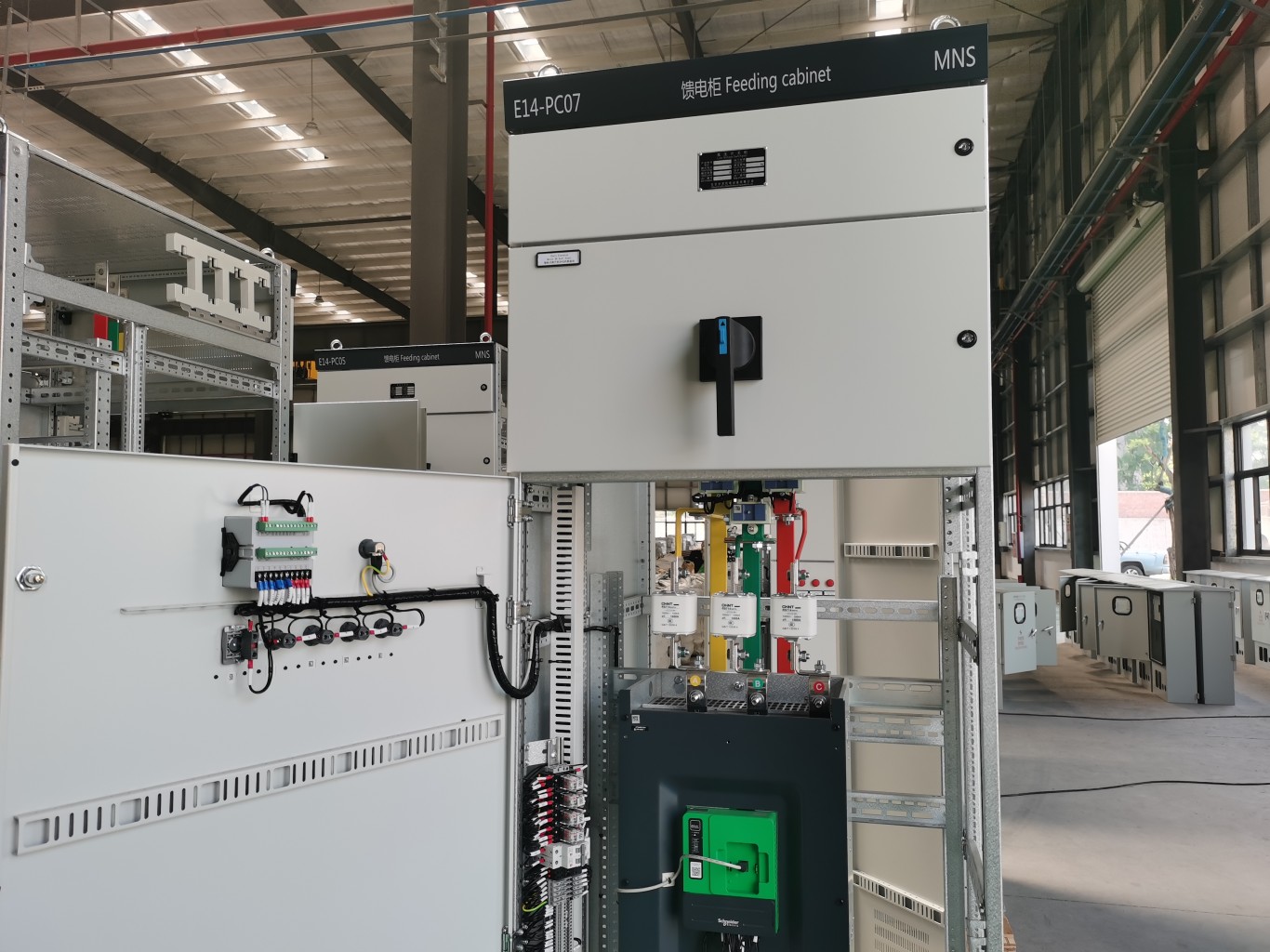
The MNS low voltage switchgear cabinet divides its internal space into separate functional compartments.
① Power Center (PC)
The PC cabinet consists of four compartments:
- Horizontal busbar compartment: Located at the rear of the cabinet.
- Functional unit compartment: Located at the upper front or left side of the cabinet.
- Cable compartment: Located at the lower front or right side of the cabinet.
- Control circuit compartment: Located at the upper front of the cabinet.
Segregation measures:
The horizontal busbar compartment is separated from the functional unit and cable compartments by melamine phenolic insulating boards or steel plates.
A flame-retardant polyurethane foam molded enclosure separates the control circuit compartment from the functional unit compartment.
A steel plate separates the functional unit compartment on the left from the cable compartment on the right.
② Motor Control Center (MCC)
The withdrawable MCC cabinet contains three compartments:
- Horizontal busbar compartment: Located at the rear of the cabinet.
- Functional unit compartment: Located on the left side of the front section.
- Cable compartment: Located on the right side of the front section.
A functional board made of flame-retardant foam separates the horizontal busbar compartment from the functional unit compartment. Steel plates separate the cable compartment from both the horizontal busbar compartment and the functional unit compartment.
4. Withdrawable Functional Units
Standard Sizes
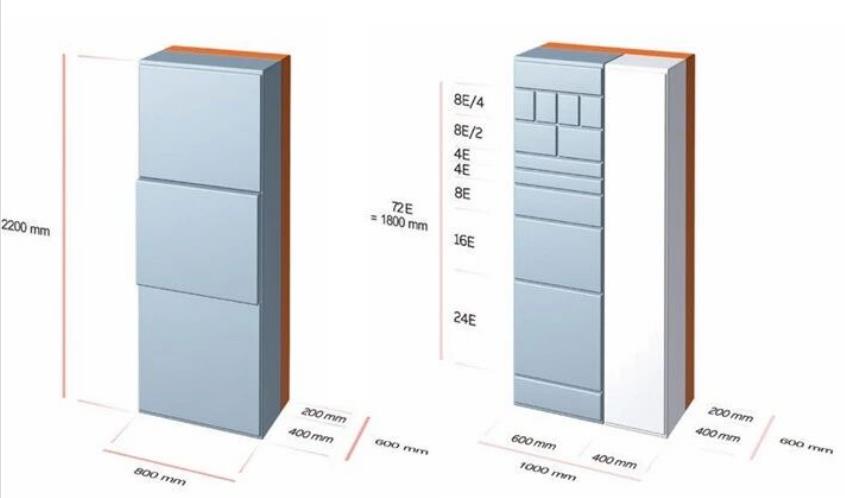
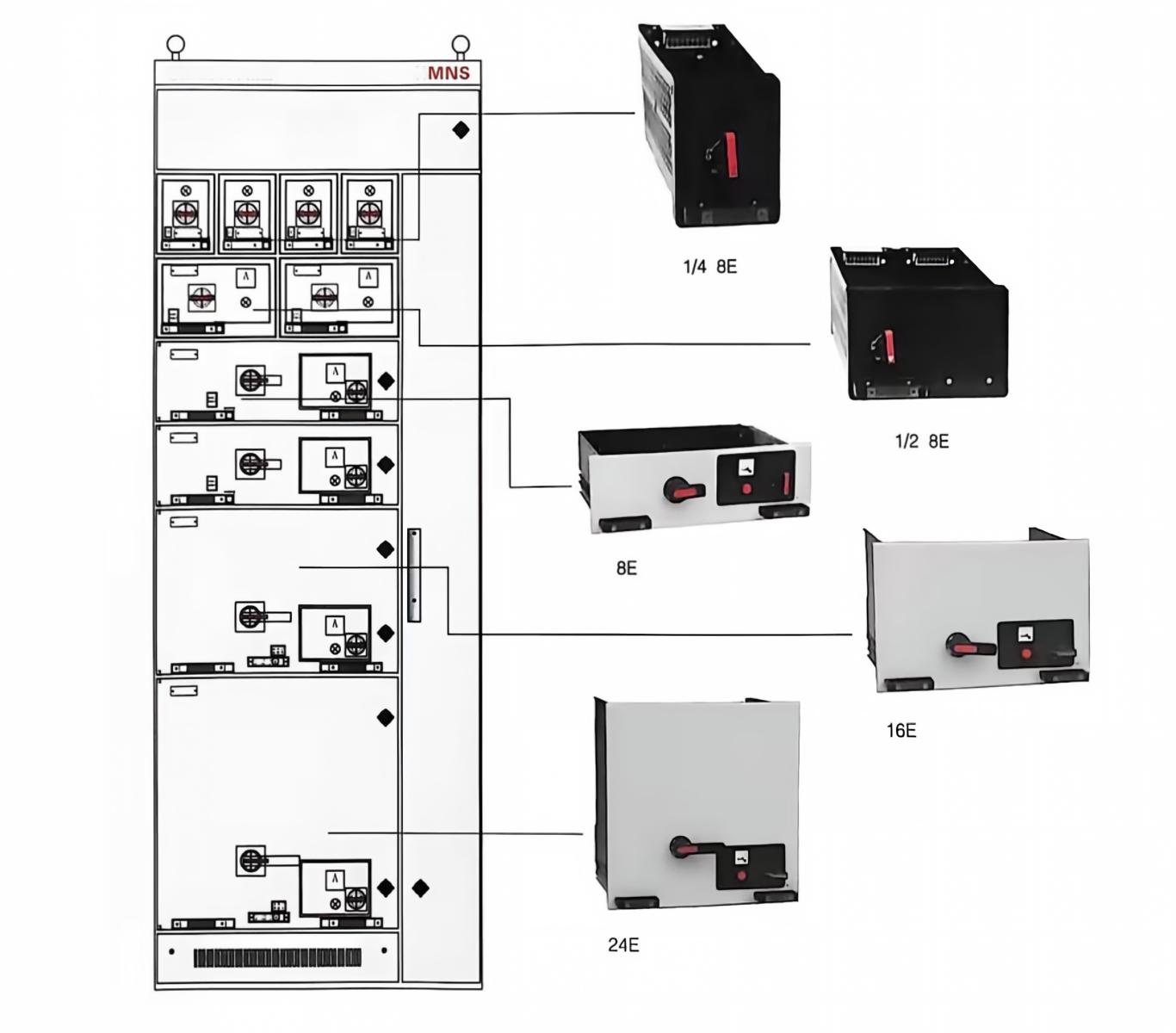
The MNS system uses 8E (200 mm) as its basic functional unit. Available configurations include 8E/4, 8E/2, 8E, 16E, 24E, 32E, and 40E.
A single cabinet can accommodate up to nine levels of 8E/4 units, providing a total of 36 small circuits. This configuration makes highly efficient use of the available cabinet space.
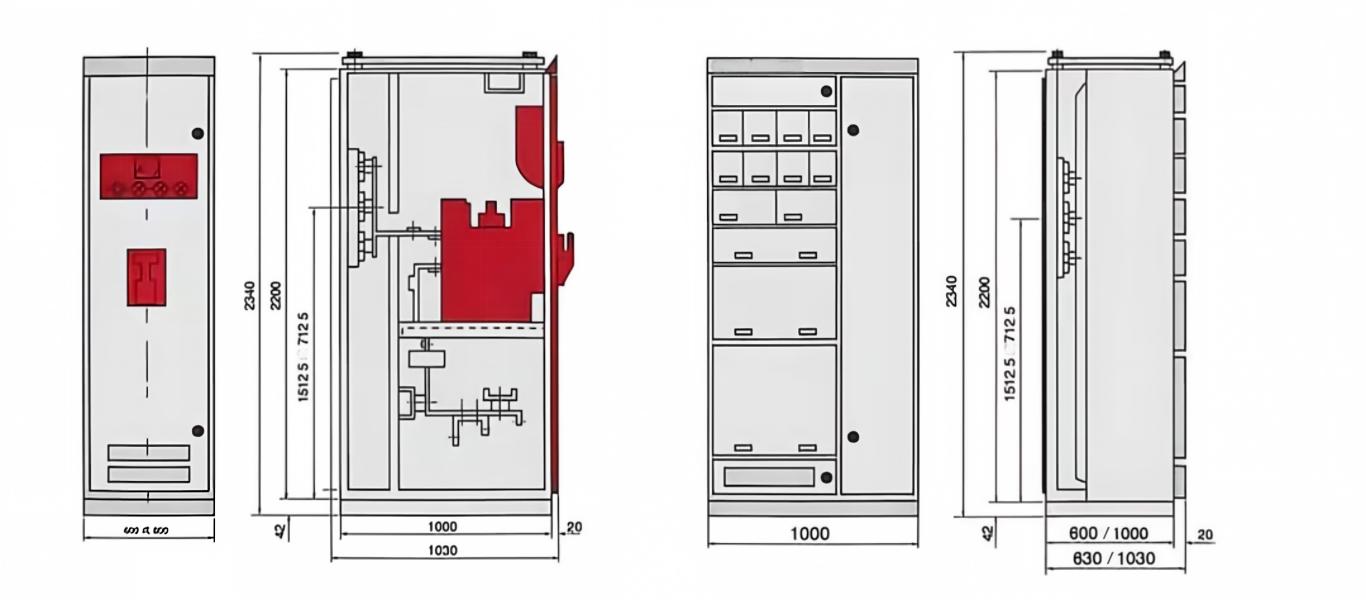
The overall cabinet height is 2,200 mm, with an effective installation height of 72E, or 1,800 mm. You can install up to nine standard 8E functional units within one cabinet.
Mechanical Interlocking
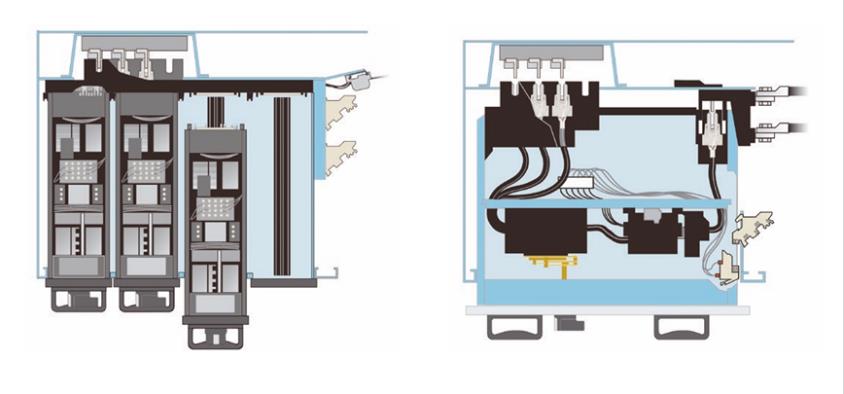
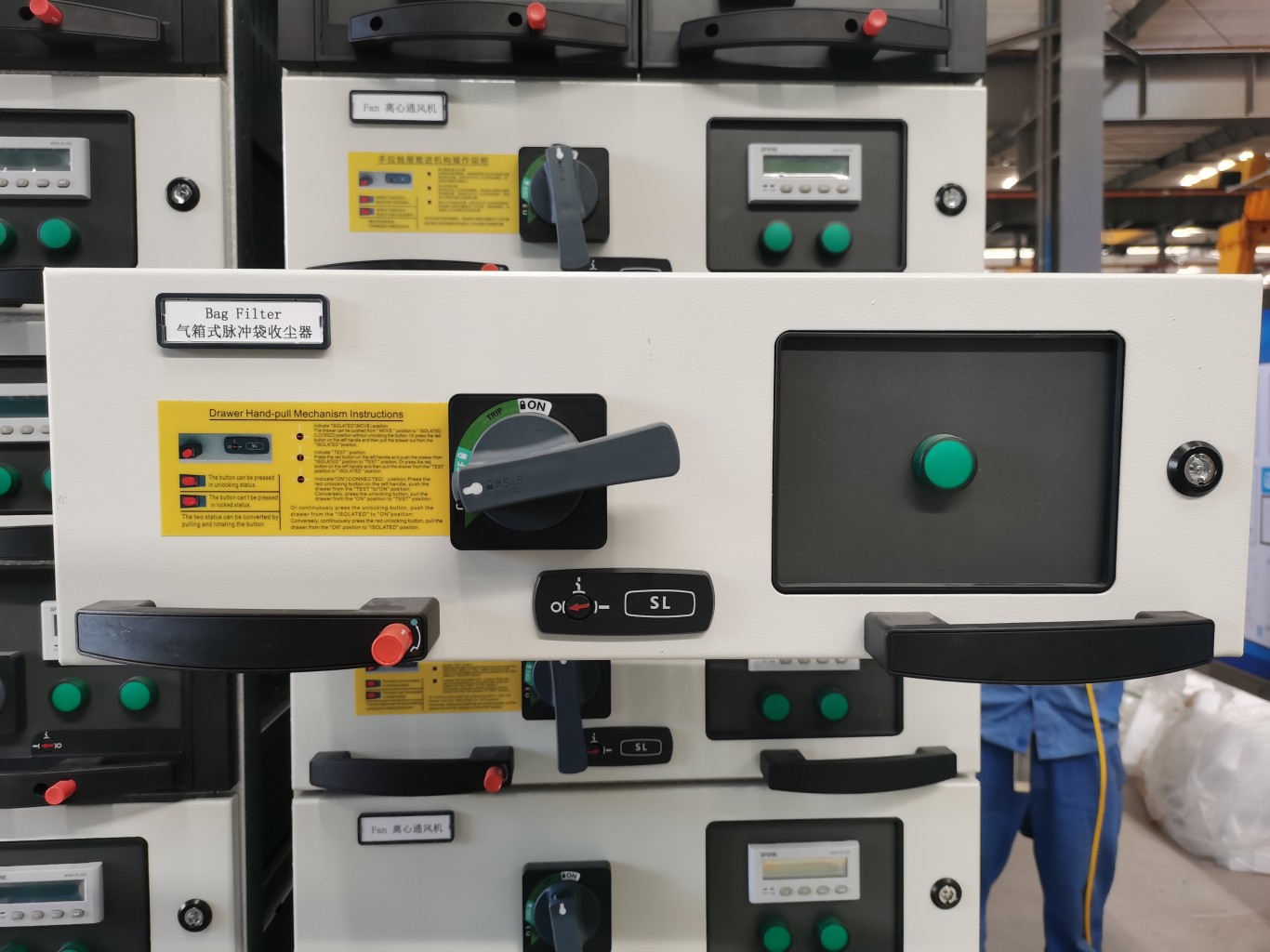
Each withdrawable drawer features four mechanically interlocked positions:
- Connected
- Test
- Isolated
- Withdrawn
These clearly defined positions help prevent incorrect operation. In the test position, you can perform offline testing without affecting the main circuit.
Connectors
MNS low voltage switchgear uses silver-plated copper connectors. These connectors provide low contact resistance of less than 0.5 mΩ, high current-carrying capacity, and a long insertion and withdrawal service life.
Busbar System
Main Busbars
The main busbars use high-quality electrolytic copper bars. They can withstand short-time currents of 50–120 kA for 1 second, with a peak withstand current of up to 220 kA, providing excellent thermal and dynamic stability.
The main busbars are installed at the rear of the switchgear cabinet inside the busbar compartment. The system can use either an upper and lower dual-layer arrangement or a single-layer arrangement.
For a dual-layer main busbar system, the busbars are arranged in the upper and lower sections. A single-layer system places the main busbar in either the upper or lower section.
The cross-sectional areas of the two layers can differ.
The main busbars can operate as separate, series-connected, or parallel-connected busbar systems.
Depending on the busbar current rating, each phase can consist of two or four main busbars.
For cabinets with operation from both sides, the design uses a common busbar system.
For coupled cabinets, the busbars are separated by transportation unit.
The busbar material is copper (Cu), with three standard cross-sectional sizes:
- 30 × 10 mm
- 40 × 10 mm
- 60 × 10 mm
Busbars with different cross-sectional sizes can also be connected.
Vertical Busbars
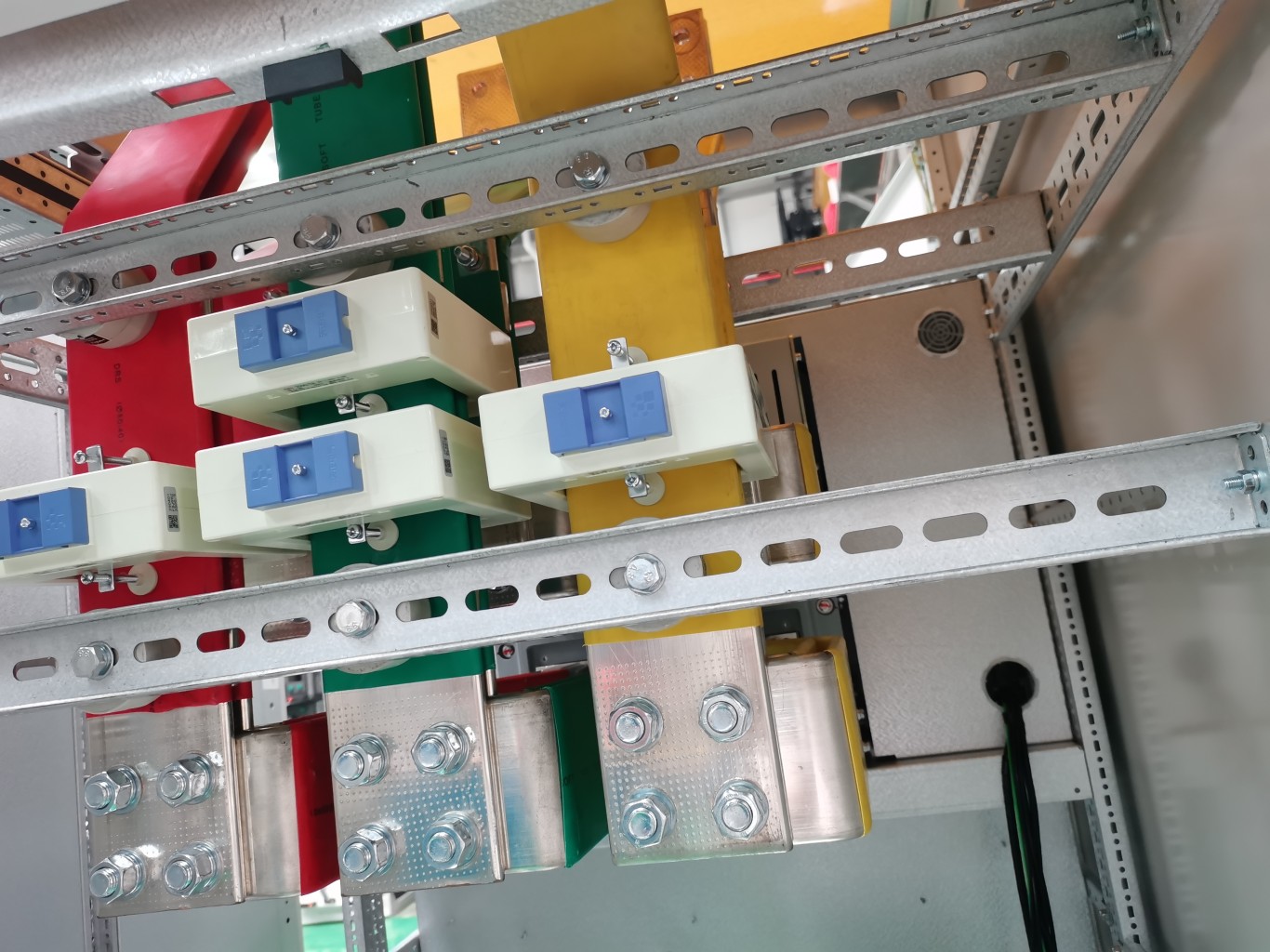
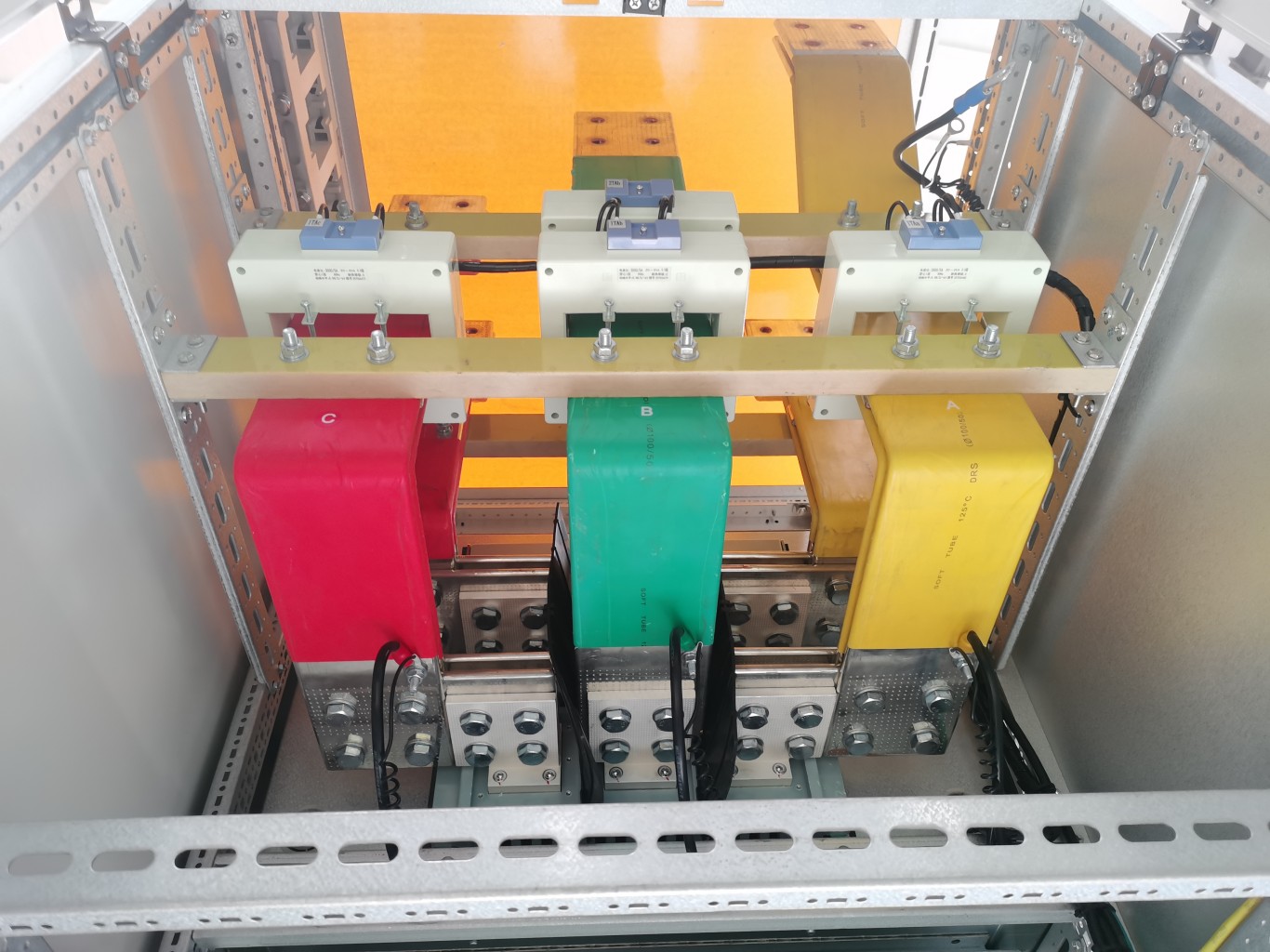
The vertical busbar system uses an L-shaped enclosed structure with flame-retardant insulating sleeves. This design provides high insulation strength and helps prevent electric shock and short circuits.
The distribution busbars connect the functional unit components to the busbar system and run vertically inside the busbar compartment.
A single MNS low voltage switchgear cabinet can accommodate up to two three-phase or four-phase distribution busbar systems. You can arrange them across the full cabinet height, half the height, or divide them into two sections at the middle.
Each phase of the distribution busbar uses a single right-angle copper bar with a cross-sectional size of either 50 × 5 mm or L-shaped 50 × 30 × 5 mm. The distribution busbars use copper as the conductor material.
Protection
The busbars feature a fully enclosed structure and use flame-retardant insulation materials. This design provides resistance to internal fault arcs and improves overall operational safety.
6. Protection and Materials
Cabinet Materials
The main cabinet structure uses aluminum-zinc-coated steel sheets. The door panels have a thickness of at least 2.0 mm, while the frame profiles have a thickness of at least 2.5 mm, providing a strong and durable cabinet structure.
Protection Rating
The standard protection rating is IP30, with IP40 and IP54 available as options. IP54 provides protection against dust and water splashes, making the MNS low voltage switchgear suitable for humid, dusty, and other demanding industrial environments.
Flame-Retardant Properties
The internal plastic components use high-strength flame-retardant materials. They self-extinguish after removal from the flame, which helps improve fire safety inside the switchgear cabinet.
Typical Applications of MNS Low Voltage Switchgear
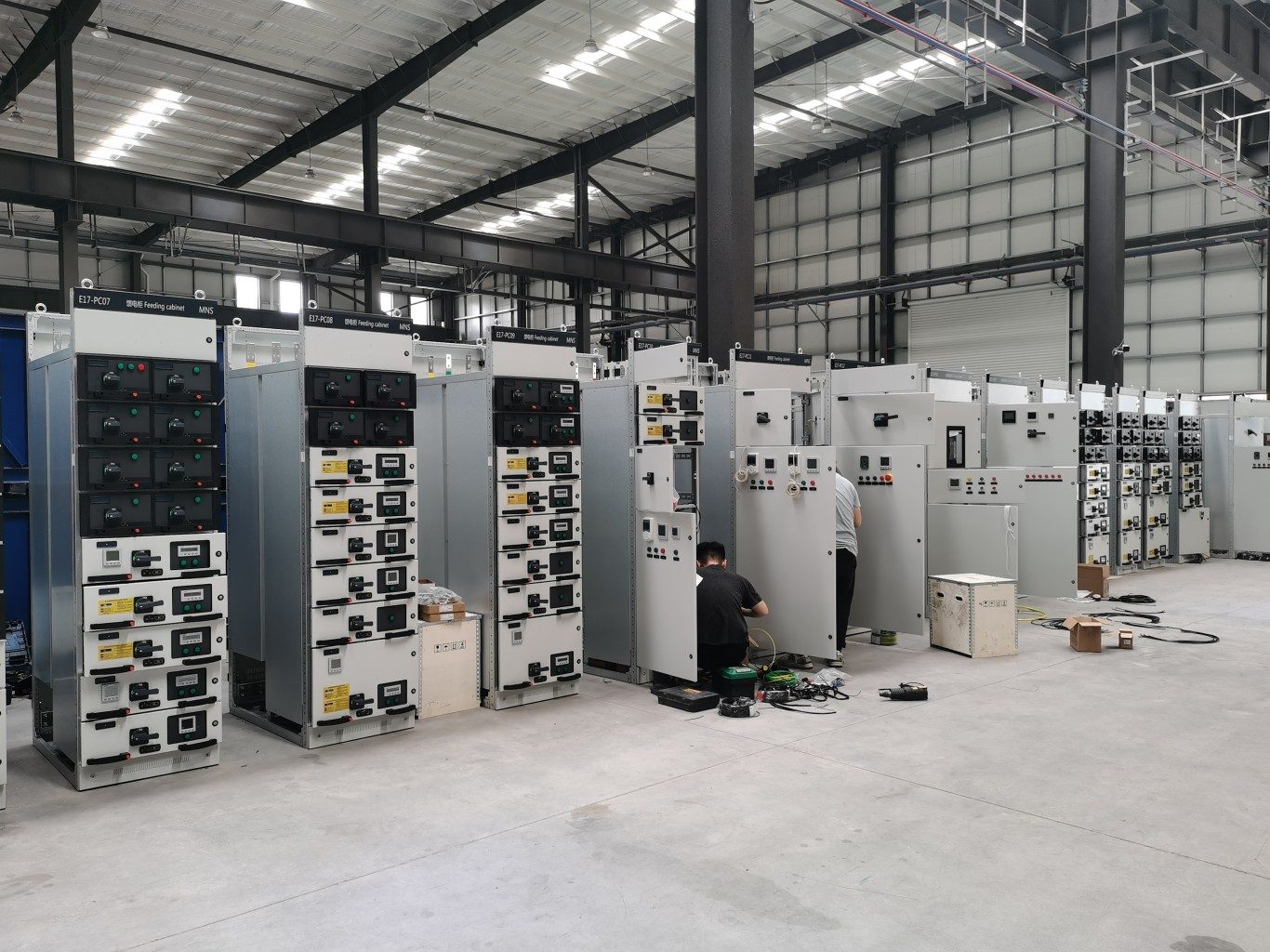
MNS is a high-end general-purpose withdrawable switchgear system designed for applications that require high levels of reliability, safety, and maintainability.
1. Industrial applications: Power distribution centers (PC) and motor control centers (MCC) in petrochemical plants, metallurgy, power generation, machinery manufacturing, and light industrial and textile facilities.
2. Energy and power: Auxiliary power systems in power plants, substations, and nuclear power plants, as well as low voltage power distribution systems for solar PV and wind power projects.
3. Infrastructure: Rail transit systems such as metro and light rail, airports, ports, data centers, and telecommunications base stations.
4. Commercial and civil applications: Low voltage power distribution and emergency power systems in high-rise buildings, large shopping malls, hotels, and hospitals.
5. Special environments: Offshore oil platforms requiring corrosion-resistant designs and marine applications requiring classification society certification.
Comprehensive Analysis of the Advantages and Disadvantages of MNS Low Voltage Switchgear
Advantages
1. Excellent Space Utilization
The combination of a compact design and multiple drawer sizes allows MNS low voltage switchgear to accommodate significantly more circuits in a single cabinet than fixed-type cabinets and conventional GCK/GCS systems. This design can substantially reduce the space required for the electrical distribution room.
2. High Modularity and Interchangeability
The 25 mm modular design and standardized components make design, manufacturing, installation, and expansion more efficient. You can quickly configure the switchgear according to different power distribution requirements.
3. Safe and Convenient Maintenance
You can withdraw and insert functional units while the system remains energized, while offline maintenance remains available when required. If a fault occurs in one functional unit, you can withdraw and replace that unit without affecting other circuits, helping minimize power interruption time.
4. High Level of Safety Protection
The combination of compartmentalized construction, mechanical interlocking, flame-retardant materials, and high protection ratings helps protect against electric arcs, electric shock, and fault propagation. For this reason, MNS low voltage switchgear works well in demanding and high-risk applications.
5. Excellent Electrical Performance
MNS low voltage switchgear offers high breaking capacity and strong dynamic and thermal stability. With short-time withstand current ratings reaching 100 kA, it can serve high-capacity power distribution systems with high short-circuit currents.
6. Compatibility with Intelligent Systems
You can integrate intelligent meters, temperature sensors, partial discharge monitoring devices, and communication modules into the switchgear. These functions support remote monitoring and intelligent power distribution management.
Disadvantages
1. Higher Cost
MNS low voltage switchgear requires higher material, manufacturing, and design standards. As a result, its cost is generally higher than that of GGD, GCK, and GCS switchgear, which increases the initial investment.
2. Complex Structure
Its installation, commissioning, and maintenance require technicians with specialized skills. Personnel need to understand the mechanical interlocking system and the internal compartment structure before carrying out relevant work.
3. Specialized Maintenance Spare Parts
Some drawers, interlocking components, and connectors are dedicated components. This limits interchangeability to some extent and can increase spare parts costs.
4. Limitations for Very High-Current Units
For circuits with very high currents above 4,000 A, the drawer units become relatively large. As a result, fewer units can fit into a single cabinet, reducing configuration flexibility.
Key Technical Parameters
| Parameter | Specification |
|---|---|
| Rated insulation voltage | 690V |
| Rated operating voltage | 400V/690V |
| Rated frequency | 50/60Hz |
| Main busbar rated current | Up to 6300A |
| Vertical busbar rated current | Up to 1000A |
| Short-time withstand current | 50kA/80kA/100kA(1s) |
| Protection rating | IP30-IP54 |
| Applicable altitude | ≤2000m |
| Ambient temperature | -5℃ to +40℃ |
FAQs
1. What is MNS low voltage switchgear?
MNS low voltage switchgear is a modular withdrawable switchgear system for low voltage power distribution, motor control, and other critical electrical applications.
2. What are the main features of MNS low voltage switchgear?
The main features include a 25 mm modular design, withdrawable functional units, segregated compartments, four-position mechanical interlocking, and high-capacity busbar systems.
3. What is MNS low voltage switchgear used for?
MNS low voltage switchgear serves industrial power distribution, motor control centers, power plants, substations, data centers, infrastructure, commercial buildings, and renewable energy projects.
4. What are the advantages of MNS low voltage switchgear?
MNS low voltage switchgear offers high space utilization, modularity, convenient maintenance, strong electrical performance, and a high level of operational safety.
5. What is the rated current of MNS low voltage switchgear?
MNS low voltage switchgear can support main busbar currents up to 6,300 A and vertical busbar currents up to 1,000 A, depending on the configuration.
Conclusion
MNS low voltage switchgear is a high-end withdrawable switchgear system that combines modular construction, high reliability, and convenient maintenance. Its key technical features include a 25 mm modular design, segregated functional compartments, and four-position mechanical interlocking.
These features give MNS low voltage switchgear significant advantages in safety, space utilization, and maintenance convenience. As a result, it is well suited to critical-load applications in industries such as manufacturing, energy and power, infrastructure, and data centers.
At the same time, MNS low voltage switchgear comes with a higher initial cost and requires personnel with a higher level of technical expertise. It therefore fits projects that have sufficient budgets and prioritize stable long-term operation.
If you are looking for a reliable MNS low voltage switchgear supplier, Wondon can provide project-oriented support. Contact Wondon to discuss your requirements and get a customized power distribution solution and quotation for your project.