

Medium voltage switchgear training covers three things: how the equipment works, how to operate it without hurting anyone, and what to do when it doesn’t behave the way it should. Most programs handle the first two well and quietly skip the third.
Medium voltage switchgear sits between incoming power and everything downstream, transformers, feeders, loads. It switches, it protects, it isolates.
So knowing what a circuit breaker or a busbar is only gets you to the door. Working on MV equipment means reading the drawings, following an approved switching sequence, and noticing when something looks wrong.
This guide covers what a complete program should include, how the requirements shift by job role, and how to tell whether someone can actually do the task.
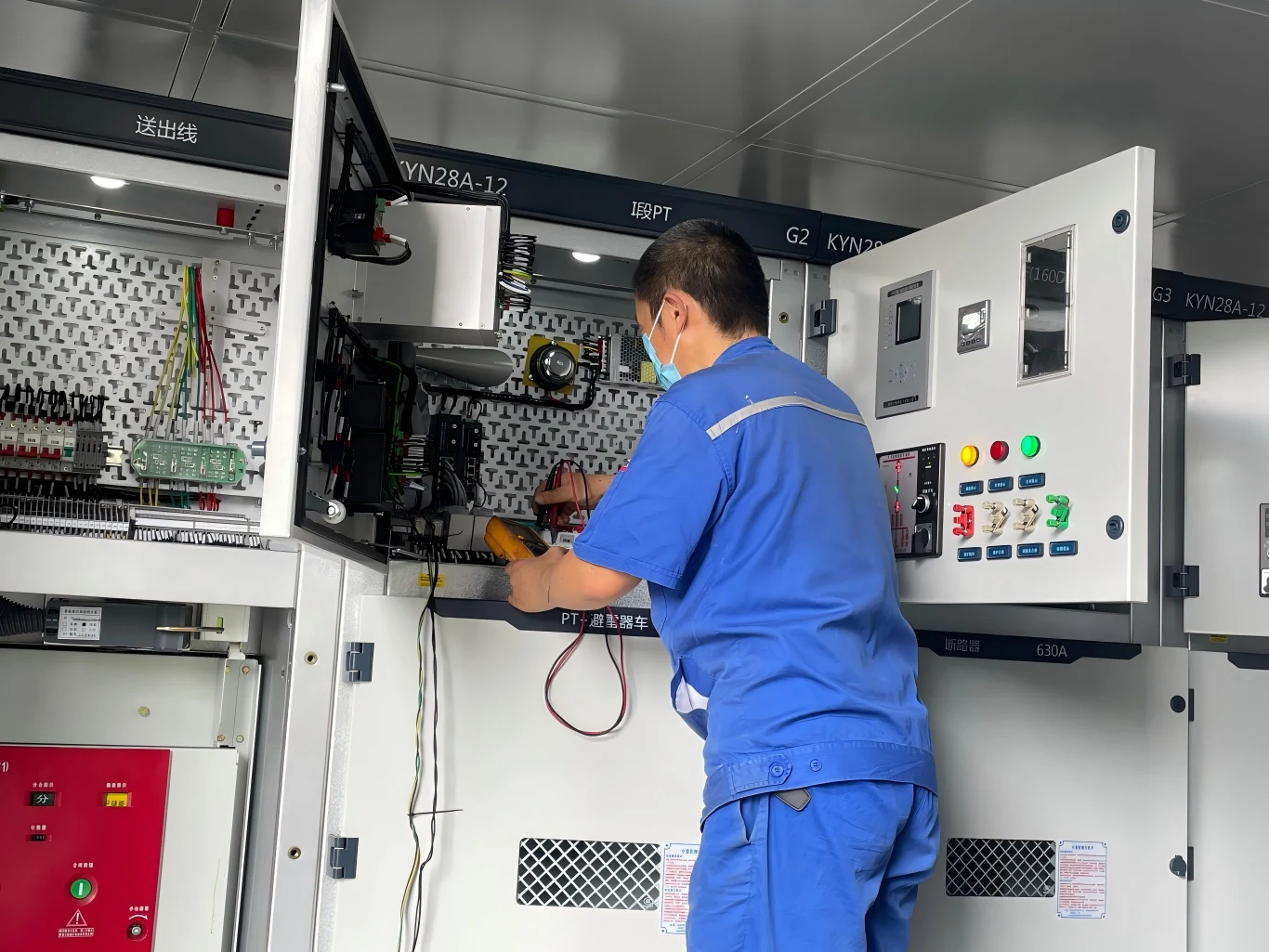
What Is Medium Voltage Switchgear Training?
Most definitions start with voltage. That is the wrong place to start.
Under IEC 62271-200, medium voltage covers AC metal-enclosed switchgear and controlgear rated above 1 kV and up to and including 52 kV. Good for a spec sheet. It tells you nothing about what a person needs to learn.
Ask a better question: what will this person actually do on site?
An operator lives in switching and isolation. A maintenance technician spends the day inspecting, testing breakers, chasing faults.
A commissioning engineer needs protection logic, control circuits, functional testing. Three people, one equipment room, three different courses.
Training depth follows the task list. Not the voltage class.
What Should MV Switchgear Training Cover?
A good program connects the equipment to the work. Components, system, protection, and procedure taught as one thing, not four.
Switchgear Construction and Main Components
Start with the parts. Then tie each part to a job.
A lineup typically holds vacuum circuit breakers, disconnectors, earthing switches, busbars, current transformers (CTs), voltage transformers (VTs), protection relays, control circuits, operating mechanisms, and mechanical or electrical interlocks.
Air-insulated and gas-insulated designs do not behave the same. Internal layout, maintenance needs, operating steps. Anyone who learned on AIS and gets handed GIS without instruction is guessing.
The relationships matter more than the names. A circuit breaker interrupts current. CTs and VTs feed signals to protection and metering. An interlock decides whether you are allowed to do what you are about to do. Once that clicks, the operating manual stops reading like a contract.
Single-Line Diagrams and System Configuration
Knowing the cubicle is half the job. The other half is knowing where it sits.
A trainee should be able to trace a single-line diagram end to end: incoming feeders, outgoing feeders, transformers, busbar sections, protection zones, control circuits. Interlocking logic deserves its own session, because it decides which operations are legal under which conditions.
Take a simple feeder isolation. Identify the right circuit. Know where it connects. Then ask whether another source could still energize it.
That last question is the whole point. Diagram reading is not about reading. It is about deciding, before you touch anything.
How many near misses start with someone trusting a drawing that was never updated?
MV Switchgear Safety Training: What Should You Learn?
Safety is not a module you bolt on at the end of the week. It runs through everything else.
MV equipment can hurt people in several ways at once: electric shock, arc flash, unexpected energization, stored energy in springs and capacitors. Which of those actually applies depends on the design, the system, the work method, and the rules that govern the site.
In the U.S., OSHA requires training matched to the employee’s real job assignments, and for qualified persons it addresses skills and knowledge around exposed live parts, nominal voltage, and approach distances.
In plain language: safe work depends on knowing this piece of equipment and this task’s hazards.
Isolation, LOTO, and Voltage Verification
Before any work starts, people need to know how the site controls hazardous energy.
The sequence usually runs like this: identify the correct equipment, isolate the source, apply lockout/tagout where required, check the equipment position, prove it dead with a tester rated for the voltage, and apply protective grounding where the procedure calls for it.
The exact order comes from the equipment design, the approved site procedure, and the applicable regulation. Never from memory.
Drill one thing until it is reflex: an isolation indication is not proof. A position indicator showing OPEN is a claim, not a measurement. You verify. Every time.
PPE and Electrical Safety Practices
PPE selection is its own skill: voltage-rated gloves and test equipment, insulated tools, arc-flash clothing, barriers, warning signs.
What you need depends on where the project is. U.S. work runs on OSHA requirements plus NFPA 70E. Other markets follow their own regulations and practices.
For international projects, the training material should name the local rule that applies. Silently treating one country’s procedure as the universal one is how people get hurt abroad.
What Practical Skills Should MV Switchgear Training Include?
This is where theory starts lying to you.
A technician can explain a vacuum interrupter perfectly and still fumble the racking handle on a specific model. Something has to close that gap, and it is not another slide deck.
Circuit Breaker Operation and Racking
Withdrawable breakers move between positions, service and test at minimum, and the mechanism differs with every design.
So practice on the actual gear, or on a simulator that matches it. Breaker open and close, local and remote control, position indicators, the racking mechanism, the interlocks that stop you halfway.
The steps come from the manufacturer’s documentation and the approved site instructions. Can a generic racking sequence really prepare someone for this particular lineup? No. It teaches confidence without teaching the equipment.
Isolation and Earthing
Identify the feeder. Confirm breaker position. Establish isolation. Prove dead. Earth it per the approved procedure. Confirm the final status.
Then the part that actually matters: explain why each step exists.
That distinction is the test. Someone who recites the steps from memory comes apart the moment an indicator shows something unexpected. Someone who knows the reason behind each step can stop, think, and not make it worse.
Handling Abnormal Conditions
Equipment misbehaves. A breaker will not close. An interlock blocks you. A relay throws an alarm. The position indication does not match what you expected. Remote control drops out.
Rehearse those in a controlled setting, before someone meets them at 2 a.m. on a live board.
The objective is not to force the operation through. It is to recognize when to stop, check what the equipment is telling you, follow the approved procedure, and escalate. Knowing when to pick up the phone saves the most equipment.
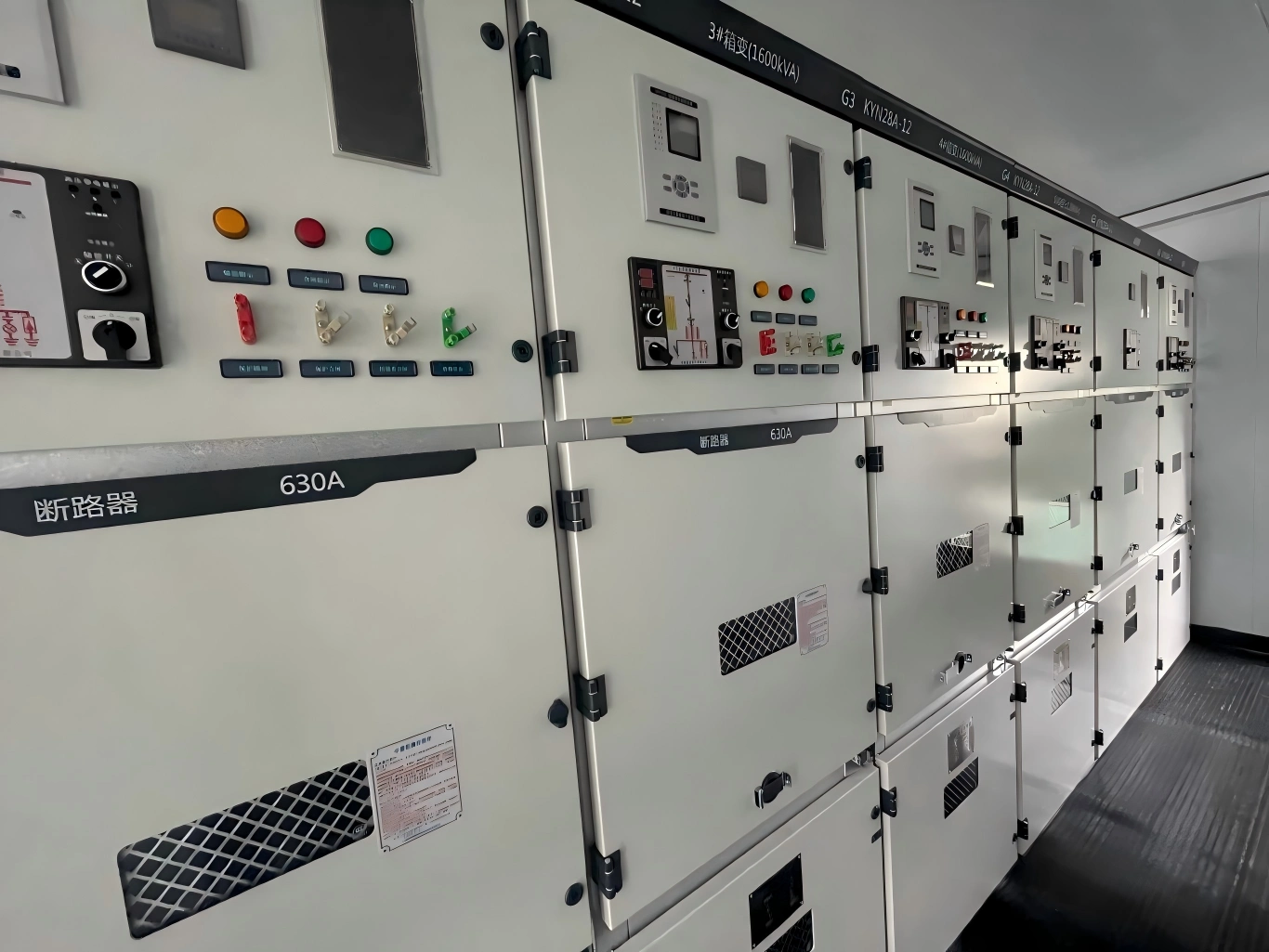
MV Switchgear Maintenance and Troubleshooting Training
Operating safely is one half. The other half is spotting deterioration early and knowing which test will confirm it.
Routine Inspection and Preventive Maintenance
Look at the cabinet. Then look at the room.
Inside: general condition, heat discoloration, loose or damaged components, insulation condition, corrosion, moisture, condensation, ventilation, space heaters, operating mechanisms, cable terminations.
Outside: the humidity, dust, and condensation that probably caused the problem in the first place. A technician who only inspects the cubicle will fix the symptom and leave the cause in place.
Condensation on a humid or coastal site is a design conversation, not just a maintenance one.
Electrical Testing
What you test depends on the design, the maintenance strategy, the manufacturer, the project spec, and the standard you work to. Insulation resistance, contact resistance, breaker timing, CT and VT tests, relay tests, secondary injection, functional checks.
Running the test is the easy part. Knowing why it is required, what the number means, and when a result deserves a second look: that is the part worth paying to train.
Condition-Based Diagnostics
More teams are working from condition data now.
Thermal imaging finds hot joints. Partial discharge monitoring says something about insulation. Breaker operating times and relay event records show drift long before a failure does.
The cheapest data you already own: your own maintenance and fault history.
If the same finding turns up at every inspection, that is a training signal. Put it in the next session.
MV Switchgear Training by Job Role
Not everyone around MV switchgear needs the same depth.
| Job Role | Main Training Focus | Typical Competency |
|---|---|---|
| Electrical Operator | Switching, isolation, safety | Safe switching, status verification, approved grounding procedures |
| Maintenance Technician | Inspection, testing, maintenance | Equipment inspection, testing, breaker maintenance, troubleshooting |
| Commissioning Engineer | Protection, control, and testing | Functional checks, relay testing, CT/VT verification |
| Protection EngineerX | Protection and control | Relay settings, protection logic, event analysis |
| EHS / Safety Personnel | Electrical hazards and procedures | Risk assessment, LOTO review, PPE requirements |
| Supervisorr | Work planning and authorization | Task review, competency verification, emergency response |
So change the question you ask.
Not “has this employee completed switchgear training?” but “which MV switchgear tasks has this person been trained and assessed to perform?”
The second one tells you whether they can work today.
Does a Training Certificate Make Someone Qualified?
No.
A certificate says someone finished a course. In the U.S., OSHA defines a qualified person by training plus demonstrated skills and knowledge, and it explicitly accepts that someone can be qualified on one piece of equipment without being qualified on every other type in the same workplace.
Picture an engineer who finishes a general MV switchgear course, then transfers to a site with a different lineup. New breaker mechanism, new interlocking, new protection, new procedure. The principles carry over. Does the muscle memory?
Three things decide it:
Knowledge: the equipment, the system, the hazards, the applicable procedures.
Practical skill: doing the task correctly under real conditions.
Task-specific authorization: your organization has assessed this person on this equipment and these duties.
Skip the third and the first two are a résumé.
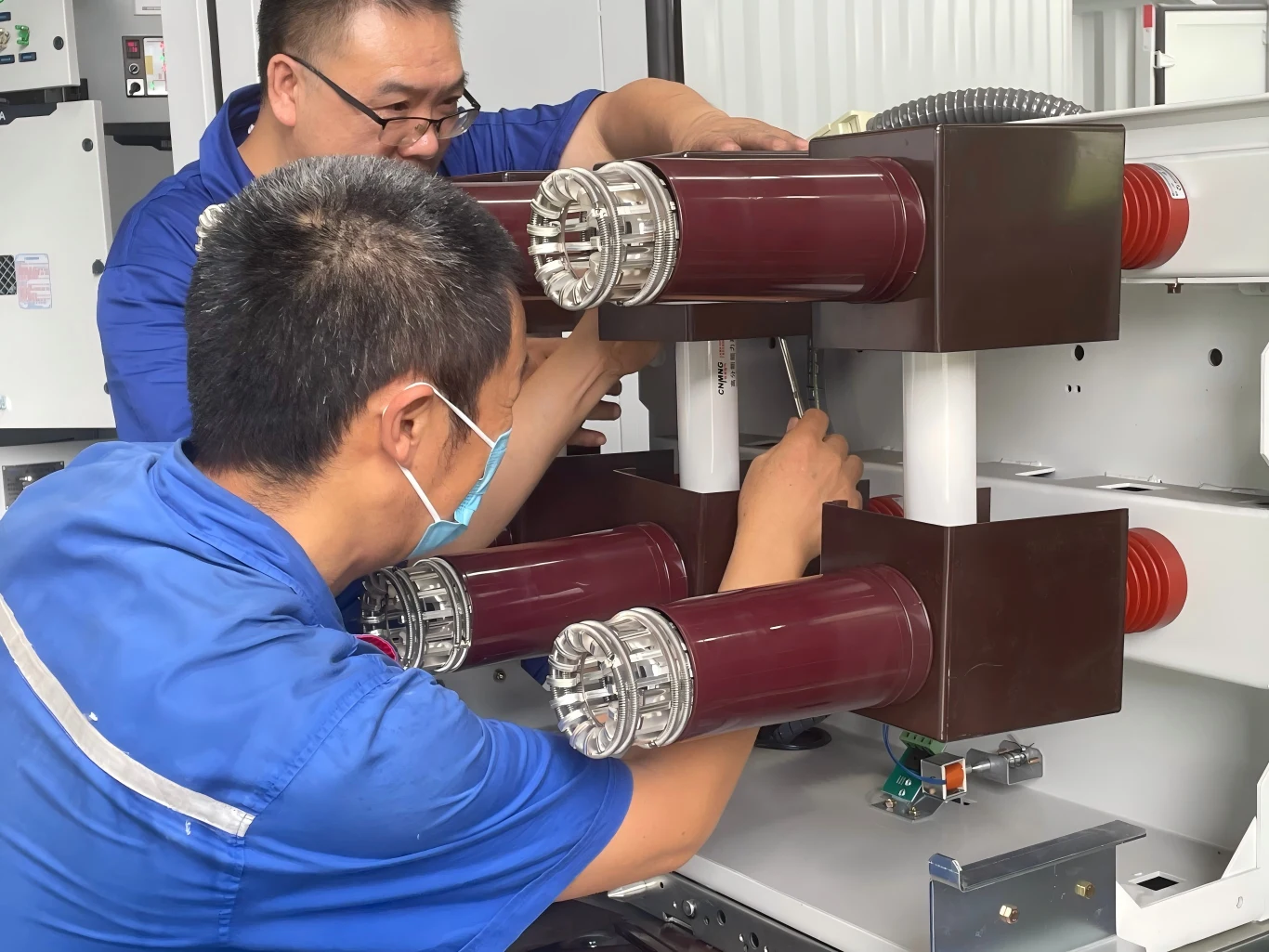
How Should MV Switchgear Competency Be Assessed?
A written exam measures recall. It does not show whether someone can isolate a feeder at 6 a.m. with a production manager waiting.
Mix knowledge testing with demonstration and scenarios.
Have the trainee read a single-line diagram, identify the relevant components, explain an interlock, walk through the approved isolation, pick the PPE for the task. Then break something.
The breaker does not close after the close command. Now what? Watch whether they stop unnecessary actions, check the available indications, follow the approved troubleshooting procedure, and know when to hand the problem upward. That observation tells you more than any test score.
Documentation is part of competence too. Switching procedures, work permits, inspection records, test reports, commissioning records, maintenance records, protection settings. Depending on the role they will be reading or filling these in, and a program that ignores them produces people who cannot prove what they did.
Standards and Documents for MV Switchgear Training
Do not teach standard numbers. Teach people how to use the documents.
IEC 62271 is the reference family for high-voltage switchgear and controlgear. IEC 62271-200 covers AC metal-enclosed switchgear and controlgear rated above 1 kV up to and including 52 kV.
Depending on the market, you may also be working with IEEE and ANSI standards, NFPA 70E, OSHA requirements, local electrical regulations, and whatever the manufacturer wrote.
Then there are the documents people actually hold: single-line diagrams, wiring diagrams, protection settings, equipment manuals, type-test and routine-test reports, commissioning records, maintenance records.
Who reads what follows the role. Operators live in single-line diagrams and switching procedures. Commissioning engineers live in wiring diagrams, test reports, and settings files.
Advanced Training: Digital MV Switchgear and IEC 61850
Switchgear keeps getting chattier.
On digital substations, training extends to how protection relays exchange information, how IEC 61850 organizes communication between intelligent devices, and what GOOSE and Sampled Values actually do.
Merging units, event records, and communication diagnostics enter the picture once the architecture goes digital.
Depth still follows the role. An operator needs to recognize a comms alarm and understand what it does to remote control and equipment status. A protection engineer needs to chase relay communication, analyze event records, and troubleshoot the path.
Same switchgear. Two different courses. Which is the reason a single course never fitted everyone in the first place.
How Often Should MV Switchgear Training Be Refreshed?
There is no global interval. Anyone who tells you otherwise is selling a course.
Frequency comes from local regulation, company procedure, job responsibilities, the equipment, the risk level, and how often the person actually performs the task.
Events trigger training too. New responsibilities. New switchgear installed. A procedure change. New technology on site.
Incidents and audit findings are another signal. A near miss, an equipment-related incident, a repeated maintenance error, or an identified competency gap all say the same thing: review the training.
Run it on a clock and on triggers. Either one alone leaves gaps.
How to Build a Complete MV Switchgear Training Program
Start with the work, not the course catalogue.
List the roles. List the MV switchgear tasks each person performs. Attach hazards, required knowledge, practical skills, and an assessment method to each task.
Then combine classroom learning for the principles, equipment-specific instruction for the actual gear, and supervised practice before anyone works alone. Scenario drills cover the days when nothing goes to plan.
After assessment, document what the person demonstrated and what they are authorized to do, under your procedures, with dates.
And keep going. Maintenance findings, faults, near misses, inspection results, audit findings: that is your curriculum update arriving for free every quarter.
In other words, training becomes part of your electrical reliability process, not a one-time event.
MV Switchgear Training Checklist
Use this when reviewing a program:
- MV switchgear fundamentals
- Main switchgear components
- Single-line diagram reading
- Electrical hazards
- PPE and safe work practices
- Isolation and LOTO
- Voltage verification
- Circuit breaker operation
- Racking procedures
- Earthing procedures
- Interlock verification
- Protection and control
- Inspection and preventive maintenance
- Electrical testing
- Troubleshooting
- Emergency response
- Applicable standards
- Technical documentation
- Practical competency assessment
- Refresher or event-triggered training
Cut or add to match the employee’s role, the switchgear design, the site procedure, and the regulations that apply.
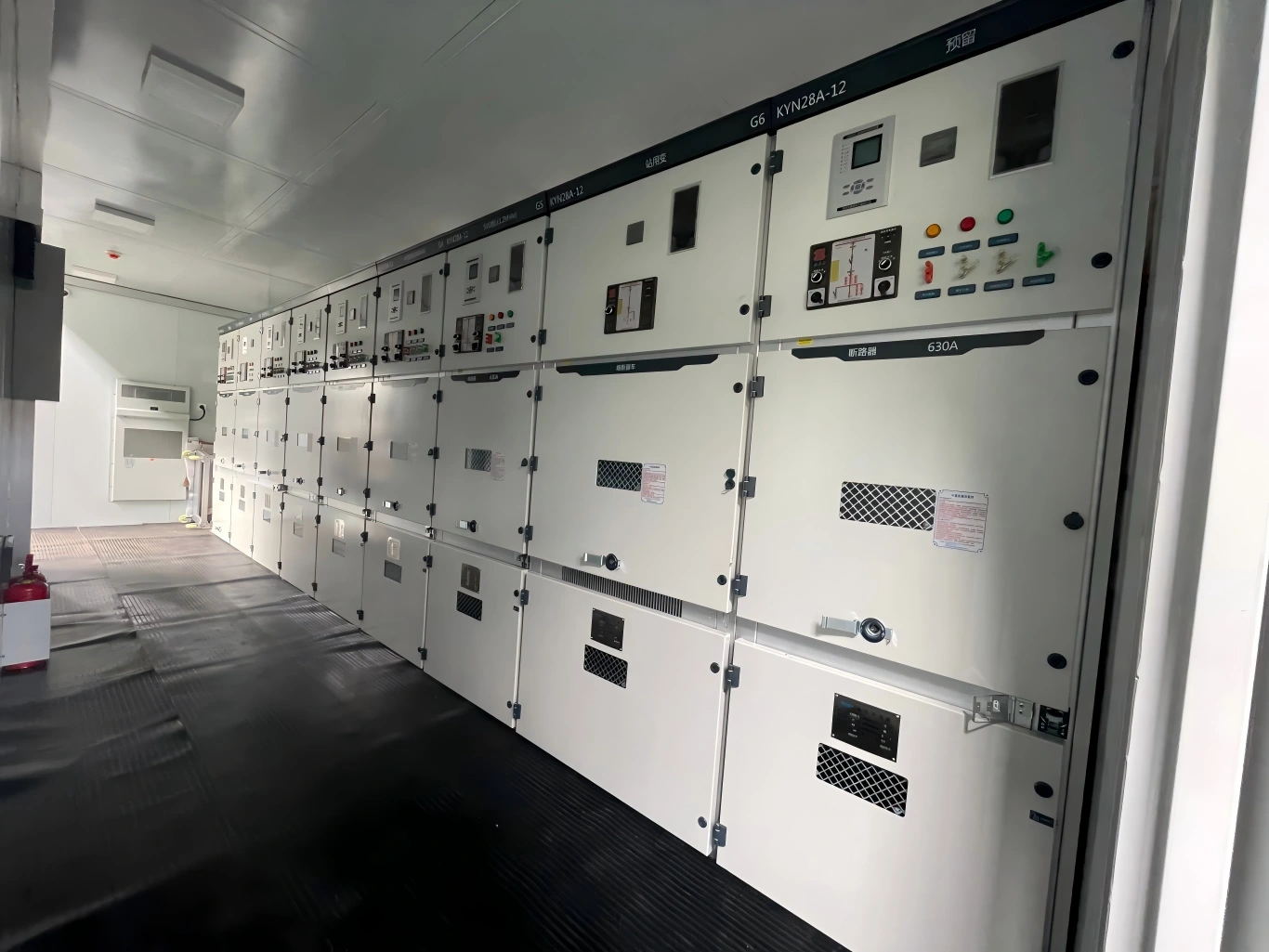
FAQs About Medium Voltage Switchgear Training
1. What is medium voltage switchgear training?
It builds the knowledge and practical skills needed to understand, operate, maintain, test, and troubleshoot MV switchgear while meeting the applicable safety requirements.
2. Who needs medium voltage switchgear training?
Electrical operators, maintenance technicians, commissioning engineers, protection engineers, supervisors, and anyone else working on or near the equipment. Required depth depends on their responsibilities and the regulations that apply.
3. What does MV switchgear training cover?
Components, single-line diagrams, protection and control, safe switching, isolation, grounding, maintenance, testing, troubleshooting, technical documentation, and practical competency assessment.
4. Does a switchgear training certificate make someone a qualified person?
Not automatically. A certificate confirms course completion. Qualification depends on the applicable requirements and on demonstrated knowledge and skills. In the U.S., OSHA looks at training plus demonstrated skills and knowledge.
5. Can MV switchgear training be completed online?
Partly. Equipment fundamentals, electrical principles, safety concepts, and standards work fine online. Operating, racking, testing, and anything equipment-specific needs hands-on or supervised time on the gear.
6. How often should MV switchgear training be repeated?
It depends on local regulations, company procedures, the job, the equipment, and the risk. Extra training is also needed after a job change, a new installation, a procedure change, an incident, an audit finding, or a long stretch without performing a critical task.
Train for the Task, Not the Certificate
A strong medium voltage switchgear training program answers three questions:
What does this person need to know?
What does this person need to do?
How do we verify they can do it safely?
Engineers need depth on protection, control, system configuration, and digital communication. Maintenance technicians need inspection, testing, troubleshooting, and the quirks of the specific model in front of them. Operators need switching, isolation, status verification, and procedures they can follow under pressure.
At Wondon, we build MV and LV distribution equipment for industrial, infrastructure, and renewable projects, and we configure switchgear around the rating, system arrangement, and site conditions you are actually dealing with.
If you are evaluating MV switchgear for a project, send us the single-line diagram, the technical specification, or the equipment requirements. We will talk through the configuration and the details that matter for your application. Wondon responds to technical and project inquiries within 12 hours and provides support from product selection and drawing confirmation through production and delivery. Our engineers and sales team work closely with customers to keep each project on track.