

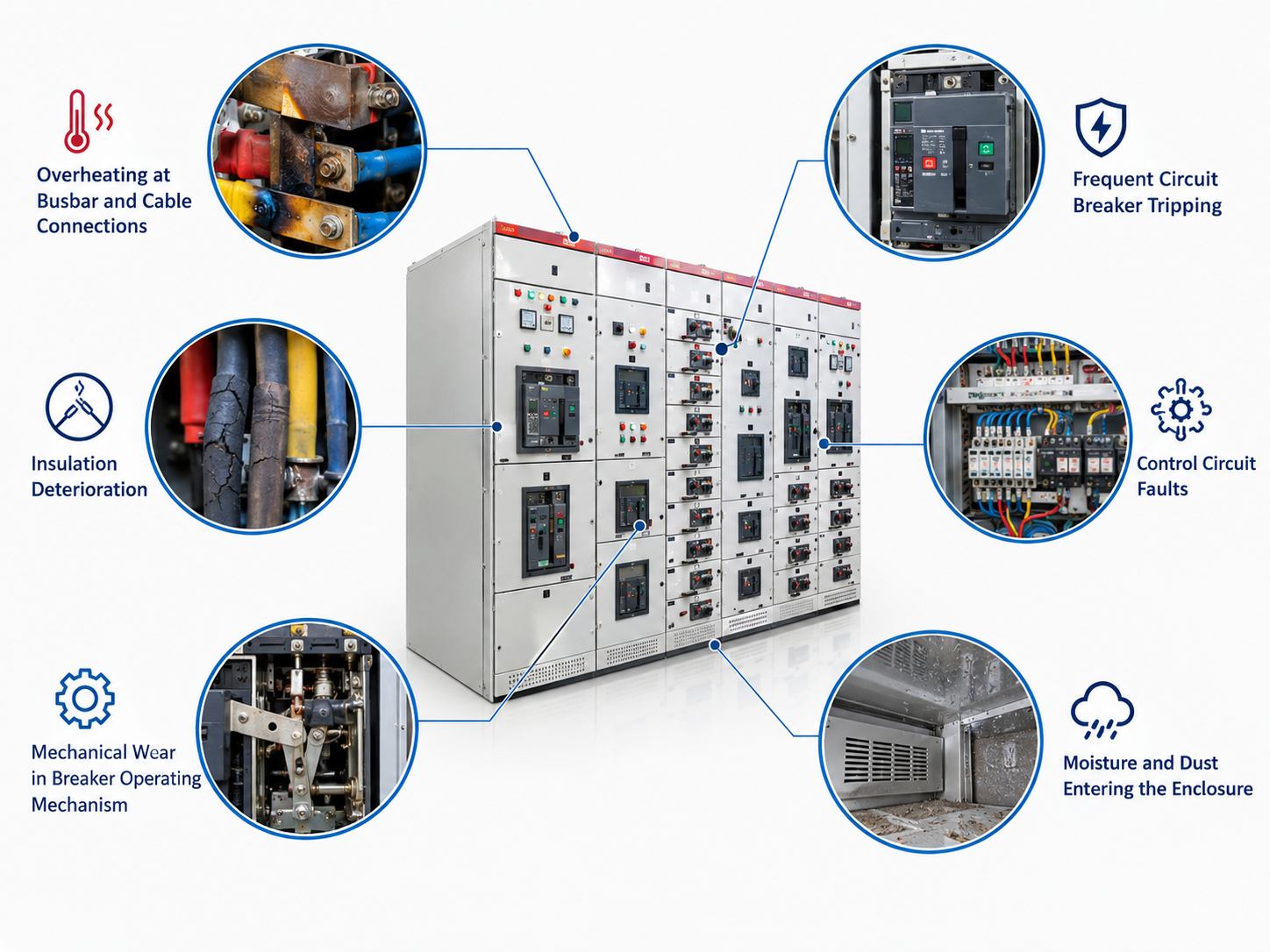
Low voltage switchgear problems can affect industrial facilities, commercial buildings, data centers, infrastructure, and renewable energy projects. These problems may include overheating, frequent circuit breaker tripping, reduced insulation performance, control circuit faults, and mechanical components becoming difficult to operate.
Low voltage switchgear receives, distributes, and controls electrical power while using components such as circuit breakers, busbars, and protection devices to keep the power distribution system operating safely. Under normal conditions, it can provide stable, long-term operation. However, during actual project operation, installation methods, load conditions, protection settings, operating environment, and maintenance practices can all affect equipment reliability.
If you are responsible for a power distribution project and notice abnormal switchgear behavior, I do not recommend immediately replacing a component. Instead, we can start with four steps: symptoms, causes, inspection, and corrective action. This approach helps us gradually narrow down the source of the fault.
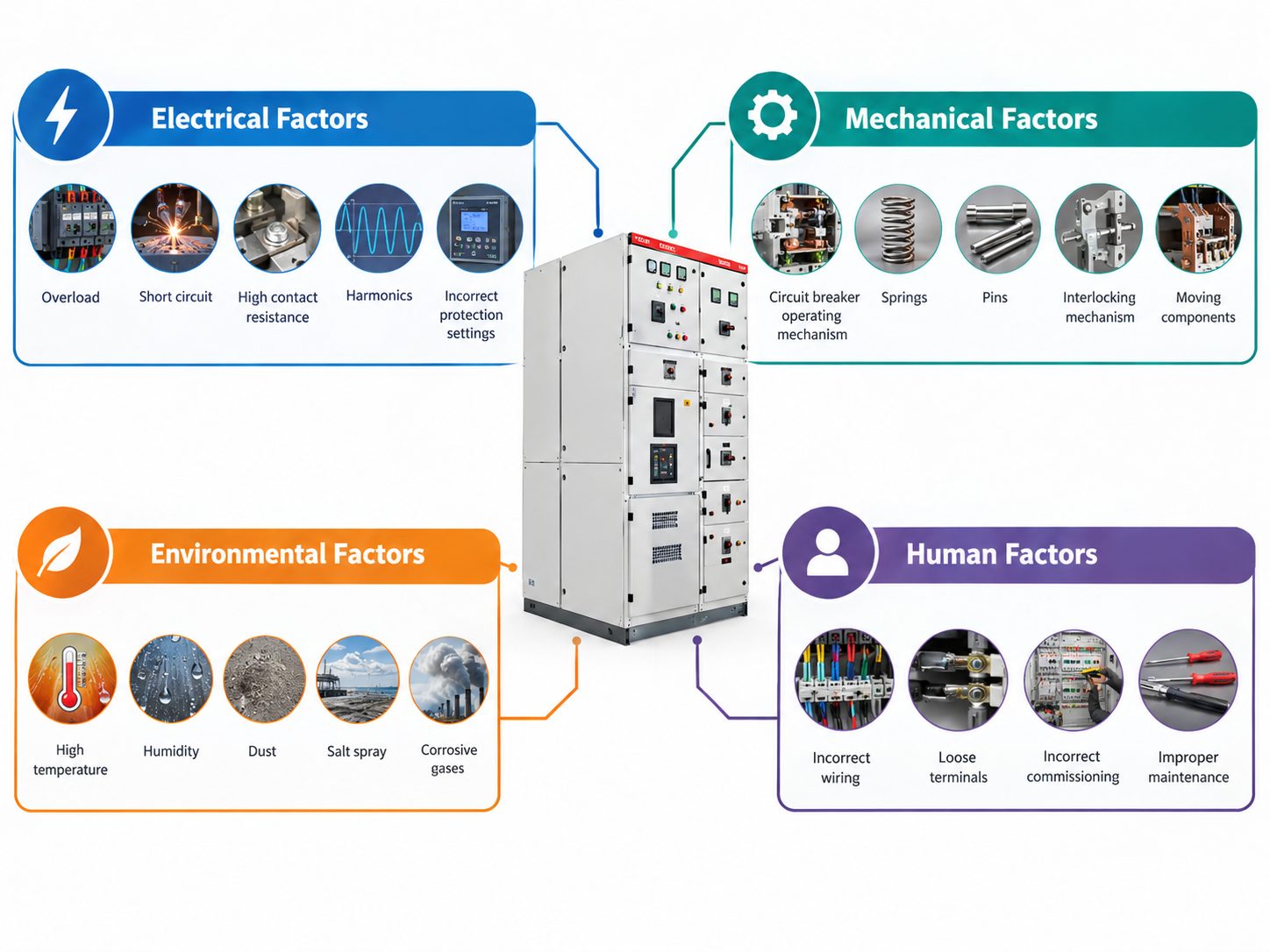
Why Do Low Voltage Switchgear Problems Occur?
Low voltage switchgear problems usually come from four main areas: electrical factors, mechanical factors, environmental factors, and human factors.
Electrical Factors
These include overload, short circuits, increased contact resistance, abnormal voltage, harmonics, and inappropriate protection settings.
Mechanical Factors
These mainly involve circuit breaker operating mechanisms, interlocking mechanisms, springs, pins, and moving connection components. After long-term operation, these parts may wear out or become difficult to operate smoothly.
Environmental Factors
These include high temperature, high humidity, dust, salt spray, and corrosive gases. For projects in mining, water treatment, chemical processing, coastal areas, and tropical regions, these factors deserve particular attention.
Human Factors
These problems often occur during installation, commissioning, and maintenance. For example, terminals may not be tightened according to requirements, cables may be connected incorrectly, protection settings may be incorrect, or maintenance personnel may not follow the manufacturer’s instructions.
Therefore, when troubleshooting low voltage switchgear problems, we need to examine both the equipment itself and the overall system environment.
Common Low Voltage Switchgear Problems
1. Switchgear Overheating
Overheating is one of the more common problems that can occur during the operation of power distribution equipment.
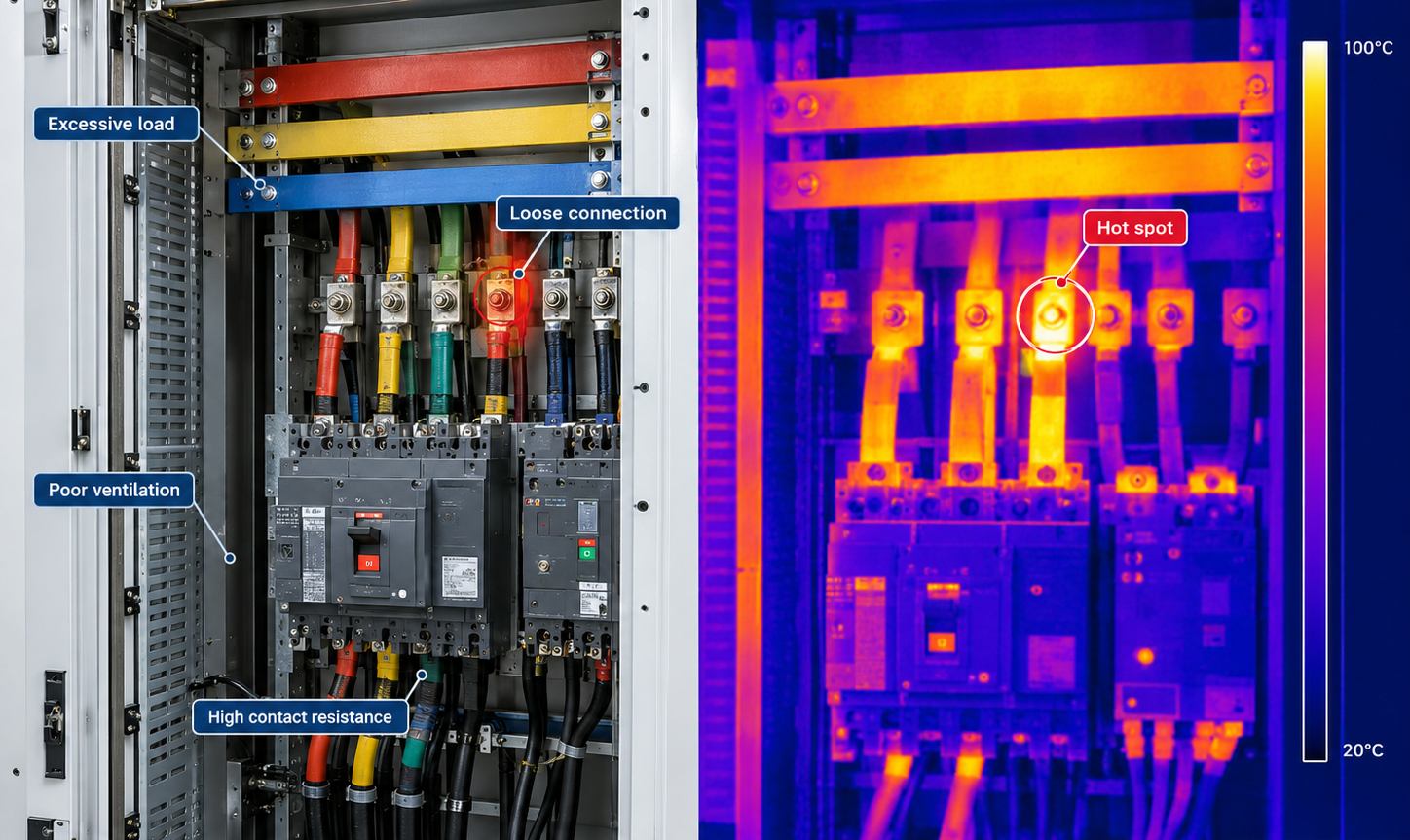
You may notice discoloration or burn marks around terminals or busbar connections, or you may smell a noticeable burning odor. If you use an infrared thermal imaging camera, you may also find that one connection point has a significantly higher temperature than the surrounding areas.
Why Does Low Voltage Switchgear Overheat?
Poor Electrical Connections
When terminals, busbar connections, or cable joints do not make reliable electrical contact, contact resistance may increase. As current flows through the high-resistance point, it generates more heat.
As the temperature rises, the connection can deteriorate further. This may eventually create a localized hotspot that continues to develop.
Excessive Load
If the actual operating current remains above the design capacity of the equipment, circuit breaker, busbar, or cable, the equipment may continue to generate excessive heat.
We should distinguish between short-term high loads and long-term overloads. A proper assessment should consider the equipment’s rated parameters and actual site operating conditions.
Poor Ventilation
Switchgear generates a certain amount of heat during operation. If air circulation inside the enclosure becomes restricted, or if the installation space around the cabinet is too narrow, heat cannot dissipate efficiently. As a result, the overall internal temperature may increase.
Harmonic Current in Systems with Large Amounts of Electronic Equipment
Systems containing variable frequency drives, UPS systems, power electronic equipment, and some renewable energy equipment may generate significant harmonic currents.
Under certain conditions, harmonics can increase additional losses in conductors and electrical equipment, resulting in extra heat generation.
How Can You Troubleshoot Overheating?
Start by identifying where the abnormal temperature rise occurs rather than immediately replacing the entire switchgear.
We can use infrared thermal imaging to locate hotspots and then inspect the corresponding terminals, busbar joints, cable connections, and circuit breaker contacts.
At the same time, measure the operating current and check whether the three-phase load is balanced.
If the hotspot is concentrated at one connection while other similar connection points remain at normal temperatures, the connection quality should usually be one of the first things to check.
2. Frequent Circuit Breaker Tripping
Circuit breaker tripping does not necessarily mean that the circuit breaker itself has failed.
Its basic function is to interrupt the circuit when it detects abnormal current or another protection condition. Therefore, the real question we need to answer is:
Why does the circuit breaker think the system has an abnormal condition?
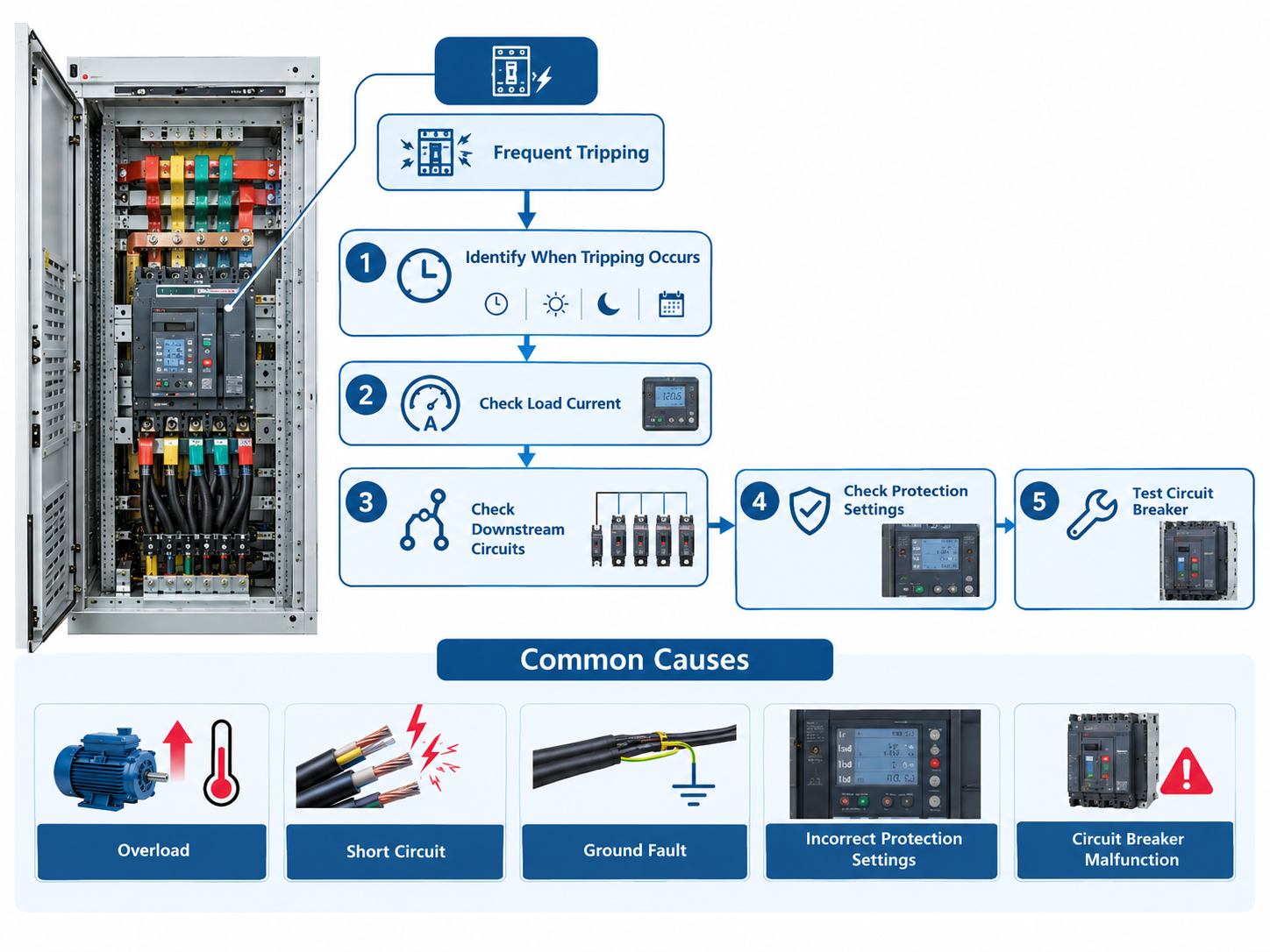
What Are the Common Causes?
The first possibility is overload.
When the actual load current continuously exceeds the circuit breaker’s setting range, the protection device may trip.
The second possibility is a short circuit or ground fault.
We should investigate these faults first because the fault current can rise rapidly and create greater risks to both equipment and personnel.
The third possibility is incorrect protection settings.
For example, if the long-time, short-time, instantaneous, or ground-fault protection settings of an electronic circuit breaker do not match the actual system requirements, the breaker may trip unnecessarily or fail to provide timely protection.
In addition, an aging circuit breaker, an abnormal trip unit, or a fault in downstream equipment can also cause frequent tripping.
What Should You Do When a Circuit Breaker Trips Frequently?
We recommend troubleshooting in the following order.
Step 1: Confirm When the Breaker Trips
Does it trip immediately when the equipment starts, or does it trip after running for some time?
Different timing patterns often point to different types of problems.
Step 2: Check the Actual Load Current
Confirm whether the system has a continuous overload or significant three-phase load imbalance.
Step 3: Check the Downstream Circuits
If the circuit breaker trips immediately every time you energize a particular branch circuit, focus your inspection on that branch.
Step 4: Check the Protection Settings
Confirm that the circuit breaker settings match the design calculations and the system’s protection coordination requirements.
Step 5: Test the Circuit Breaker
If the external circuits show no obvious problems, further inspect the trip unit, mechanical mechanism, and related protection functions.
One point deserves special attention:
Do not simply increase the circuit breaker’s trip settings to “solve” frequent tripping.
If the system actually has a fault, increasing the protection threshold may only hide the problem while reducing the level of protection.
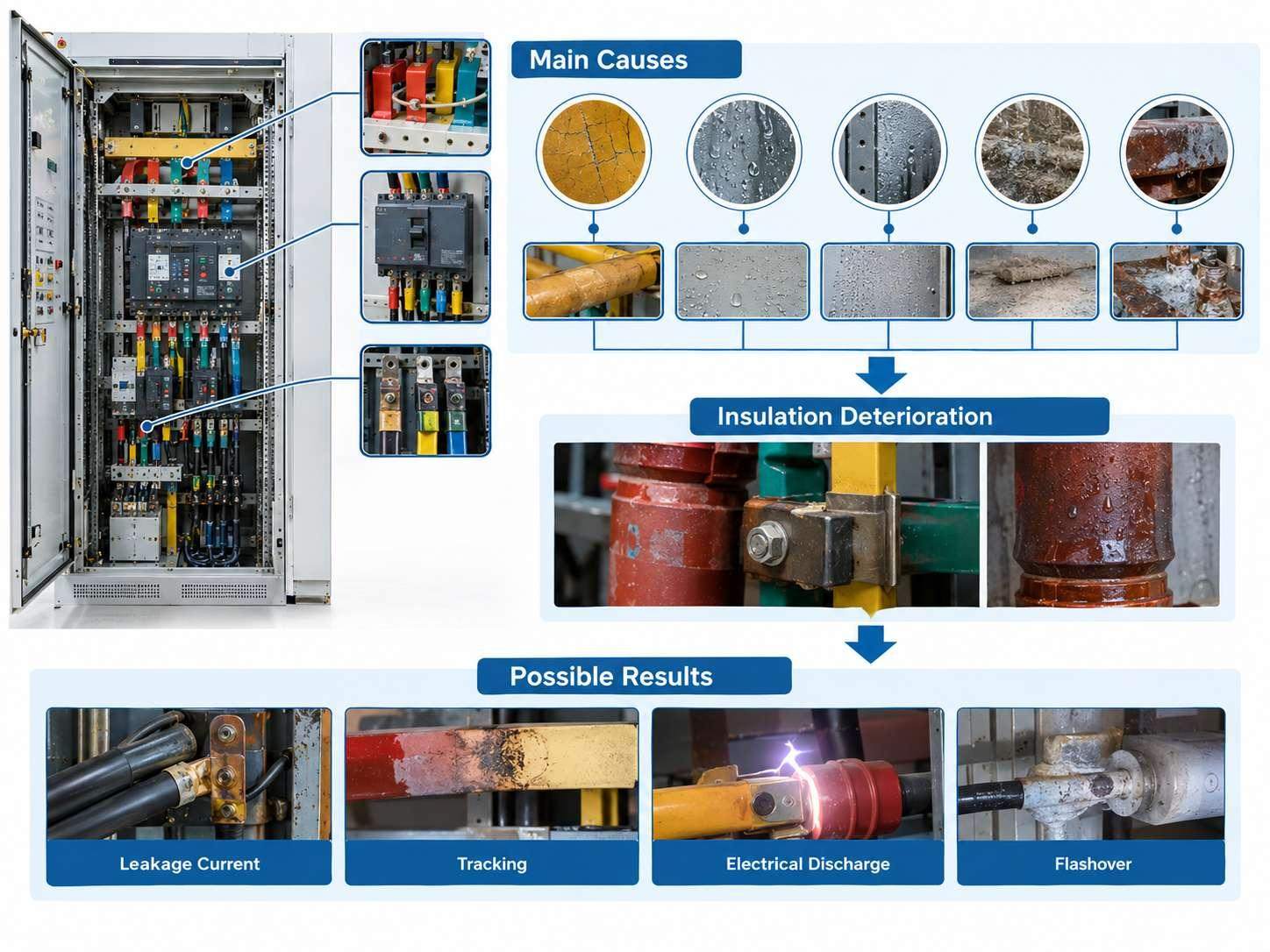
3. Insulation Failure
The insulation system keeps different electrical potentials reliably separated.
When insulation performance deteriorates, the system may experience leakage current, tracking, electrical discharge, or even flashover. Therefore, you should treat insulation-related problems seriously.
What Causes Insulation Performance to Deteriorate?
Aging Insulation Materials
As equipment operates over time, some insulation materials may gradually deteriorate due to thermal, mechanical, and electrical stress.
Moisture and Condensation
When the temperature inside the cabinet changes, moisture in the air may condense on insulation surfaces. This can increase leakage current across the insulation surface.
Dust and Contaminants
Dry dust may mainly affect heat dissipation. However, when dust absorbs moisture or mixes with other contaminants, it may reduce the electrical performance of insulation surfaces.
Corrosive Gases and Salt Spray
For chemical plants, mining operations, water treatment facilities, and coastal projects, you also need to consider the effects of corrosive gases and salt spray.
How Can You Check for Insulation Problems?
You can perform an insulation resistance test according to the equipment type and the manufacturer’s requirements.
If the test result is significantly lower than the normal level, investigate the underlying cause further.
For example, determine whether the problem comes from aging insulation materials or from moisture and contamination inside the cabinet.
If surface contamination causes the problem, cleaning and drying may restore part of the insulation performance. However, if an insulation component has cracks, carbonization, or severe aging, replacement is usually necessary.
4. Control Circuit Faults
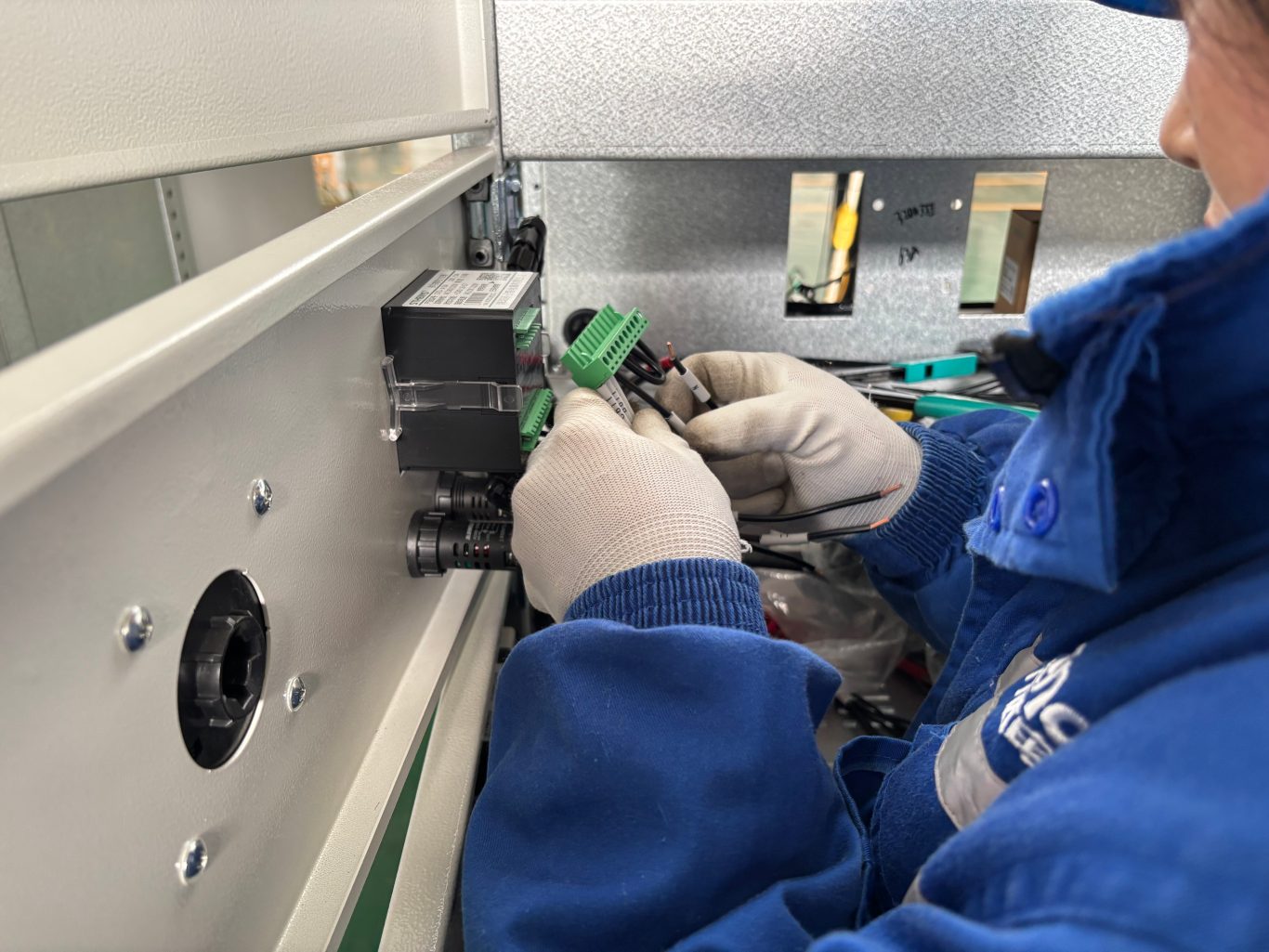
For switchgear equipped with motor-operated mechanisms, remote control, automatic transfer, or intelligent monitoring functions, the main circuit is only part of the system.
The control circuit can also develop faults.
For example, site personnel may find that:
- The circuit breaker cannot close.
- The circuit breaker cannot open.
- Local operation works, but remote operation fails.
- The automatic control function does not work.
- Alarm signals behave abnormally.
All of these symptoms may relate to the control circuit.
What Are the Common Causes?
The control power supply may be abnormal. Other possible causes include faulty relays, fuses, auxiliary contacts, push buttons, sensors, or control wiring.
If the equipment connects to a PLC, building management system, or another automation system, you should also consider communication problems and control logic.
How Can You Quickly Identify the Problem?
Start by checking:
Does local operation work normally?
If local operation works but remote control fails, the problem is more likely to involve the remote control wiring, communication system, or automation logic.
If neither local nor remote operation works, check the control power supply, operating coil, interlocking conditions, and related components.
This symptom-based approach helps us narrow down the fault more efficiently than replacing components one by one.
5. Mechanical Component Wear
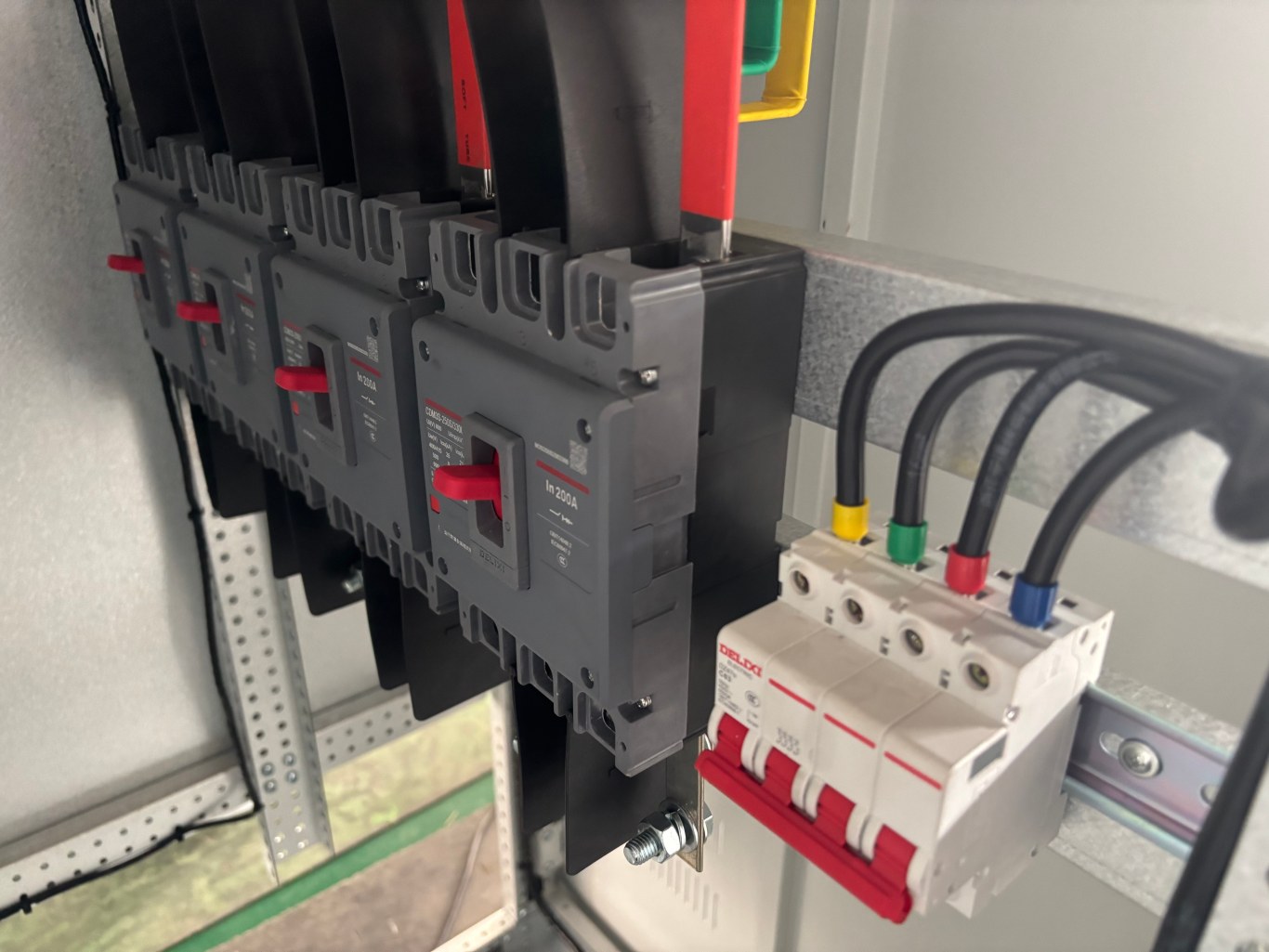
Low voltage switchgear contains many moving mechanical components, especially the circuit breaker and its operating mechanism.
After long-term operation, you may encounter problems such as a sticking operating mechanism, reduced spring performance, worn pins, or abnormal interlocking mechanisms.
Common Symptoms
You may notice an abnormal circuit breaker operating handle, resistance during closing or opening, or unusual sounds during operation.
For withdrawable switchgear, you should also check whether the cradle mechanism, withdrawal and insertion operations, and position interlocking function correctly.
Why Do Mechanical Faults Occur?
Mechanical components naturally experience wear during long-term operation.
If the equipment operates in a dusty, humid, or corrosive environment, wear and corrosion may progress more quickly.
Incorrect lubrication or the use of an unsuitable lubricant can also affect the operating mechanism.
Therefore, lubrication does not simply mean “the more lubricant, the better.” Follow the manufacturer’s maintenance requirements and use the recommended lubrication method.
6. Moisture and Dust Entering the Enclosure
This issue deserves particular attention for outdoor equipment and projects in high-humidity areas.
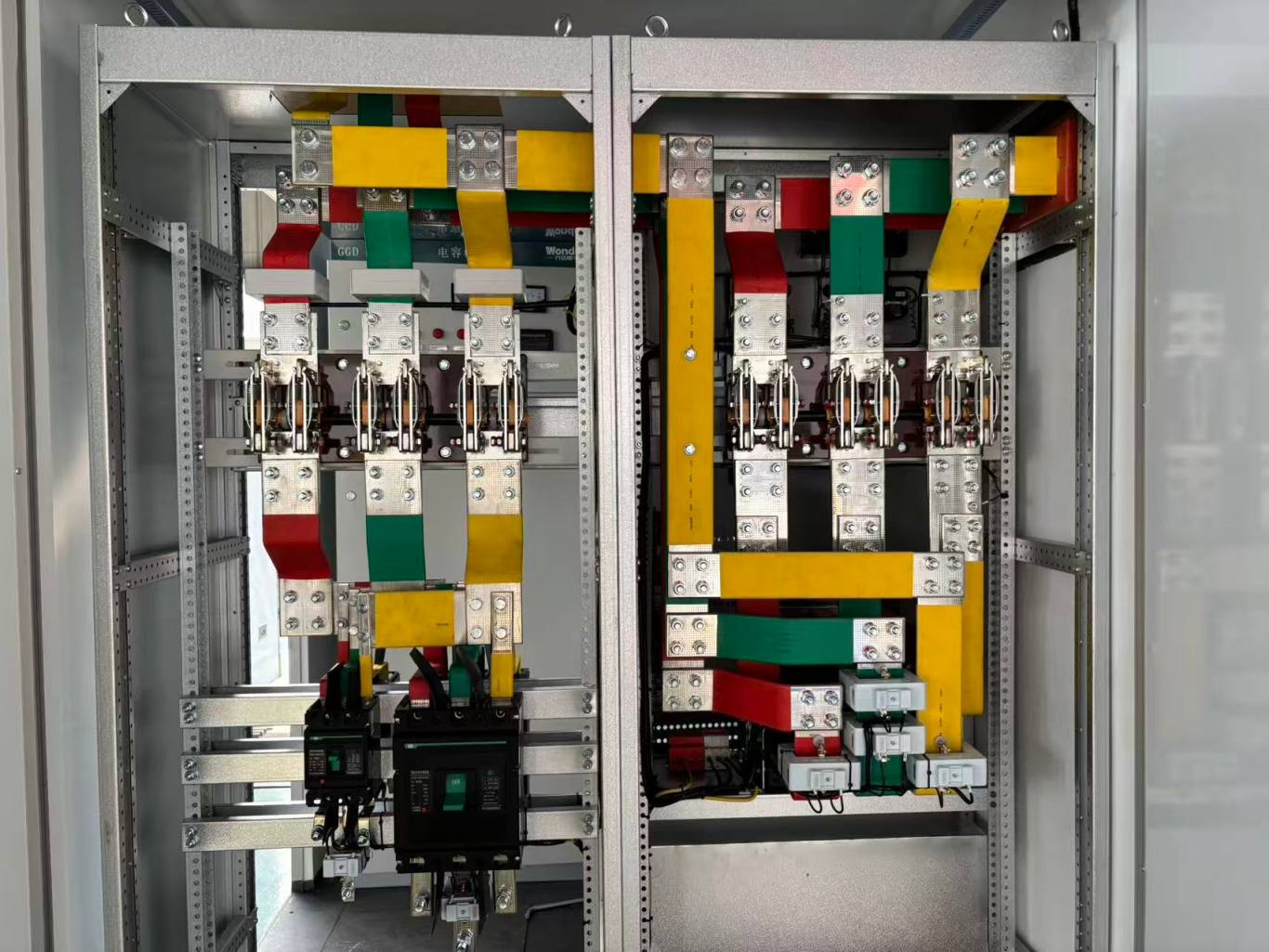
When moisture enters the enclosure, it can cause metal corrosion, reduced insulation performance, and condensation.
Dust can accumulate on insulation components, ventilation passages, and electrical connection points.
When dust combines with moisture, the problem can become more serious.
Therefore, if your project is located in a coastal, tropical, high-humidity, or dusty industrial environment, you should not manage the equipment using the same maintenance schedule as ordinary indoor switchgear.
Often Overlooked Low Voltage Switchgear Problems
In addition to the common faults above, some problems can easily go unnoticed during routine inspections.
1. Three-Phase Load Imbalance
Ideally, the loads in a three-phase system should remain as balanced as possible.
If one phase carries significantly more current for an extended period, it may result in increased localized temperature rise.
Therefore, when you find a significant difference between three-phase currents, do not inspect only the switchgear. You should also check the downstream load distribution.
2. Additional Heating Caused by Harmonics
Modern power distribution systems increasingly use UPS systems, variable frequency drives, rectifiers, server power supplies, and renewable energy equipment.
These devices may generate harmonic currents.
When harmonic levels become high, they may increase additional losses in conductors, transformers, and other power distribution equipment.
Therefore, for data centers, industrial automation projects, and renewable energy projects, you should monitor power quality in addition to checking current levels.
3. Poor Protection Coordination
A power distribution system normally contains multiple protection levels.
For example:
Main incoming circuit breaker → Busbar → Branch circuit breaker → Final load
If the upstream and downstream circuit breakers do not coordinate properly, an upstream breaker may also trip when a fault occurs downstream.
As a result, a localized fault can cause a much larger power outage.
For industrial production facilities, data centers, and critical infrastructure, this situation can directly affect system availability.
4. Incorrect Circuit Breaker Settings
Selecting the correct rated current for a circuit breaker does not necessarily mean that its protection settings are correct.
For circuit breakers with electronic trip units, you should also check the long-time, short-time, instantaneous, and ground-fault protection settings according to the system design.
The settings should match the actual load, available short-circuit current, and protection coordination requirements between upstream and downstream devices.
5. Insufficient Short-Circuit Rating
This is an important consideration during procurement and engineering design.
When selecting circuit breakers and switchgear, you should not look only at the rated current.
You also need to confirm the prospective short-circuit current of the system and whether the equipment can withstand or interrupt the corresponding fault current.
If the equipment’s short-circuit rating does not meet the project requirements, serious consequences may still occur during a fault even when the normal operating current remains below the rated value.
6. Incorrect IP Rating
The IP rating describes the enclosure’s level of protection against solid foreign objects and water.
For example, a dry indoor electrical room and a humid outdoor environment usually require different enclosure protection levels.
Therefore, when purchasing switchgear, do not simply ask whether it is “waterproof.” Instead, select an appropriate IP rating according to the installation location, dust level, humidity, and potential exposure to water.
How to Troubleshoot Low Voltage Switchgear Problems
If you discover an abnormal condition on site, we recommend that you do not start by dismantling the equipment.
Instead, follow these steps.
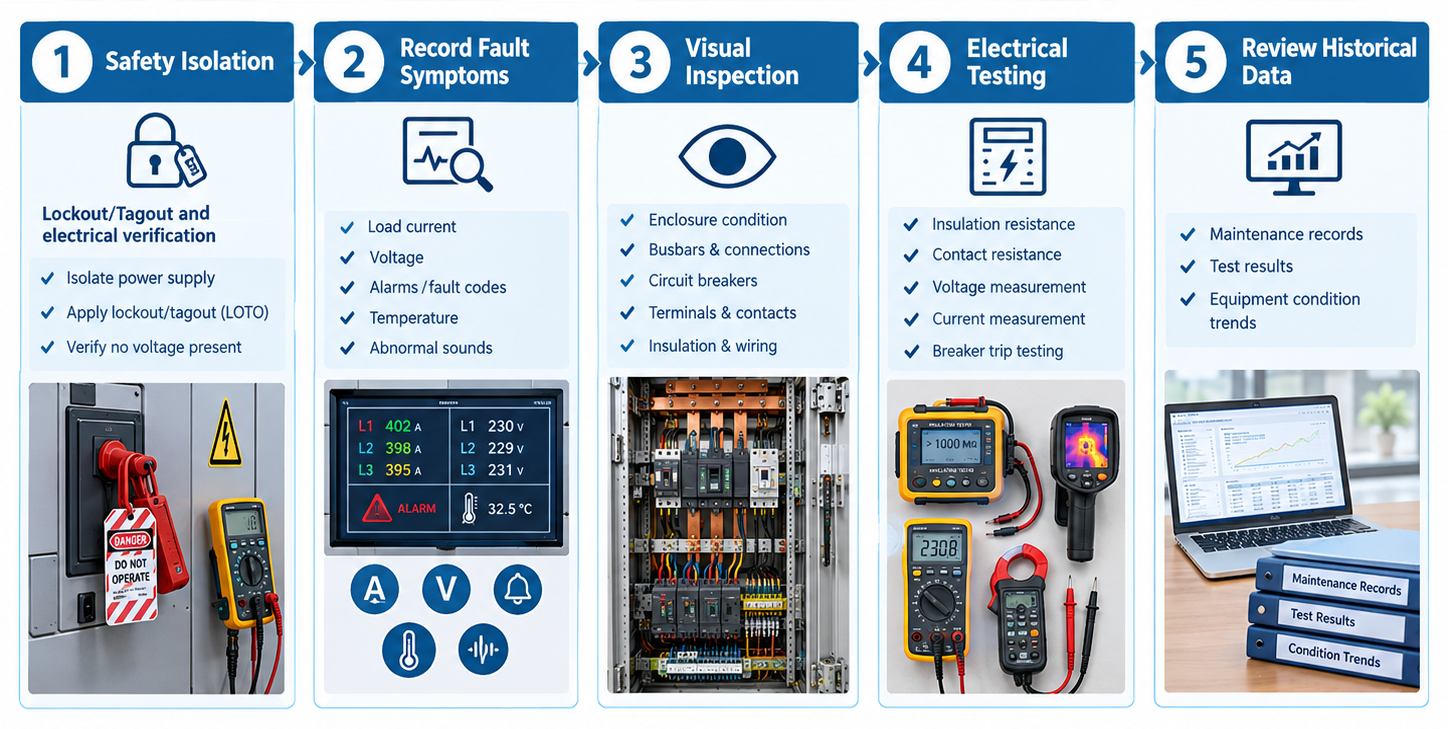
Step 1: Make Sure the Equipment Is in a Safe Condition
Personnel safety should always come first during inspection and maintenance.
Follow the project’s safety procedures for shutdown, isolation, lockout/tagout (LOTO), and electrical verification.
For work that requires energized testing, qualified and experienced personnel should follow the applicable safety procedures.
Step 2: Record the Fault Symptoms
Do not simply write “the switchgear has failed.”
Record as much useful information as possible, including:
- Which circuit has the problem
- When the problem occurred
- Whether it happens repeatedly
- The load current at the time
- Voltage conditions
- Circuit breaker alarm information
- Cabinet temperature
- Any abnormal smell or sound
This information can help engineers quickly identify the likely direction of the fault.
Step 3: Perform a Visual Inspection
Inspect the enclosure, busbars, circuit breakers, terminals, insulation components, and control wiring.
Look specifically for discoloration, burn marks, cracks, corrosion, loose connections, dust, condensation, and abnormal cable heating.
Many early-stage faults can actually be identified through a visual inspection.
Step 4: Perform Electrical Tests
Select the appropriate test method according to the type of fault.
Common tests include:
- Insulation resistance testing
- Contact resistance testing
- Circuit breaker trip testing
- Voltage testing
- Current testing
- Control circuit continuity testing
Testing methods and acceptable ranges vary between equipment types. Therefore, use the manufacturer’s technical documentation and applicable standards when evaluating the results.
Step 5: Review Historical Data
A single measurement only tells us the equipment’s current condition.
If you have saved results from previous tests, you can also examine the trend.
For example, an insulation resistance value may still fall within an acceptable range today. However, if the value has continued to decrease across several tests, it deserves further attention.
For long-term power distribution equipment, trend changes can therefore provide more useful information than a single measurement.
Solutions to Common Low Voltage Switchgear Problems
| Common Problem | What to Check | Possible Solution |
|---|---|---|
| Overheating | Current, terminals, busbars, ventilation | Tighten connections, improve heat dissipation, adjust the load |
| Frequent tripping | Load, short-circuit points, protection settings | Eliminate the fault, optimize settings, or replace faulty components |
| Insulation failure | Insulation resistance, humidity, contamination | Clean and dry the equipment or replace damaged insulation components |
| Control circuit fault | Control power supply, relays, wiring | Repair wiring or replace faulty components |
| Mechanical fault | Operating mechanism, interlocks, moving components | Adjust, lubricate, or replace worn components |
| Moisture and dust | Enclosure sealing, environmental humidity | Improve sealing, ventilation, and environmental control |
Keep in mind that corrective action should address the root cause.
For example, if an overheated terminal results from a loose connection, replacing the terminal without checking the connection method may allow the problem to return.
Low Voltage Switchgear Maintenance Tips
What Is the Difference Between Preventive, Corrective, and Predictive Maintenance?
Preventive maintenance involves inspection and servicing before a fault occurs, such as cleaning, tightening, testing, and visual inspection.
Corrective maintenance involves repairing or replacing components after the equipment develops a fault.
Predictive maintenance focuses more on the actual condition of the equipment. For example, you can use infrared thermal imaging, temperature monitoring, intelligent trip units, and other condition-monitoring methods to identify potential problems.
For important power distribution systems, you can combine all three approaches rather than relying entirely on repairs after a failure occurs.
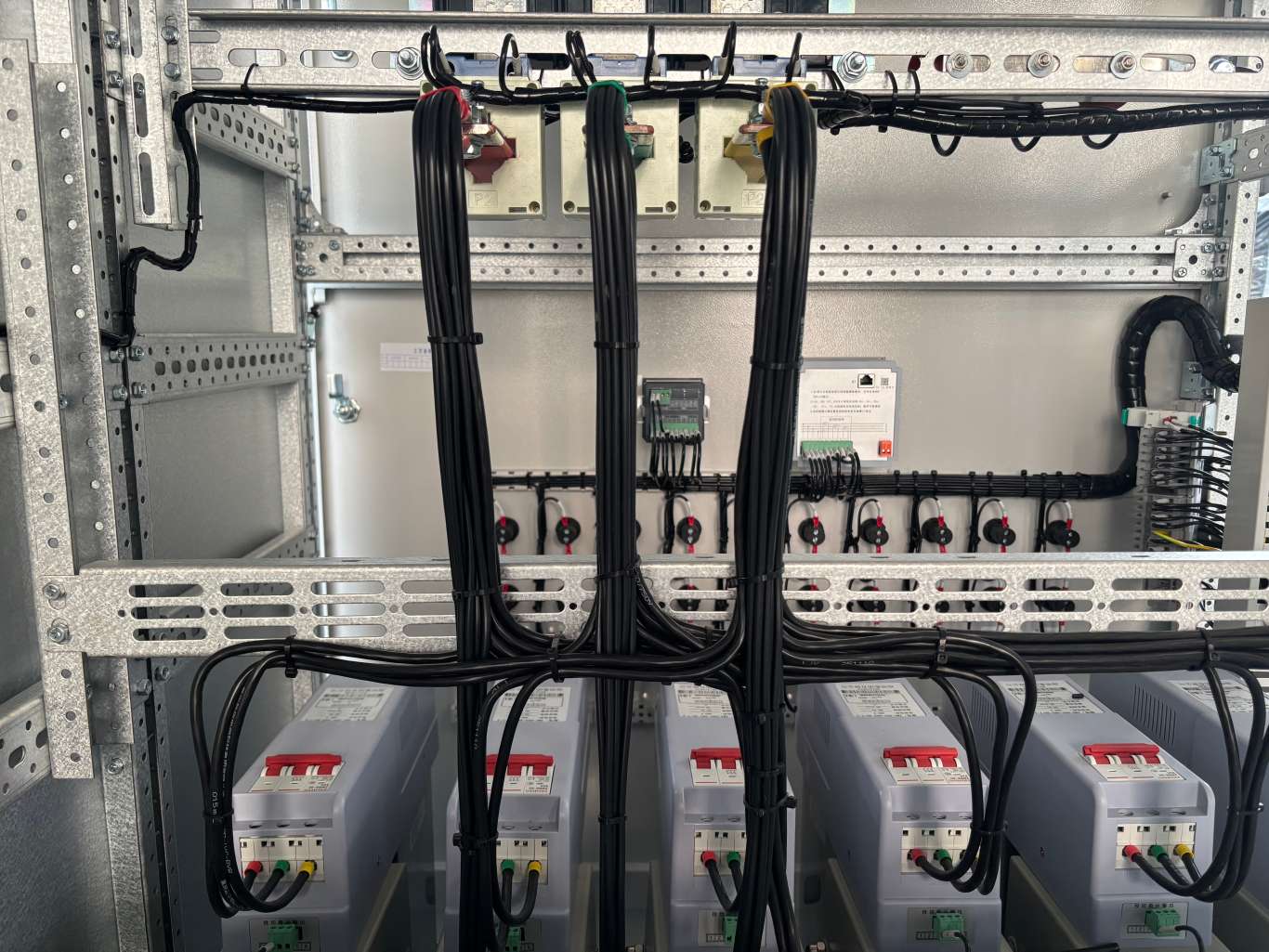
How Often Should Low Voltage Switchgear Be Maintained?
There is no single maintenance interval that applies to every project.
The manufacturer’s requirements, operating load, environmental conditions, operating frequency, and local regulations can all affect the maintenance schedule.
As a general reference, you can consider the following plan:
| Maintenance Item | Typical Frequency |
|---|---|
| Visual inspection | Monthly |
| Cleaning | Every 3-6 months |
| Electrical connection inspection | Annually |
| Infrared thermal imaging | Annually or according to operating conditions |
| Insulation testing | Annually or after a fault |
| Functional testing | Annually |
| Comprehensive preventive maintenance | Every 1-3 years |
| Major overhaul | According to equipment condition and manufacturer’s recommendations |
For high-humidity, dusty, or corrosive environments, you may need to shorten the maintenance interval.
Therefore, the table above should serve as a planning reference rather than a replacement for the manufacturer’s maintenance requirements.
Key Low Voltage Switchgear Maintenance Tasks
1. Strictly Follow Safety Isolation Procedures
Before maintenance, confirm the equipment condition and perform the applicable LOTO and electrical verification procedures.
Safety isolation should always be the first step in maintenance work.
2. Clean Dust and Contaminants Inside the Cabinet
Regularly remove dust from insulation components, busbar areas, and ventilation openings.
For sensitive equipment and electrical cabinets, choose an appropriate cleaning method according to the manufacturer’s requirements.
In many cases, suitable industrial vacuum equipment is more appropriate than directly using compressed air because high-pressure airflow may push dust deeper into the enclosure.
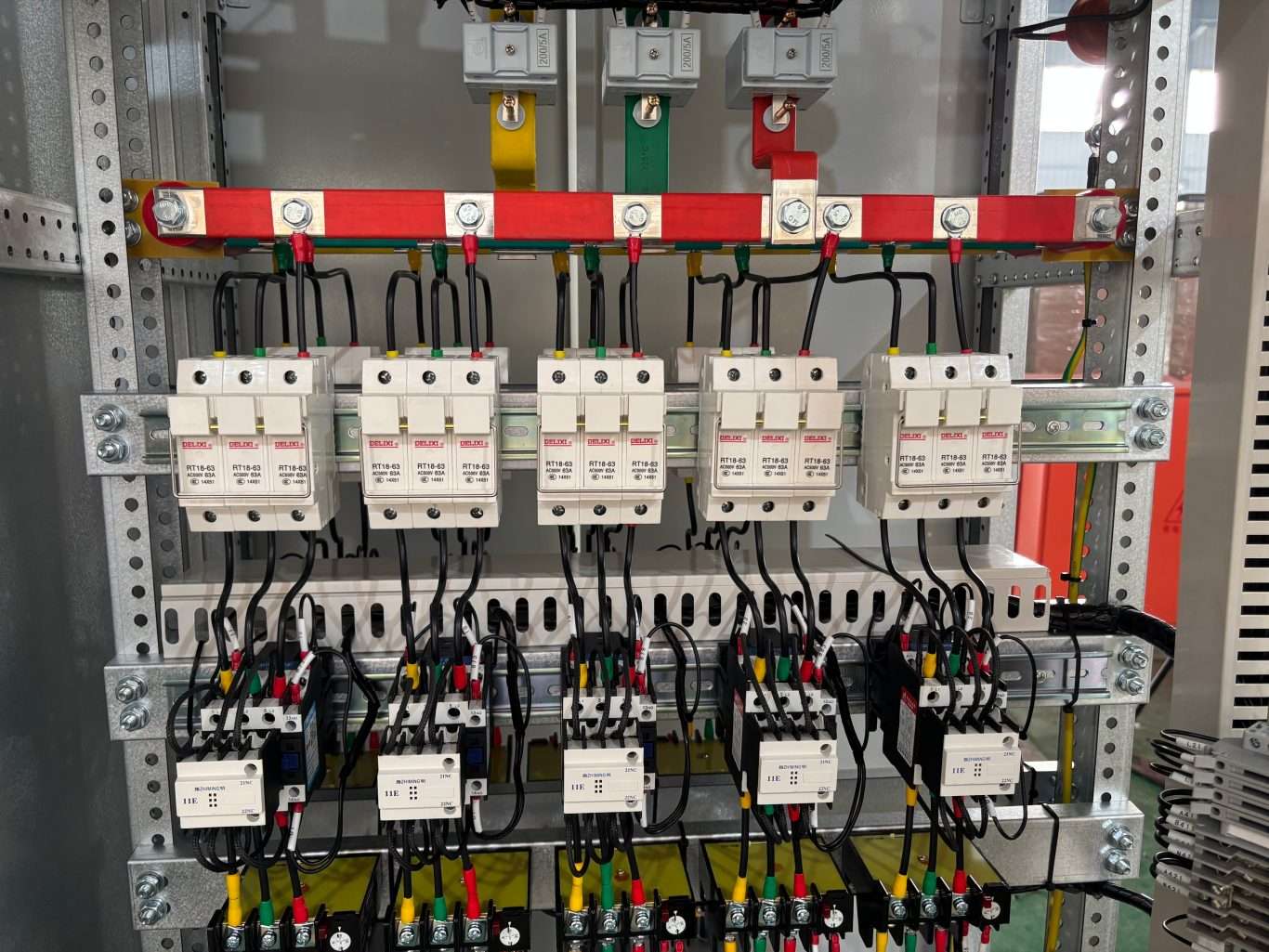
3. Inspect Electrical Connections
Focus on:
- Busbar connections
- Cable terminals
- Circuit breaker connections
- Grounding connections
If the manufacturer specifies tightening torque values, use the appropriate tools and check the connections against those values instead of relying on hand feel.
4. Inspect Circuit Breakers
Check the circuit breaker:
- Physical condition
- Operating mechanism
- Trip function
- Protection settings
- Auxiliary contacts
- Number of operations
If the circuit breaker operates abnormally, determine whether the cause relates to a mechanical problem, an electrical problem, or incorrect protection settings.
5. Perform Insulation Testing
Insulation resistance testing can help determine whether the insulation system has deteriorated significantly.
If the test value changes abnormally, analyze it together with environmental humidity, contamination, equipment temperature, and historical data.
6. Use Infrared Thermal Imaging
Infrared thermal imaging can help us identify abnormal temperature rises that are difficult to detect with the naked eye.
For example, several connection points on the same busbar may have similar temperatures while one connection is significantly hotter. This point deserves further inspection.
Keep in mind that thermal imaging results depend on load, current, ambient temperature, and measurement conditions. Therefore, do not decide that equipment needs replacement based on a single thermal image.
7. Keep Maintenance Records
After each maintenance activity, record:
- Test date and time
- Technician
- Operating current
- Insulation resistance
- Contact resistance
- Thermal imaging results
- Fault records
- Replaced components
As you accumulate this information over time, you can establish an equipment condition trend.
This is particularly valuable for large factories, data centers, and projects containing multiple switchgear cabinets.
How Can You Prevent Low Voltage Switchgear Problems?
The reliability of low voltage switchgear does not depend entirely on maintenance after delivery.
In practice, controlling risks from the procurement and design stages can often be more effective.
Procurement Stage
When selecting equipment, confirm that the technical parameters meet your project requirements.
If your project is located in a high-temperature, high-humidity, dusty, or coastal environment, inform the supplier about these conditions in advance.
Installation Stage
Installation quality directly affects subsequent operation.
Make sure to confirm:
- Correct cable connections
- Proper terminal tightening
- Reliable busbar connections
- Correct grounding
- Correct control wiring
- Level cabinet installation
- Adequate ventilation space
Operation Stage
During operation, continuously monitor:
- Load current
- Three-phase balance
- Temperature rise
- Circuit breaker operation
- Alarm records
- Humidity
- Power quality
For critical projects, you can consider adding online monitoring for temperature, humidity, and electrical parameters.
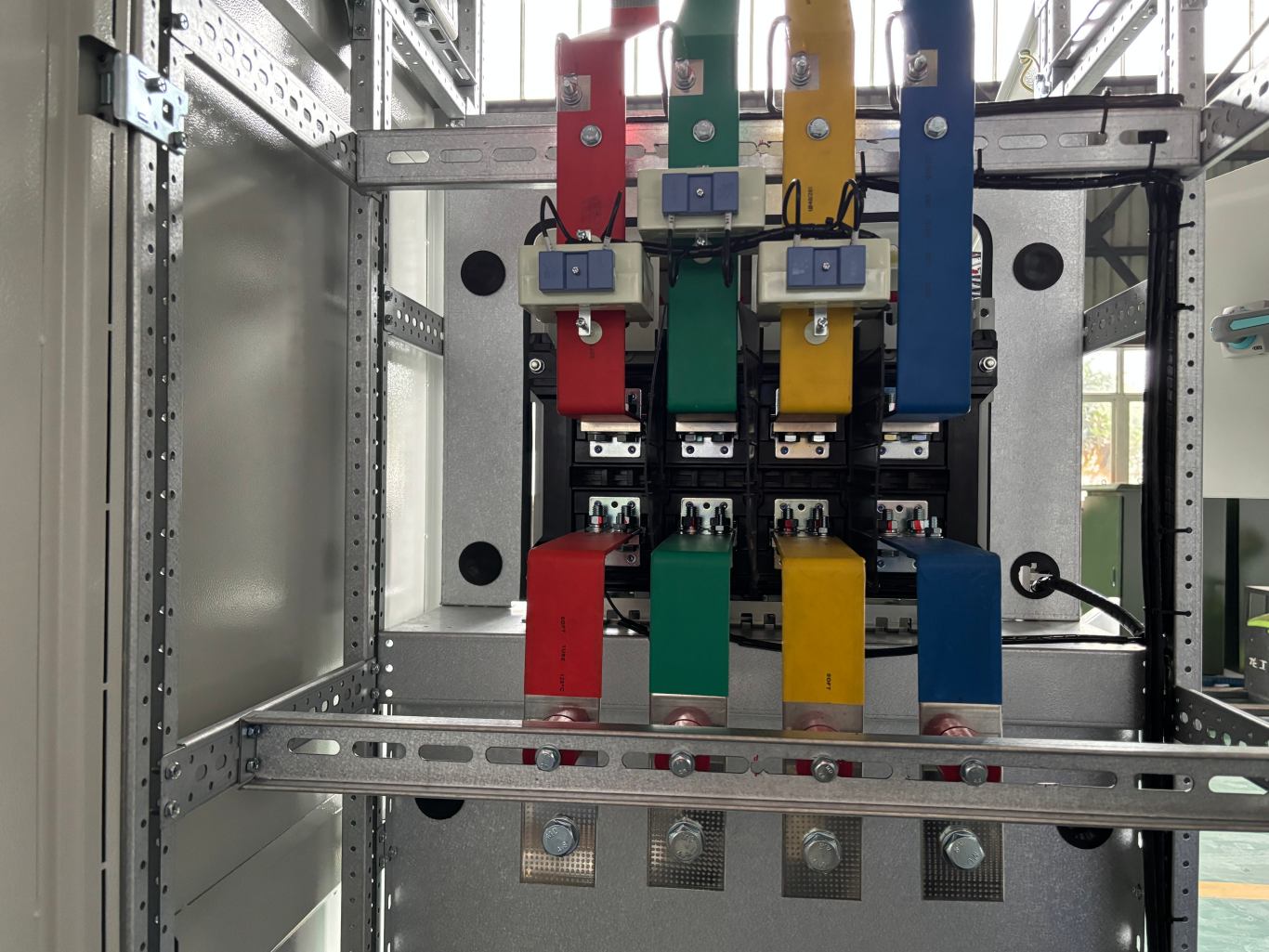
When Should You Repair or Replace Low Voltage Switchgear?
This is a practical question that many project managers need to answer.
Not every fault requires replacement of the entire switchgear lineup.
When Should You Consider Repair First?
If the fault is limited to a specific component and:
- The enclosure structure remains intact.
- The busbars have no serious damage.
- The insulation system remains in good condition.
- Critical spare parts are still available.
- The equipment’s rated parameters still meet the project requirements.
Then you can usually evaluate a repair solution first.
When Should You Consider Replacement?
If the equipment has severe insulation aging, structural damage, or repeated faults of the same type, you should reassess the cost and risk of continued operation.
Replacement deserves particular consideration when:
- Critical components are discontinued.
- Spare parts are difficult to obtain.
- The short-circuit rating no longer meets system requirements.
- Insulation components have severely deteriorated.
- Busbars or the enclosure have suffered serious damage.
- Faults occur frequently.
- Repair costs continue to increase.
- The existing equipment cannot meet new project requirements.
For aging power distribution systems, also consider spare parts availability, downtime losses, and future maintenance costs rather than comparing only the “repair cost” with the “new equipment price.”
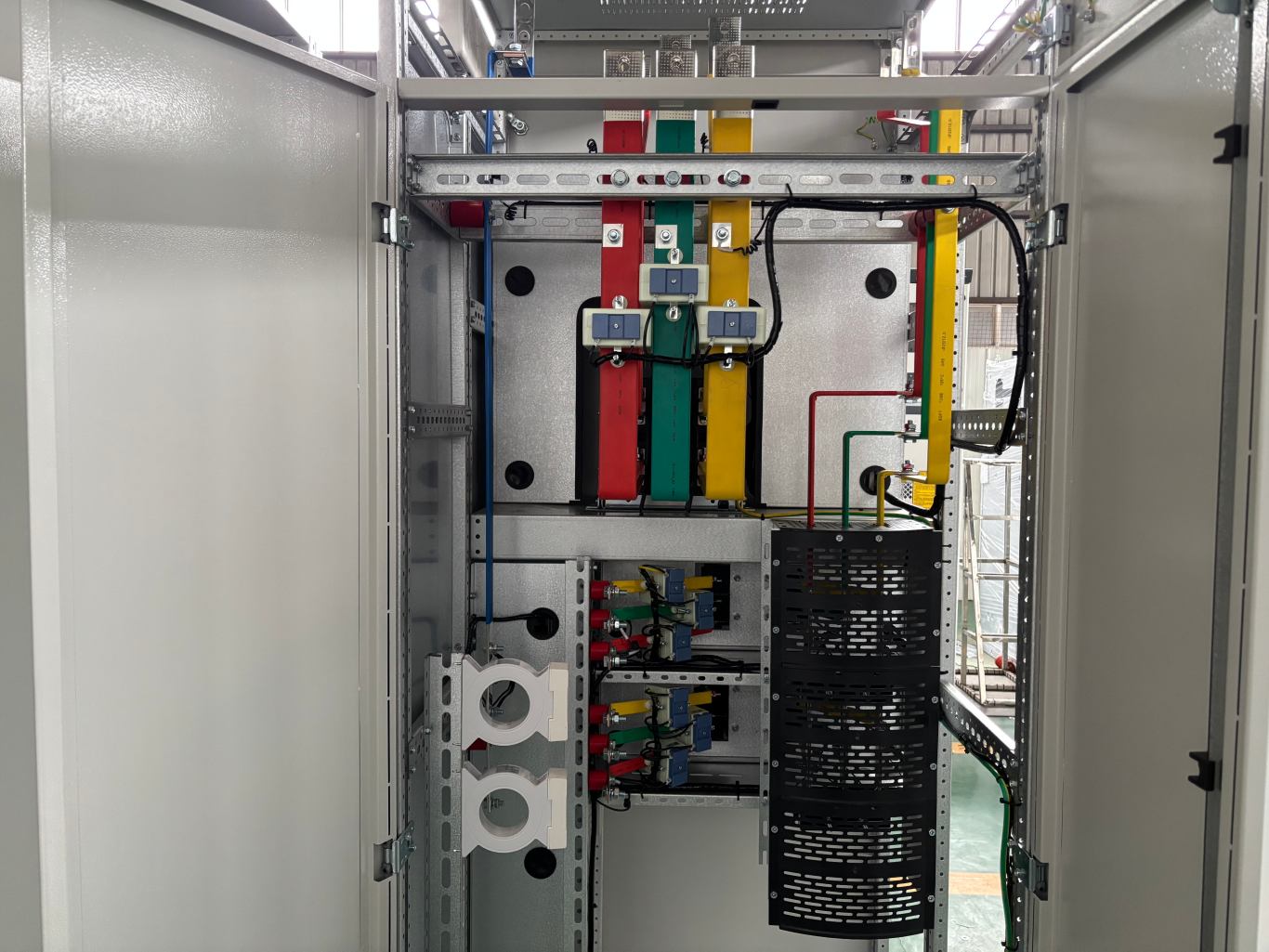
How to Choose Reliable Low Voltage Switchgear for Your Project
If you are purchasing switchgear for a new project, prepare a basic technical parameter sheet before requesting quotations.
For EPC contractors, electrical contractors, and system integrators, confirming these parameters during the design stage can reduce rework during manufacturing, installation, and commissioning.
If your project has complex requirements, you can also provide the supplier with the single-line diagram, load schedule, short-circuit calculation results, and installation environment information during the quotation stage. This allows the supplier’s engineering team to participate in equipment selection at an early stage.
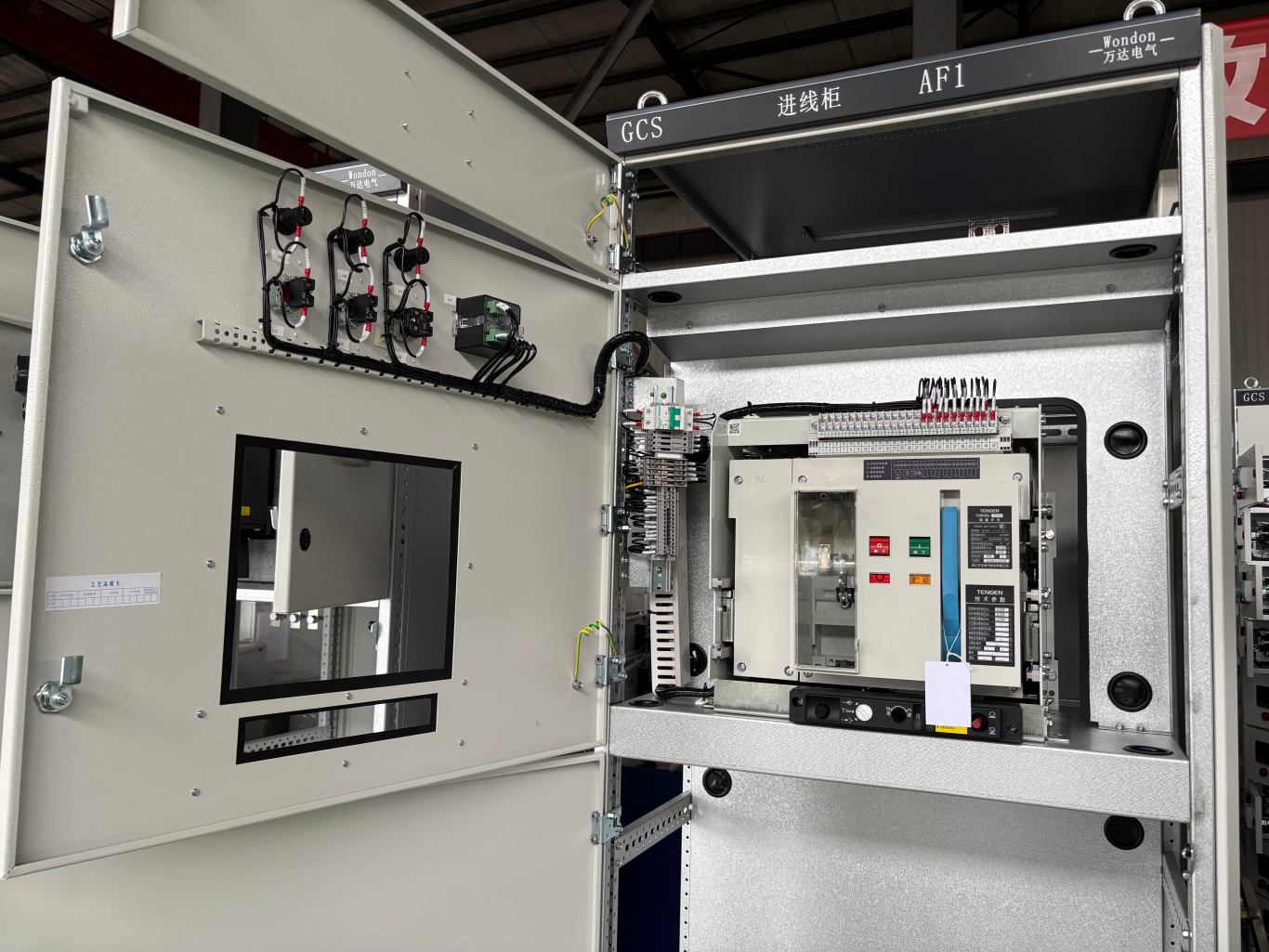
Frequently Asked Questions About Low Voltage Switchgear Problems
1. What Are the Most Common Low Voltage Switchgear Problems?
Common problems include overheating, frequent circuit breaker tripping, reduced insulation performance, control circuit faults, mechanical component wear, and moisture or dust entering the enclosure.
2. Why Does Low Voltage Switchgear Overheat?
Common causes include loose connections, excessive load, increased contact resistance, poor ventilation, three-phase load imbalance, inappropriate conductor selection, and additional heating caused by harmonic currents.
3. How Can I Troubleshoot Frequent Low Voltage Switchgear Tripping?
First, identify when the tripping occurs and check the operating conditions. Then inspect the load current, short-circuit or ground faults, circuit breaker protection settings, and downstream circuits. If the external circuits are normal, test the circuit breaker itself.
4. How Often Does Low Voltage Switchgear Need Maintenance?
The maintenance interval depends on the manufacturer’s requirements, operating environment, load, and equipment condition. As a general practice, perform monthly visual inspections and schedule cleaning, electrical testing, functional testing, and preventive maintenance according to the equipment and environmental conditions.
5. When Should I Replace Low Voltage Switchgear?
You should evaluate replacement when the equipment has severe insulation aging, structural damage, discontinued critical components, insufficient short-circuit capability, frequent faults, or excessively high repair costs.
Conclusion: How Can You Keep Low Voltage Switchgear Reliable for the Long Term?
When low voltage switchgear problems occur, simply replacing the failed component may not provide a complete solution.
We need to consider equipment selection, installation quality, load conditions, protection settings, operating environment, and maintenance records together.
If you are selecting low voltage switchgear for an industrial facility, commercial building, data center, renewable energy project, or infrastructure project, prepare information such as system voltage, rated current, short-circuit parameters, installation environment, and applicable standards in advance.
If you already have a single-line diagram, technical specification, or load data, you can also provide it to the switchgear manufacturer during the quotation stage. The engineering team can then help confirm the cabinet type, busbar system, circuit breakers, and protection solution according to your project requirements.
As a trusted low voltage switchgear manufacturer with more than 14 years of manufacturing and project experience, we are ready to support your project with suitable products and technical solutions. If you are looking for a reliable partner for your electrical project, contact us for the latest quotation and solution.