

Once a solar PV system is built, the challenge is not simply whether it can generate power. You also need to ask: can it deliver that power to the grid safely and reliably? This is where solar grid connection reliability becomes important.
A reliable grid connection system cannot depend on one high-performance inverter alone. It requires the coordinated operation of inverters, switchgear, circuit breakers, protection relays, surge protection devices, grounding systems, transformers, monitoring equipment, and communication systems.
For project owners, EPC contractors, electrical engineers, and equipment procurement teams, the real question is not simply, “What equipment should I buy?” Instead, you need to consider how these electrical devices work together to keep the solar system stable during normal grid conditions and isolate faults when problems occur.
In this article, we will explain the basics of solar grid connection reliability, introduce the key electrical equipment, and discuss how to select and coordinate equipment for a solar grid connection project.
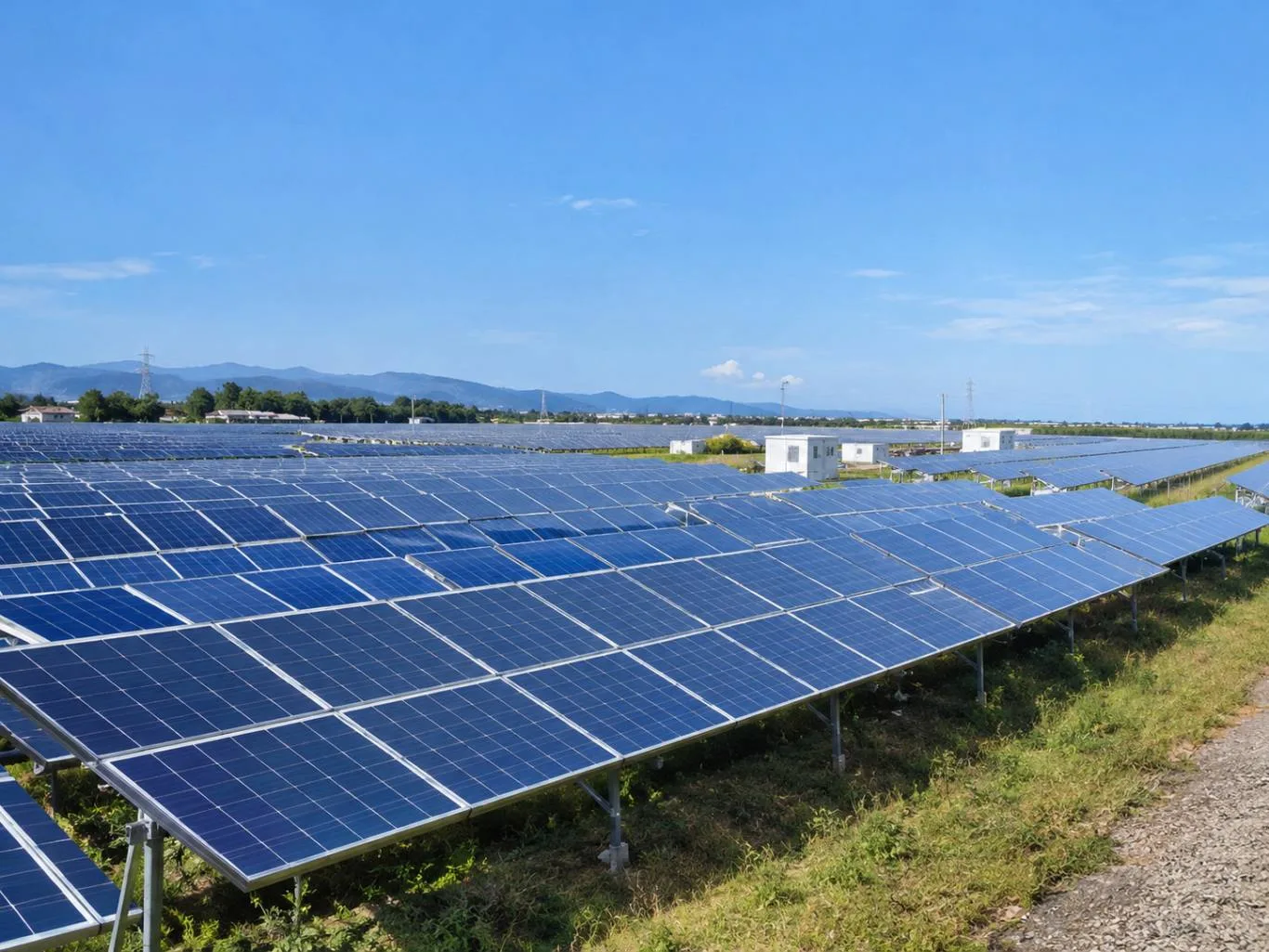
What Does Solar Grid Connection Reliability Mean?
Solar grid connection reliability refers to the ability of a solar PV system to stay safely and stably connected to the grid under permitted operating conditions while responding correctly to voltage, frequency, faults, and other abnormal conditions.
In simple terms, you want your solar system to keep operating when the grid is normal. If a short-term grid disturbance occurs, you do not want the system to trip unnecessarily. However, when electrical conditions actually exceed the permitted limits, the protection system must disconnect the relevant equipment in time.
Therefore, reliability requires a balance between two goals. On one hand, the system should avoid unnecessary trips caused by short-term voltage or frequency changes. On the other hand, the protection system must respond quickly when a serious fault occurs.
For example, a short-term voltage fluctuation does not necessarily mean that the entire solar system should immediately disconnect. When the applicable grid requirements allow it, the inverter may need to remain connected within a specified range and for a specified duration. If the voltage or frequency exceeds the permitted limits, or the abnormal condition lasts too long, the protection system should take action.
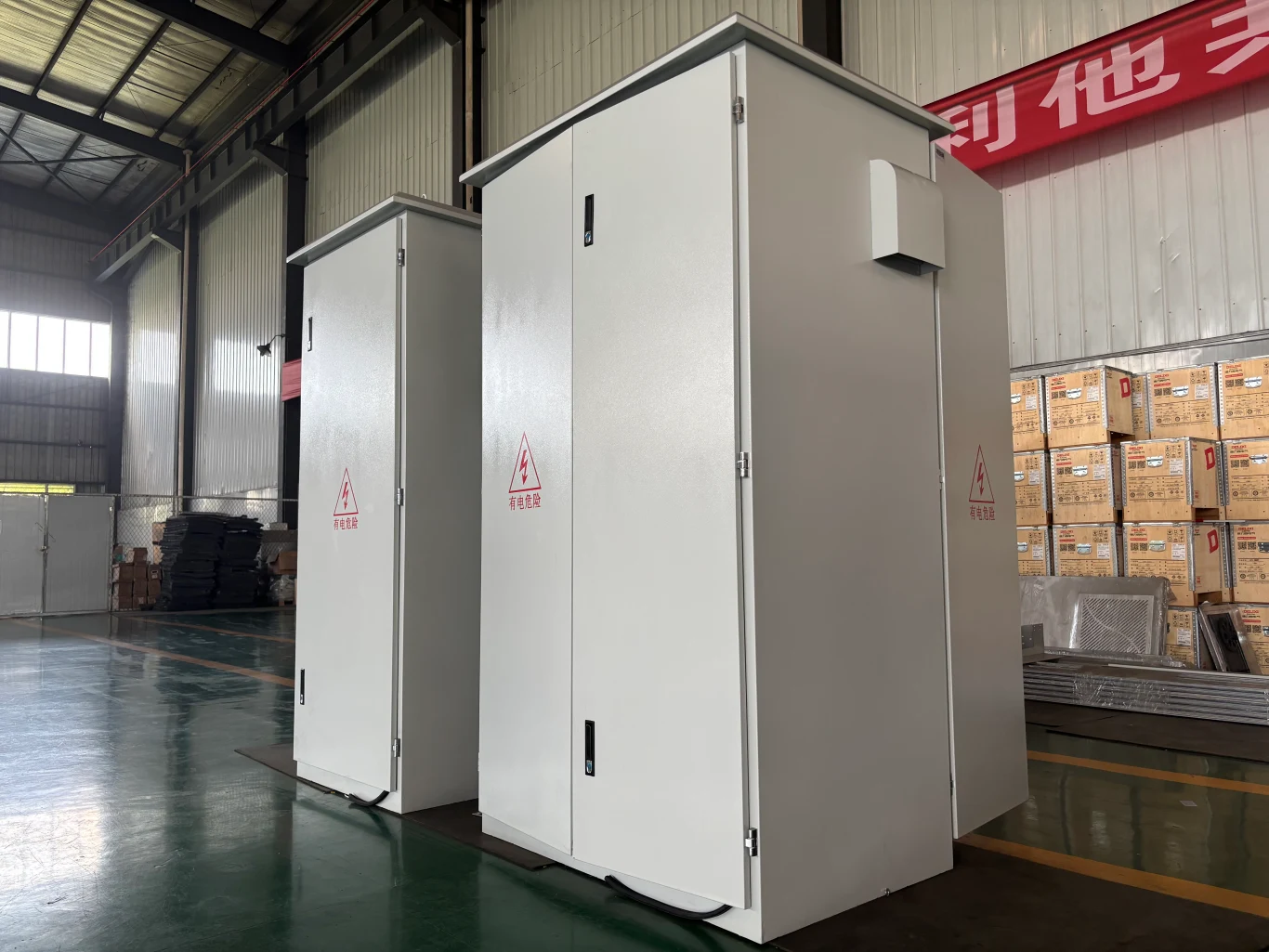
Why Is Solar Grid Connection Reliability Difficult to Maintain?
Maintaining solar grid connection reliability can be challenging because a solar PV system must respond to changing solar generation, electrical loads, and grid conditions at the same time.
A solar PV system does not operate as an isolated electrical device. Its active power, voltage, reactive power, and fault response can be affected by the grid. At the same time, the system can also affect grid operation near the point of connection.
Therefore, solar grid connection reliability usually does not depend on one piece of equipment. Instead, it depends on how the PV modules, inverter, protection system, transformer, switchgear, grid, and local loads work together.
Voltage Fluctuations
Rapid changes in solar generation or solar output that exceeds local demand can cause voltage changes at the point of grid connection.
For example, when sunlight is strong, the solar system may generate a large amount of power while local demand remains relatively low. The excess power may then flow back to the grid and affect voltage at the point of connection.
Modern grid-connected solar inverters can help manage voltage issues through functions such as Volt-VAR, Volt-Watt, reactive power control, and power factor control.
In medium-voltage solar projects, transformer tap settings can also affect system voltage. Therefore, you should not look at the inverter alone. Voltage control should also consider the grid connection voltage, transformer parameters, system capacity, and local grid requirements.
Grid Disturbances
A short-term grid disturbance does not always require an immediate solar system shutdown. Proper voltage and frequency ride-through functions can help the system remain connected within permitted operating limits.
This is important because if a large number of solar systems disconnect at the same time because of one short-term grid disturbance, they may place additional pressure on the grid.
Modern grid-connected solar inverters often provide a certain level of voltage and frequency ride-through capability. When voltage or frequency changes within the specified limits for a short period, the inverter can continue operating according to its settings instead of disconnecting immediately.
However, ride-through capability does not mean that the system should remain connected under every abnormal condition. If voltage or frequency exceeds the permitted limits, or the abnormal condition lasts longer than allowed, the protection system still needs to disconnect the relevant equipment.
Short-Circuit Faults
When a short circuit occurs in a solar PV system, the protection system should isolate the faulted area as quickly as possible while allowing healthy parts of the system to continue operating.
For example, a large solar power plant may contain multiple collection or feeder circuits. If one circuit develops a short circuit, proper protection coordination should allow the protection device for that circuit to operate first instead of disconnecting the entire solar plant.
If upstream and downstream protection devices are not properly coordinated, an upstream circuit breaker may trip first. As a result, a local fault can cause a much wider power outage.
Therefore, fuses, circuit breakers, protection relays, inverter protection, transformer protection, and upstream and downstream protection devices should not be selected separately. You should consider them as one complete solar PV protection system.
Transient Overvoltage
Lightning strikes and electrical switching operations can produce transient overvoltage, so a solar PV system may need suitable surge protection on the DC side, AC side, and communication lines.
Solar PV systems often include long outdoor cables and large metal structures. These features can increase exposure to lightning and other transient electrical events.
Therefore, your solar system should consider DC-side, AC-side, and communication-line surge protection according to the system design and installation environment.
Pay particular attention to the DC side. PV DC circuits require SPDs designed for photovoltaic DC applications. A standard AC SPD cannot simply replace a PV DC SPD.
The way you install an SPD also affects its protection performance. You need to consider the device type, installation location, connection lead length, grounding connection, and coordination between different SPDs.
Lack of Monitoring
A monitoring system can record voltage, current, power, frequency, alarms, and protection events. This information helps operators identify abnormal conditions in a solar grid connection system.
Protection devices mainly respond when an abnormal condition occurs. A monitoring system, however, helps you understand what actually happened.
For example, if a solar power plant frequently generates voltage alarms, monitoring data can help you determine whether the problem comes from the grid, inverter settings, transformer operation, or another electrical device.
For large solar projects, communication between inverters, meters, protection relays, and the central monitoring system is also important.
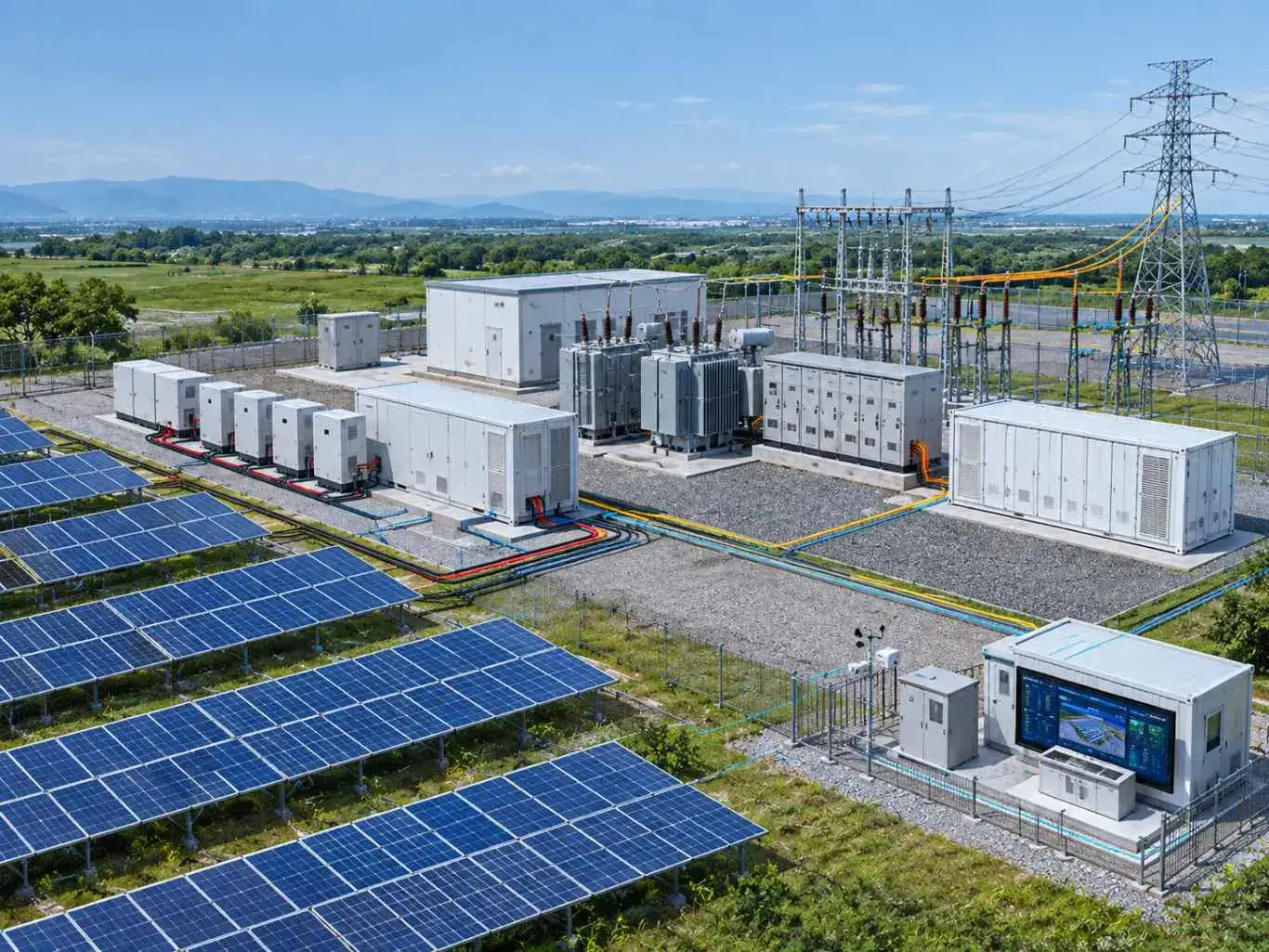
7 Key Types of Electrical Equipment for Reliable Solar Grid Connection
A reliable solar grid connection system typically requires coordinated operation between inverters, AC and DC switchgear, protection relays, surge protection devices, grounding and fault protection equipment, transformers, MV switchgear, and monitoring and communication systems.
Solar projects of different sizes do not always require the same equipment configuration. A small rooftop solar system may have a relatively simple structure, while a large ground-mounted solar power plant usually includes complete LV, MV, and transformer systems.
Therefore, equipment selection should not focus on the product alone. You also need to consider system capacity, grid connection voltage, electrical topology, protection requirements, and local grid regulations.
1. Grid-Connected Solar Inverters
A modern grid-connected solar inverter does more than convert DC power into AC power. It also controls the exchange of electrical energy between the solar system and the grid.
The inverter converts the DC power generated by the PV modules into AC power that meets grid requirements. It may also support voltage control, reactive power control, power factor regulation, and grid disturbance response.
Some advanced grid-connected solar inverters also provide reactive power control, voltage regulation, power factor control, anti-islanding protection, and voltage and frequency ride-through functions.
Therefore, when selecting an inverter, you should not focus only on its rated power in kW or MW. You also need to check whether its grid support and protection functions meet the project’s grid connection requirements.
2. AC/DC Switchgear and Circuit Breakers
AC and DC switchgear perform different control and protection functions in a solar PV system, while PV DC circuits require switchgear designed for the electrical characteristics of DC systems.
Circuit breakers and other switching devices need to safely interrupt fault currents when faults occur. When selecting them, you need to consider rated voltage, operating current, short-circuit breaking capacity, system configuration, and installation environment.
PV DC systems and AC systems have clear differences in fault current interruption. DC current does not naturally pass through periodic zero crossings like AC current. Therefore, you cannot assume that an AC circuit breaker is suitable for a PV DC circuit.
In large solar projects, AC switchgear also needs to coordinate with protection relays and upstream and downstream protection devices to achieve effective fault isolation.
3. Protection Relays
Protection relays detect abnormal electrical conditions and send trip signals to circuit breakers. This helps isolate faults while minimizing unnecessary system shutdowns.
You can think of a protection relay as the “decision maker” in the protection system. It monitors electrical parameters such as current and voltage and determines whether an abnormal condition requires action.
The circuit breaker then performs the actual opening operation.
Protection relay settings need to coordinate with the characteristics of the inverter, transformer, feeder, and other protection devices. If the settings are too sensitive, the system may experience frequent unwanted trips. If they are not sensitive enough, the protection system may not isolate faults quickly enough.
4. Surge Protective Devices
Surge protective devices provide a suitable discharge path for transient overvoltage and help reduce damage caused by lightning and switching surges.
Depending on the system design and installation environment, a solar PV system may require surge protection on the DC side, AC side, and communication lines.
For PV DC circuits, the SPD should match the required DC voltage level and photovoltaic application. You also need to consider the system grounding method and actual installation conditions.
SPD installation also deserves attention. Long connection leads can affect surge protection performance. Therefore, you should select the installation location carefully and ensure that the grounding connection meets the design requirements.
5. Grounding and Ground-Fault Protection
Grounding and ground-fault protection help control fault currents and reduce the risks of electric shock, equipment damage, and electrical fire.
The appropriate grounding method depends on the electrical topology of the solar system, inverter type, transformer configuration, and local electrical requirements.
Different systems may use different grounding and fault detection methods. Some systems need to focus on insulation monitoring, while others may use different ground-fault detection methods.
Inverter topology can also affect the protection scheme. For example, transformerless inverters may have specific leakage-current characteristics. Therefore, you need to select residual current protection based on the inverter topology and project requirements.
You should not simply copy the grounding and ground-fault protection scheme from another solar project. Instead, first confirm whether the two projects have the same electrical structure.
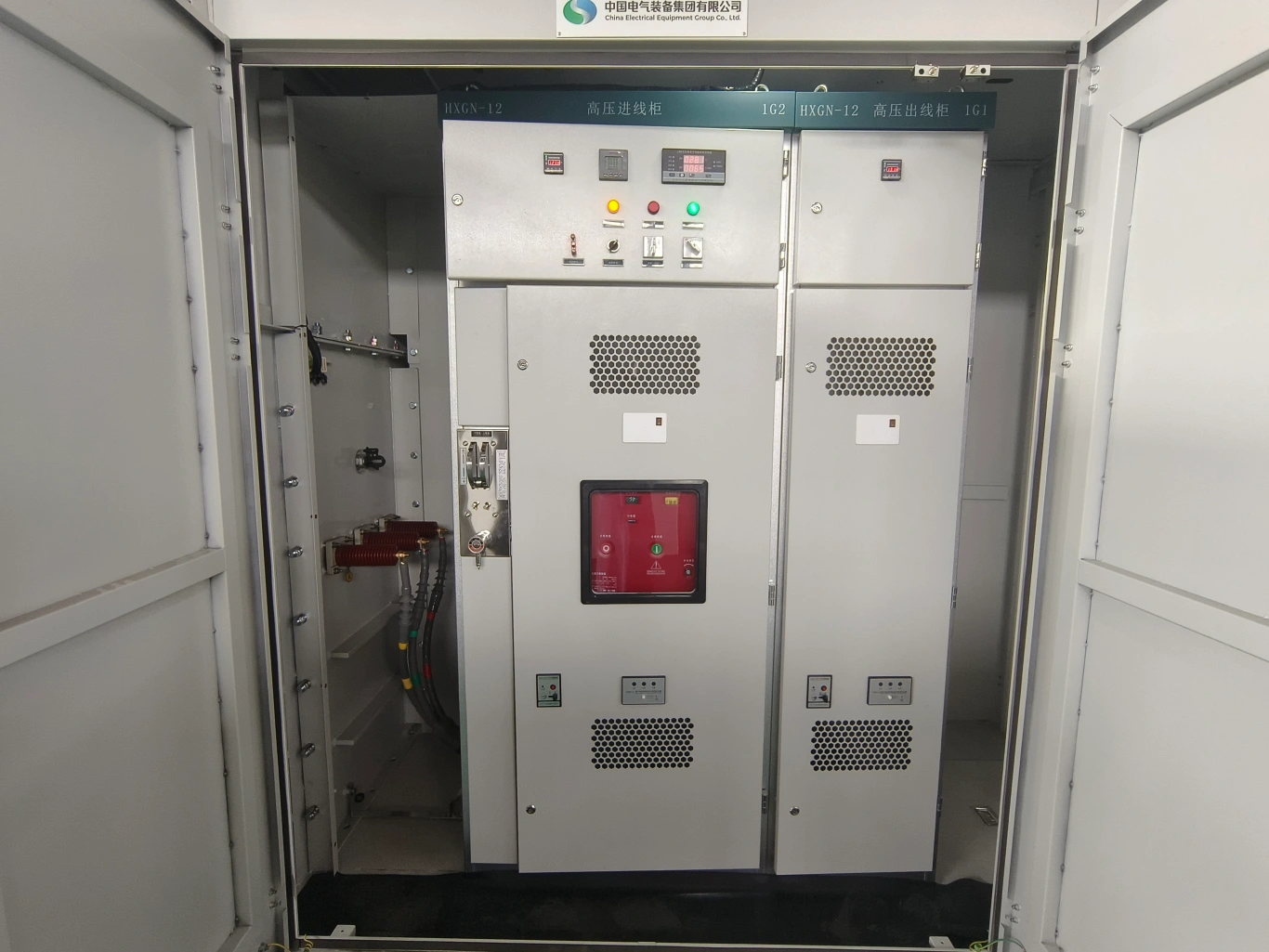
6. Transformers and Medium-Voltage Switchgear
In large solar projects, transformers and medium-voltage switchgear usually connect the low-voltage AC output of the inverters with the medium-voltage collection system or grid connection point.
You can understand a typical electrical path in a large solar project as:
PV Modules → Inverters → LV Switchgear → Transformer → MV Switchgear → Grid
The transformer increases the low-voltage AC output to the voltage level required by the collection system or grid connection point. The MV switchgear then provides switching, isolation, protection, and operational control on the medium-voltage side.
When selecting these devices, you need to consider system capacity, voltage level, transformer impedance, short-circuit conditions, protection coordination, installation environment, and applicable standards.
Therefore, in a complete solar project, the transformer and MV switchgear should form part of the overall grid connection system design rather than simply being purchased as two separate products.
7. Metering, Monitoring, and Communication Equipment
Metering, monitoring, and communication systems provide operating data for a solar power plant and help operators identify and respond to abnormal conditions.
Depending on the project requirements, monitoring data may include voltage, current, active power, reactive power, frequency, power factor, energy generation, equipment status, alarms, and protection event records.
The communication system allows different electrical devices to exchange data. For example, in a large solar power plant, inverters, protection relays, energy meters, and the central monitoring system may all need to communicate with each other.
Communication becomes even more important when the grid operator requires data exchange, remote monitoring, or remote control functions.
How Do These Electrical Devices Work Together to Improve Solar Grid Connection Reliability?
Solar grid connection reliability comes from system-level coordination. Inverters, switchgear, protection devices, transformers, grounding systems, and monitoring systems each perform different functions and need to work together.
For a medium or large solar system, PV modules generate DC power and inverters convert it into AC power. The LV switchgear then provides AC-side control and protection before the transformer increases the voltage.
The transformer output usually connects to MV switchgear, which then connects the system to the grid connection point.
At the same time, the grounding system and surge protection devices help reduce the impact of fault currents and transient overvoltage on electrical equipment. The monitoring and communication systems provide operating data and abnormal-condition information.
The protection system should cover the entire electrical chain. When a downstream fault occurs, the protection device closest to the fault should operate whenever possible. Upstream protection should provide backup protection rather than immediately disconnecting the entire solar power plant.
The same principle applies to short-term grid disturbances. The inverter should respond to grid changes according to its grid connection and ride-through settings, while the protection system should operate when voltage, frequency, or other parameters exceed the permitted limits.
Wondon 10MW Solar PV Grid Connection Project Case
A real 10MW solar grid connection project provides a practical example of how different electrical devices can improve reliability through coordinated system design and layered equipment configuration.
Wondon participated in a 10MW solar PV grid connection project that used a 10kV grid connection solution together with an energy storage system. The system integrated solar power generation, voltage transformation, power collection, protection, energy metering, and grid connection. The project was completed within six weeks, from requirement analysis and electrical design through equipment manufacturing, testing, and final delivery.
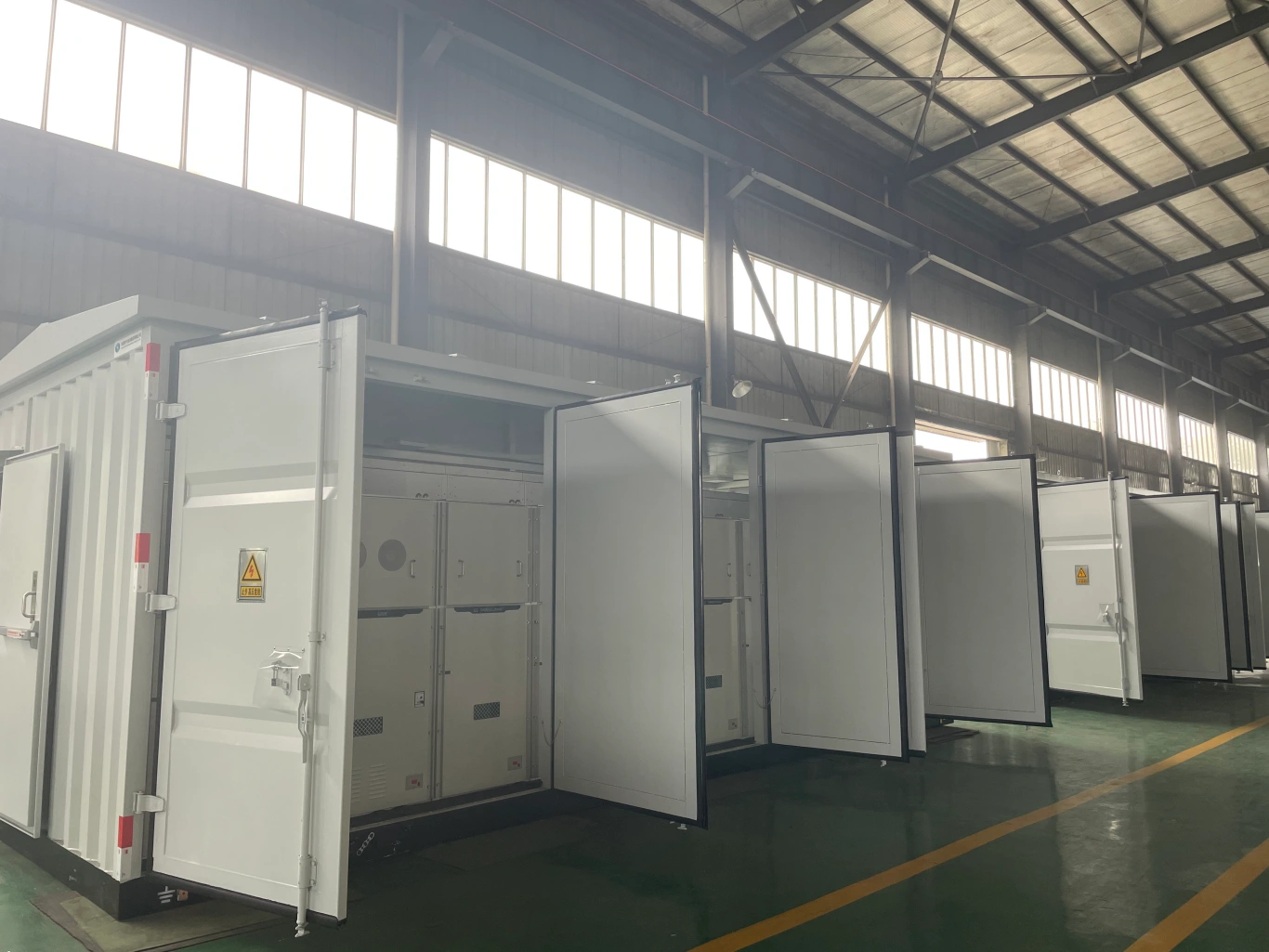
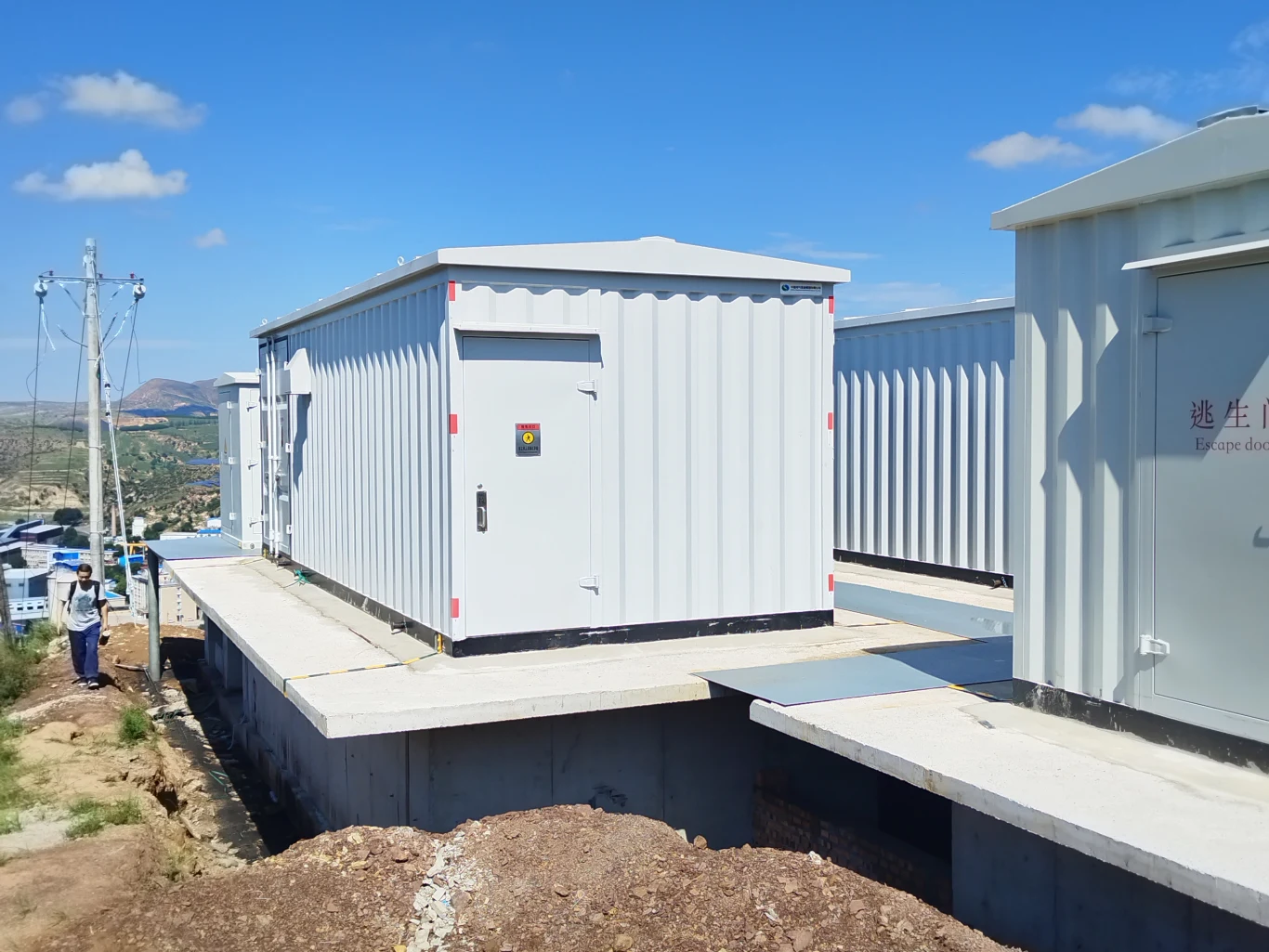
The project used two 10kV containerized substations with KYN28-12 medium-voltage switchgear. These systems handled PV power collection, line protection, fault isolation, energy metering, and operational monitoring. The containerized design integrated MV equipment, secondary protection, auxiliary control, and environmental control systems through factory preassembly. This approach can reduce on-site installation work and suit solar projects that require faster construction.
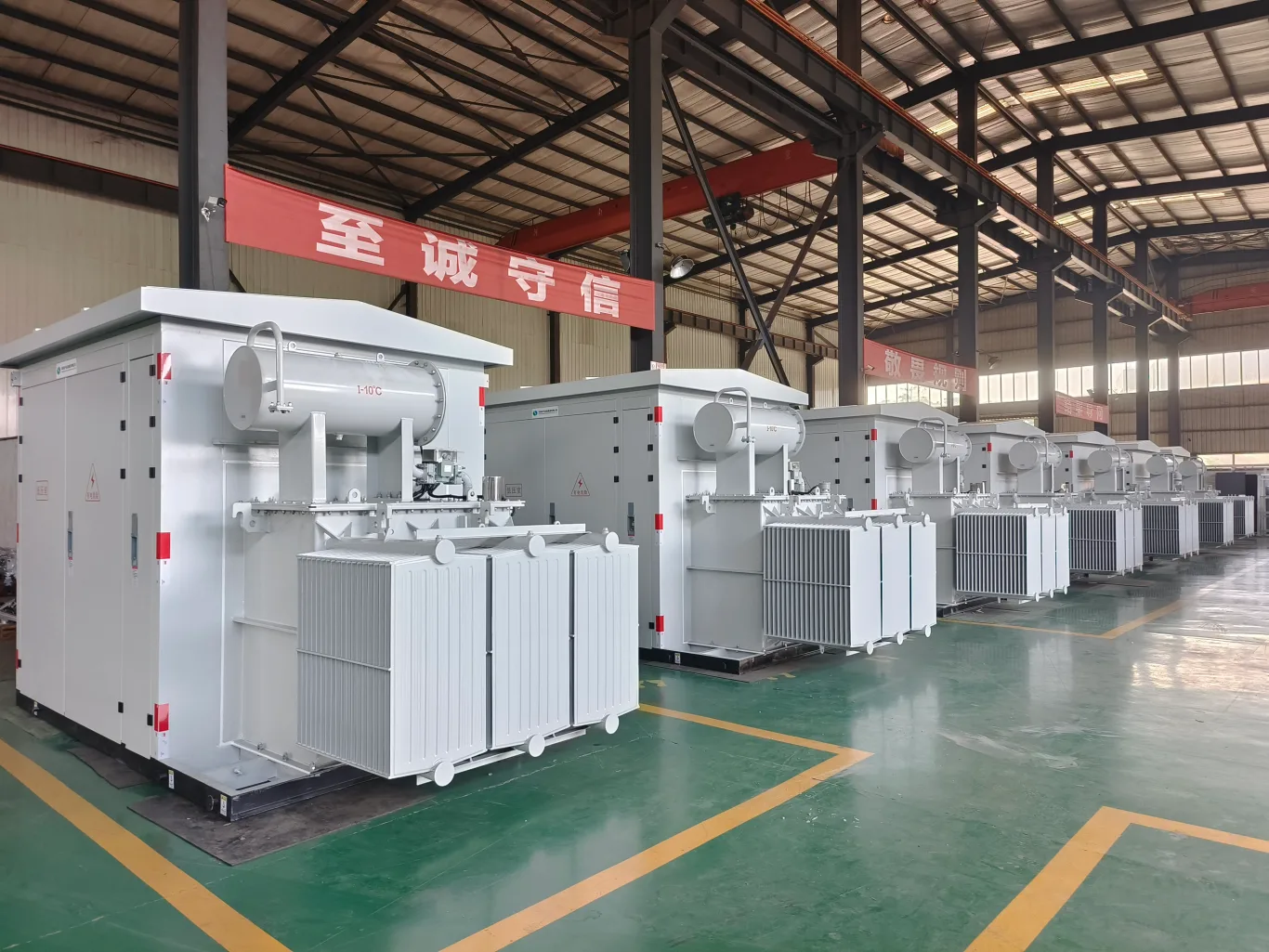
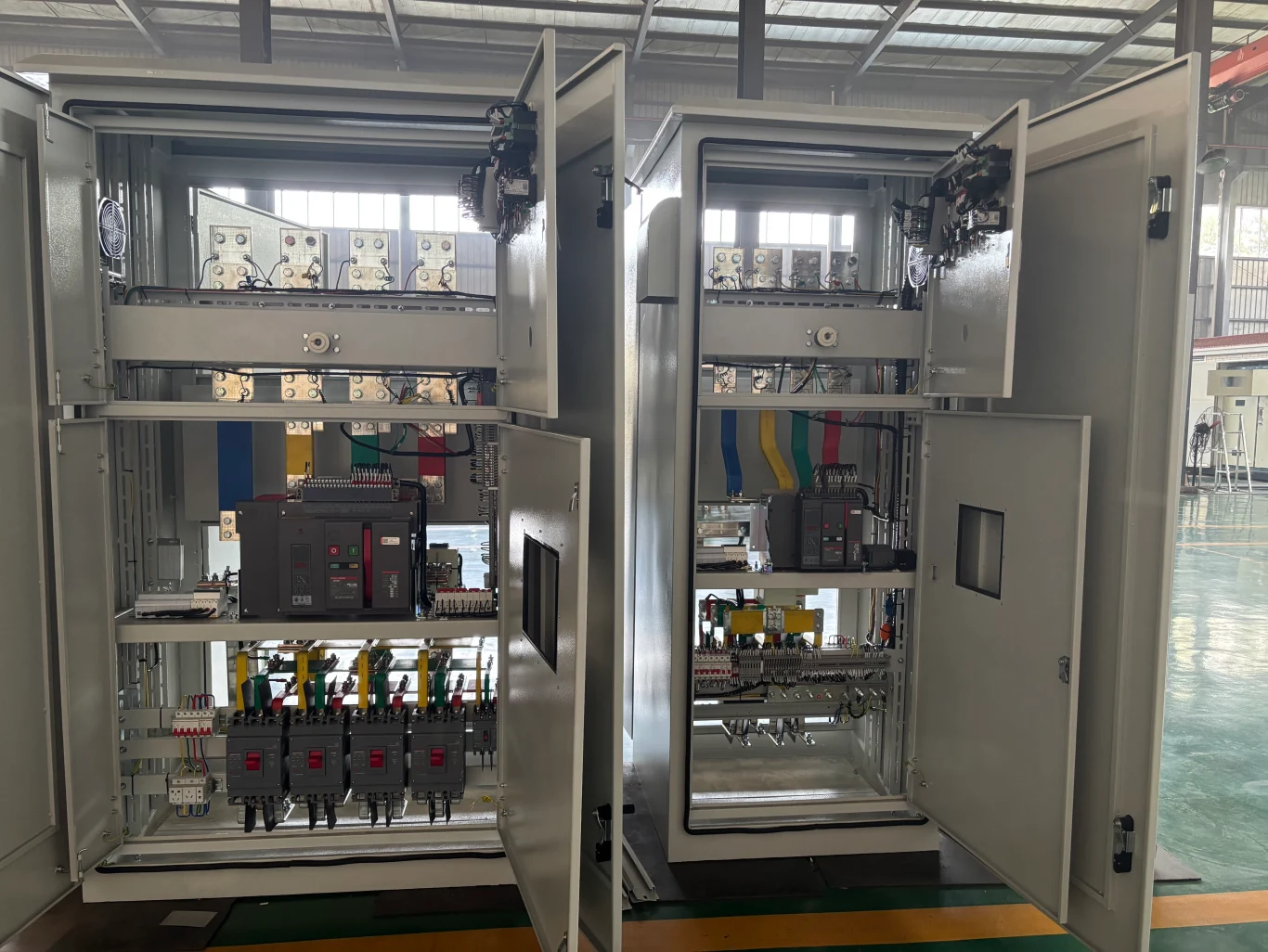
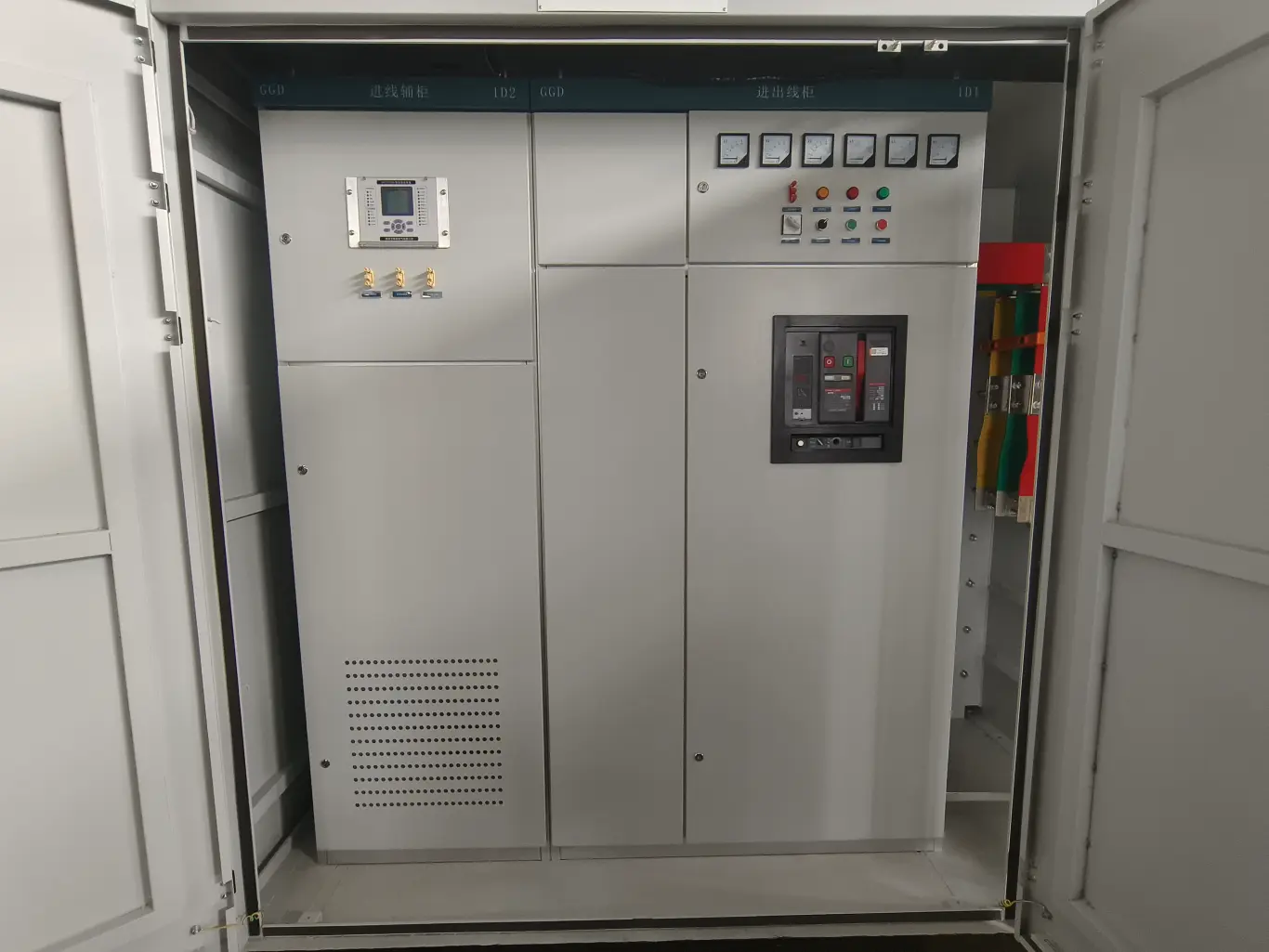
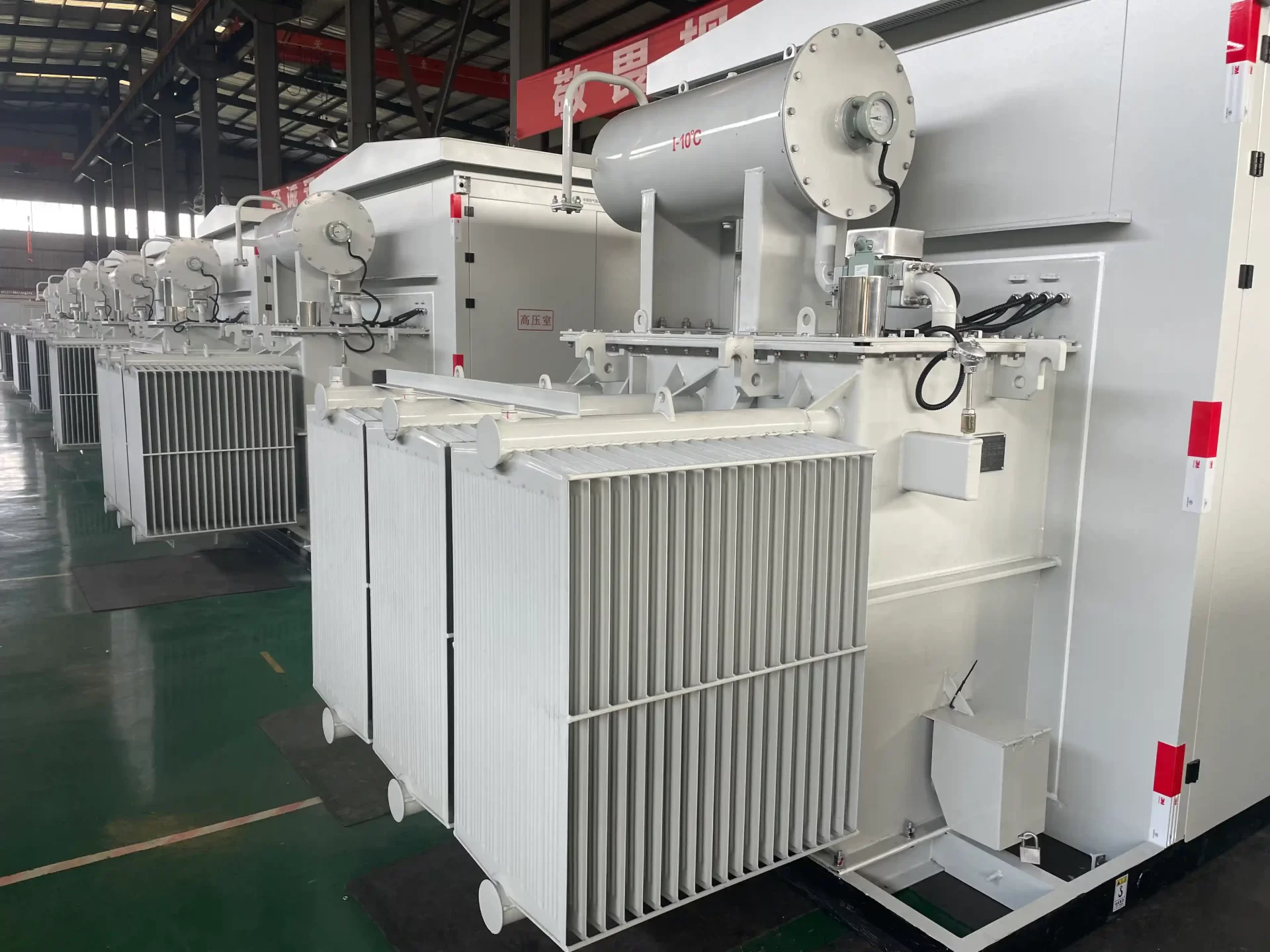
The project also included seven box-type substations for voltage step-up and power collection on the inverter output side. Each substation integrated a transformer, MV ring main unit, and LV distribution cabinet. The LV side used GGD-type LV distribution cabinets, while the MV side used XGN15-12 ring main units with vacuum circuit breakers and isolating switches. The transformers used in the project were S11-1600kVA oil-immersed transformers.
Looking at the complete system, the PV modules generated DC power, and the inverters converted it into AC power. The box-type substations then stepped up the voltage and performed initial power collection. The power then entered the 10kV containerized substations for centralized MV collection, protection, and metering before connecting to the grid. At the same time, the energy storage system connected to the 10kV busbar and adjusted PV output power, improving system flexibility and grid adaptability.
This project also demonstrates an important point: solar grid connection reliability does not depend on one electrical device. It comes from the coordinated operation of box-type substations, MV switchgear, LV distribution cabinets, protection systems, energy storage, and monitoring and communication systems.
If you want to learn more about the system architecture, equipment configuration, and delivery process of this 10MW project, you can read our detailed case study:
→10MW Solar PV Grid Connection Project: Complete Photovoltaic Grid Integration Solution
How to Select Electrical Equipment for a Solar Grid Connection Project?
Selecting equipment for a solar grid connection project requires more than checking rated power. You should consider grid requirements, electrical parameters, environmental conditions, protection coordination, communication requirements, testing, and commissioning.
Grid Requirements
Start by confirming the specific requirements at the grid connection point.
You need to understand the applicable grid codes, utility requirements, voltage and frequency ranges, anti-islanding requirements, reactive power requirements, ride-through requirements, and communication requirements.
Do not assume that parameters used in another country or another solar project can be copied directly. Even when you use the same inverter model, the required protection settings and operating parameters may differ from one project to another.
Electrical Parameters
Basic electrical parameters determine whether equipment can operate safely within the system.
For switchgear and circuit breakers, you need to confirm rated voltage, rated current, short-circuit breaking capacity, and system frequency. For transformers, you should also consider capacity, voltage ratio, impedance, cooling method, and installation conditions.
For solar equipment, you also need to determine whether the device will operate in a DC or AC circuit and make sure its voltage and current ratings match the actual system.
Environmental Conditions
The site environment directly affects long-term equipment reliability.
Outdoor solar projects may face high temperatures, high humidity, dust, salt spray, rain, and strong solar radiation for long periods. These conditions can affect switchgear, insulation components, cable connections, and electronic equipment.
Therefore, when selecting equipment, consider the actual installation environment rather than relying only on standard indoor operating conditions.
Protection Coordination
The core goal of protection coordination is to let the protection device closest to the fault operate first while allowing upstream protection to provide backup protection when necessary.
This requires you to consider the relationship between fuses, circuit breakers, protection relays, inverter protection, transformer protection, and upstream and downstream protection devices.
The goal of a protection system is not to make every device trip as quickly as possible. Instead, it should clear the fault safely while minimizing unnecessary power interruptions.
For large solar power plants, you should also verify protection coordination through protection studies, relay setting reviews, and on-site testing.
Communication Requirements
Modern solar projects increasingly rely on data communication between electrical devices.
During equipment selection, you need to confirm whether the inverter, energy meter, protection relay, and monitoring system can exchange the data required by the project.
It is better to define communication requirements during equipment selection rather than waiting until installation is complete.
Testing and Commissioning
Testing and commissioning confirm that the equipment, protection settings, communication system, and complete grid connection system can operate as designed before commercial operation.
Depending on the project, testing may include protection function tests, circuit breaker operation tests, inverter function tests, communication tests, insulation tests, grounding tests, and other required tests.
The exact testing scope depends on the project size, equipment type, grid connection requirements, and applicable standards.
Proper commissioning is essential. Even when the equipment selection is correct, problems with protection settings, wiring, communication, or coordination between devices can still cause operating failures.
What Common Mistakes Reduce Solar Grid Connection Reliability?
Many solar grid connection problems do not come from poor equipment quality. Instead, they result from incorrect equipment selection, system design, or protection coordination.
One common mistake is selecting equipment based only on rated current or capacity. For example, a circuit breaker may appear to meet the current requirement, but it may not suit the actual short-circuit conditions, voltage level, or DC application.
Another common problem is using a standard AC surge protective device on the PV DC side. A PV DC system requires an SPD suitable for its voltage level and application conditions. You also need to consider its installation location, connection lead length, and grounding method.
Protection coordination is another area that people often overlook. If the relay, circuit breaker, and inverter protection functions do not coordinate properly, a local fault can cause a much wider system trip.
Another common misconception is to focus too much on product certification while ignoring system design. Product certification shows that equipment meets applicable standards, but it cannot replace correct system selection, protection coordination, installation, commissioning, and grid connection settings.
You should also avoid treating the monitoring system as nothing more than a screen for viewing data. Without proper alarm settings, communication, and event records, it can be difficult to identify the cause of a trip quickly.
Solar Grid Connection Reliability Checklist
Before commissioning a solar project, confirm that equipment ratings, protection settings, grounding, surge protection, communication, and grid requirements are consistent with each other.
| Check Item | What to Confirm |
|---|---|
| Grid Requirements | Grid codes, utility requirements, voltage and frequency ranges |
| Inverter | Grid support functions, ride-through, anti-islanding, and protection functions |
| AC/DC Equipment | Voltage, current, breaking capacity, and application type |
| Protection System | Relay settings and upstream/downstream protection coordination |
| Surge Protection | Suitable DC, AC, and communication SPDs based on system requirements |
| Grounding System | Grounding method, equipotential bonding, and ground-fault protection |
| Transformer | Capacity, voltage ratio, impedance, and cooling method |
| MV Switchgear | Rated voltage, current, breaking capacity, and protection functions |
| Monitoring System | Electrical parameters, alarms, and event records |
| Communication System | Compatibility between inverters, relays, meters, and monitoring systems |
| Grid Commissioning | Protection, communication, grounding, and equipment function tests |
Frequently Asked Questions
1. What Electrical Equipment Is Needed for Solar Grid Connection?
A reliable solar grid connection system typically requires grid-connected solar inverters, AC/DC switchgear, circuit breakers, protection relays, surge protection, grounding and ground-fault protection, and monitoring equipment. Large solar projects may also require transformers and MV switchgear.
The exact equipment configuration depends on project capacity, voltage level, point of connection, electrical topology, and local grid requirements.
2. How Does a Solar Inverter Improve Grid Connection Reliability?
A modern solar inverter can improve grid connection reliability through reactive power control, voltage regulation, anti-islanding protection, and voltage and frequency ride-through functions.
These functions help the system respond appropriately to grid conditions instead of disconnecting every time a short-term disturbance occurs.
3. Why Does a Solar PV System Need Protection Coordination?
Protection coordination allows the protection device closest to the fault to operate first. This limits the fault area and reduces unnecessary system shutdowns.
If protection coordination is poor, an upstream circuit breaker may trip when a downstream fault occurs, disconnecting more solar equipment than necessary.
4. Do Solar PV Systems Need Surge Protection on Both the DC and AC Sides?
Many solar PV systems require surge protection on both the DC and AC sides, depending on system structure, installation environment, and applicable standards.
If communication lines face risks from lightning or other transient overvoltage, you should also consider surge protection for those lines based on the actual project conditions.
5. What Type of SPD Should a Solar PV DC System Use?
A PV DC circuit requires a surge protective device designed for photovoltaic DC applications. You should select the SPD based on the system DC voltage and grounding method.
A standard AC SPD cannot simply replace a PV DC SPD.
6. How Does Grounding Affect Solar Grid Connection Reliability?
A grounding system provides a suitable path for fault current and helps reduce the risk of electric shock and equipment damage.
The specific grounding and fault protection scheme depends on the inverter topology, transformer configuration, system structure, and local electrical requirements.
7. Why Do Solar Grid Connection Projects Need Transformers?
Large solar projects typically use transformers to increase the low-voltage AC output from the inverters to the medium-voltage level required by the collection system or grid connection point.
The specific transformer configuration depends on project capacity, voltage level, grid connection method, and grid requirements.
8. What Is the Role of MV Switchgear in a Solar Project?
MV switchgear mainly provides switching, isolation, control, and protection on the medium-voltage side. It is an important part of the connection between a large solar power plant and the MV collection system or grid.
It usually needs to coordinate with transformers, protection relays, circuit breakers, and the grid connection system.
9. How Can a Solar System Stay Connected During a Short-Term Grid Disturbance?
A solar system can use the inverter’s voltage and frequency ride-through functions to remain connected within the specified voltage, frequency, and duration limits.
If the disturbance exceeds the permitted limits or lasts longer than allowed, the protection system should disconnect the system as required.
10. Does IEEE 1547 Apply to All Solar Grid Connection Projects?
IEEE 1547 is an important standard for distributed energy resource interconnection, but it does not automatically replace the grid codes and utility requirements of every project location.
Actual solar projects still need to follow the specific grid connection standards and utility requirements that apply in the country or region where the project is located.
Conclusion
Improving solar grid connection reliability does not depend on one high-performance device. It requires coordinated system design across the inverter, switchgear, protection system, transformer, grounding, surge protection, monitoring, and communication systems.
The inverter needs to respond correctly to grid changes. Switchgear and circuit breakers need to clear faults safely. Protection relays need to coordinate with upstream and downstream protection devices. Grounding and surge protection help reduce the risks caused by faults and transient overvoltage.
For large solar projects, transformers and MV switchgear also play an important role in connecting the low-voltage generation system with the medium-voltage grid. Monitoring and communication systems then help operators understand system conditions and locate problems more quickly.
Therefore, when selecting equipment for a solar project, do not focus only on rated capacity. You should also consider grid requirements, electrical parameters, environmental conditions, protection coordination, communication requirements, testing, and commissioning.
If you are planning a solar power project and need LV/MV switchgear, circuit breakers, transformers, protection equipment, or a complete power distribution solution, you can share your project capacity, system voltage, grid connection voltage, installation environment, and technical requirements with us. We can then discuss a suitable electrical configuration and equipment solution based on your project conditions.