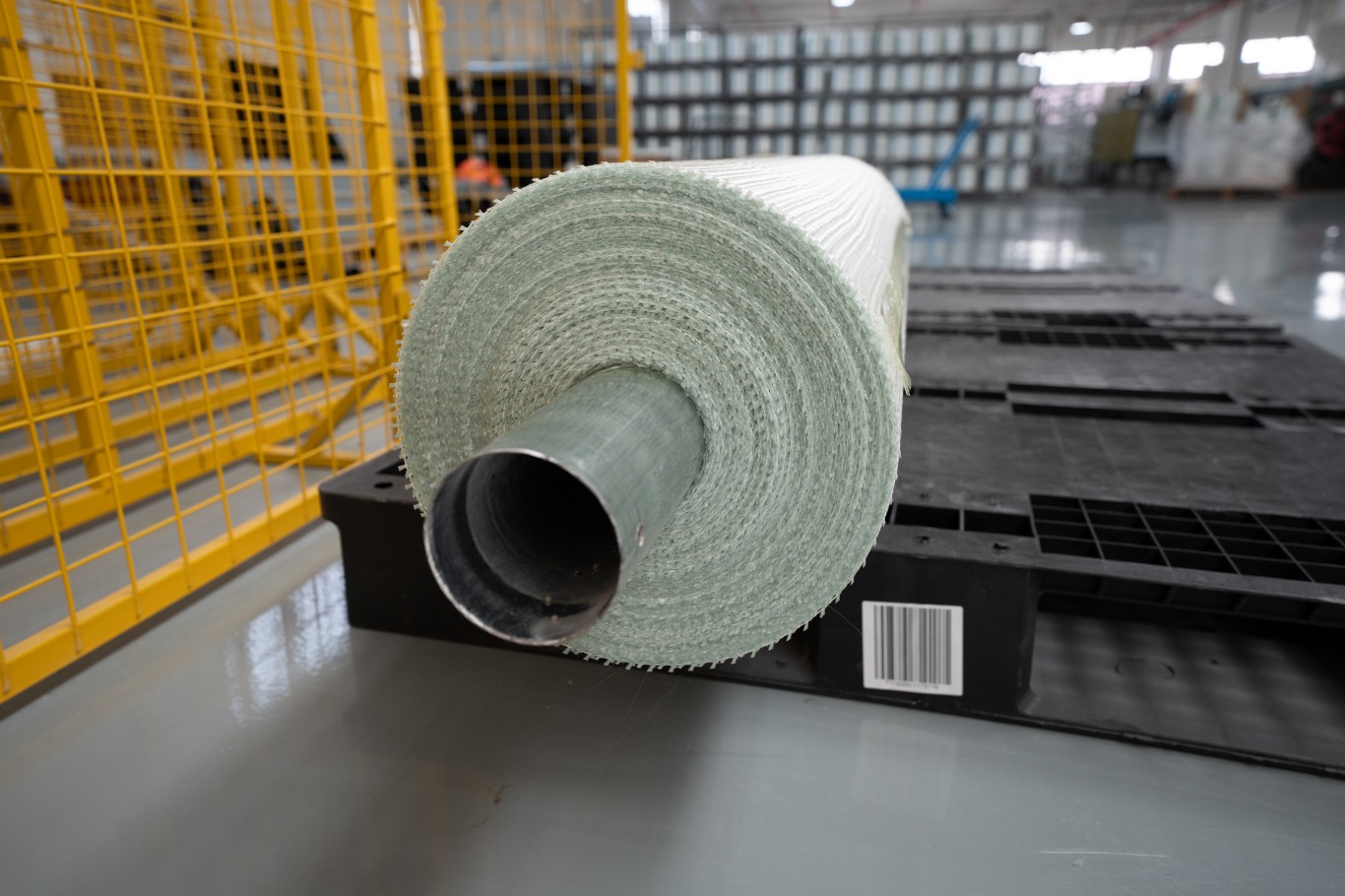

The transformer insulation material plays a crucial role in ensuring the safe and efficient operation of transformers. It effectively isolates electrical faults, maintains structural integrity, and aids in heat dissipation. Especially in high-load applications, selecting the appropriate insulation materials can significantly impact the long-term performance of transformers.
Factors to Consider When Selecting the Transformer Insulation Material
When selecting the right transformer insulation material, several key factors must be considered:
- Temperature Rating: Different materials are rated for various temperature ranges. Selecting the correct thermal class ensures that the material can withstand the operating temperatures of the transformer without degrading.
- Electrical Insulation Strength: The dielectric properties of the material are crucial for preventing electrical breakdown. The insulating material must be able to handle the voltage levels in the transformer.
- Environmental Resistance: Factors like humidity, moisture, and exposure to chemicals can affect the performance of the insulating material. Materials with high moisture resistance are ideal for outdoor or damp environments.
All these factors will determine the materials ultimately used in the transformer.
Common Types of Transformer Insulation Materials
There are several common types of transformer insulation materials, including:
- Insulating Paper: Often used in oil-immersed transformers, providing excellent dielectric strength.
- DMD: Ideal for dry-type transformers, offering high thermal resistance.
- Pressboard: Used for structural support and electrical insulation.
Understanding the properties of these materials ensures that the correct choice is made, enhancing transformer performance and longevity.
Choosing the right transformer insulating material is crucial for ensuring optimal performance and reliability. By considering factors like temperature rating, electrical strength, and environmental conditions, you can select the most suitable material for your transformer needs. Contact us now to choose transformer insulation materials for your transformers.