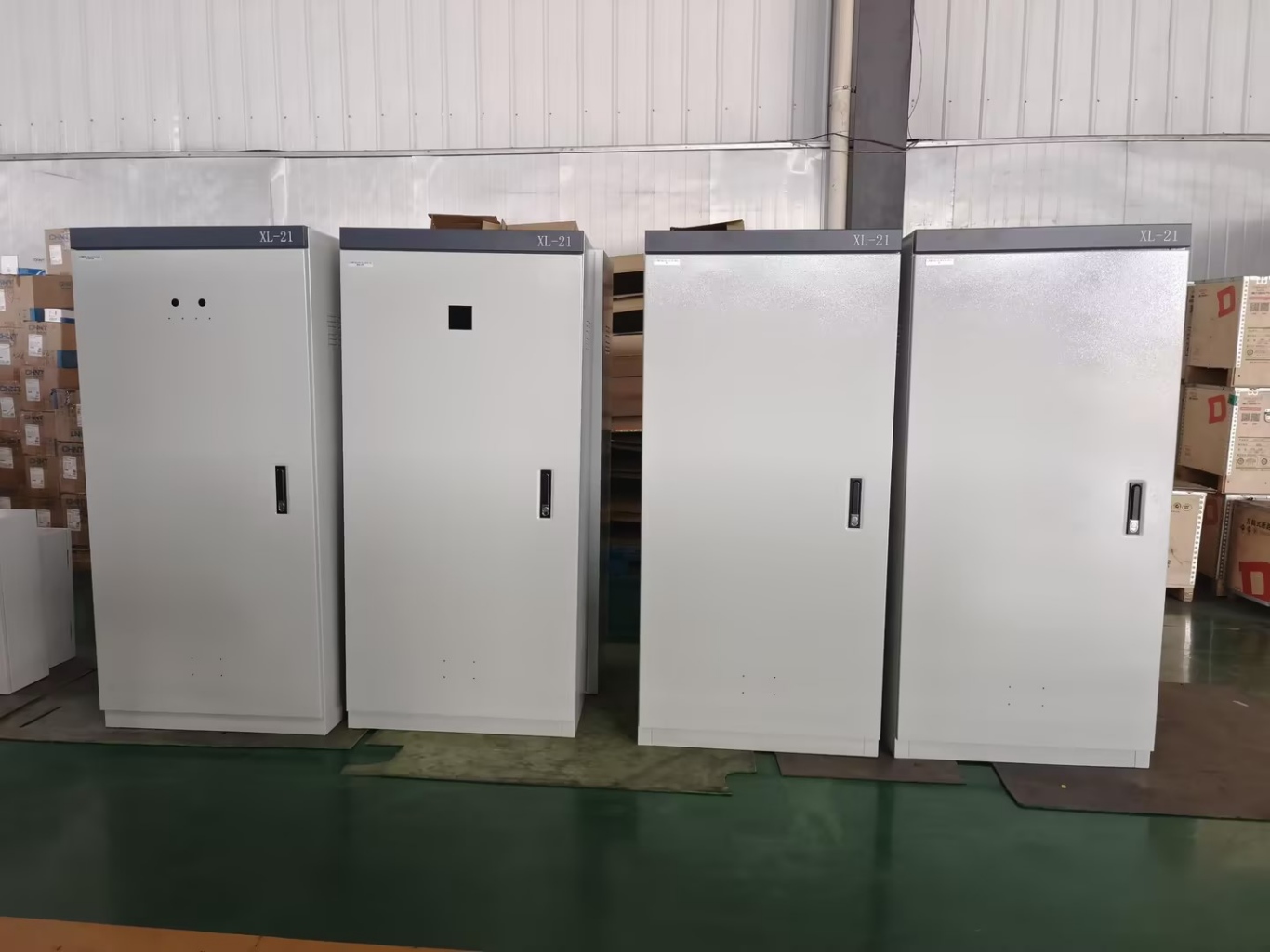

When learning how to choose a power distribution panel, the key is to ensure that power is delivered safely and reliably. It’s not just about distributing electricity to different areas, but also ensuring long-term system stability, ease of management, and peace of mind during use.
1. Calculate the total power consumption accurately
Estimate the power required for all connected equipment, including lighting, machinery, and auxiliary systems. This helps determine the size and capacity of the distribution box or cabinet. If the capacity is undersized, it can lead to overheating and frequent tripping; opting for a slightly larger capacity allows for stable operation and provides a safety margin.
2. Reserve enough output circuits
Each area or equipment group typically requires its own circuit. Planning the number of circuits and reserving extra circuit space ensures that the distribution panel meets the actual needs of the project.
3. Installation location
Indoor and outdoor installations have different protection requirements, especially when exposure to dust, moisture, or temperature variations is a concern. Selecting a distribution panel that matches the installation conditions helps ensure the durability of the internal components.
4. Safety and Ease of Use
Distribution panels should be easy to inspect and operate, while also preventing accidental contact. Reasonable internal layout, clear labels, and reliable protection devices can improve the safety and maintainability of the electrical control panel.
FAQs
1. If my project includes lighting, machines, and auxiliary equipment together, how do I avoid choosing the wrong panel size?
Start by calculating the total power consumption accurately. Wondon recommends leaving a safety margin so the panel can operate reliably without overheating or frequent tripping.
2. When planning circuits, should I only consider current equipment or future expansion, too?
Future expansion matters a lot. Wondon suggests reserving spare output circuits, so adding new equipment later becomes easier and more cost-effective.
3. If the panel will be installed outdoors or in a dusty factory, what should I pay attention to most?
The installation environment determines the protection level. Wondon provides enclosure solutions designed for humidity, dust, and temperature changes to improve long-term durability.
4. During daily operation, what kind of distribution panel usually feels easier and safer to manage?
Panels with clear labels, organized layouts, and reliable protection devices are much easier to operate. Wondon focuses on practical usability to simplify inspection and switching on-site.
5. When maintenance or troubleshooting is needed later, what design detail saves the most time?
A clean internal structure makes the biggest difference. Wondon designs distribution panels with orderly component layouts so technicians can quickly identify and solve issues.