

When you manage an industrial, solar, mining, or infrastructure project, the substation purchase price is only one part of the total project cost. Site labor, civil works, equipment installation, wiring, testing, commissioning, and project delays can all affect your final budget and energization date. A prefabricated substation can reduce on-site work, shorten installation time, and lower total project costs by moving equipment assembly, wiring, system integration, and some testing from the jobsite to a controlled factory environment.
That is why more project owners and EPC contractors are considering prefabricated substations, containerized substations, and other modular substation solutions. Their value goes beyond manufacturing equipment in advance. They change how you plan, build, test, and deliver a substation project.
So, how does a prefabricated substation actually save time and money? And is it the right solution for your project? Let’s look at the project process step by step.
What Is a Prefabricated Substation?
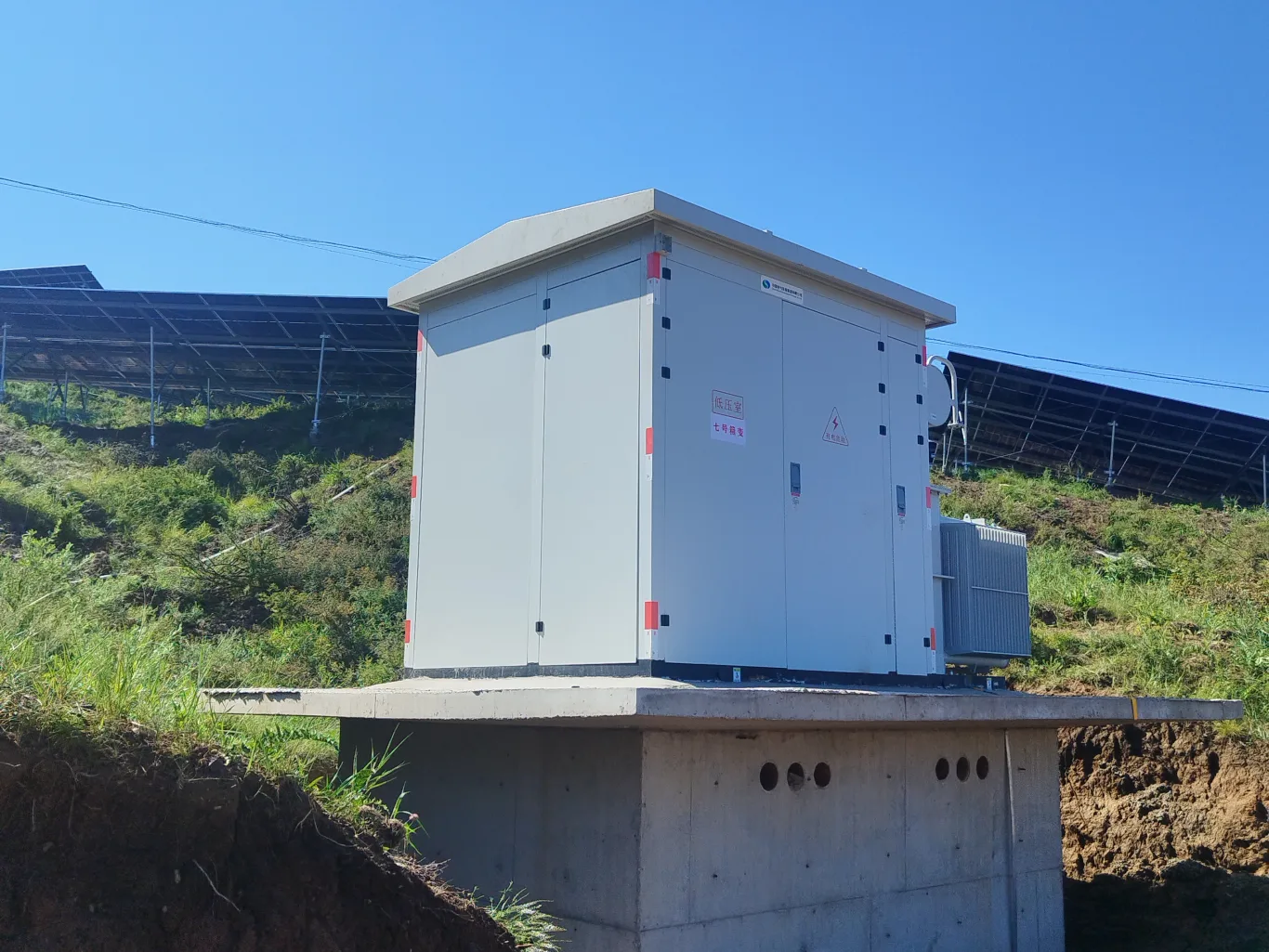
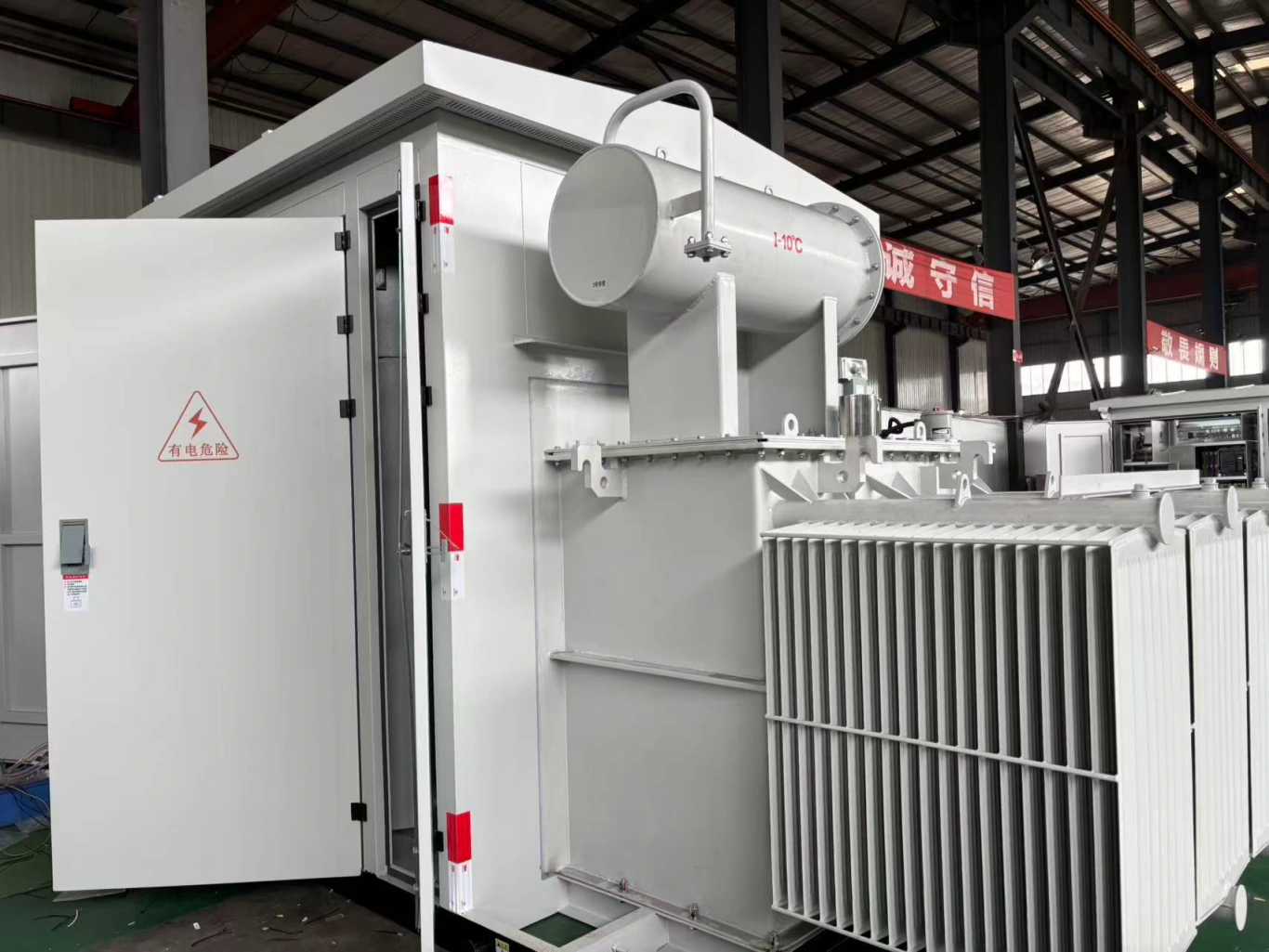
A prefabricated substation is an integrated substation solution that undergoes engineering, factory assembly, pre-wiring, and testing before it reaches the project site for final installation and connection.
Depending on your project requirements, a prefabricated substation can integrate transformers, medium-voltage or high-voltage switchgear, low-voltage equipment, protection and control systems, auxiliary power systems, monitoring and communication equipment, and a prefabricated enclosure or building.
The exact configuration varies from project to project.
In simple terms, a traditional substation requires more work to take place at the jobsite. A prefabricated substation moves more of that work into the factory before delivering an integrated system to your site.
At Wondon, we can divide substation equipment into transportable modules and complete manufacturing, assembly, and testing in the factory before delivery and on-site installation.
Prefabrication Does Not Mean Zero On-Site Work
A prefabricated substation still requires site preparation, foundation work, lifting, positioning, cable connections, grounding, final inspection, and commissioning.
The actual amount of on-site work depends on the project design, equipment capacity, transportation conditions, and applicable local standards.
The key difference is simple: much of the work that traditionally takes place at the jobsite can be completed earlier in a controlled factory environment.
Why Can Prefabricated Substations Reduce Installation Time?
Prefabricated substations can reduce installation time because manufacturers complete more equipment assembly, wiring, integration, and testing in the factory while factory production and site civil works can proceed in parallel.
The advantage does not simply come from installing equipment faster. It comes from reducing the amount of work that must happen sequentially on the critical path of your project.
1. More Work Is Completed Before the Equipment Reaches the Site
A traditional substation project often follows this sequence:
Equipment Procurement → Equipment Delivery → On-Site Installation → On-Site Wiring → Testing → Commissioning → Energization
A prefabricated substation can move part of this process forward:
Engineering → Factory Assembly → Factory Wiring → Factory Testing → Transportation → On-Site Installation → Final Connections → Commissioning
Our equipment solutions can complete assembly, wiring, and testing in the factory, which helps reduce on-site labor and installation work.
For your project team, this means you do not have to wait until all equipment arrives at the site before starting major system integration work.
2. Factory Production and Site Construction Can Run in Parallel
This is another important reason why prefabricated substations can shorten the overall project schedule.
Imagine a traditional project where you must complete part of the site preparation before equipment arrives. You then have to wait for the equipment before starting installation. These activities create a clear sequence of dependencies.
With a prefabricated solution, your team can prepare the foundation and site while the substation modules are being manufactured, wired, and tested at the factory.
In other words:
Traditional construction relies more heavily on sequential work, while prefabrication allows more project activities to run in parallel.
Our project experience also supports this approach. By reducing on-site work and interface management, a well-integrated prefabricated solution can help streamline the project schedule while factory production continues alongside site preparation.
For projects with tight deadlines, this parallel workflow can be more valuable than simply increasing the speed of on-site installation.
3. Fewer Installation Steps Need to Take Place On Site
When a prefabricated substation arrives at the project site, the construction team does not usually need to start the entire equipment installation and system integration process from scratch.
Depending on the project configuration, the main site activities may include:
- Lifting and positioning
- Module connection
- HV and LV cable connections
- Grounding connections
- Control and communication connections
- Site inspection
- Final testing and commissioning
The exact process varies according to the project design.
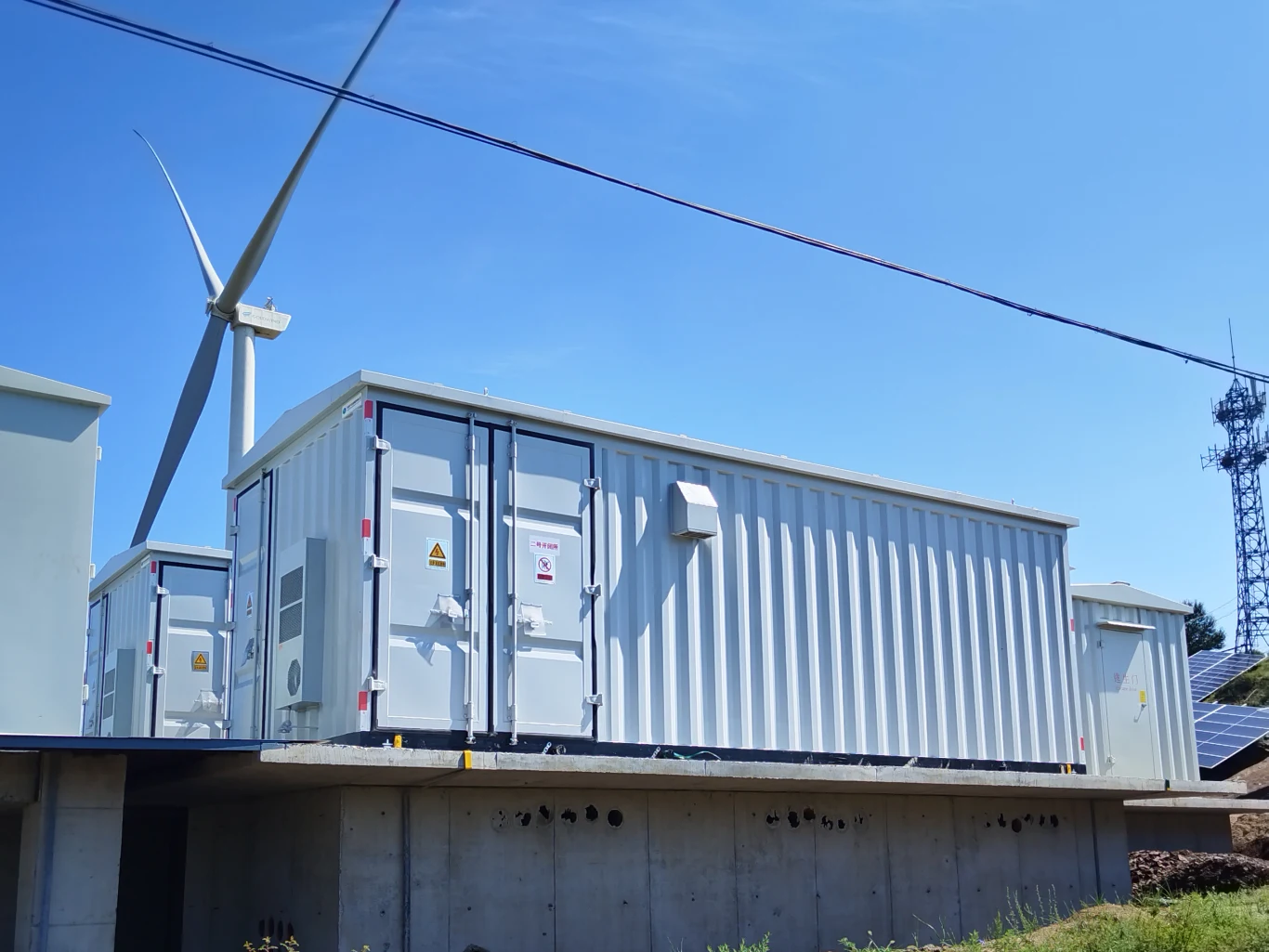
A prefabricated containerized substation can complete much of the assembly and testing work before delivery, leaving a more limited set of installation tasks for the site team. In suitable applications, this approach can significantly shorten the overall project delivery schedule, with some industry project cases reporting reductions of around 30%–40%.
The actual result depends on the project scope, equipment configuration, site conditions, transportation requirements, and other factors.
4. Factory Testing Can Reduce Some On-Site Commissioning Work
On-site commissioning is often one of the less predictable stages of an electrical project.
If your team performs extensive wiring and system checks only after the equipment arrives on site, wiring errors, interface issues, or control logic problems can lead to additional troubleshooting and rework.
A prefabricated substation allows more inspection and testing to take place in the factory before shipment.
Typical activities may include:
- Wiring checks
- Component inspection
- Functional testing
- Protection system checks
- Control system checks
- System integration testing
Modular prefabricated substation solutions also emphasize integrated engineering, manufacturing, assembly, wiring, and testing. This factory-based approach can help reduce the amount of integration work that your team needs to complete at the jobsite.
However, factory testing does not eliminate all site testing.
Grid-connected projects still require site inspection, testing, and commissioning according to the project specifications and applicable grid requirements.
Factory testing can, however, help reduce the risk of discovering certain integration or wiring problems only after the equipment reaches the site.
How Do Prefabricated Substations Reduce Project Costs?
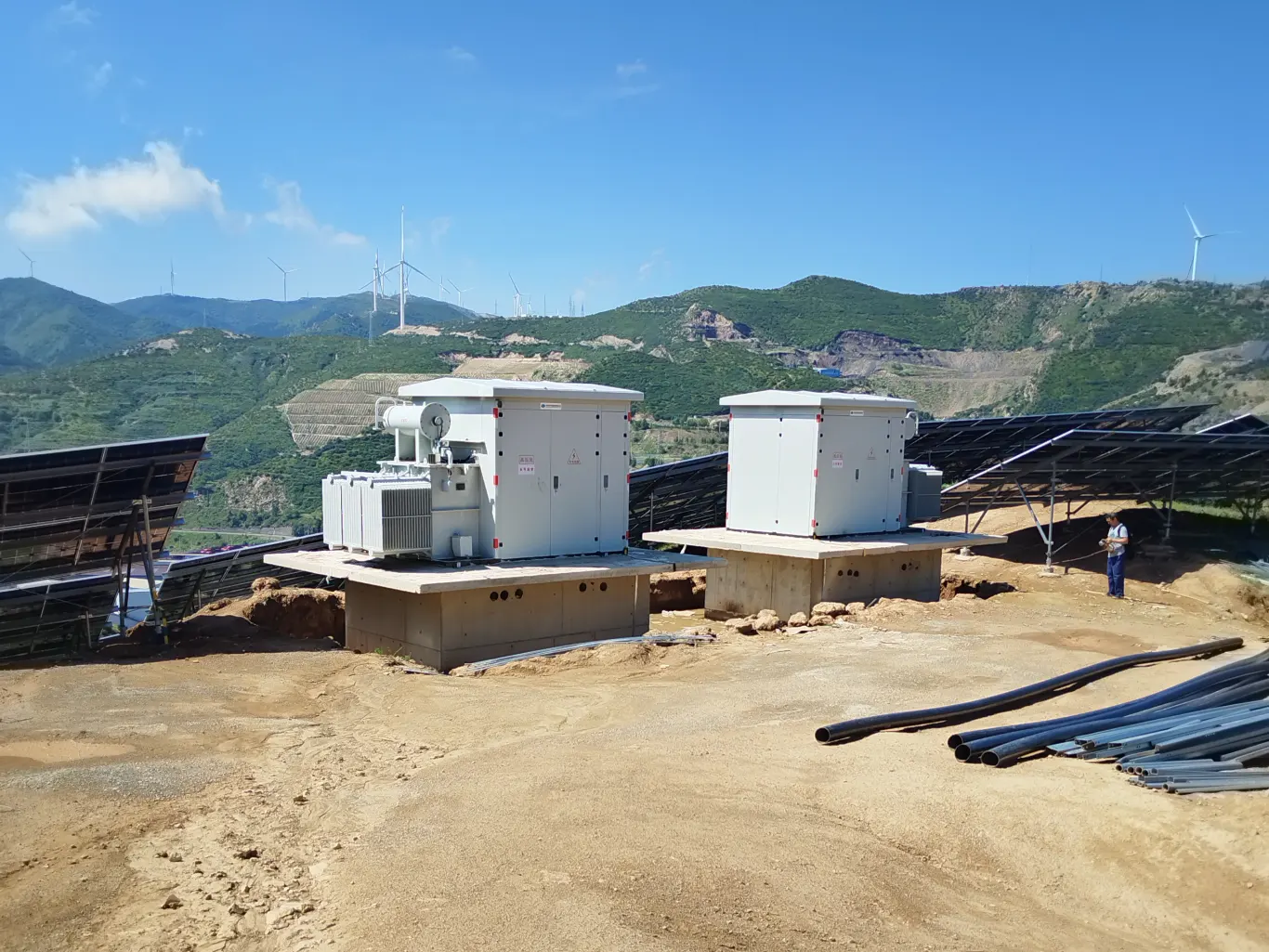
Prefabricated substations reduce total project costs mainly by lowering on-site labor, civil works, coordination, rework, commissioning, and delay-related costs rather than by guaranteeing a lower equipment purchase price.
If you compare only the purchase price of a prefabricated substation with that of conventional substation equipment, you may not see the full cost advantage.
A more useful way to evaluate the project is:
Total Project Cost = Equipment + Civil Works + Installation + Labor + Coordination + Testing + Commissioning + Delay Risk
Let’s look at each cost factor.
1. Lower On-Site Labor Costs
Traditional substation construction may require several types of skilled workers to remain on site for an extended period.
When more equipment assembly and wiring take place in the factory, your site team has fewer installation tasks to complete.
A shorter on-site working period can also reduce related costs such as labor, accommodation, transportation, and site management.
This is particularly relevant for remote projects, where bringing skilled workers to the site can add significant costs to the project.
2. Reduce Some Civil Works and Site Construction
Traditional substations may require a relatively large equipment area, buildings, cable trenches, and other supporting construction.
Prefabricated, packaged, or containerized substation solutions can integrate more equipment into compact modules.
Depending on the project design, this may reduce the need for:
- Building construction
- Dedicated equipment rooms
- Some on-site installation structures
- Some cable trench and supporting works
- Certain types of on-site equipment foundations
However, a prefabricated substation still requires suitable foundations and site preparation. The actual civil work depends on equipment weight, dimensions, ground conditions, local regulations, and the project design.
This distinction matters when you calculate the actual cost of a prefabricated substation.
3. Reduce Coordination Between Equipment Suppliers
Large electrical projects often involve multiple suppliers and contractors.
For example:
Transformer → Switchgear → Protection → Control → Monitoring → Civil Contractor → Electrical Contractor
When each system comes from a different supplier, your project team must manage more interfaces on site.
Who is responsible for the wiring?
Who handles system integration?
Who performs the testing?
Who investigates the problem if two systems do not communicate correctly?
A prefabricated substation can integrate more equipment and systems into a coordinated solution before delivery.
As a result, your project team may have fewer interfaces to manage and less coordination work to handle on site.
4. Reduce Rework and On-Site Installation Errors
Jobsite conditions are usually more complex than factory conditions.
Your equipment installation may be affected by:
- Weather
- Limited working space
- Multiple contractors
- Tight schedules
- Difficult cable routing
- Temporary site conditions
A factory environment, by comparison, provides better conditions for standardized production, inspection, and quality control.
When equipment arrives with factory-installed wiring and completed inspections, your site team has fewer tasks to repeat.
As a result, prefabricated substations can help reduce certain risks related to wiring errors, installation defects, and rework.
Factory testing reduces certain installation and integration risks, but it does not eliminate all site testing or commissioning requirements.
Why Does Earlier Energization Have Economic Value?
For industrial, solar, data center, and mining projects, reducing substation installation time can do more than lower construction costs. It can also help the project reach energization, grid connection, production, or commercial operation earlier.
This factor is easy to overlook when you focus only on equipment and construction costs.
Imagine that a factory is building a new production line.
If the substation is delayed by one month, the impact may extend beyond the substation construction budget. The production line itself may also face a delayed start.
The same principle applies to solar projects.
If grid connection takes longer than planned, the project may also delay the start of normal power generation and commercial operation.
You can therefore think about the value chain like this:
Shorter Installation → Earlier Commissioning → Earlier Energization → Earlier Operation
The actual financial benefit depends on the individual project, so you should not apply a fixed monetary value to earlier energization without considering the project’s specific business model and operating conditions.
Traditional vs. Prefabricated Substations: Where Does the Time Saving Come From?
If you are comparing the two approaches, look at the construction process rather than the equipment price alone.
| Project Stage | Traditional Substation | Prefabricated Substation |
|---|---|---|
| Design | Project-specific design | Pre-engineered or modular design |
| Equipment assembly | More work on site | More work in the factory |
| Wiring | More on-site wiring | Factory pre-wiring |
| Testing | More site-based testing | Factory testing + site testing |
| Civil works | Usually more site construction | Some designs can reduce civil works |
| Supplier coordination | More site interfaces | Greater system integration |
| Equipment installation | More on-site installation steps | Fewer on-site installation steps |
| Commissioning | More on-site integration and troubleshooting | Some work completed in advance |
| Project schedule | More sequential activities | More parallel activities |
The main time saving from a prefabricated substation comes from reducing the amount of work that needs to happen on site.
That is why it is more useful to view prefabrication as a different project delivery method rather than simply a faster way to install a substation.
Which Projects Are Suitable for Prefabricated Substations
Prefabricated substations are particularly worth considering when a project has tight deadlines, high site labor costs, limited space, challenging site conditions, or a strong need for fast energization.
Here are several common applications.
1. Solar and Renewable Energy Projects
A typical solar power project may follow this power path:
PV → Inverter → LV → Transformer → MV Switchgear → Grid
If your project needs to complete equipment installation and grid connection within a limited schedule, a prefabricated substation for solar projects can reduce on-site work by completing more system integration in advance.
This approach can also support faster deployment for wind, energy storage, and other renewable energy projects where grid connection timing matters.
2. Industrial and Manufacturing Projects
For a factory, the power supply system often connects directly to the production schedule.
If you are building a new manufacturing facility, a delayed substation can affect the installation and commissioning of the production line.
A prefabricated substation can reduce some on-site installation and coordination work, making this approach suitable for industrial projects with demanding construction schedules.
3. Data Centers
Data centers typically require reliable power infrastructure and often operate under demanding construction schedules.
The modular design of a prefabricated substation can reduce some site construction work and support faster equipment deployment.
For data center projects with limited space, a compact substation solution may also provide a practical way to integrate the required electrical equipment within a smaller footprint.
4. Mining, Oil & Gas, and Remote Projects
Remote projects often face a practical challenge: site labor and construction resources can cost significantly more when the project is far from major cities and infrastructure.
You may need to account for: transportation, accommodation, skilled labor, equipment mobilization, and long-distance logistics.
By completing more work at the factory and transporting an integrated module to the site, you can reduce some on-site construction time and associated costs.
This makes prefabricated substations particularly relevant to mining, oil and gas, renewable energy, and other remote infrastructure projects.
5. Substation Expansion and Retrofit Projects
Prefabricated solutions are not limited to new-build projects.
If you are expanding an existing substation, you may face another challenge: You cannot keep the existing power system offline for an extended period.
In this situation, prefabricated modules can undergo more assembly and testing at the factory before arriving on site at the required time.
This approach can help reduce certain site installation activities and minimize the duration of planned shutdowns or construction work, depending on the project configuration.
What Determines the Actual Cost and Installation Time of a Prefabricated Substation?
The amount of time and cost a prefabricated substation can save depends on the project size, equipment configuration, site conditions, transportation requirements, and level of customization—not simply on whether you choose a prefabricated solution.
If you are preparing an RFQ or comparing suppliers, pay close attention to the following factors.
1. Voltage Level and Capacity
Projects at 11kV, 33kV, and higher voltage levels can have different equipment dimensions, protection requirements, and safety requirements.
Transformer capacity, the number of incoming and outgoing feeders, and switchgear configuration will also affect the overall module design.
2. Site Conditions
Does the site have enough space?
Can transportation vehicles reach the site?
Can a large crane access the installation area?
Are the foundations ready?
These factors can directly affect the actual installation schedule.
3. Transportation and Lifting Conditions
A prefabricated module reduces on-site assembly, but it also means that you need to transport a more complete and potentially heavier unit.
Therefore, your engineering team should consider the following during the design stage:
- Module dimensions
- Total weight
- Road access
- Shipping route
- Crane capacity
- Lifting points
If you overlook these factors, a fast factory production schedule will not necessarily result in fast on-site installation.
4. Local Standards and Grid Connection Requirements
Electrical standards, certification requirements, and utility requirements vary by country and region.
For an international project, you should confirm the following at an early stage:
- Applicable IEC standards
- Local electrical standards
- Utility requirements
- Protection requirements
- Grid connection requirements
- Inspection and testing requirements
Early confirmation can help avoid design changes and delays later in the project.
5. Level of Customization
Highly standardized modules are generally easier to engineer, manufacture, and test.
However, your project may require significant customization, such as special dimensions, specific protection systems, complex communication systems, or special environmental requirements.
In these cases, you should allow additional time for engineering, manufacturing, and factory testing.
Prefabrication does not automatically mean a short delivery time. Good project planning and early technical confirmation are still important.
What Are the Limitations of Prefabricated Substations?
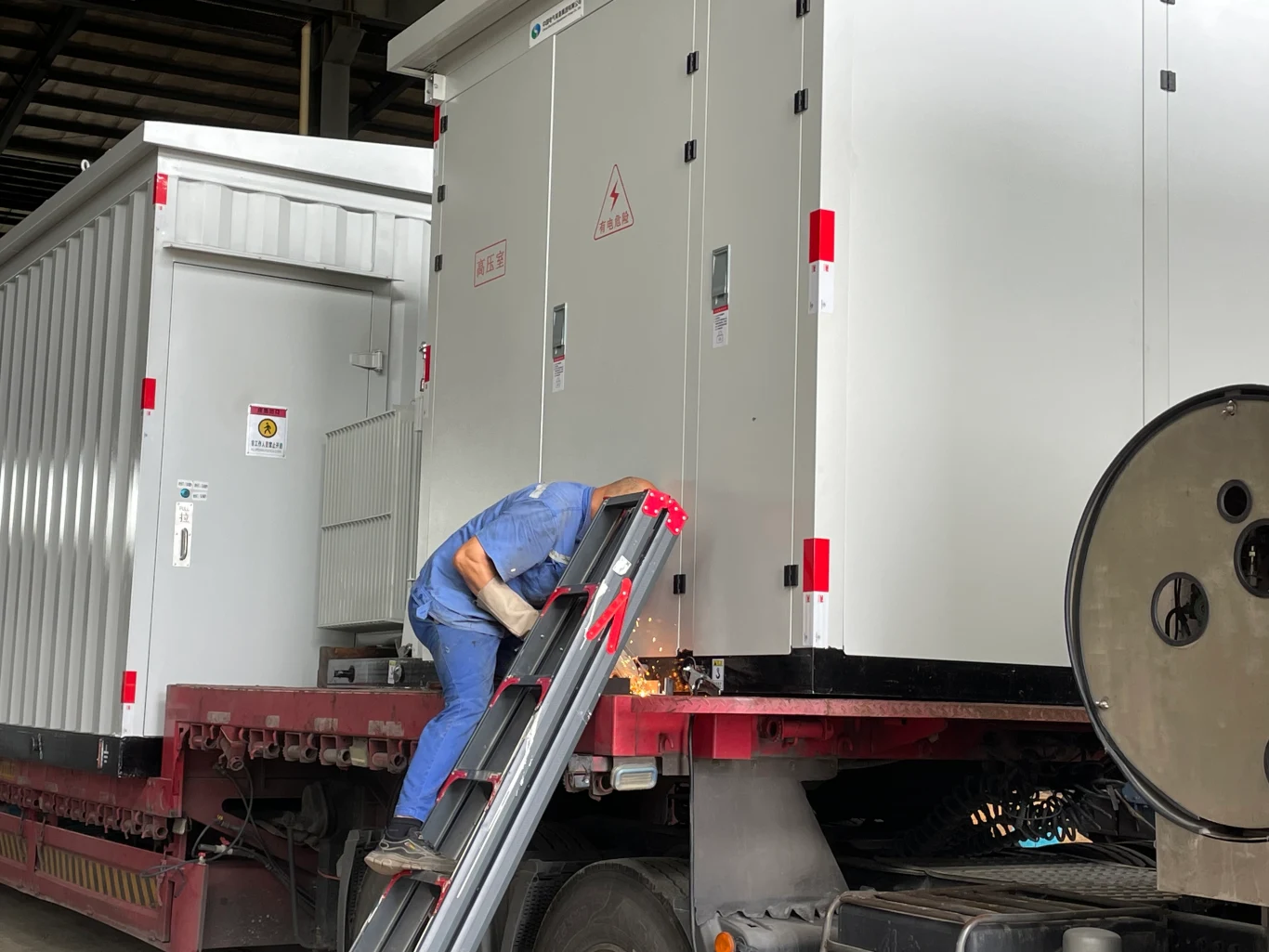
Prefabricated substations can reduce on-site work, but they do not eliminate all construction, transportation, and commissioning requirements. The more complex the project, the more carefully you need to consider transportation, foundations, lifting, standards, and customization during the design stage.
Here are some common limitations to consider.
Transportation Requirements (H3)
Large modules require careful planning for road access, transport vehicles, shipping routes, and lifting operations.
Foundation Requirements
Even a containerized or skid-mounted substation usually requires a foundation designed to meet the equipment and site requirements.
Custom Engineering
Highly customized projects may require additional engineering and factory testing time.
Local Certification
For international projects, you need to confirm local regulations, certification requirements, and utility requirements early in the project.
Final Site Testing
Factory testing cannot completely replace site testing.
After the equipment arrives, the project team still needs to complete the required connections, inspections, protection tests, and commissioning activities.
A more accurate way to describe the benefit is: Prefabricated substations reduce and simplify site work; they do not eliminate site work.
How to Choose the Right Prefabricated Substation for Your Project
When selecting a prefabricated substation, you should look beyond the equipment price and evaluate the voltage level, capacity, equipment configuration, site conditions, transportation, applicable standards, installation requirements, and future expansion plans.
If you are preparing an RFQ for a prefabricated substation, start by gathering the following information.
1. Voltage Level
For example, 11kV, 22kV, 33kV, or another required voltage level.
2. Transformer Capacity
Specify the required transformer capacity and whether you expect future load expansion.
3. MV/HV Switchgear
Confirm the switchgear type, number of incoming and outgoing feeders, short-circuit rating, and protection requirements.
4. Protection and Control
Define the requirements for protection relays, control, metering, monitoring, and communication.
5. Enclosure and IP Rating
Confirm whether the substation will operate indoors or outdoors and specify the required IP rating.
6. Environmental Conditions
Consider ambient temperature, humidity, altitude, dust, corrosion, and other site conditions.
7. Transportation and Site Access
Confirm the module dimensions, total weight, transportation route, and lifting requirements.
8. Local Standards
Identify the required IEC, AS/NZS, or other applicable local standards.
9. Installation and Commissioning
Clearly define which installation, testing, and commissioning activities the supplier will handle on site.
10. Future Expansion
If you expect the load to increase in the future, consider modular expansion during the initial design stage.
FAQs
1. How Long Does It Take to Install a Prefabricated Substation?
The installation time for a prefabricated substation depends on its capacity, number of modules, foundation readiness, transportation, lifting, and cable connections.
Because more equipment assembly and testing take place at the factory, the amount of work required on site can usually decrease.
Some industry project cases have demonstrated faster installation and energization with fully prefabricated modules compared with more conventional site-based construction approaches.
2. Are Prefabricated Substations Cheaper Than Traditional Substations?
Not necessarily in terms of the initial equipment purchase price.
The cost advantage of a prefabricated substation typically comes from lower site labor costs, reduced civil works, fewer coordination interfaces, shorter commissioning activities, and lower exposure to project delays.
For this reason, it is more useful to compare total project cost rather than equipment price alone.
3. Does a Prefabricated Substation Require Civil Works?
Yes. A prefabricated substation usually still requires foundations, grounding, cable connections, and other site preparation work.
However, compared with some conventional substation designs, prefabricated or modular solutions may reduce building and on-site construction requirements.
The actual requirements depend on the project design and applicable local standards.
4. What Equipment Is Included in a Prefabricated Substation?
The configuration depends on the project requirements.
Common equipment includes transformers, medium- and high-voltage switchgear, low-voltage distribution equipment, protection and control systems, auxiliary power systems, monitoring and communication equipment, and a prefabricated enclosure or E-house.
5. Can Prefabricated Substations Be Used for Solar Projects?
Yes. Prefabricated substations can support solar PV, wind, and energy storage projects. Manufacturers can configure the solution according to the grid connection voltage, transformer capacity, MV switchgear, protection requirements, and other project specifications.
Conclusion
The key to reducing project time and cost with a prefabricated substation is not simply to manufacture the equipment in advance. It is to move more assembly, wiring, integration, and testing from the jobsite to the factory while allowing factory production and site preparation to proceed in parallel.
For projects with tight schedules, high site labor costs, limited construction space, fast grid connection requirements, or remote locations, this delivery approach can be worth evaluating.
If you are planning a prefabricated substation project, start by confirming the voltage level, transformer capacity, switchgear, protection system, site conditions, transportation requirements, local standards, and future expansion plans.
The clearer your project requirements, the easier it is to determine where a prefabricated substation can save time, reduce site work, and control total project costs.
Ready to explore a prefabricated substation solution for your project? Contact us with your project requirements , and our team will discuss a suitable configuration and quotation with you.