

As renewable energy projects continue to expand worldwide, power transformers are playing a more critical role in modern power systems than ever before. Whether in large-scale solar power plants, wind farms, or hybrid energy systems, power transformers are essential for ensuring the safe, reliable, and efficient transmission of electricity.
At Wondon, we work with customers from a wide range of countries and regions. Their concerns extend beyond transformer capacity and voltage ratings; they are increasingly focused on system reliability, operational and maintenance costs, and long-term return on investment. This has reinforced our understanding that keeping pace with future trends in power transformers for renewable energy applications is important not only for staying aligned with technological advancements, but also for helping customers maximize value when planning renewable energy projects and making procurement decisions.
Renewable Energy Requirements for Power Transformers
Renewable energy systems are placing new demands on conventional power transformers, requiring improved performance, flexibility, and intelligence to support evolving power networks.
Voltage Fluctuations
Due to the intermittent nature of solar and wind power generation, power transformers must be capable of responding quickly to load variations and maintaining stable system operation under changing conditions.
Higher Efficiency and Reliability
As power grids become more complex, high-efficiency, low-loss transformer designs are increasingly important for improving overall project economics and ensuring long-term operational reliability.
Thermal Load Challenges
Continuous operation under high load conditions can accelerate equipment aging and reduce service life. Effective cooling systems and thermal management designs are therefore essential for maintaining transformer performance and longevity.
Remote Monitoring Requirements
Smart transformers equipped with real-time monitoring capabilities for temperature, voltage, and current can help reduce maintenance costs, improve asset management, and enable early fault detection.
Regional Regulatory Differences
Energy efficiency regulations and safety standards vary across countries and regions. These differences can significantly influence transformer specifications and selection decisions for renewable energy projects.
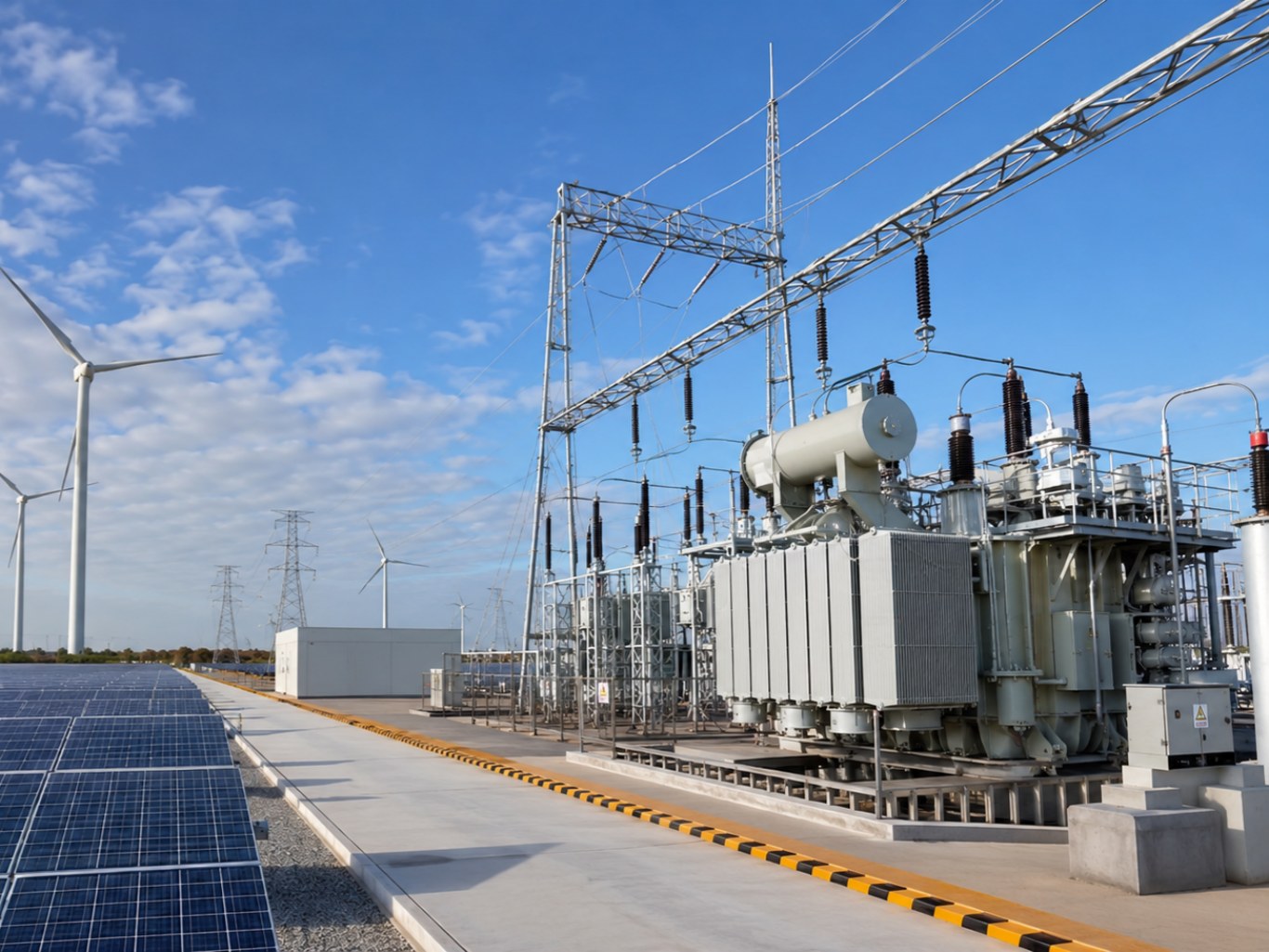
Future Technology Trends in Power Transformers
When evaluating the future of power transformers for renewable energy applications, three key technology trends deserve particular attention:
1. High-Efficiency, Energy-Saving Designs
Advanced transformer designs are increasingly incorporating low-loss core materials and optimized cooling systems to minimize both no-load and load losses. These improvements help enhance overall system efficiency, reduce energy waste, and support the economic performance of renewable energy projects.
2. Smart Monitoring and Digitalization
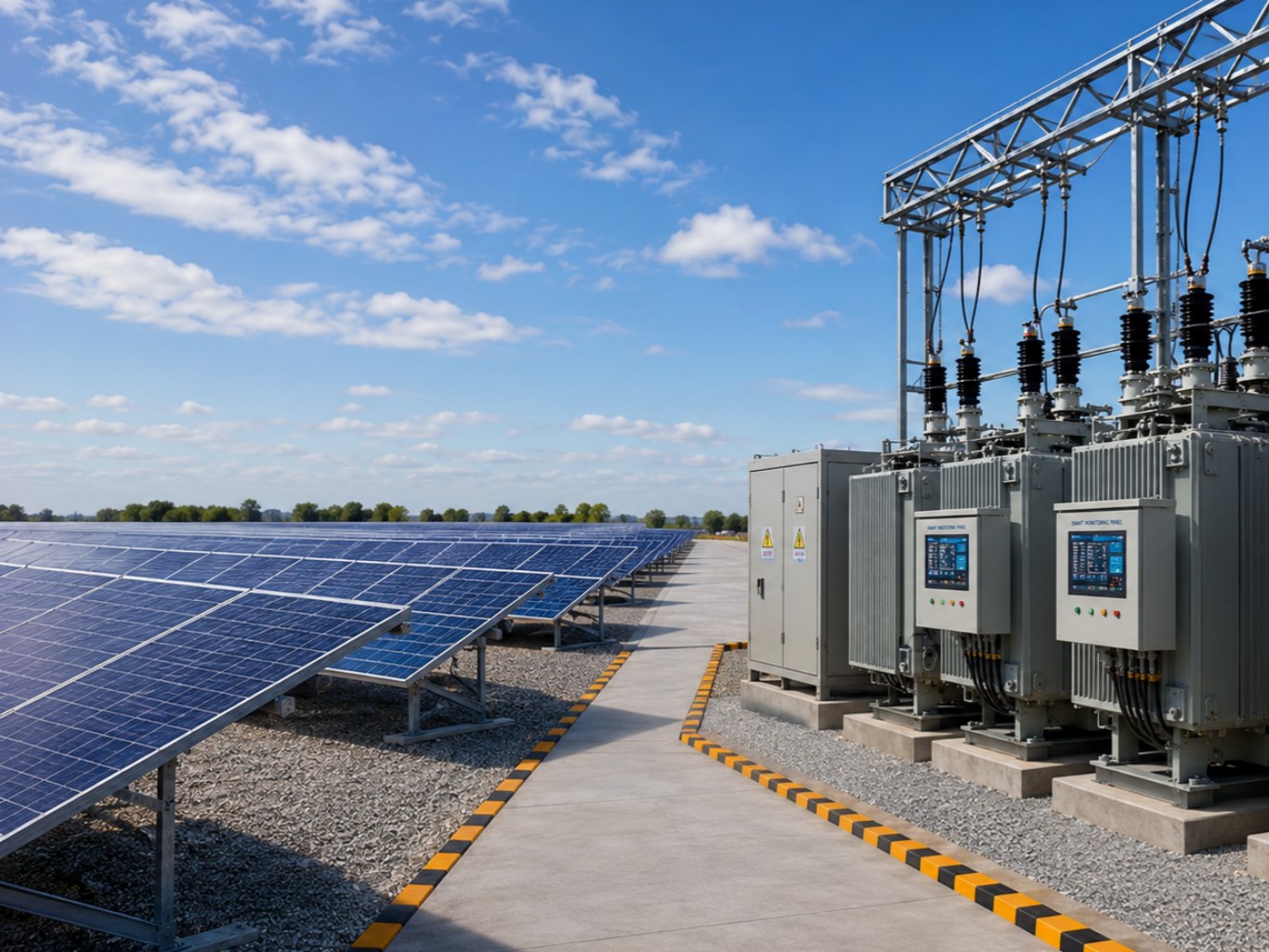
The integration of IoT-enabled monitoring systems allows transformers to provide real-time data on operating conditions, including temperature, voltage, and current. This supports remote operation and maintenance, enables predictive maintenance strategies, and helps reduce downtime and associated operational losses.
3. Modular and Adaptive Designs
Modular transformer solutions offer greater flexibility for deployment across solar farms, wind power projects, and microgrids with varying capacity and voltage requirements. Their adaptable design simplifies installation, accelerates project deployment, and supports future system expansion.
These technological advancements not only improve transformer performance and operational reliability but also help reduce the total cost of ownership (TCO) throughout the equipment’s service life.
Real-World Applications
Wind Farms
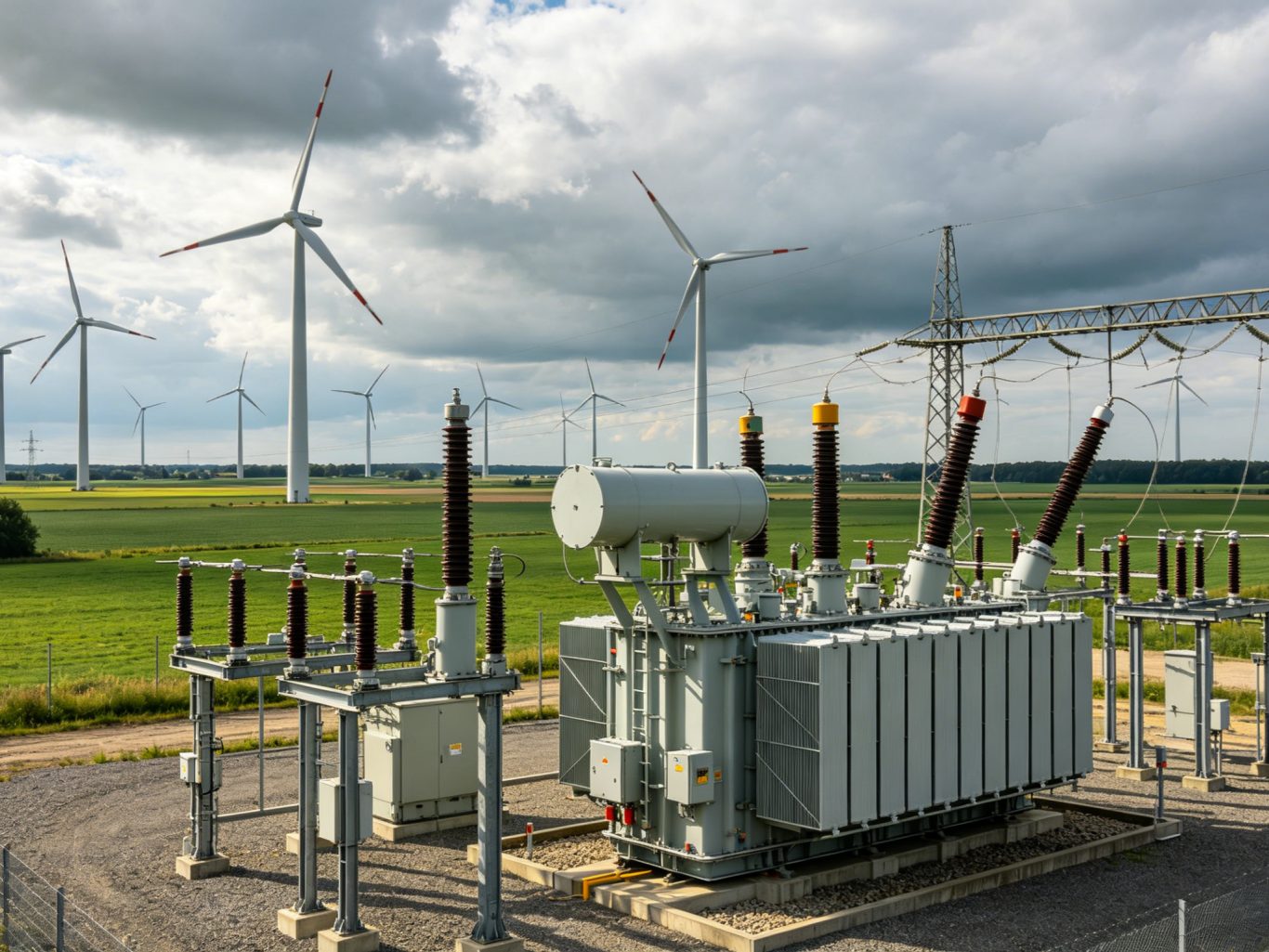
In a large-scale wind power project, high-capacity oil-immersed power transformers enabled stable integration of turbine-generated electricity into the grid while helping reduce unplanned downtime and improve overall system reliability.
Solar Power Plants
A solar power facility deployed dry-type transformers equipped with intelligent monitoring systems to achieve efficient voltage step-up performance and ensure reliable long-term operation of critical equipment.
Industrial Microgrids
Modular smart power transformers, integrated with energy storage systems, provided the flexibility needed to manage load fluctuations and support the seamless integration of distributed energy resources, enhancing both system stability and operational efficiency.
Future Outlook
As global investment in renewable energy continues to grow, several key trends are expected to shape the future of the power transformer market:
- Smart and digital technologies will become standard features
- Innovative materials and high-efficiency designs will drive sustainability
- Regulations and industry standards will play a greater role in purchasing decisions
For project developers, utilities, and industrial operators, staying ahead of these trends can help reduce operational risks, optimize system performance, and maximize long-term return on investment.
FAQs
1. What is a power transformer in renewable energy systems?
A power transformer in renewable energy is an electrical device used to step up or step down voltage to ensure safe and efficient power transmission in solar power plants, wind farms, and microgrid systems. It plays a key role in integrating renewable energy into the grid.
2. What requirements do renewable energy projects place on power transformers?
Renewable energy systems require transformers with higher flexibility and performance, including the ability to handle load fluctuations, high efficiency and low losses, strong thermal management, remote monitoring capabilities, and compliance with regional safety and efficiency standards.
3. How do smart transformers reduce maintenance costs in renewable energy applications?
Smart transformers in renewable energy systems enable real-time monitoring of temperature, voltage, and current. With predictive maintenance and remote diagnostics, they help reduce unexpected downtime, improve asset management, and lower overall maintenance costs.
4. What should we consider when selecting a power transformer for renewable energy projects?
Key factors include energy efficiency, total cost of ownership (TCO), thermal performance, smart monitoring functions, modular design flexibility, and compliance with international or regional standards such as IEC or ISO certifications.
5. What is the future trend of power transformers in renewable energy?
The future of power transformers in renewable energy is driven by smart digitalization, energy-efficient designs, advanced materials, and stricter regulatory standards. These trends are shaping more reliable, efficient, and sustainable power systems worldwide.
Conclusions
Smart digitalization, energy-efficient designs, advanced materials, and stricter regulatory standards drive the future of power transformers in renewable energy.
Against the backdrop of rapid renewable energy development, power transformers are gradually evolving from conventional electrical equipment into critical infrastructure that supports the stable operation of modern renewable energy systems. Their performance in areas such as voltage fluctuation tolerance, thermal management design, and intelligent monitoring and digital capabilities directly impacts the overall efficiency and long-term returns of renewable energy projects.
From project planning to equipment selection, differences in regional technical standards, operating environments, and maintenance practices all influence the final engineering solution. As a result, transformer selection in real-world projects is often not just a matter of matching technical specifications, but a comprehensive balance between system reliability and cost structure.
If you would like to discuss a specific project, feel free to contact us. We can provide more tailored technical recommendations based on your application scenario.