

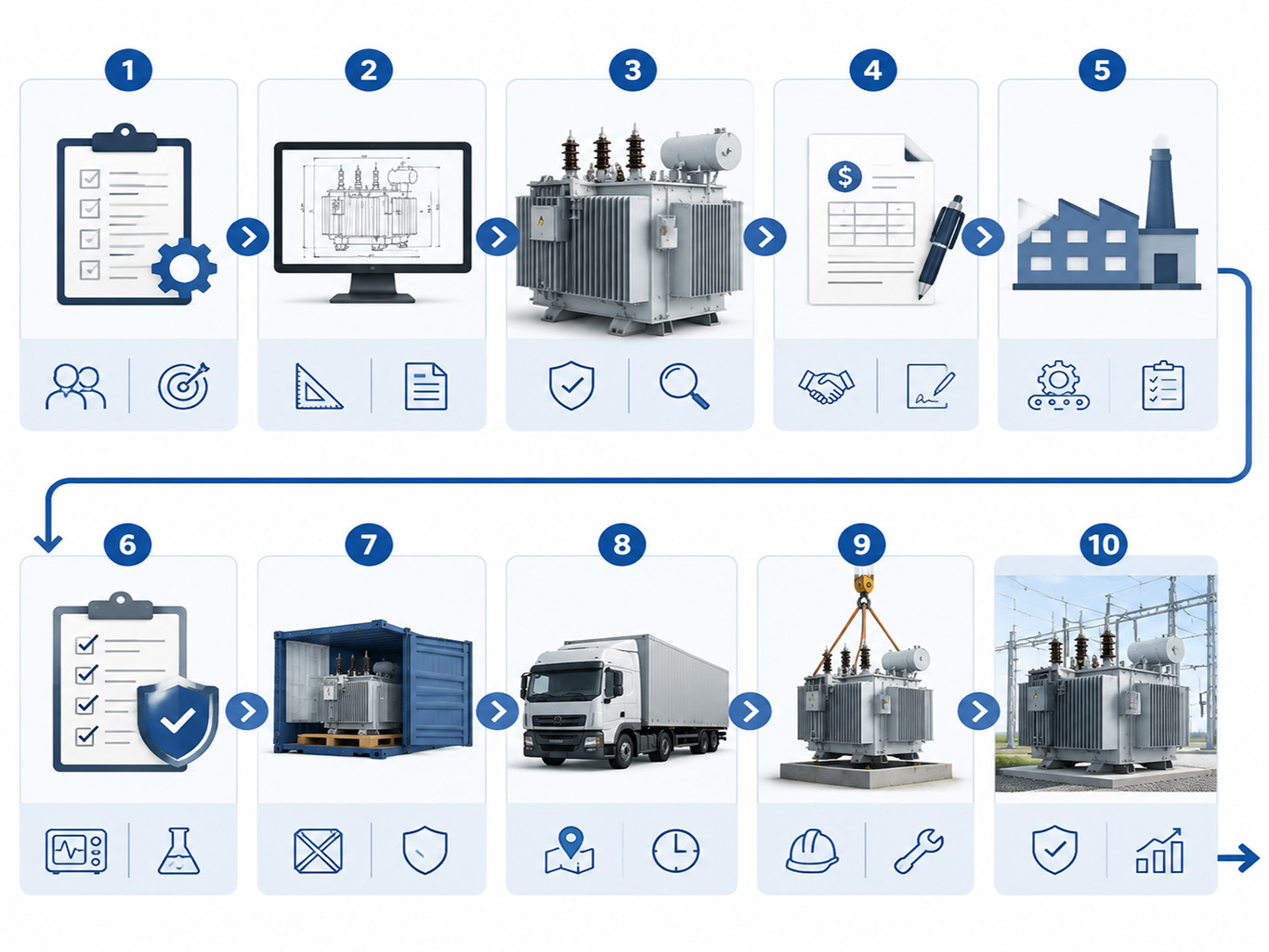
In power projects, industrial construction, and renewable energy distribution systems, power transformer procurement is a system-level decision involving design, engineering, supply chain management, and final acceptance.
Based on communication with different project procurement teams, one common pattern has emerged: many issues encountered during project execution are not caused by the transformer itself, but by early-stage judgment errors and incomplete information during procurement. These are the most typical transformer procurement mistakes in real projects.
Below are 10 of the most common transformer procurement mistakes in actual engineering practice, aimed at improving procurement efficiency and reducing project risks.
Mistake 1: Incorrect Power Transformer Capacity Sizing for Actual Load Demand
Incorrect transformer sizing is one of the most frequent transformer procurement mistakes.
In real projects, many buyers estimate kVA based only on existing load and personal experience, without fully considering:
- Power factor
- Starting/inrush load conditions
- Future expansion requirements
This may lead to:
- Undersized capacity → continuous overloading and reduced transformer lifespan
- Oversized capacity → unnecessary investment and low-load inefficiency
In practice, we usually recommend customers keep a reasonable safety margin instead of simply increasing values blindly.
Mistake 2: Ignoring System Voltage and Frequency Compatibility
Voltage and frequency mismatch is especially common in international projects.
Without carefully checking the electrical standards of the project country, issues such as the following may occur:
- 50Hz equipment used in a 60Hz system
- High-voltage side not matching local grid standards
These issues are often not visible during quotation, but they can block commissioning or grid connection directly.
Therefore, procurement teams must clearly define:
- High-voltage and low-voltage levels
- System frequency
- Grid connection standards
Mistake 3: Choosing the Wrong Transformer Type
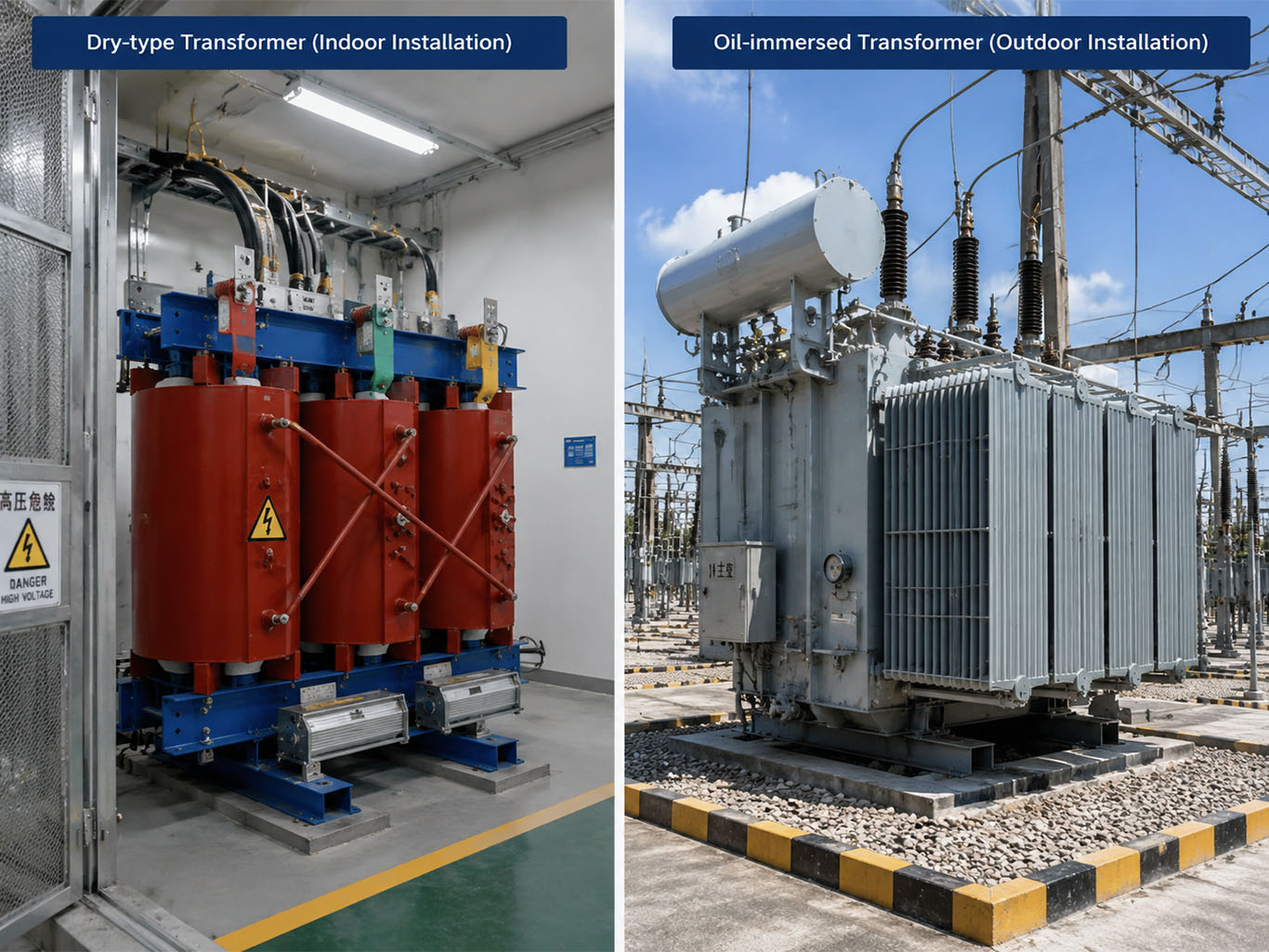
Transformer type selection depends primarily on installation conditions, not price. This is one of the underestimated transformer procurement mistakes.
Common misunderstandings include:
- Using oil-immersed transformers in indoor environments without proper fire protection
- Using dry-type transformers incorrectly in outdoor projects
- Limited space or high fire safety requirements → dry-type transformer
- Outdoor installation, large capacity, and cost sensitivity → oil-immersed transformer
Incorrect environmental judgment often leads to much higher retrofit costs than the equipment itself.
Mistake 4: Overlooking Compliance Requirements
Standards and certifications are often underestimated in export projects.
Common situations:
- Focusing only on technical parameters without confirming certification systems
- Mixing IEC-based requirements with ANSI design expectations
This may result in:
- Customs clearance delays
- EPC acceptance failure
- Grid connection rejection
Procurement teams must clearly confirm the applicable standards, such as IEC or ANSI requirements, before ordering.
Mistake 5: Selecting Suppliers Without Verified Manufacturing Capability
Many buyers focus only on price comparison and ignore supplier verification.
Key risks include:
- Trading companies acting as intermediaries without manufacturing capability(内链至manufacture页面)
- Inability to provide complete Factory Acceptance Testing (FAT)
- Lack of traceability in production processes
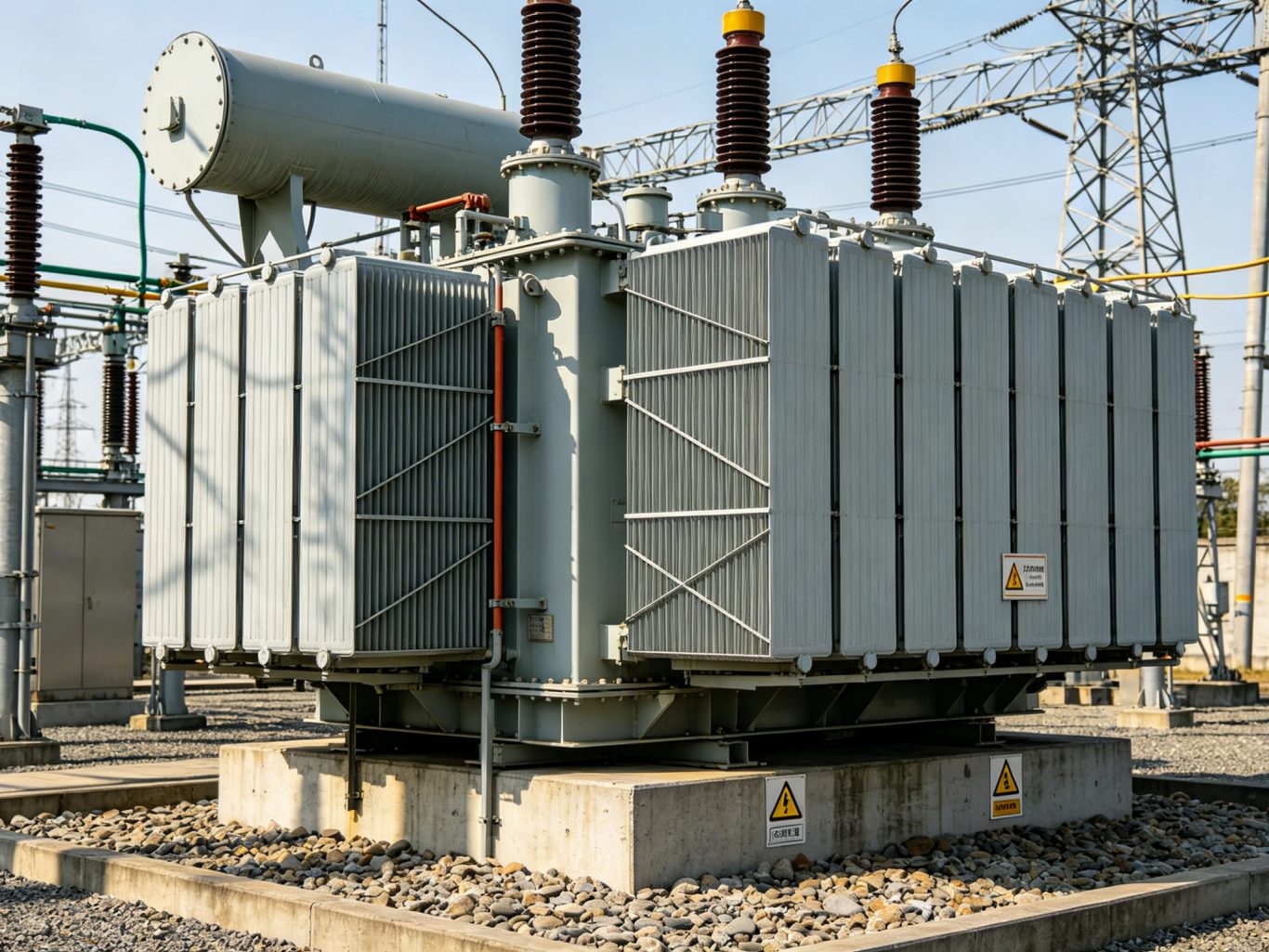
In projects involving Wondon, we usually recommend confirming at least:
- Whether the factory has a complete production line
- Whether type tests and routine tests are supported
- Whether there is proven project delivery experience
Mistake 6: Ignoring Transformer Losses and Energy Efficiency Class
During procurement, kVA rating and price are often prioritized, while losses are ignored.
Long-term operating costs mainly come from:
- No-load losses
- Load losses
In industrial systems with long operating hours, these costs can exceed the initial purchase price.
Therefore, attention should be given to:
- Energy efficiency class
- Load profile during operation
- Annual operating hours
Mistake 7: Underestimating Installation and Site Conditions
The installation environment has a direct impact on transformer performance.
For example:
- Reduced cooling efficiency at high altitude
- Need for enhanced cooling design in high-temperature environments
- Improved insulation requirements in high-humidity areas
If environmental parameters are not provided in advance, the final design may not match real operating conditions.
Mistake 8: Poor Communication of Technical Specifications with Suppliers
This is a typical case of incorrect design caused by incomplete information.
Many buyers only provide:
- kVA rating
- General application purpose
However, transformer design also requires:
- Voltage levels
- Load type
- Cooling method requirements
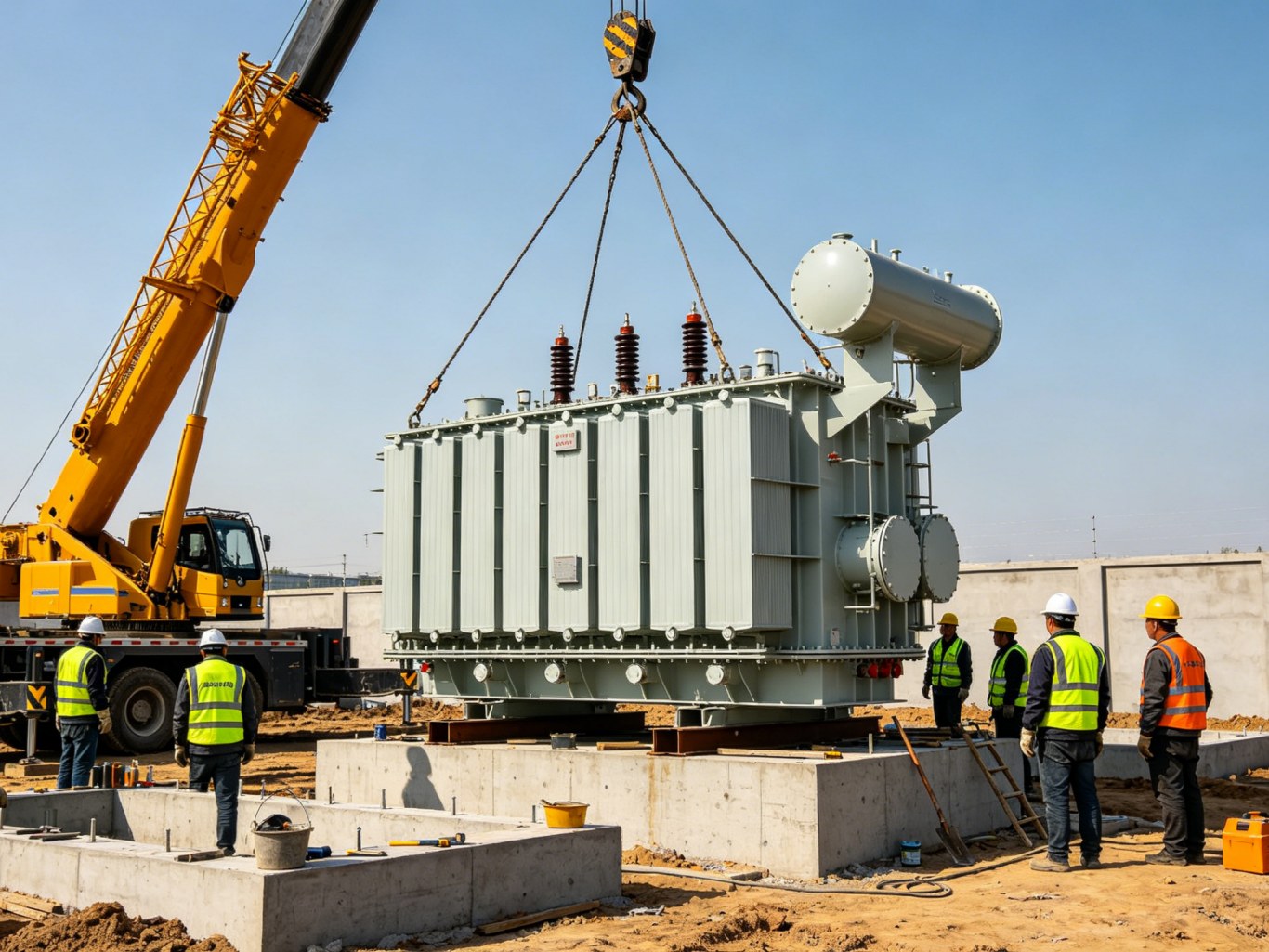
- Installation method
Missing information often leads to repeated revisions or even redesign.
Mistake 9: Ignoring Delivery Lead Time and Project Scheduling Risks
Lead time management is critical in engineering projects.
Common misjudgments include:
- Considering only production time, ignoring transportation time
- Failing to account for the custom design lead time
- Overlooking the testing and acceptance time
Without proper planning, equipment may arrive later than the construction schedule, affecting the entire project timeline.
Mistake 10: Neglecting Factory Acceptance Test and Quality Inspection
Factory testing is often overlooked by procurement teams.
Actual risks include:
- Failure to verify real operating performance
- Inability to detect design or assembly issues early
- Increased commissioning risks on site
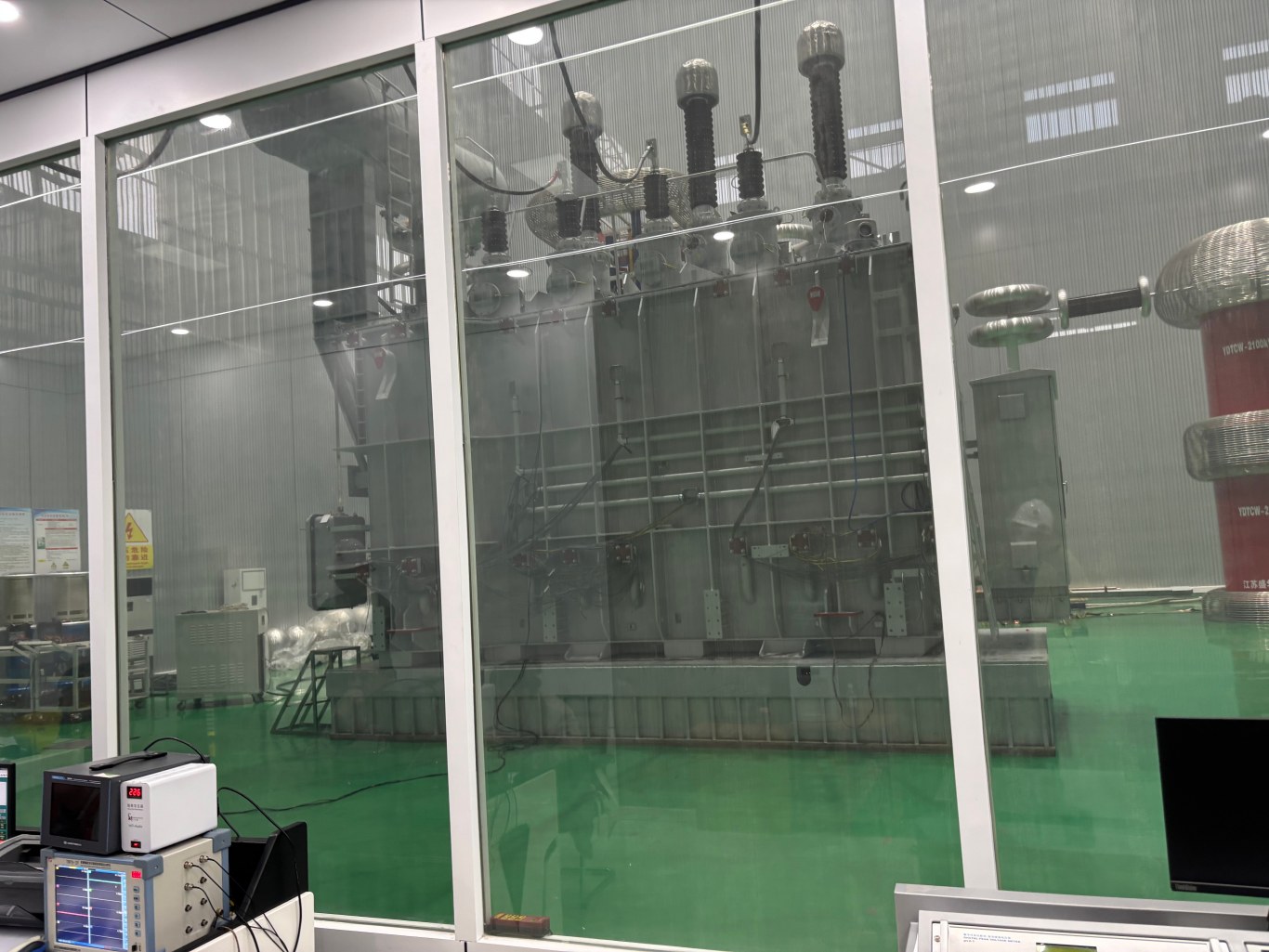
In international projects, FAT is a key part of acceptance, typically including:
- Electrical performance testing
- Insulation testing
- Load verification tests
Only transformers that pass full testing can ensure safer and more reliable operation in real projects.
FAQs
1. What are the most common transformer procurement mistakes?
The most common transformer procurement mistakes include incorrect capacity sizing, voltage and frequency mismatch, wrong transformer type selection, lack of compliance verification, and poor supplier evaluation.
2. How do I choose the correct power transformer capacity?
Transformer capacity should be based on actual load demand, power factor, inrush current, and future expansion plans. Undersizing leads to overload, while oversizing reduces efficiency and increases cost.
3. Why is transformer type selection important in procurement?
Choosing between dry-type and oil-immersed transformers depends on installation conditions, fire safety requirements, space limitations, and cost considerations. Incorrect selection may lead to safety risks or expensive redesign.
4. What compliance standards are required for transformer procurement?
Most international projects require compliance with IEC or ANSI standards. Lack of proper certification may result in customs delays, failed EPC acceptance, or grid connection issues.
5. Why is Factory Acceptance Test (FAT) important?
FAT ensures the transformer meets electrical, insulation, and load performance requirements before delivery. It helps detect manufacturing issues early and reduces commissioning risks on-site.
Conclusion
The key to successful transformer procurement lies in early-stage parameter definition and risk control. Many transformer procurement mistakes can be avoided during the selection phase if requirements are clearly defined from the beginning.
If you are currently working on transformer selection or supplier evaluation, you can contact us for technical support and solution recommendations to reduce procurement risks and improve decision efficiency.