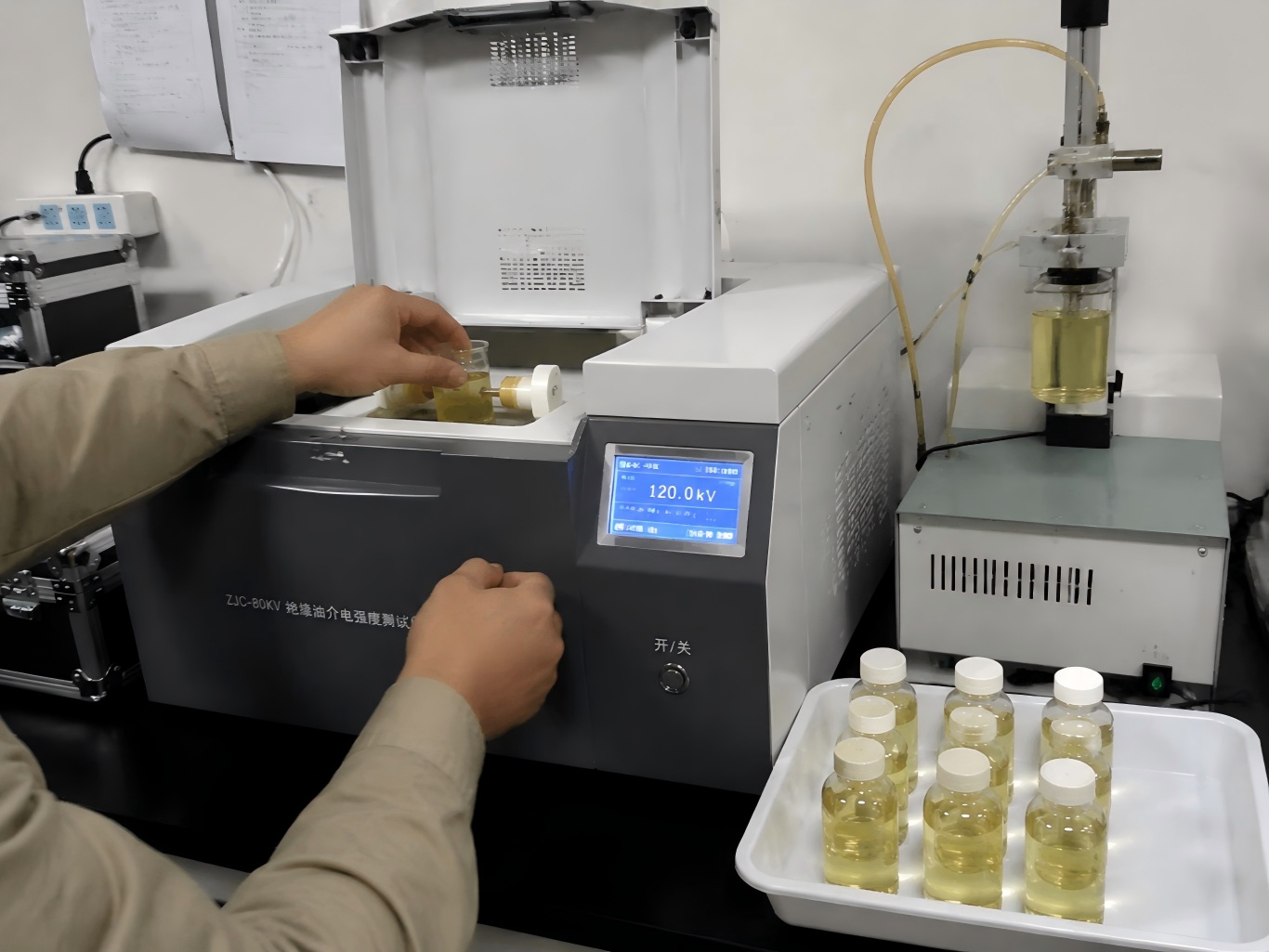

In large substations and power plants, transformer oil testing is a critical process to ensure the safe and efficient operation of transformers. As a professional maintenance engineer at an engineering contractor, electrical company, or substation, you need to regularly assess oil quality to prevent equipment failures and extend transformer service life.
Wondon specializes in the design and manufacturing of high-capacity, high-end transformers and has accumulated extensive industry experience. In this article, we will provide a detailed guide on how to perform transformer oil testing correctly and systematically, helping you master practical procedures and ensuring your power transformer remains in optimal condition at all times.
Introduction to Power Transformer Oil
What Is Transformer Oil?
1. Insulating Medium
Transformer oil is one of the most essential insulating materials in oil-immersed transformers. It isolates the high-voltage windings from the core, preventing short circuits and dielectric breakdowns.
2. Heat Conduction
High-capacity power transformers generate substantial heat during operation. Transformer oil conducts the heat from the windings and core to the radiators, keeping the temperature rise within safe limits. For power transformers used in large substations or power plants, this function is crucial as it directly affects equipment lifespan and operational efficiency.
3. Chemical Stability and Oxidation Resistance
High-quality transformer oil must possess excellent chemical stability to resist oxidation and acid formation over long-term operation, preventing deterioration that could compromise insulation performance.
Role of Transformer Oil in Power Transformers
1. Extending Equipment Lifespan
Proper use and maintenance of transformer oil can significantly prolong the service life of a power transformer while reducing unexpected downtime and maintenance costs.
2. Ensuring Safe Operation
The insulating and cooling properties of transformer oil prevent overheating and dielectric breakdown, protecting both the equipment and personnel during on-site operations.
3. Supporting Efficient Performance
With high-quality oil, transformers operate more smoothly and experience lower energy losses, which is especially important for large-scale projects.
Why Transformer Oil Testing is Essential
Ensuring the Safe Operation of High-Voltage Power Transformers
1. Preventing Insulation Breakdown
Degraded or contaminated oil reduces insulation capability, increasing the risk of dielectric breakdown between windings and the core. Regular testing allows you to detect abnormal moisture, gas, or impurities in the oil early, preventing unexpected shutdowns or more serious safety incidents.
2. Reducing Fire and Safety Risks
Non-compliant oil can decompose under high temperatures, producing flammable gases or acidic substances. We recommend that clients establish a routine oil monitoring plan for their power transformers to identify potential hazards during each inspection.
Improving Power Transformer Efficiency and Service Life
1. Maintaining Heat Conduction Efficiency
Degraded oil reduces cooling performance, which can lead to overheating. Through regular transformer oil testing, you can ensure that the oil retains good thermal conductivity, allowing the transformer to operate stably under high load conditions.
3. Preventing Premature Equipment Aging
Regular testing can detect rising acid levels, changes in turbidity, or microbial contamination early. Taking corrective actions extends the service life of the transformer, reduces maintenance frequency, and lowers operational costs.
Potential Risks of Neglecting Oil Testing
1. Unexpected Downtime
Abnormal oil quality can cause sudden transformer shutdowns, affecting the stability of the entire power system—especially in large power plants and substations.
2. Increased Maintenance Costs
Without timely oil testing, minor issues may escalate into serious failures such as winding damage or core aging, resulting in maintenance costs several times higher than anticipated.
3. Impact on Project Timelines
For contractors and builders, transformer downtime or degraded performance can directly delay construction schedules or project delivery, increasing additional costs.
Key Types of Transformer Oil Tests
Physical Tests
Color and Clarity Check
New transformer oil should appear light yellow or clear. Cloudiness, dark coloration, or sediment may indicate contamination or aging.
Density and Viscosity Measurement
The density and viscosity of transformer oil affect both insulation performance and heat transfer efficiency. Abnormal values may indicate the presence of moisture or impurities, reducing transformer efficiency.
Chemical Tests
Moisture Content
Moisture is one of the primary factors that degrade oil insulation. Detecting moisture through Karl Fischer titration or infrared measurement allows early identification of potential problems.
Acidity
Acid formation in the oil accelerates the aging of internal insulation materials. Wondon recommends regular testing of oil acidity and comparing results against standard thresholds to determine whether oil replacement or treatment is required.
Dissolved Gas Analysis
DGA can detect potential internal issues such as partial discharge, overheating, or arcing faults. By analyzing gases like hydrogen and acetylene, you can take preventive maintenance measures to avoid serious failures.
Electrical Tests
Dielectric Strength
Dielectric strength is a core indicator of transformer oil’s insulating performance. Through high-voltage withstand testing, you can verify that the oil continues to provide effective insulation under load, ensuring the safe operation of the power transformer.
Resistivity
A decrease in oil resistivity may indicate contamination or aging, directly affecting leakage current and insulation reliability. Regular monitoring of resistivity is essential for maintaining the overall safety and efficiency of power transformer maintenance programs.
Transformer Oil Sampling Procedures
Accurate oil sampling is the foundation for reliable power transformer oil testing results. Following standardized sampling procedures helps you detect potential issues early and ensures the safe and efficient operation of your power transformer.
Preparation and Safety Measures Before Sampling
- Confirm sampling purpose and frequency: Determine why and how often the oil sample needs to be collected.
- Wear protective equipment: Use gloves, safety glasses, and appropriate clothing to prevent contact with oil.
- Prepare clean, dry sampling tools: Ensure all instruments are free from moisture and contamination.
Sampling Points and Methods
Select Appropriate Sampling Points
Samples are generally collected from the top vent or a dedicated sampling port of the transformer oil tank to avoid sediment and impurities affecting the results.
Sampling Procedure:
1. Close valves near the sampling port to ensure safety.
2. Slowly draw the oil sample to avoid introducing air bubbles.
3. Place the sample into a clean, dry sampling bottle and seal immediately.
Sample Labeling and Record-Keeping
Label the bottle with the transformer ID, sampling date, and sampling point. Record the same information in internal maintenance logs to facilitate future trend analysis.
Sample Storage and Transportation
- Short-term storage: Keep the sample sealed, away from light, and at a stable temperature to prevent oil degradation.
- Long-term transportation: For sending to a third-party laboratory, use a dedicated transport container and ensure the sample is not inverted or subjected to excessive vibration.
- Precautions: Avoid moisture contamination or direct contact with metal, as these can affect testing results.
Recommended Actions Based on Test Results
Minor Abnormalities
For slight deviations in parameters such as acidity or moisture content, corrective measures like oil filtration, dehydration, or the addition of antioxidants can be applied to restore oil quality.
Severe Abnormalities
If the oil quality significantly exceeds acceptable limits or DGA indicates high-risk conditions, it is recommended to immediately shut down the transformer for inspection. If necessary, replace the oil or perform internal maintenance. In power plants or large substations, prompt action can prevent outages or serious safety incidents.
Establish Trend Analysis
Regularly test and record oil quality parameters to build a historical trend. Trend analysis helps predict potential issues in advance and allows optimization of the power transformer maintenance plan.
Best Practices for Transformer Oil Maintenance
Establish a Regular Oil Testing Schedule
Set cycles based on operating time
For high-capacity power transformers in large substations or power plants, it is recommended to perform transformer oil testing every 6–12 months. For transformers operating under high loads or in complex environments, the testing interval can be shortened.
Focus on key parameters.
Monitor critical indicators such as acid value, moisture content, dielectric strength, and dissolved gases. Comparing current test results with historical data helps create trend analysis, allowing early detection of potential issues.
Oil Filtration and Replacement Guidelines
Filtration Treatment
Use a dry-type oil filtration machine to remove fine particles and moisture, which can significantly restore the oil’s insulating performance.
Partial or Complete Replacement
When oil degradation or contamination is severe and irreversible, a complete oil replacement is recommended.
Preventive Maintenance Measures
Prevent moisture and contaminants from entering the oil
Ensure that the transformer tank is properly sealed and periodically inspect valves and sealing rings.
Monitor ambient operating temperature.
High temperatures accelerate oil aging. For transformers in power plants or outdoor installations, maintaining good cooling conditions is critical.
Maintain detailed records
Document every oil sampling, filtration, and replacement operation along with the results. This creates a reliable maintenance history, helping contractors and project management teams optimize power transformer maintenance schedules and reduce the risk of unexpected downtime.
FAQs
1. Why is transformer oil testing important?
Transformer oil testing helps evaluate the condition of the insulating and cooling medium inside a transformer. Regular testing can identify moisture, contamination, overheating, and insulation degradation before they lead to equipment failure, helping improve reliability and extend transformer service life.
2. How often should transformer oil be tested?
The testing frequency depends on transformer capacity, operating conditions, and maintenance requirements. In most substations and industrial facilities, transformer oil is typically tested every 6 to 12 months, while heavily loaded transformers may require more frequent monitoring.
3. What is the most important test for transformer oil?
Dissolved Gas Analysis (DGA) is considered one of the most important transformer oil tests because it can detect early signs of overheating, arcing, and partial discharge. This allows maintenance teams to identify internal faults before they develop into major failures.
4. What happens if transformer oil is not tested regularly?
Without regular testing, moisture, oxidation, and contaminants can gradually reduce insulation performance and cooling efficiency. This may increase the risk of transformer overheating, unexpected outages, costly repairs, and reduced equipment lifespan.
5. How can transformer oil quality be improved?
Transformer oil quality can be improved through filtration, dehydration, and timely replacement when necessary.
Conclusions
Through systematic transformer oil testing and standardized maintenance procedures, you can ensure the safe and stable operation of your power transformers, extend equipment lifespan, and reduce unexpected downtime and maintenance costs.
As an experienced manufacturer, Wondon not only delivers high-quality power transformers but also provides customized oil management solutions and technical support to help your projects run smoothly and achieve a reliable, efficient power system. Contact us today to get a tailored power transformer solution for your needs.