

Pad-mounted transformers are oil-immersed, outdoor, packaged distribution transformers widely used in North American residential and commercial power distribution systems. In distribution project design and equipment selection, one of the most practical questions is: how to choose between single-phase and three-phase pad-mounted transformers?
Based on our experience in overseas distribution projects, making the right decision first requires a clear understanding of these two types of transformers and the differences between them.
What Is a Pad-Mounted Transformer in Power Distribution Systems?
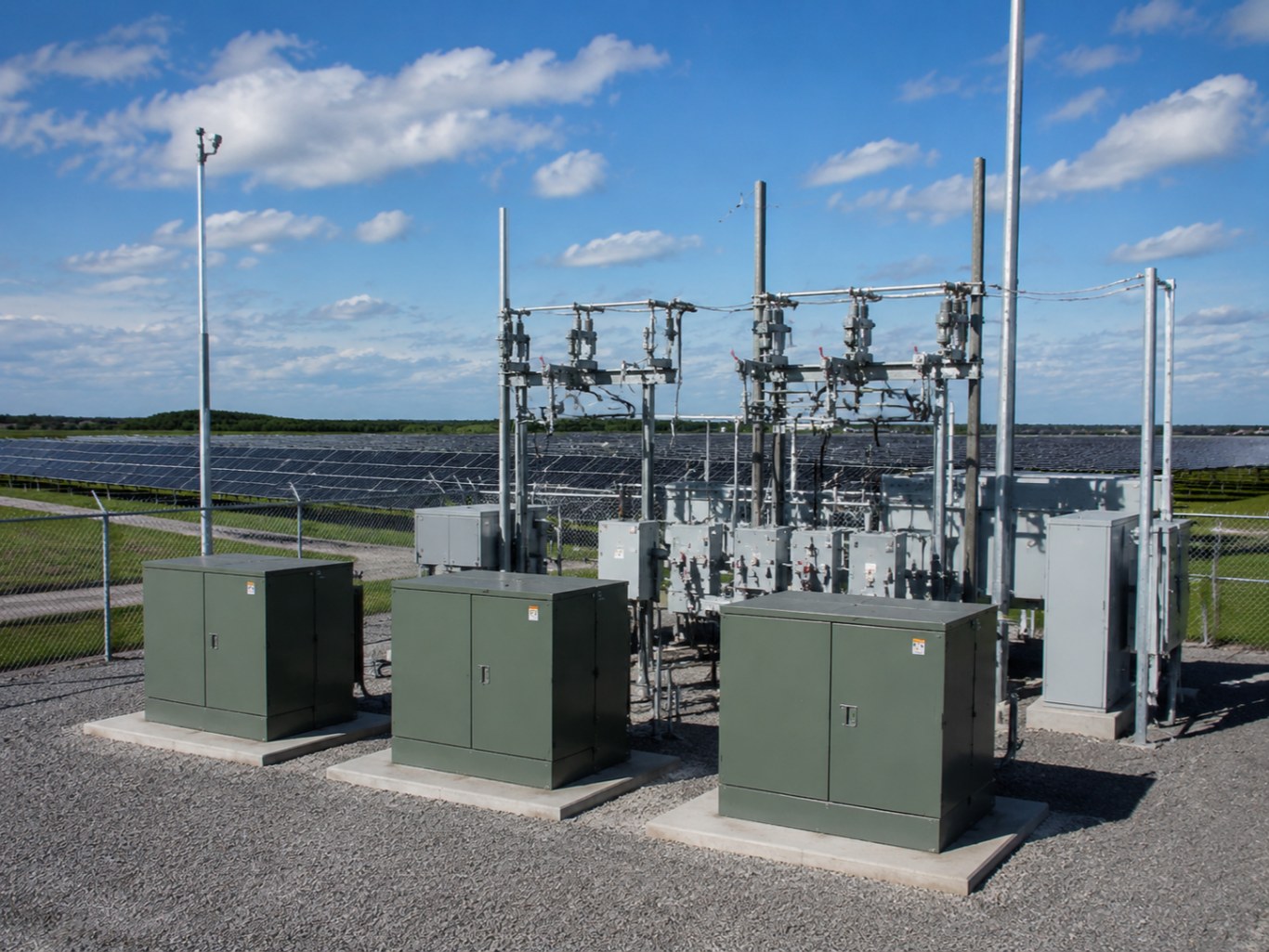
Pad-mounted transformers are commonly used in underground or outdoor distribution systems. These units feature a fully enclosed structure, ground-level installation, and high protection ratings, making them suitable for unattended operation environments.
In practical engineering applications, pad-mounted transformers are widely used in:
- Urban distribution networks
- Commercial complexes
- Industrial park substations
- Step-up or distribution stages in renewable energy projects
From our project experience, pad-mounted transformers help optimize land use efficiency and improve standardization in power distribution systems.
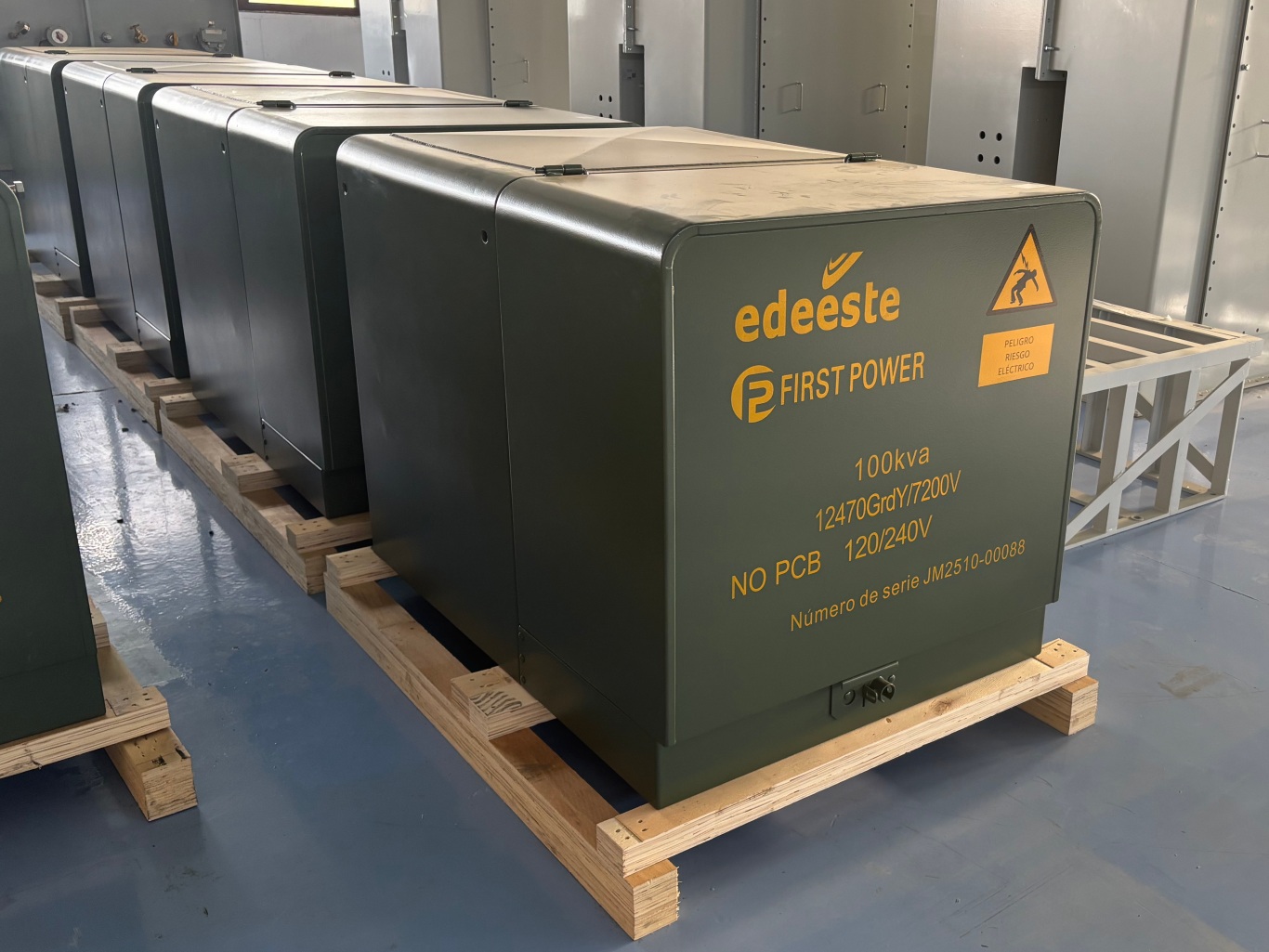
What Is a Single-Phase Pad-Mounted Transformer?
A single-phase pad-mounted transformer is typically used for relatively light loads or distributed power supply networks.
Typical Application Scenarios
- Areas with a high proportion of single-phase loads
- Residential or small commercial power supply
- Rural or low-density distribution networks
Advantages
- Simple system structure
- Lower initial investment cost
- More straightforward maintenance requirements
Limitations
- Limited capacity scalability
- Not suitable for high-density industrial loads
- Requires system redesign when load demand increases
In our view, single-phase pad-mounted transformers are better suited to regional distribution systems than to industrial-grade primary power supply systems.
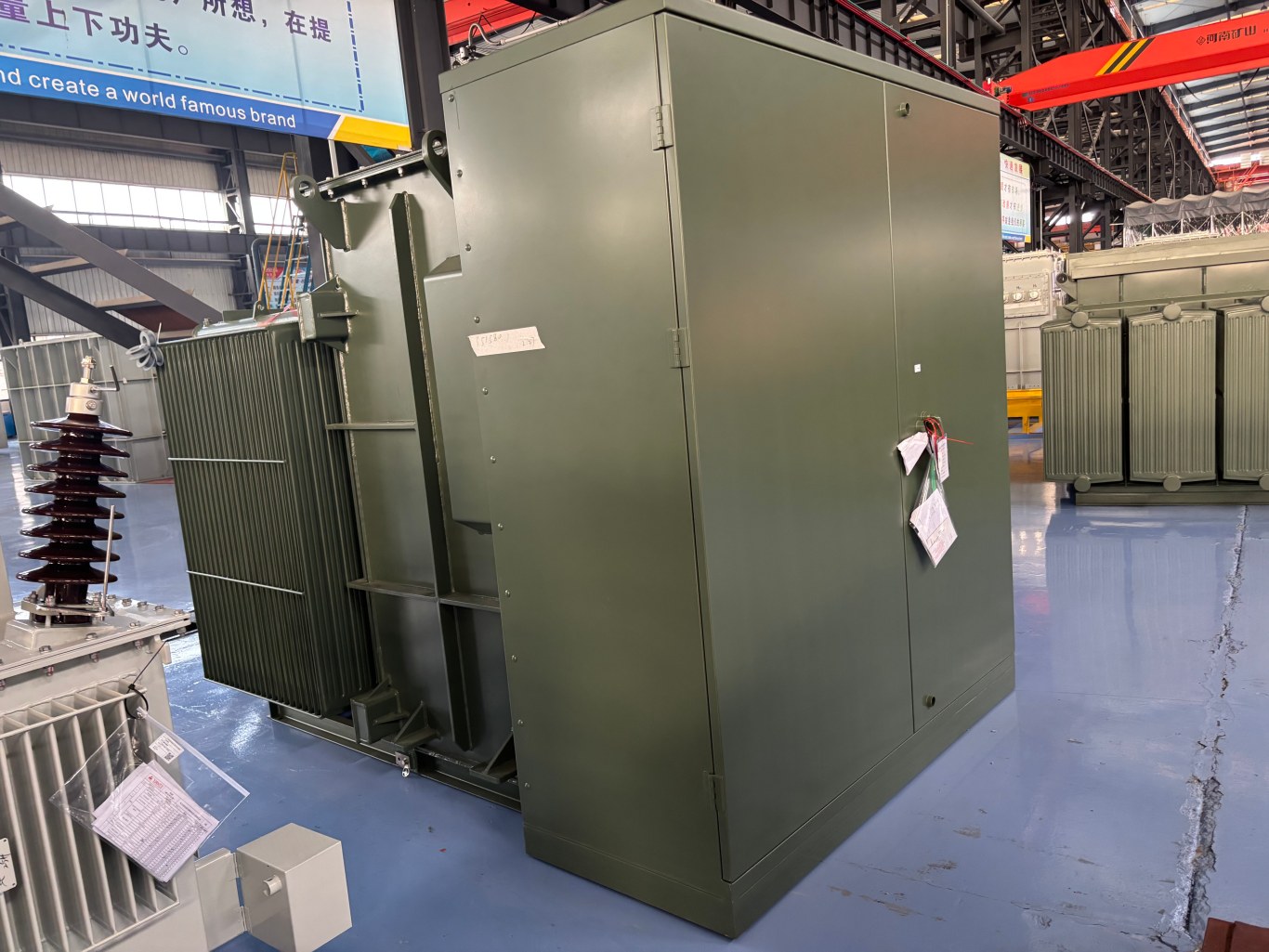
What Is a Three-Phase Pad-Mounted Transformer?
A three-phase pad-mounted transformer is currently the mainstream configuration in industrial and utility power systems.
Typical Application Scenarios
- Industrial manufacturing plants
- Data center power supply systems
- Urban primary distribution networks
- Renewable energy grid integration systems
Advantages
- Higher power transmission capacity
- Better load balancing performance
- More suitable for long-distance and high-density distribution
In many EPC projects, three-phase pad-mounted transformers are often the default choice because they significantly reduce long-term costs associated with system expansion and redesign.
Single-Phase vs Three-Phase Pad-Mounted Transformers: Key Technical Differences
From an engineering decision-making perspective, the core differences between single-phase vs pad-mounted transformers mainly lie in the following dimensions.
1. Core Technical Comparison Table
| Comparison Dimension | Single-Phase | Three-Phase |
|---|---|---|
| Power & Load Capacity | Suitable for low-load, distributed applications | Suitable for industrial-grade continuous and concentrated loads |
| Engineering Interpretation | Used for basic distribution | Used for main power distribution |
| System Efficiency & Power Quality | More noticeable fluctuations under load variation | Better current balance, lower losses, more stable voltage |
| Power Quality Performance | More sensitive to load changes | Higher stability, suitable for continuous operation |
| Distribution System Compatibility | Mainly used in end-user or secondary networks | More aligned with IEC-based industrial distribution and EPC system design |
| International Project Applicability | Common in downstream load-side applications | Widely used in industrial and utility projects in North America, Southeast Asia, and the Middle East |
| Installation & System Expansion | Simple deployment, but limited scalability | More complex initial design, but strong scalability |
| Lifecycle Consideration | May require system redesign during expansion | Better suited for long-term planning and load growth |
| Cost Structure Characteristics | Lower initial cost | Higher upfront investment, but more optimized long-term cost |
2. Engineering Logic Summary from a Decision-Making Perspective
Single-phase pad-mounted transformers are suitable for stable, small-scale applications with limited expansion requirements.
Three-phase pad-mounted transformers are designed for industrial-grade loads, long-term expansion planning, and primary grid distribution structures.
Single-Phase vs Three-Phase Pad-Mounted Transformer Specifications
Wondon Single-Phase Pad-Mounted Transformer Specifications
| Rated Capacity(kVA) | Rated Voltage and Tapping Range | Efficiency | ||
| HV | LV | DOE(2016) | CSA(2023) | |
| 15 | 34.5kV/19.92kV 13.8kV/7.9kV 13.2kV/7.6kV 12.47kV/7.2kV or others |
120-240V 240-480V 347V 600V or others |
98.82 | 99.73 |
| 25 | 98.95 | 98.87 | ||
| 37.5 | 99.05 | 98.97 | ||
| 50 | 99.11 | 99.04 | ||
| 75 | 99.19 | 99.13 | ||
| 100 | 99.25 | 99.19 | ||
| 167 | 99.33 | 99.28 | ||
Wondon Three-Phase Pad-Mounted Transformer Specifications
| Rated Capacity(kVA) | Rated Voltage and Tapping Range | Efficiency | ||
| HV | LV | DOE(2016) | CSA(2023) | |
| 75 | 35kV 25kV 15kV |
240V 480V 480YV 277V 600YV 347V |
99.03 | 98.95 |
| 112.5 | 99.11 | 99.04 | ||
| 150 | 9916 | 99.09 | ||
| 225 | 99.23 | 99.17 | ||
| 300 | 99.27 | 99.21 | ||
| 500 | 99.35 | 99.3 | ||
| 750 | 99.4 | 99.35 | ||
| 1000 | 99.43 | 99.38 | ||
| 1500 | 99.48 | 99.44 | ||
| 2000 | 99.51 | 99.47 | ||
| 2500 | 99.53 | 99.49 | ||
How to Choose Between Single-Phase and Three-Phase Pad-Mounted Transformers
The selection between these two types of pad mounted transformers should be based on actual project requirements.
1.Load Scale and Growth Expectations
If the system load is unstable but may expand in the future, three-phase pad mounted transformers are generally preferred.
If the load is stable and the system scale is small, a single-phase pad mounted transformer is also a reasonable choice.
2.Project Type Defines the Basic Direction
- Residential and small commercial projects → typically use single-phase pad mounted transformers
- Industrial projects → default to three-phase pad mounted transformers
- Data centers and renewable energy projects → generally rely on three-phase pad mounted transformers
3.Cost vs Lifecycle Consideration
In procurement decisions, initial cost is often a key concern. However, in real project implementation:
- Single-phase transformers: lower upfront investment, but higher potential cost when system expansion is required
- Three-phase transformers: higher initial investment, but more stable system efficiency and lifecycle performance
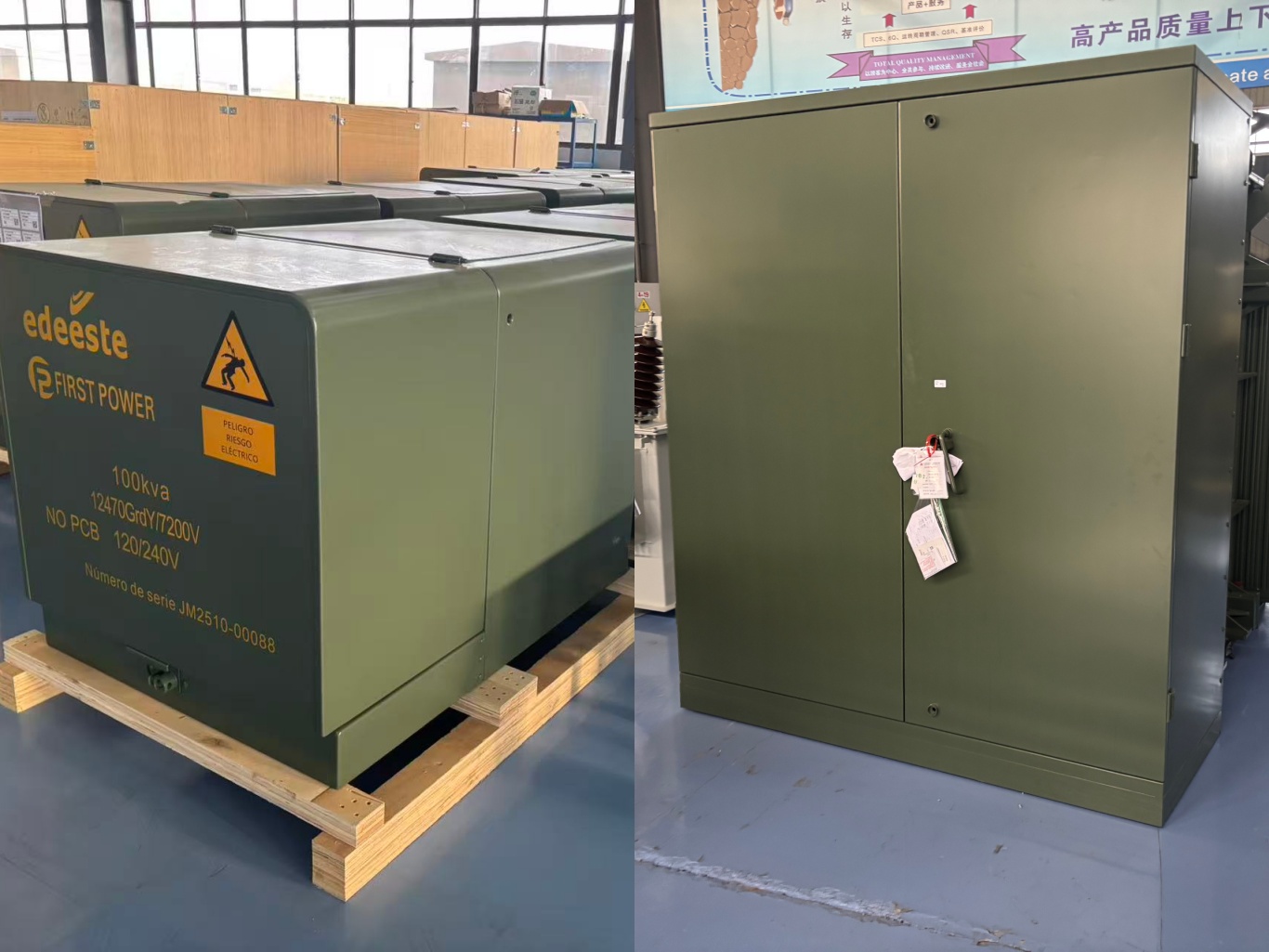
Typical Application Scenarios in Global Projects
From global project practice, the distribution pattern between single-phase vs pad-mounted transformers is relatively clear:
Urban Distribution Systems
Focused on stable power supply and space optimization, where three-phase pad-mounted transformers dominate.
Industrial Manufacturing Projects
With concentrated high-load equipment, these projects almost exclusively use three-phase pad-mounted transformers.
Renewable Energy Projects
In photovoltaic and wind power grid integration systems, three-phase pad-mounted transformers are the standard configuration for grid connection.
Low-Density Power Supply Areas
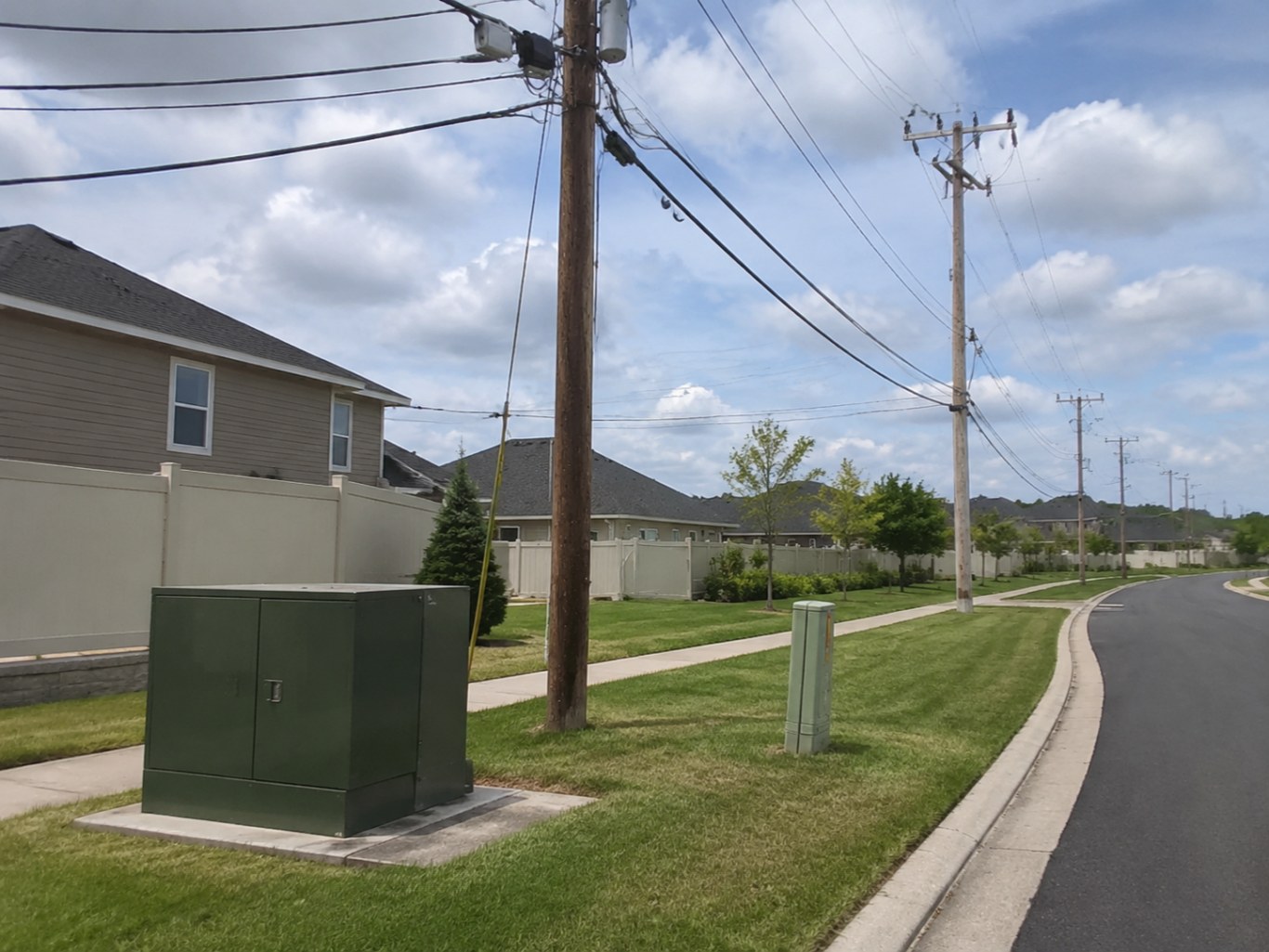
In rural or decentralized residential areas, single-phase pad-mounted transformers still maintain a cost advantage.
FAQs
1. What is the difference between single-phase and three-phase pad mounted transformers?
Single-phase pad mounted transformers serve small and stable loads such as residential and light commercial systems. Three-phase pad mounted transformers handle higher power capacity, industrial loads, and utility-scale distribution systems.
2. When should I choose a single-phase pad-mounted transformer?
You should choose a single-phase pad-mounted transformer when your project has small, stable loads. These cases include residential areas, rural networks, and small commercial projects without major expansion plans.
3. Why do industrial projects use three-phase pad mounted transformers more often?
Industrial projects use three-phase pad mounted transformers because they support higher power capacity, balance loads more effectively, and handle heavy industrial equipment. They also support long-term system expansion and grid integration.
4. Which option costs less in the long run: single-phase or three-phase pad mounted transformers?
Single-phase transformers cost less at the beginning, but system upgrades may increase total expenses later. Three-phase transformers require higher initial investment but improve efficiency and reduce lifecycle costs in most industrial applications.
5. Do pad mounted transformers work in renewable energy projects?
Yes. Renewable energy systems such as solar and wind projects use three-phase pad mounted transformers for grid connection. These systems need higher capacity, stable performance, and compatibility with medium- and high-voltage distribution networks.
Conclusion
In practical distribution projects, there is no absolute superiority between single-phase and three-phase pad-mounted transformers. The core difference lies in the matching between power supply structure and load structure, rather than the capability level of the equipment itself.
If you are currently working on project selection or system design, you can further discuss based on your specific load conditions, application scenarios, and grid structure. Wondon can provide tailored pad-mounted transformer solutions and technical support for different levels of distribution systems, helping you complete selection and project implementation more efficiently.