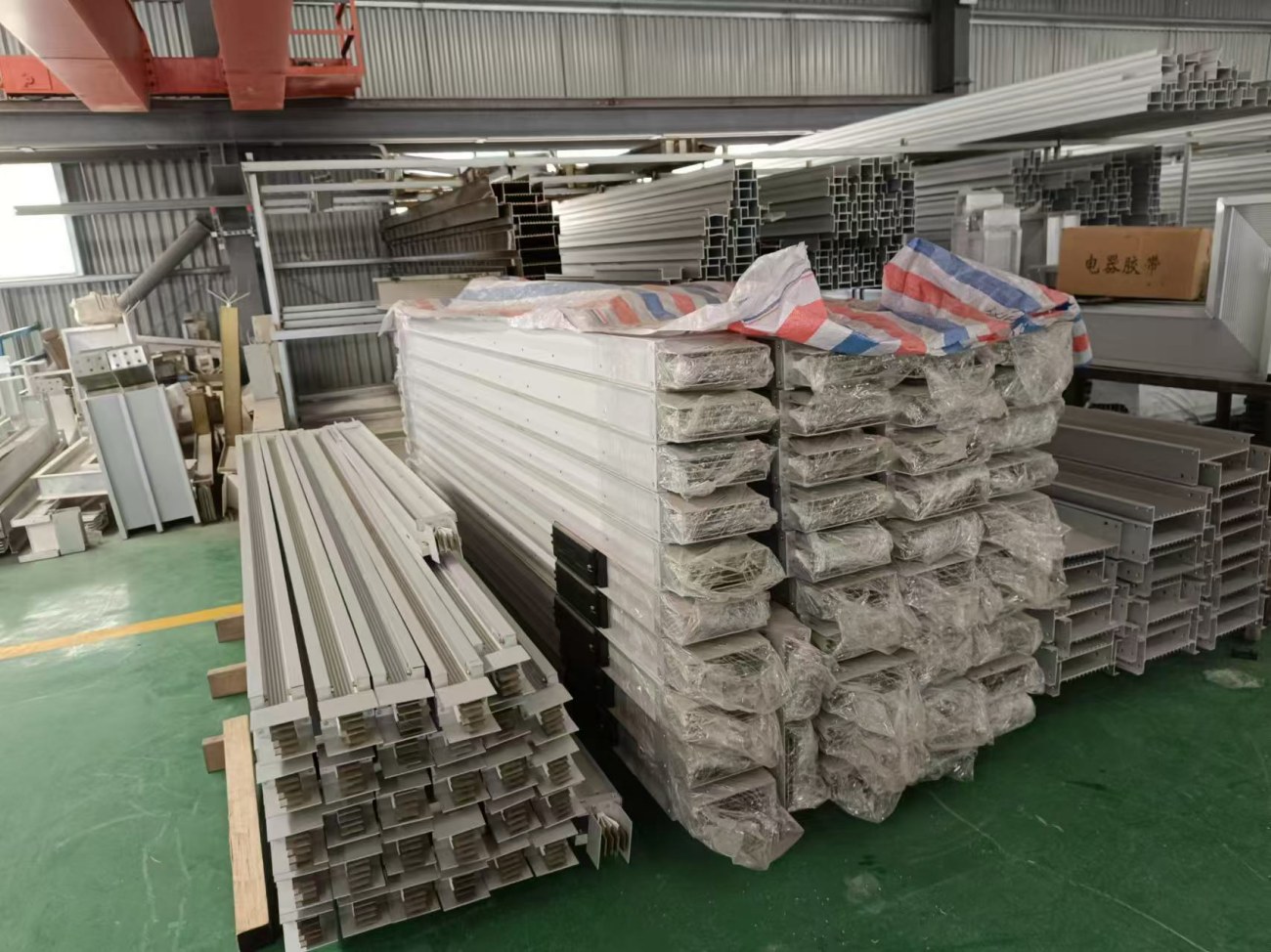

The operation of a low-voltage busbar trunking is quite simple—much like the electrical conduits in a home, it delivers power step-by-step to exactly where it is needed. Specifically, the process consists of five distinct steps:
1. Power Input
First, there must be a power source—either a transformer converting medium- voltage electricity into low-voltage power, or a low-voltage supply originating from a distribution cabinet. Through a dedicated interface, this power is fed into the busbar system. This initial step effectively energizes the busway, akin to activating the flow within an electrical conduit.
2. Current Transmission
Once electricity enters the busbar, it travels steadily along internal copper or aluminum busbars. These busbars serve as the primary electrical pathways, enabling the efficient and smooth delivery of power to various required locations without any risk of leakage or power interruption.
3. Safety Isolation
The busbar itself features a dual-layer protection system, ensuring exceptional safety. Internally, insulating materials separate the conductive copper or aluminum busbars from the outer casing, thereby preventing short circuits and electrical leakage. Externally, the metal enclosure acts as a physical barrier against external debris and mechanical impact, preventing such factors from interfering with power transmission while also safeguarding personnel against electric shock.
4. Branch Power Extraction
If power is required at a specific location, there is no need to lay new wiring; one simply needs to install a tap-off unit at the corresponding spot and plug it directly into the busbar trunking system to draw power instantly. Much like a standard household wall outlet—where you simply plug in a device whenever you need electricity—this method offers exceptional convenience.
5. End-Point Power Supply
The final step involves delivering power to the ultimate end-use equipment. Using the branch extraction process, we distribute electrical energy throughout the facility, meeting each device’s power needs and keeping all equipment running smoothly and reliably.