

Among the many types of transformers, oil-immersed and dry-type transformers are the two most widely recognized. In industrial, commercial, and other power-related projects, deciding between an oil-immersed or a dry-type transformer is often one of the most challenging issues for project managers.
Understanding the differences between these two types of transformers is essential for making the right investment decision. In the following sections, we will provide a detailed analysis of their characteristics and advantages to help you choose the most suitable transformer type for your project.
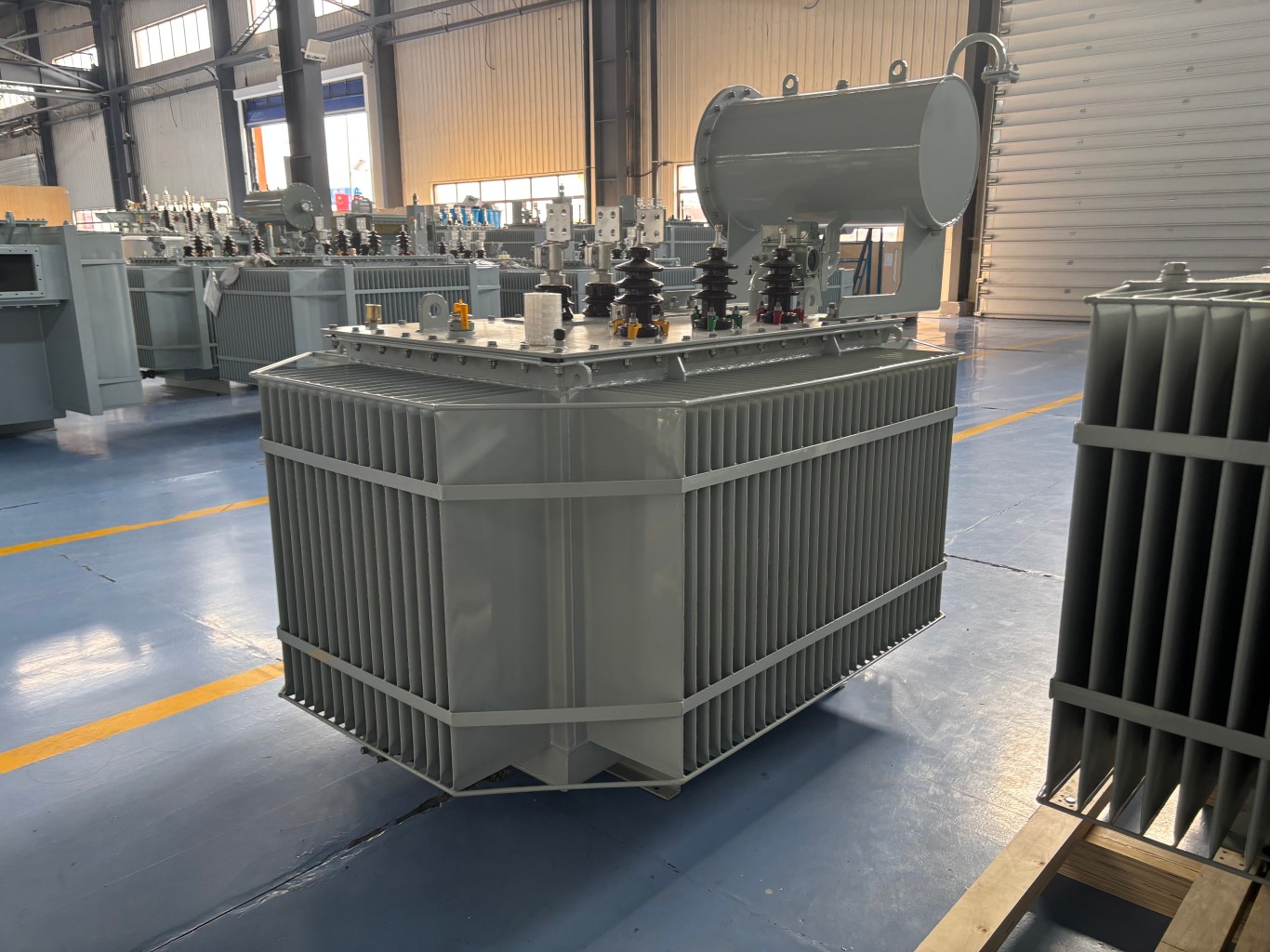
What Is an Oil-Immersed Transformer
An oil-immersed transformer uses insulating oil as both the cooling and insulating medium. Its core and windings are typically submerged in the oil, enabling efficient heat dissipation. Thanks to its excellent cooling performance and high load capacity, this type of transformer is widely used in power plants, substations, and other outdoor or high-power applications.
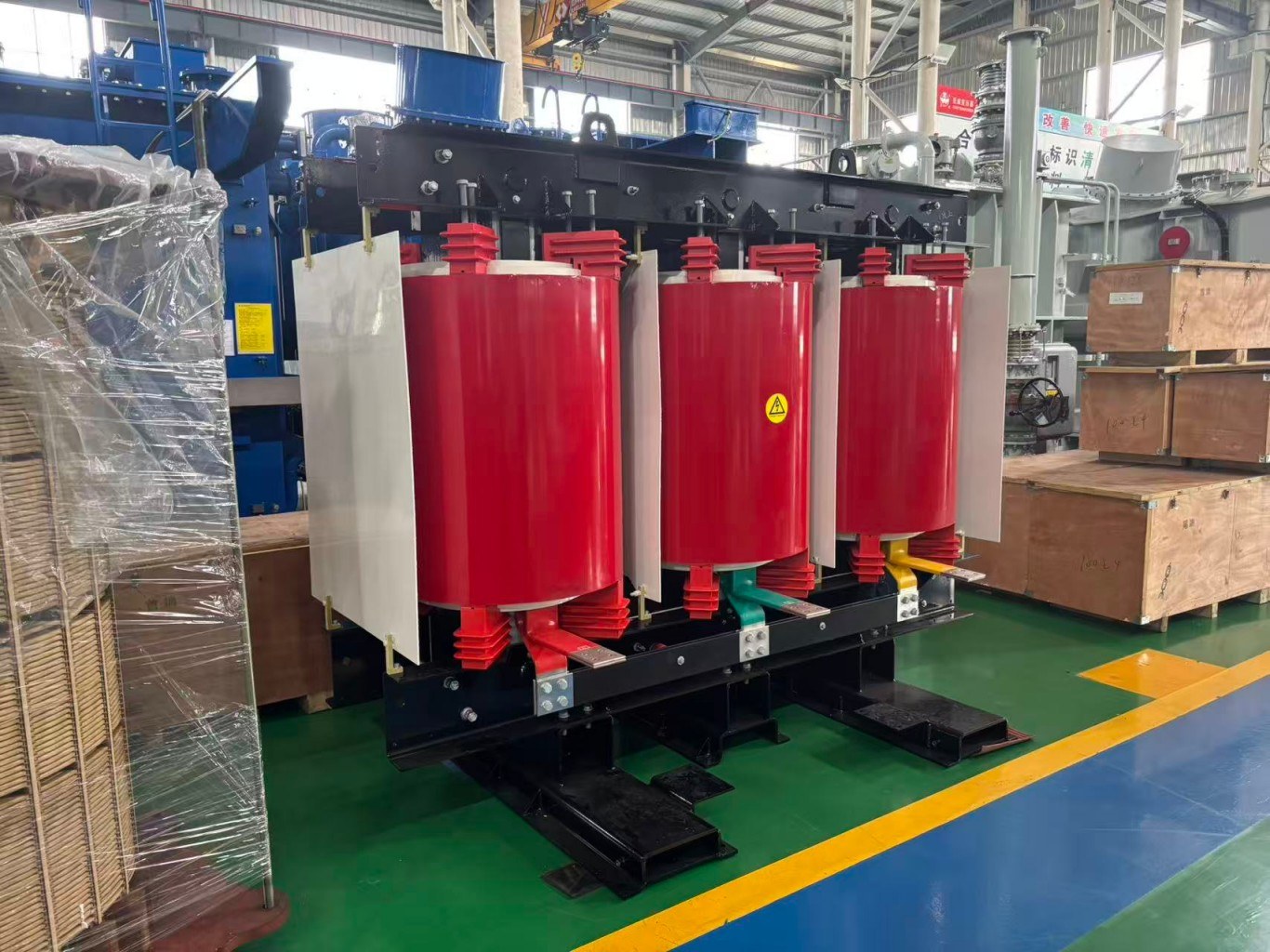
What Is a Dry-Type Transformer
A dry-type transformer uses air or solid insulating materials for cooling and insulation, making it safer and more environmentally friendly than oil-immersed transformers. Since it does not use liquid media such as insulating oil, there is no risk of oil leakage, and the fire hazard is lower. It is therefore more suitable for indoor installations where safety is a priority, such as commercial buildings, hospitals, and data centers.
Key Differences Between Oil-Immersed and Dry-Type Transformers
| Comparison Item | Oil-Immersed Transformer | Dry-Type Transformer |
|---|---|---|
| Cooling Method | Uses insulating oil for heat dissipation, offering higher cooling efficiency | Cooled by air or solid insulation; relatively weaker heat dissipation under high loads |
| Safety | Risk of oil leakage and potential fire hazards; requires regular and proper maintenance | Flame-retardant; suitable for environments with high safety requirements |
| Installation Environment | Suitable for outdoor installation | More suitable for indoor use |
| Maintenance Requirements | Requires regular oil testing, filtration, and maintenance | Lower maintenance needs; only periodic cleaning required |
| Load Capacity | Higher capacity and better overload capability | Typically used in medium- to low-capacity applications |
| Cost | Lower initial purchase cost but higher maintenance costs | Higher initial cost but lower long-term maintenance costs |
Which Type of Transformer Should I Choose?
The selection of a transformer should be based on the specific requirements of your project.
You may consider choosing an oil-immersed transformer in the following situations:
- Outdoor installation
- High capacity and high efficiency are required
- Sensitive to initial investment cost
- Proper conditions for safe oil management are available
You may consider choosing a dry-type transformer in the following situations:
- Indoor installation
- High fire safety requirements
- Desire to reduce maintenance workload
- Strict environmental regulations
Which Transformer Is Better?
There is no absolute “better” choice between oil-immersed and dry-type transformers. The key is whether the transformer fits your project requirements and effectively meets your application needs. For high-capacity demands and outdoor applications, oil-immersed transformers remain the mainstream choice. In contrast, dry-type transformers offer greater advantages in indoor environments where safety and environmental standards are more stringent.
During the equipment selection process, comprehensively evaluating factors such as application scenarios, installation environment, safety requirements, and budget will help you make a more cost-effective and reliable decision.
FAQs
1. What is the difference between oil-immersed and dry-type transformers?
Oil-immersed transformers use insulating oil for cooling and insulation, offering higher load capacity and outdoor suitability. Dry-type transformers use air or solid insulation, are safer for indoor use, and require less maintenance. Wondon provides both types to fit project-specific requirements.
2. Which transformer is safer for indoor installation?
Dry-type transformers are flame-retardant, have no oil leakage risk, and are ideal for indoor environments like commercial buildings, hospitals, and data centers. Wondon’s dry-type transformers meet strict safety standards.
3. How do maintenance requirements differ between oil-immersed and dry-type transformers?
Oil-immersed transformers require regular oil testing, filtration, and maintenance. Dry-type transformers need only periodic cleaning, reducing long-term maintenance costs.
4. Which transformer is better for high-capacity and outdoor applications?
Oil-immersed transformers support higher load capacity and better overload handling, making them suitable for outdoor installations and power plants.
5. How should I choose between oil-immersed and dry-type transformers?
The choice depends on installation environment, load capacity, safety requirements, environmental regulations, and budget.
Need Expert Support?
Wondon has been dedicated to the research, development, and manufacturing of high-quality power transformers for many years. Our products are widely used in industrial, commercial, and power system applications, providing customized transformer solutions for a wide range of projects.
If you are still unsure which type of transformer is best suited for your project, feel free to contact us for tailored solutions and professional technical support.