

If you are planning a new substation or extending an existing one, one of the first decisions is whether the switchgear should sit indoors or outdoors. The term indoor and outdoor switchgear covers the same core equipment — circuit breakers, busbars, protection relays — placed in two very different environments. That single choice drives the enclosure design, the ingress protection rating, the civil works, and how you will maintain the equipment for the next two decades.
At Wondon we build both families, from medium voltage switchgear for utility and industrial networks to the low voltage switchgear inside a building’s own distribution room. This guide breaks down what separates indoor from outdoor switchgear, where each one fits, the real product options we offer, and a simple five-factor framework you can use to decide.
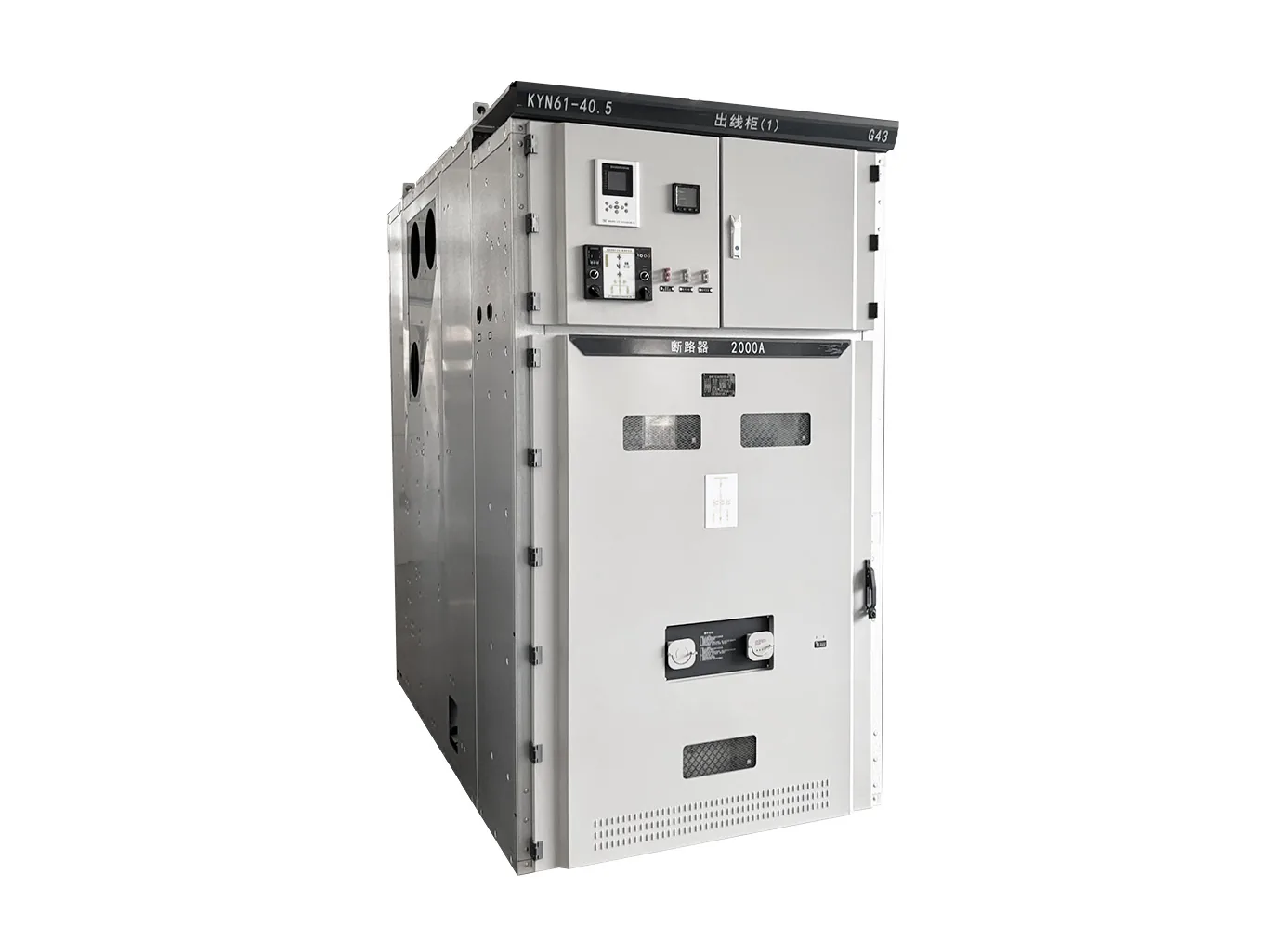
Before the ratings, the simplest way to picture indoor and outdoor switchgear is to focus on the shell, not the switch.
What Exactly Is the Difference Between Indoor and Outdoor Switchgear?
At the electrical level, indoor and outdoor switchgear do the same job: receive power, protect feeders, and route it safely. The difference is the shell around that hardware and the stresses it must survive.
Indoor switchgear lives in a dedicated electrical room. The building keeps out rain, dust, and UV, so the enclosure can stay relatively light. Outdoor switchgear carries its own weatherproof house — a sealed, corrosion-resistant cabinet built to take rain, sun, wind, and temperature swings on its own.
That difference ripples through everything else:
- Enclosure strength— outdoor units need heavier, gasketed, coated enclosures; indoor units can rely on the room.
- Ingress protection (IP)— indoor gear often starts around IP2X–IP4X; outdoor gear typically targets IP44 and up, sometimes IP65 or higher for exposed sites.
- Thermal management— indoor rooms need ventilation or air conditioning; outdoor cabinets add space heaters and thermostats to fight condensation.
- Footprint cost— indoor gear saves yard space but needs a building; outdoor gear saves the building but uses land.
Indoor Switchgear — Where It Works Best
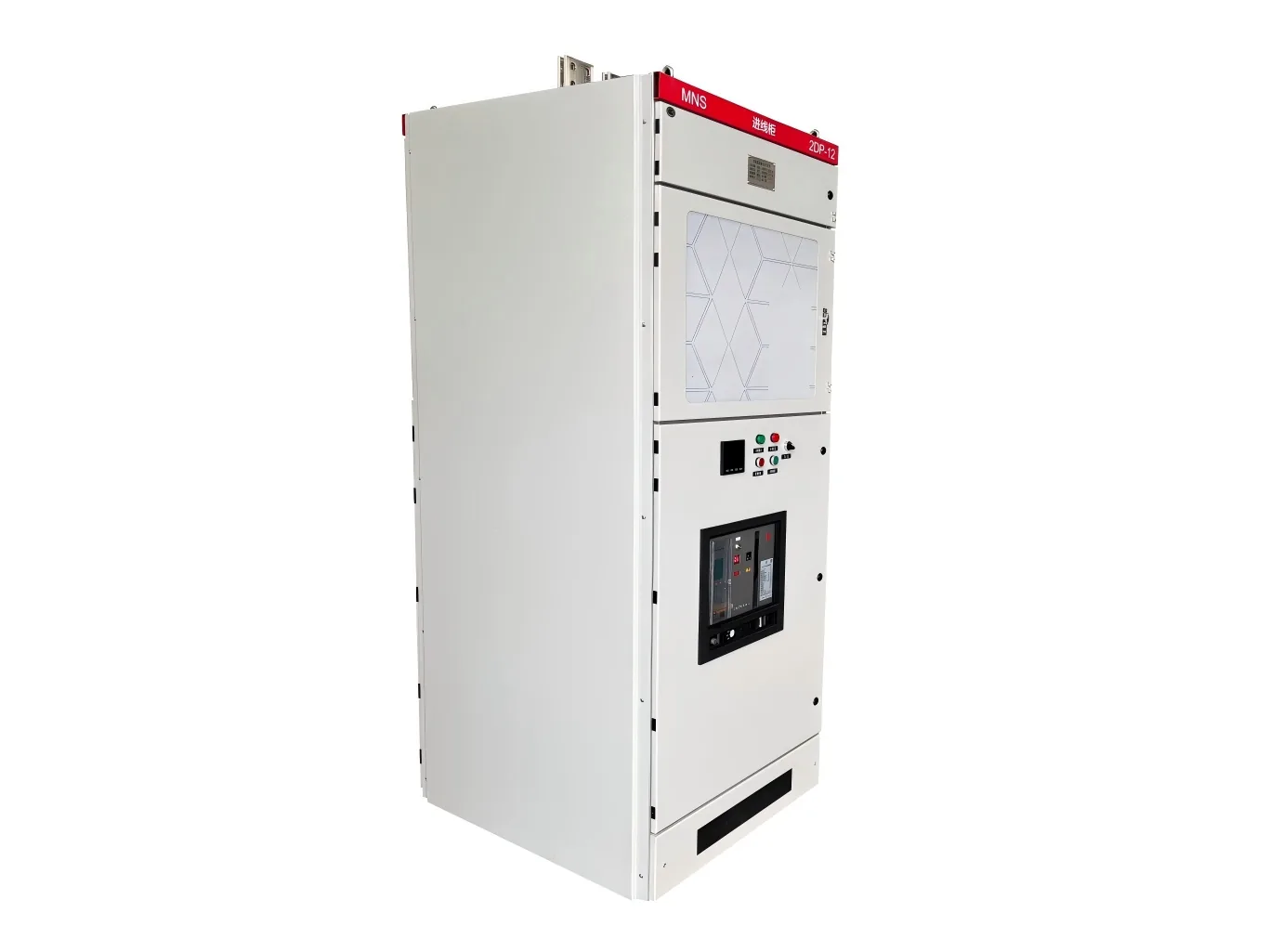
Indoor switchgear is the default for sites that already have (or can build) a controlled electrical room: factories, commercial buildings, hospitals, data centers, and utility indoor substations. Indoor and outdoor switchgear part ways the moment you decide where the gear will actually live.
Typical indoor applications
You will usually specify indoor switchgear when the equipment sits close to the loads it serves — inside a plant, a basement electrical room, or a building switch room. The controlled environment means fewer environmental enemies attacking the enclosure, which tends to lower inspection frequency.
Indoor product examples from our lineup
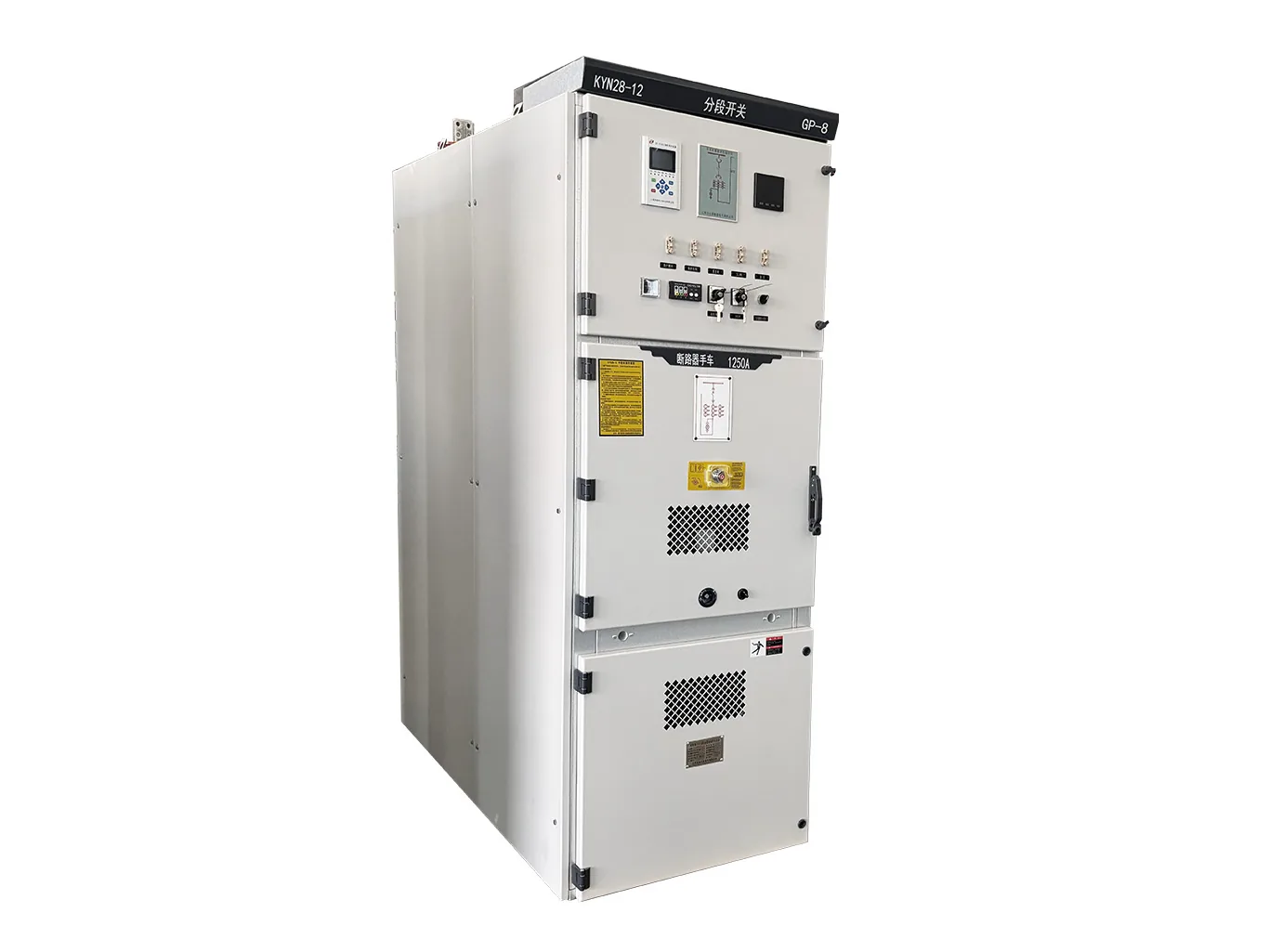
We build several indoor-rated lines. The KYN28-12 is an indoor metal clad switchgear for main incoming and feeder duties; the HXGN-12 is a compact indoor type switchgear for distribution loops; and the WDSRM6-12 seals everything in gas insulation. Three of the most common:
| Model | Type | Rated voltage | Rated current | Short-circuit (kA) | Enclosure protection |
|---|---|---|---|---|---|
| KYN28-12 | Metal-clad, withdrawable | 12 kV | 1250 A | 31.5 | IP4X |
| HXGN-12 | Metal-enclosed RMU (air) | 12 kV | 630 A | 20 | IP4X |
| WDSRM6-12 | Gas-insulated, fully sealed | 12 kV | 630 A | 20 | IPX7 / IP67 |
The KYN28-12 is a metal-clad withdrawable panel suited to main incoming and feeder duties in plants and buildings. The HXGN-12 is a compact ring main unit for distribution loops. The WDSRM6-12 seals everything in gas insulation at IPX7/IP67, which makes it a strong candidate for damp or space-tight indoor rooms.
What an indoor installation needs
Indoor does not mean “fit and forget.” The room itself carries responsibilities:
- Adequate working clearance for racking breakers and cable termination.
- Ventilation or cooling so the room stays within the equipment’s temperature limits.
- Clean, dry conditions — control water intrusion from roofs, pipes, and drains.
- Grounding, fire coordination, and lighting for safe access.
Get the room right and indoor switchgear rewards you with easy year-round maintenance.
Outdoor Switchgear — Built for the Elements
The line between indoor and outdoor switchgear is drawn by the environment, not by the breakers inside. Outdoor switchgear is engineered to live outside with no building around it, which makes it the natural choice for utility substations, renewable plants, remote industrial sites, and any location where building an electrical room is impractical or too costly.
Typical outdoor applications
Outdoor gear shows up at utility transmission yards, solar and wind farms, oil and gas sites, mining operations, and urban cable networks where space is at a premium. When the load is far from any building, putting the switchgear outside — close to the transformer or the feeder — simply makes sense.
Outdoor product examples from our lineup
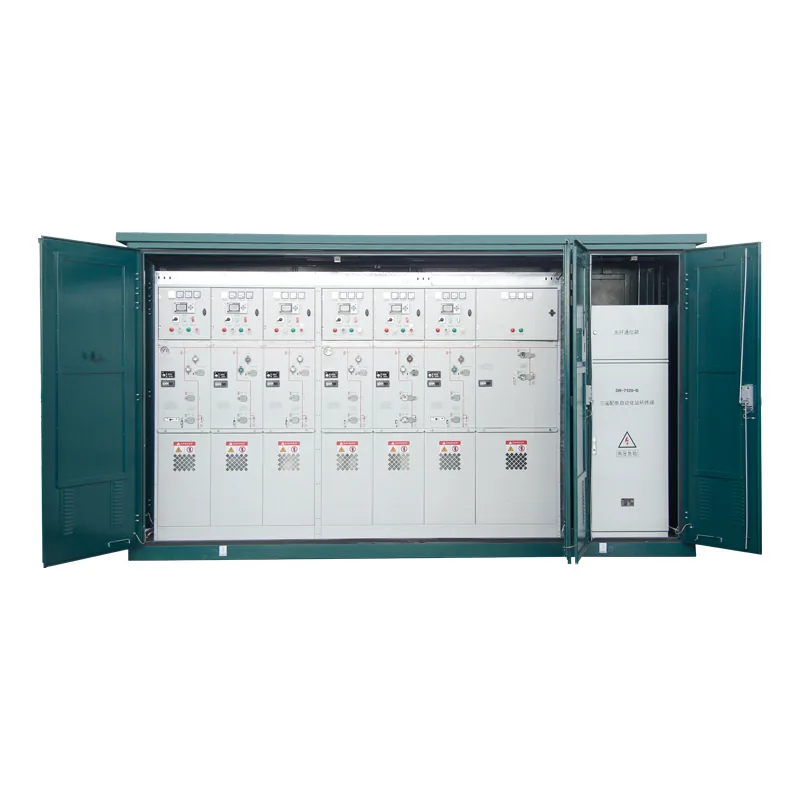
A clear example for outdoor MV switchgear is our DFW-12 outdoor high-voltage cable branch cabinet (also called a cable distribution cabinet or switching station). Its published ratings:
| Parameter | DFW-12 rating |
|---|---|
| Rated voltage | 12 kV |
| Rated current | 630 A |
| Short-time withstand current | 25 kA (4 s) |
| Peak withstand current | 63 kA (0.3 s) |
| Enclosure protection | IP44 |
| Ambient temperature | −40 °C to +45 °C (with SF6 load switch: −15 °C to +45 °C) |
| Relative humidity | 95% daily average, 90% monthly average |
| Altitude | ≤ 2000 m |
| Wind speed | 35 m/s |
| Seismic intensity | 8 degrees |
The DFW-12 is fully insulated and sealed, compact, and built to drop into almost any site — urban network upgrades, residential and high-rise blocks, and exposed locations such as airports, docks, oilfields, ports, and development zones.
Beyond the cable branch cabinet, prefabricated substations package the high-voltage switchgear, a distribution transformer, and the low-voltage switchboard into one outdoor weatherproof enclosure. That “box substation” approach collapses a whole substation into a single package you can set on a pad.
What an outdoor installation needs
Outdoor units carry extra duties the room would otherwise handle:
- A sealed, gasketed, corrosion-resistant enclosure (coastal and industrial sites need extra protection).
- Space heaters and thermostats to stop internal condensation.
- Proper pad elevation, anchoring, and drainage so standing water stays away.
- Conduit sealing and pest prevention.
- Wider external clearances and safe access during bad weather.
Skip these and the environment will find the weak point.
Indoor vs Outdoor Switchgear: Side-by-Side Comparison
| Factor | Indoor switchgear | Outdoor switchgear |
|---|---|---|
| Environment | Protected electrical room | Exposed to weather |
| Typical IP rating | IP2X – IP4X | IP44 and up (often IP54/IP65) |
| Building cost | Higher (needs a room) | Lower (no building) |
| Land / yard use | Compact, saves yard | Uses open land |
| Temperature range | Controlled, narrower | Wide, must self-manage |
| Maintenance access | Easy, all-weather | Harder in bad weather |
| Typical voltages | LV up to ~36 kV common | MV and HV, larger clearances |
| Expansion | Limited by room size | Easier to add units on site |
Neither is “better” in the abstract. The right answer depends on the site, the budget, and the lifecycle you are planning for.
How to Decide: A Simple Selection Framework
When a client asks me about indoor and outdoor switchgear, I walk through five factors rather than guessing. If you want the medium-voltage angle specifically, our guide to choosing the right medium voltage switchgear goes deeper.
Factor 1 — Site and available space
If you have a secure electrical room and tight yard space, indoor wins. If land is open and a building is expensive or impossible, outdoor wins.
Factor 2 — Climate and environment
Coastal salt fog, industrial pollution, dust, and heavy rain all push toward a rugged outdoor enclosure or, counter-intuitively, toward keeping gear indoors where you can control the environment. Harsh indoor sites (high humidity, washdown) may call for sealed units like the gas-insulated WDSRM6-12.
Factor 3 — Budget and lifecycle cost
Indoor gear avoids a heavy enclosure but adds building, ventilation, and fire-protection cost. Outdoor gear drops the building but spends on enclosure materials and coatings. Compare total cost of ownership — installation, land, maintenance, and reliability — not just the sticker price.
Factor 4 — Maintenance access and downtime risk
Indoor equipment is easier to service in any weather. Outdoor equipment needs disciplined inspection because the environment attacks it continuously. If your crew is remote, plan the maintenance route before you buy.
Factor 5 — Future expansion
Rooms have walls; yards have horizon. If you expect to grow, outdoor or modular indoor lineups scale more easily than a room that is already full.
Standards and Compliance
Both indoor and outdoor switchgear rest on the same international foundations: the IEC 62271 series (for example IEC 62271-200 for metal-enclosed switchgear up to 52 kV) and the IEEE C37 family. Outdoor units then add environmental requirements — weatherproofing, corrosion resistance, longer creepage distances — on top of the electrical ratings. Local zoning, noise, and enclosure rules can also differ by region. You can read the overarching standards at the IEC standards portal.
Common Mistakes When Choosing Indoor or Outdoor Switchgear
These are the indoor and outdoor switchgear mistakes we see most often:
- Putting indoor-rated gear outside.It risks corrosion, insulation breakdown, and failure. Outdoor exposure demands purposely built enclosures.
- Chasing the lowest purchase price.The building or the heavy enclosure is a hidden cost on opposite sides of the equation.
- Ignoring the maintenance path.An outdoor unit in a remote, weather-exposed site needs a plan, not a hope.
- Forgetting expansion.A full room today can block the upgrade you need in five years.
- Treating ratings and environment separately.A panel with the right breaking capacity is still wrong if its enclosure cannot handle the site’s moisture or contamination.
Why Choose Wondon for Indoor and Outdoor Switchgear
We have built both indoor and outdoor switchgear for utilities, industrial plants, and renewable projects at Wondon’s 12,000 m² manufacturing facility in Zigong, China. Our indoor lines (KYN28-12, HXGN-12, WDSRM6-12) and our outdoor options (DFW-12 cable branch cabinet, prefabricated substations) come off the same drawing boards and the same test bench. When you send us your site conditions, we match the enclosure, the insulation, and the ratings together — not as separate guesses.
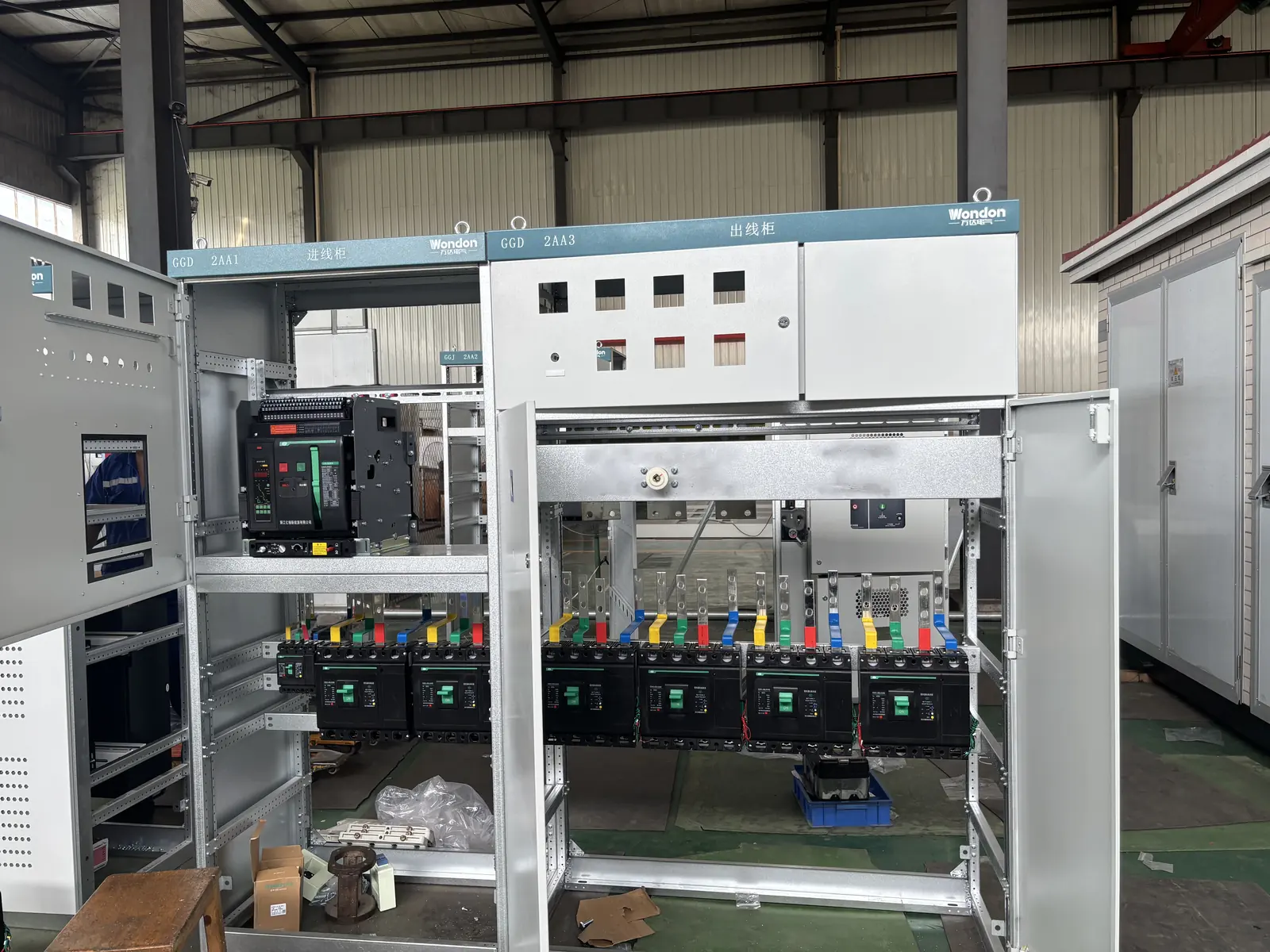
That integrated approach is what keeps a switchgear lineup reliable after the warranty ends. If you want a second opinion on indoor versus outdoor for your specific site, our engineering team is happy to review the conditions with you.
FAQ
1. Can outdoor switchgear be installed indoors?
Yes, in most cases — an outdoor-rated cabinet already meets indoor environmental needs. You may still need to confirm insulation, clearance, and fire separation for the indoor space. The reverse is the dangerous move: indoor-rated gear should not go outside unprotected.
2. Is indoor switchgear always longer-lived than outdoor?
Generally yes, because it avoids weather exposure (rain, UV, dust, temperature extremes). But a well-built outdoor unit with quality materials and disciplined maintenance can match a long service life. Environment and upkeep matter more than the label.
3. What IP rating do I need for outdoor switchgear?
It depends on exposure. A mild, sheltered yard may be fine with IP44; coastal, dusty, or washdown-exposed sites often need IP54 or IP65 and added corrosion protection. Match the rating to the actual site, not a generic number.
4. Which is cheaper, indoor or outdoor switchgear?
Neither is cheaper in every case. Indoor shifts cost into the building and ventilation; outdoor shifts it into the enclosure and coatings. Evaluate total lifecycle cost — land, installation, maintenance, and downtime — for your project.
5. Do indoor and outdoor switchgear follow different standards?
They share the core electrical standards (IEC 62271 series, IEEE C37 series) for ratings, insulation, and testing. Outdoor gear then adds environmental requirements — weatherproofing, corrosion resistance, longer creepage — and may face local zoning or enclosure rules.
Conclusion
Indoor and outdoor switchgear are not rivals; they are two ways to house the same protection and switching function. Indoor wins on easy maintenance and compact footprint inside a controlled room. Outdoor wins when there is no room to build and the gear must survive the weather on its own. Start from your site conditions, run the five-factor framework, and let the environment decide. The indoor vs outdoor switchgear question is rarely about the hardware — it is about where that hardware has to survive.
If you are scoping a new project and want help weighing indoor against outdoor, contact us and share your site conditions — we will help you match the enclosure, insulation, and ratings to where the gear will actually live.