

Do you know one of the most easily overlooked yet potentially serious problems in power distribution and transformation system operation and maintenance? It is switchgear moisture damage.
This problem becomes particularly common during the rainy season and in underground distribution rooms, coastal areas, and environments with significant temperature differences between day and night. Once condensation, moisture accumulation, or damp insulation surfaces develop inside a switchgear cabinet, they may lead to reduced insulation performance, partial discharge, short circuits, and tripping. In severe cases, switchgear moisture damage can even cause equipment burnout and power outages.
However, moisture protection for switchgear involves much more than simply placing a few desiccants inside the cabinet. Effective protection requires systematic work, including environmental control, cabinet sealing, heating and dehumidification, ventilation management, inspection, maintenance, and operating procedures.
So, let’s take a closer look at the causes and risks of switchgear moisture damage and explore how you can effectively protect your switchgear from moisture.
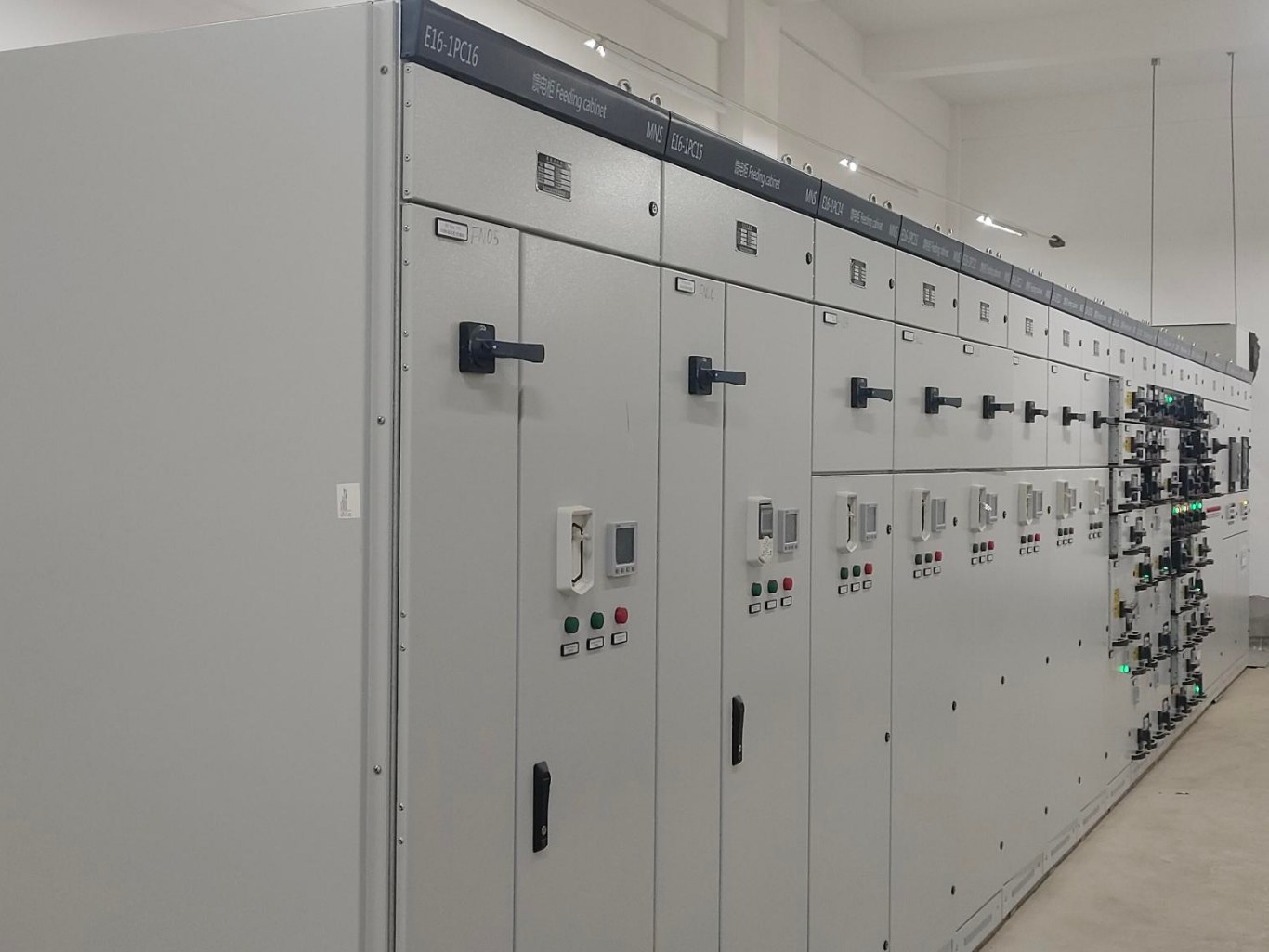
Why Is Switchgear Prone to Moisture Damage?
Switchgear moisture damage usually does not result from a single factor. Instead, multiple environmental and operational factors often work together.
1. High Humidity in the Distribution Room
Distribution rooms located in basements, semi-basements, or near pump rooms and other damp areas often experience high humidity levels. When switchgear operates in a humid environment for an extended period, its insulation performance can gradually decline.
2. Condensation Caused by Large Temperature Differences
When the temperature of equipment inside the switchgear cabinet falls below the dew point temperature of the surrounding air, water vapor can condense into droplets on the surfaces of insulators, busbars, terminals, and mechanical components. This condition commonly causes condensation inside the cabinet.
3. Poor Cabinet Sealing
Unsealed cable openings, aging door seals, and moisture entering through bottom cable entry points can all allow humid air to enter the cabinet. Over time, this can increase the risk of switchgear moisture damage.
4. Out-of-Service Equipment Is More Vulnerable to Moisture
Switchgear generates a certain amount of heat during operation, which can help reduce local humidity. However, switchgear that remains out of service for long periods usually has a lower internal temperature and poor air circulation, making condensation and mold growth more likely.
5. Improper Ventilation
Some distribution rooms rely on continuous ventilation to reduce heat. However, when the outdoor air has high humidity, excessive ventilation can introduce additional moisture into the room and increase moisture inside the switchgear.
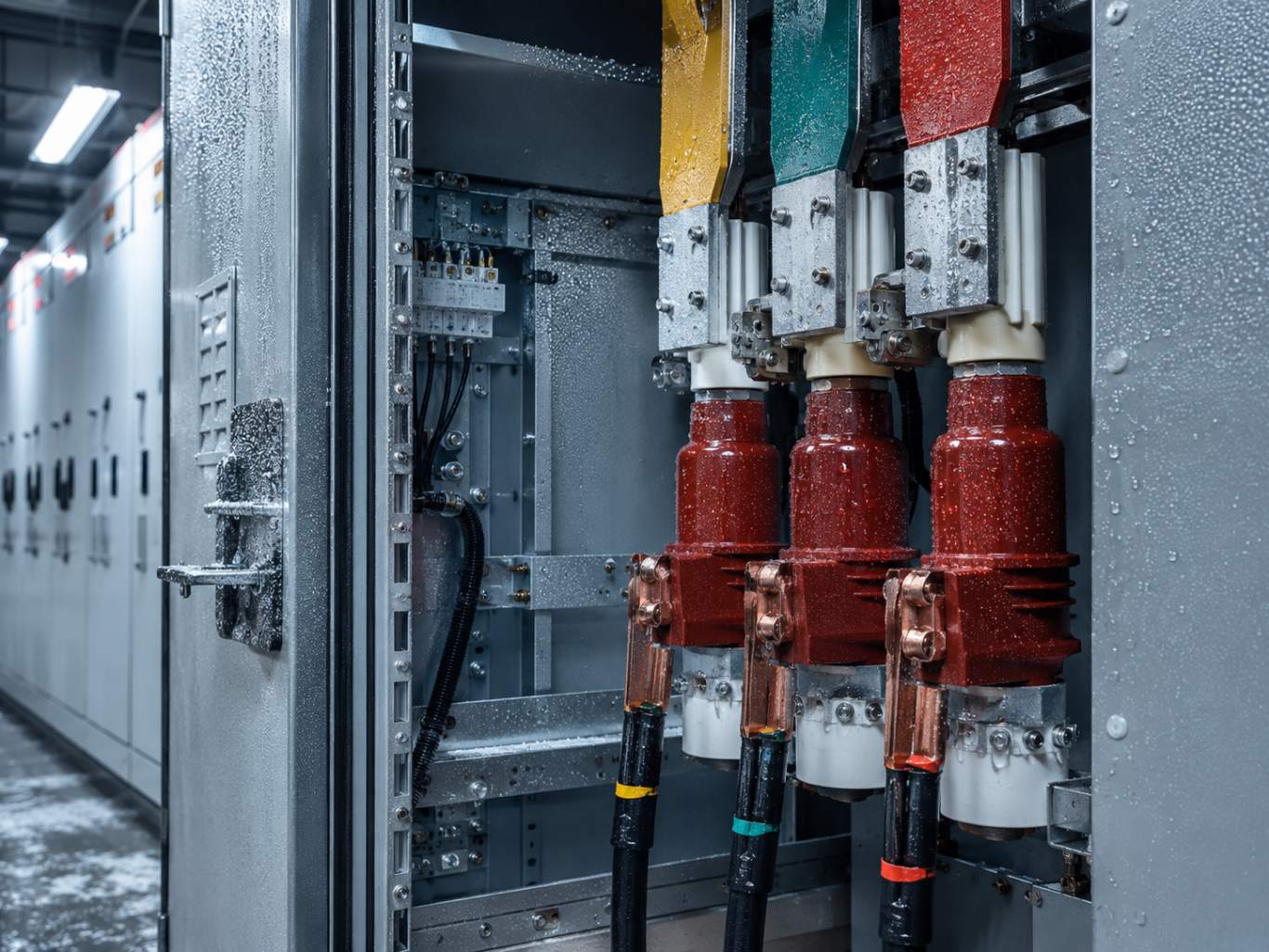
What Are the Risks of Switchgear Moisture Damage?
1. Reduced Insulation Performance
Moisture can affect insulators, bushings, busbar supports, cable terminations, secondary terminals, and other components inside switchgear. Once these surfaces become damp, their insulation resistance may decrease.
In addition, moisture can combine with dust and contaminants to form conductive paths, increasing the risk of leakage current and electrical discharge.
2. Increased Risk of Partial Discharge
A humid environment can cause surface tracking on insulation components. This issue becomes particularly important in medium-voltage and high-voltage switchgear. When moisture films or contaminants accumulate on insulation surfaces, partial discharge may occur.
Over time, continuous partial discharge can gradually damage insulation materials and eventually lead to insulation breakdown.
3. Corrosion of Metal Components
Bolts, springs, operating mechanisms, earthing switch mechanisms, terminal blocks, and metal cabinet components can corrode when they remain in a humid environment for extended periods.
Corrosion affects more than appearance. It can also reduce the flexibility of mechanical operations and the reliability of electrical connections.
4. Secondary Circuit Failures
Moisture can affect secondary terminals, relays, control circuits, signal circuits, and protection device interfaces. As a result, you may experience poor contact, reduced insulation performance, false alarms, incorrect operations, or even failure to operate.
Many problems that appear to be protection device failures may actually originate from excessive moisture inside the switchgear.
5. Higher Risk of Short Circuits and Ground Faults
When moisture forms a continuous water film on busbars, cable terminations, or insulation surfaces, it can reduce phase-to-phase or phase-to-ground insulation.
In severe cases, this condition may cause phase-to-phase short circuits or ground faults, leading to breaker tripping or even equipment damage.
6. Shortened Equipment Service Life
Moisture accelerates insulation aging, metal corrosion, and mechanical wear, reducing the overall reliability of the switchgear.
Although the equipment may continue operating, moisture-related risks can gradually accumulate. Once the system experiences load fluctuations, thunderstorms, or operational impacts, the risk of failure can increase significantly.
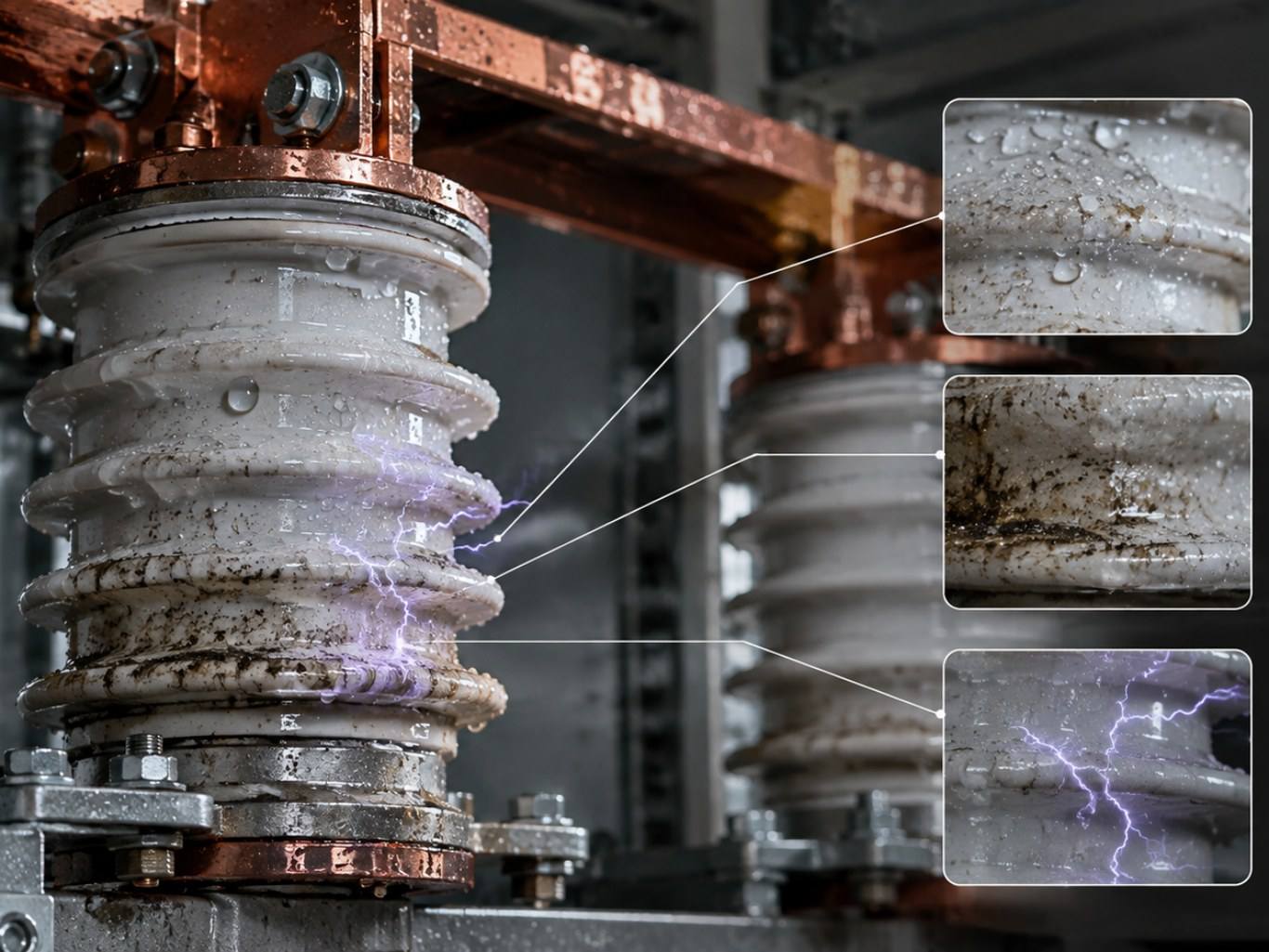
Common Signs of Switchgear Moisture Damage
Switchgear moisture damage does not always cause immediate tripping. However, you can often identify several warning signs during routine inspection.
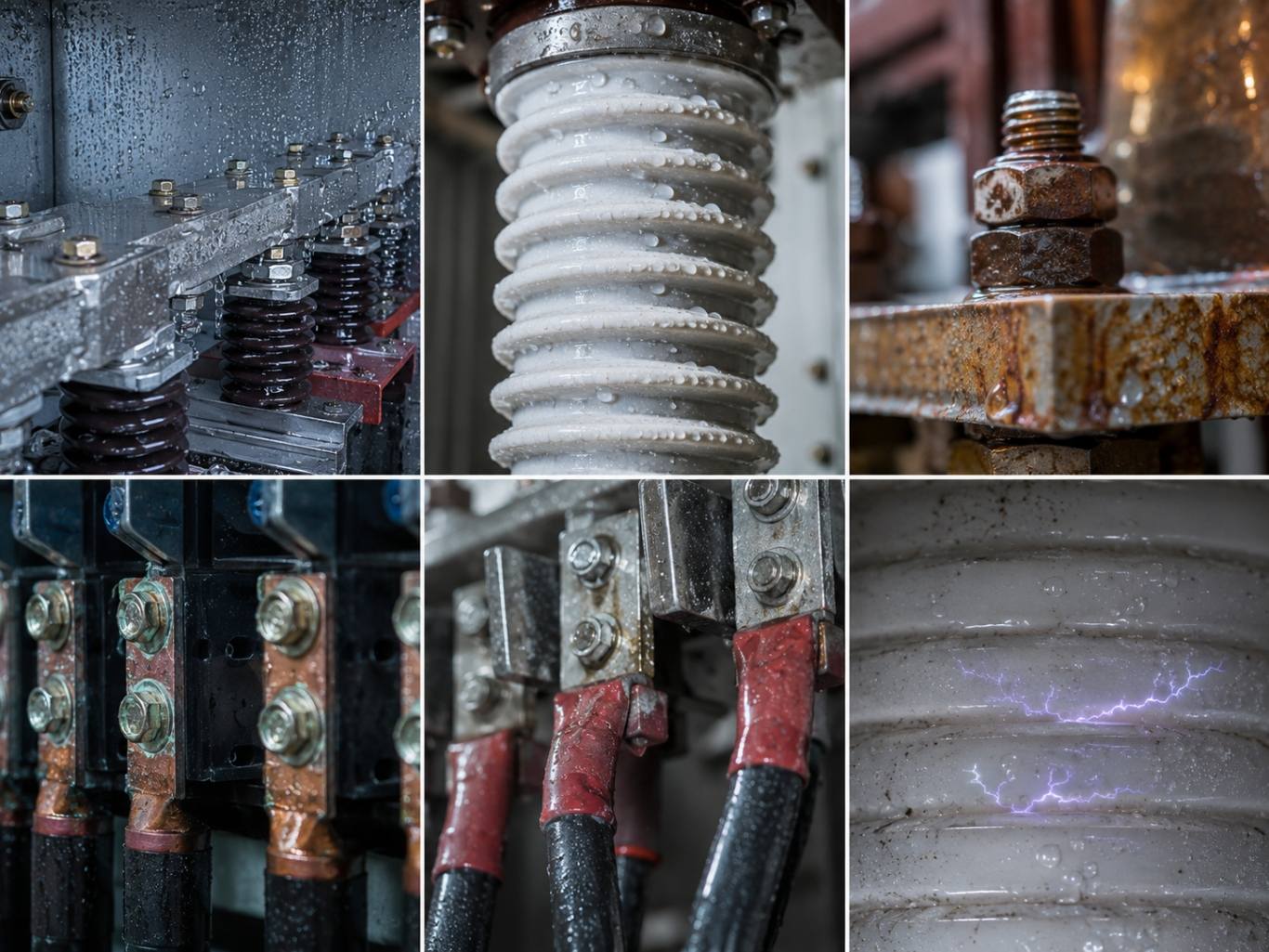
- Water droplets, mist, or visible condensation inside the cabinet
- Discharge marks on insulators, busbars, or cable terminations
- Moldy, damp, or unusual odors inside the cabinet
- Corrosion on metal components, bolts, or terminals
- Blackened or greenish terminal blocks and poor terminal connections
- Slight crackling or buzzing discharge sounds during high-voltage switchgear operation
- Abnormal partial discharge monitoring data
- Low insulation resistance test values
- Occasional abnormalities in protection devices, indicator lights, or control circuits
- A noticeable increase in equipment failures during the rainy season or humid weather
Once these signs appear, simply wiping away the moisture is not enough. You should further investigate the source of the moisture and check the insulation condition of the equipment.
Key Measures to Prevent Switchgear Moisture Damage
Control Humidity in the Distribution Room
Keep the distribution room dry, clean, and properly ventilated. Underground distribution rooms, coastal installations, and humid regions may require industrial dehumidifiers with automatic operation based on humidity levels.
In general, the relative humidity in the distribution room should not remain excessively high for extended periods. More importantly, you should prevent condensation from forming inside the switchgear cabinet.
Improve Cabinet Sealing
Seal cable openings at the bottom of the switchgear using firestop putty, firestop sealing materials, or dedicated sealing modules.
You should also replace aging or damaged door seals promptly to prevent moisture, dust, and small animals from entering the cabinet.
Install Internal Heating and Dehumidification Devices
You can install anti-condensation heaters, temperature and humidity controllers, and intelligent dehumidification devices inside the switchgear cabinet.
When the internal humidity reaches a preset level, these devices can automatically start heating or dehumidification to reduce the risk of condensation.
However, do not leave heaters unchecked for long periods. Regular inspection helps prevent equipment failure or localized overheating.
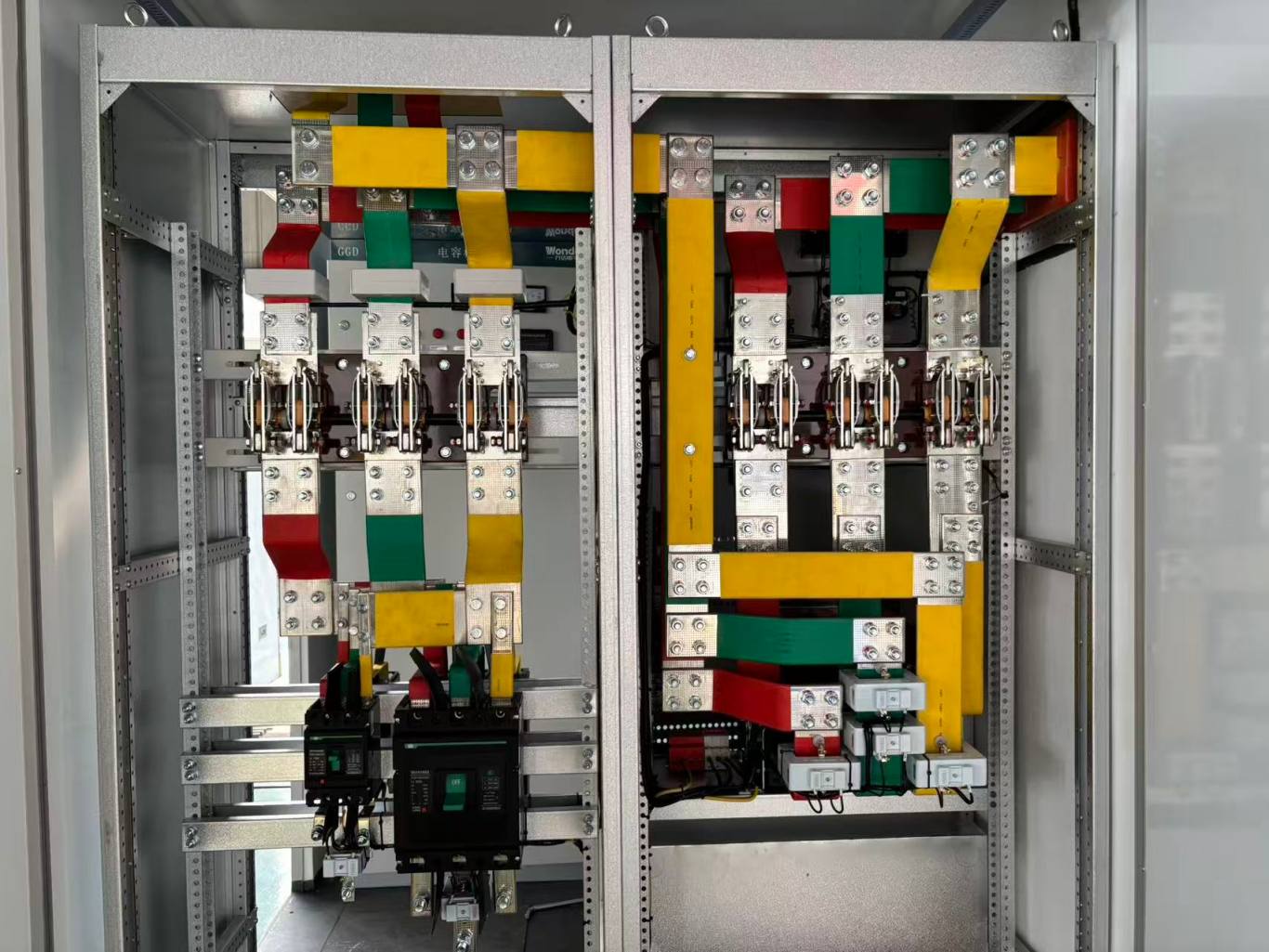
Prevent Moisture from Entering Through Cable Trenches
In many cases, switchgear moisture damage does not occur because moisture enters through the cabinet door. Instead, moisture can rise through cable trenches, vapor pathways, or openings at the bottom of the cabinet.
Therefore, keep cable trenches dry and prevent water accumulation. Ensure that the drainage system remains unobstructed, and carefully seal wall openings, floor openings, and cable entry points.
Use Proper Ventilation and Avoid Introducing More Moisture
More ventilation does not always provide better protection.
When outdoor humidity is high, excessive ventilation can introduce humid air into the distribution room. During humid seasons, you should coordinate ventilation with the operation of dehumidification equipment and control how long doors and windows remain open.
Avoid leaving doors or windows open for extended periods during rainy or foggy weather and other highly humid conditions.
Strengthen Management of Out-of-Service and Standby Switchgear
Switchgear that remains out of service or on standby for long periods faces a higher risk of moisture damage.
Regularly check the internal temperature and humidity, heater operation, and insulation condition. When necessary, operate heating or dehumidification equipment periodically to keep the cabinet dry.
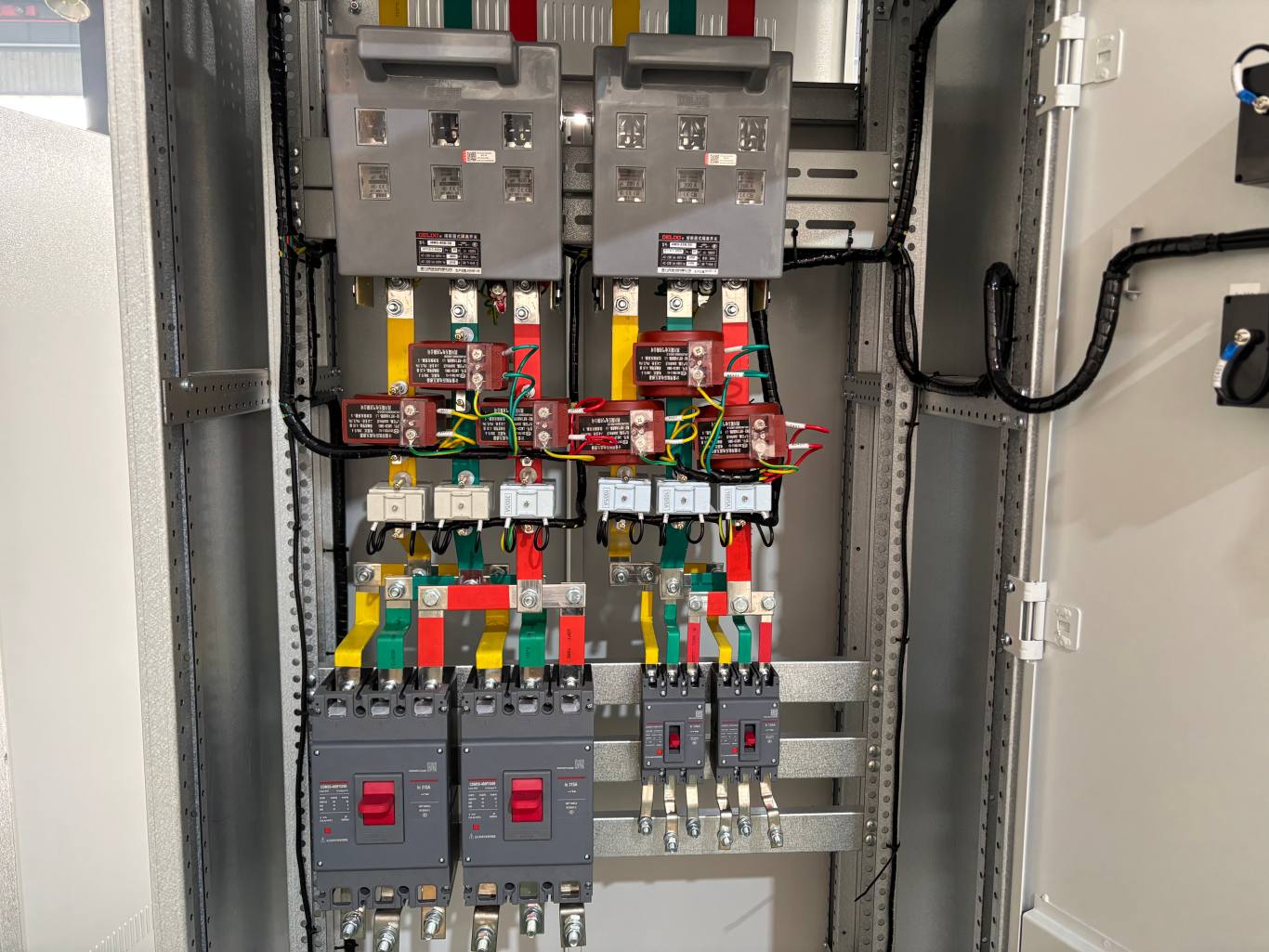
Perform Regular Insulation Testing
Insulation resistance often decreases after switchgear becomes damp.
As part of your maintenance plan, conduct insulation resistance tests on busbars, circuit breakers, cable terminations, insulators, and other critical components.
For high-voltage equipment, you can also use withstand voltage testing and partial discharge testing to evaluate the overall insulation condition.
Strengthen Infrared Temperature Monitoring and Partial Discharge Testing
Moisture can contribute to poor electrical contact, discharge, and localized overheating.
During operation, conduct regular infrared temperature inspections of switchgear, paying particular attention to busbar connections, cable terminations, circuit breaker contacts, and terminal blocks.
For high-voltage switchgear, partial discharge monitoring also plays an important role in identifying insulation problems at an early stage.
Keep the Inside of the Cabinet Clean
Dust, oil, and metal particles can combine with moisture and significantly reduce insulation performance.
Therefore, regularly clean the inside of the switchgear cabinet and keep insulation components, terminal blocks, and busbar surfaces clean and dry.
During cleaning and maintenance, strictly follow safety procedures for power isolation, voltage verification, and grounding.
Establish Special Inspection Procedures for Humid Seasons
Increase the inspection frequency during the rainy season, periods of high humidity, after heavy rainfall, and following long equipment shutdowns.
Focus on cabinet condensation, dehumidifier operation, heater condition, water accumulation in cable trenches, opening seals, and cabinet sealing performance.
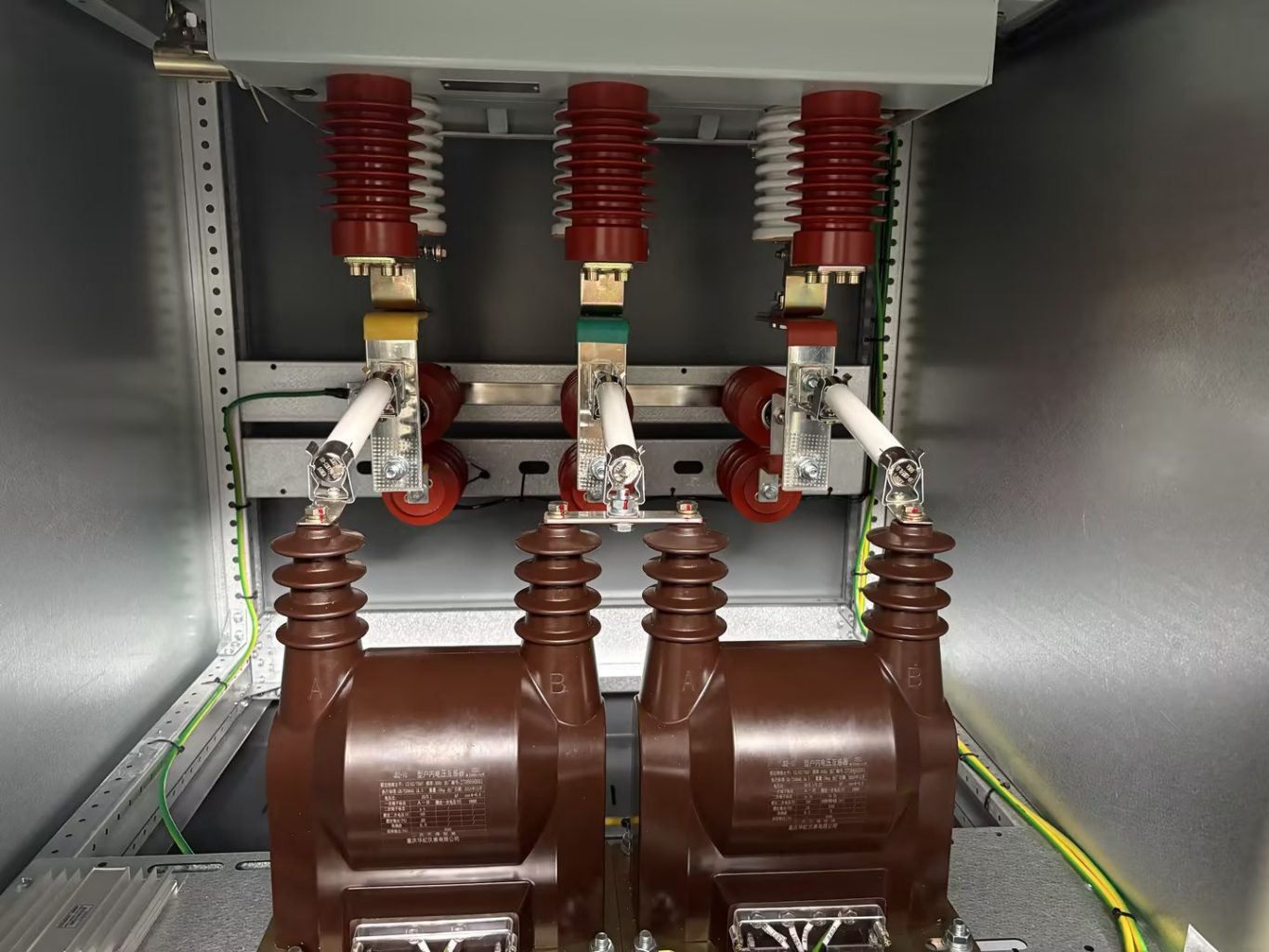
How Should You Handle Switchgear Moisture Damage?
If you discover that a switchgear cabinet has already become damp, do not energize it blindly. You should also avoid relying only on surface-level treatment.
First, determine the extent of the moisture problem. Check for condensation, water droplets, corrosion, discharge marks, and unusual odors.
Second, identify the source of the moisture. The problem may come from high environmental humidity, moisture rising from cable trenches, unsealed openings, or failed cabinet sealing.
Third, dry the affected components properly. When necessary, use hot air, dehumidification equipment, or other appropriate drying methods. However, avoid excessive temperatures that could damage insulation materials.
Fourth, perform insulation resistance testing. Restore power only after confirming that the insulation level meets the operating requirements.
Finally, if you identify insulation discharge, moisture damage to cable terminations, severe terminal corrosion, or abnormal protection circuits, carry out maintenance or replacement promptly. Do not continue operating damaged equipment.
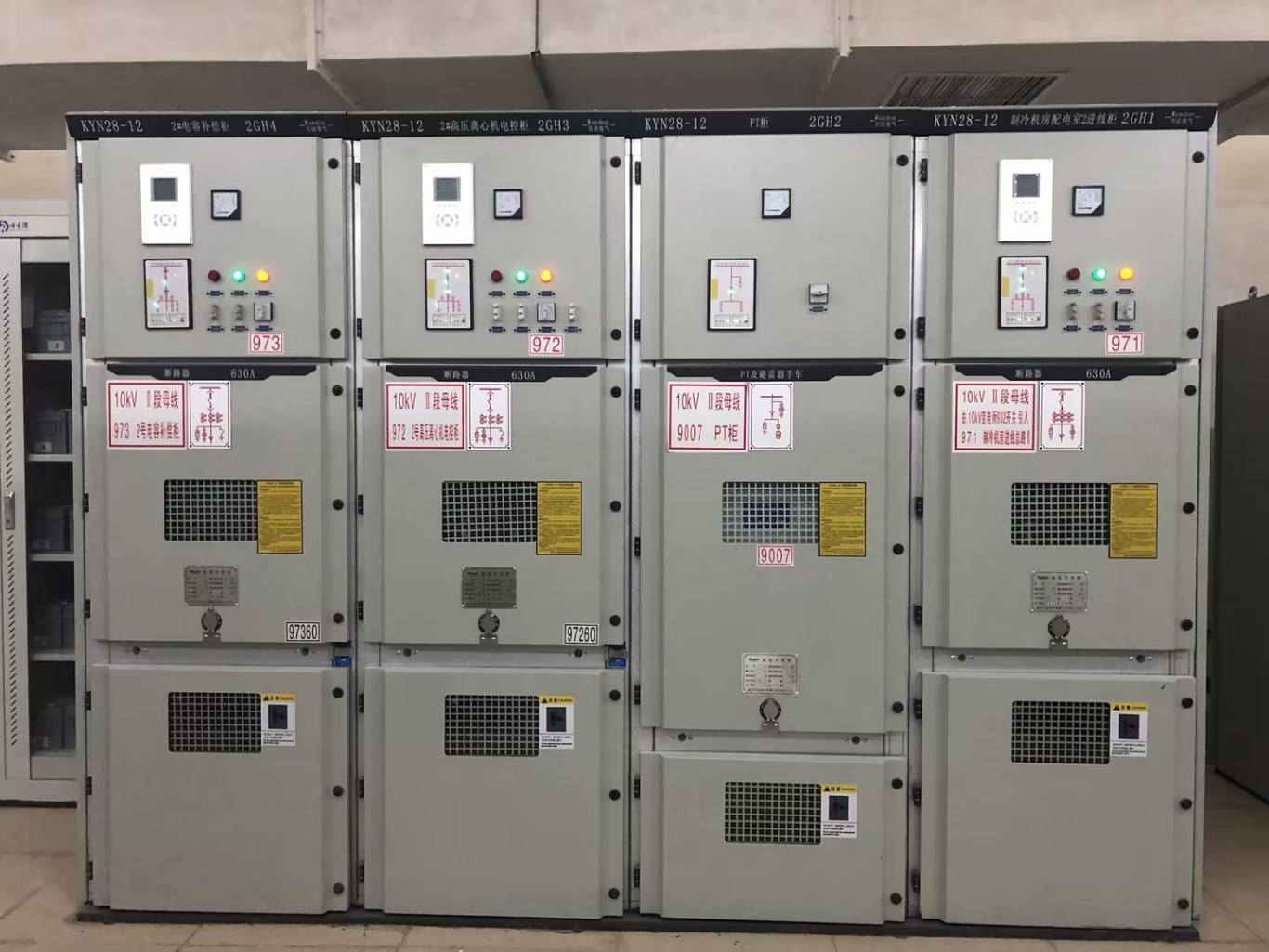
Moisture Protection Requires More Than Temporary Solutions
Many facilities still rely on temporary solutions such as placing desiccants inside the cabinet, wiping away moisture, or waiting until a trip occurs before taking action.
However, preventing switchgear moisture damage effectively requires control throughout the design, installation, operation, and maintenance stages.
- During the design stage: Consider the location of the distribution room, ventilation and dehumidification systems, drainage systems, and anti-condensation measures.
- During the installation stage: Ensure effective cable trench drainage, proper sealing of openings, correct switchgear installation, and reliable grounding connections.
- During operation: Monitor temperature and humidity and keep dehumidification equipment operating properly.
- During maintenance: Conduct regular inspections, temperature monitoring, insulation testing, corrosion checks, and condensation inspections.
Only by addressing moisture risks before equipment failures occur can you effectively reduce power outages and equipment damage caused by humidity.
FAQs
1. What causes switchgear moisture damage?
Switchgear moisture damage usually results from high humidity, condensation, poor cabinet sealing, moisture from cable trenches, or improper ventilation. Large temperature differences can also cause water vapor to condense inside the switchgear cabinet.
2. How can you prevent moisture damage in switchgear?
You can prevent switchgear moisture damage by controlling room humidity, improving cabinet sealing, installing anti-condensation heaters or dehumidifiers, sealing cable openings, and performing regular inspections.
3. What humidity level is suitable for a switchgear room?
The suitable humidity level depends on the equipment design and local environmental conditions. However, operators should prevent prolonged high humidity and, most importantly, avoid condensation inside switchgear cabinets.
4. Can moisture cause switchgear failure?
Yes. Moisture can reduce insulation resistance, cause partial discharge, corrode metal components, affect secondary circuits, and increase the risk of short circuits and ground faults.
5. What should you do if you find moisture inside a switchgear cabinet?
First, identify the source and extent of the moisture. Then dry the affected components, inspect for corrosion or discharge marks, and test insulation resistance before restoring power. Repair or replace damaged components when necessary.
Conclusion
Switchgear moisture damage is not a minor issue. A small amount of condensation can gradually develop into reduced insulation performance, partial discharge, mechanical corrosion, protection system abnormalities, and even short-circuit accidents.
For power distribution and transformation operation and maintenance teams, moisture protection should not be treated as a seasonal task. Instead, it requires continuous and systematic management.
The drier your distribution room remains, the better you can protect your equipment. The cleaner the inside of your switchgear stays, the lower your risk of moisture-related failures becomes. Reliable power distribution operation requires more than simply switching equipment on and restoring power. It also requires identifying potential risks early and resolving problems before they cause a trip.
As a reliable switchgear manufacturer, Wondon can provide high-quality switchgear products and dependable electrical engineering solutions for your projects. Contact us anytime for the latest switchgear quotations and professional project support.