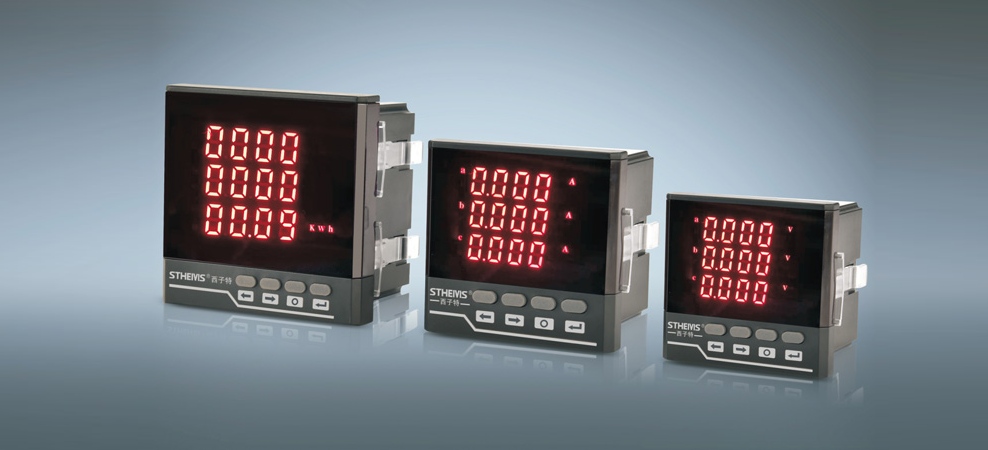

When selecting electrical accessories for electrical control panels and switchgear systems, although these accessory devices are small in size, they play a key role in safe operation, system stability, and management efficiency. Choosing the right accessories requires understanding the system’s operational needs, rather than selecting components based solely on availability or cost. The following key considerations can help guide the selection process.
1. Determine the system’s functional requirements
Clarify the functions required for the control panel or switchgear system. Accessories are typically used to support protection, monitoring, control, and indication functions.
2. Ensure compatibility with equipment
Electrical accessories must be compatible with the main components of the control panel or switchgear, such as voltage, current, communication protocols, and installation method.
3. Environmental and installation conditions
Before selecting electrical accessories, it is necessary to identify environmental factors at the site, such as temperature, moisture, dust, vibration, and exposure to dampness, as these factors can affect the performance and service life of the electrical accessories.
4. Focus on safety and protection functions
When selecting electrical accessories, safety is always the most important consideration. Many accessories are directly responsible for protecting equipment and personnel from electrical faults.
Protective devices such as surge protectors, monitoring relays, and alarm indicators help detect abnormal conditions and prevent equipment damage; clear visual indicators, warning signals, and components with appropriate ratings also contribute to safer system operation.
5. Plan for monitoring and system visibility
Selecting monitoring accessories such as meters, display units, and communication modules allows real‑time visibility of voltage, current, power consumption, and other data. Abnormalities in the data can also be detected early.
FAQs
1. Where should I start when selecting electrical accessories?
Start from your system type, voltage level, and load conditions. In most Wondon projects, we first map the full electrical system before choosing any accessory.
2. How do I know if an accessory is suitable for my system voltage and current?
It must match your rated voltage and current with a safety margin. Wondon usually checks these parameters first to avoid overheating or underperformance later.
3. How important is the installation environment when choosing accessories?
Very important, because temperature, humidity, and dust directly affect performance. Wondon often recommends higher protection-grade components for harsh or industrial environments.
4. Should I focus more on protection functions or monitoring functions?
Both matter—protection ensures safety, monitoring ensures control and visibility. Wondon typically designs systems that balance protection, measurement, and operational control.
5. What is the most common mistake buyers make when selecting accessories?
Choosing based only on price instead of system compatibility and long-term reliability. Wondon usually reminds clients that correct matching is more important than low initial cost.