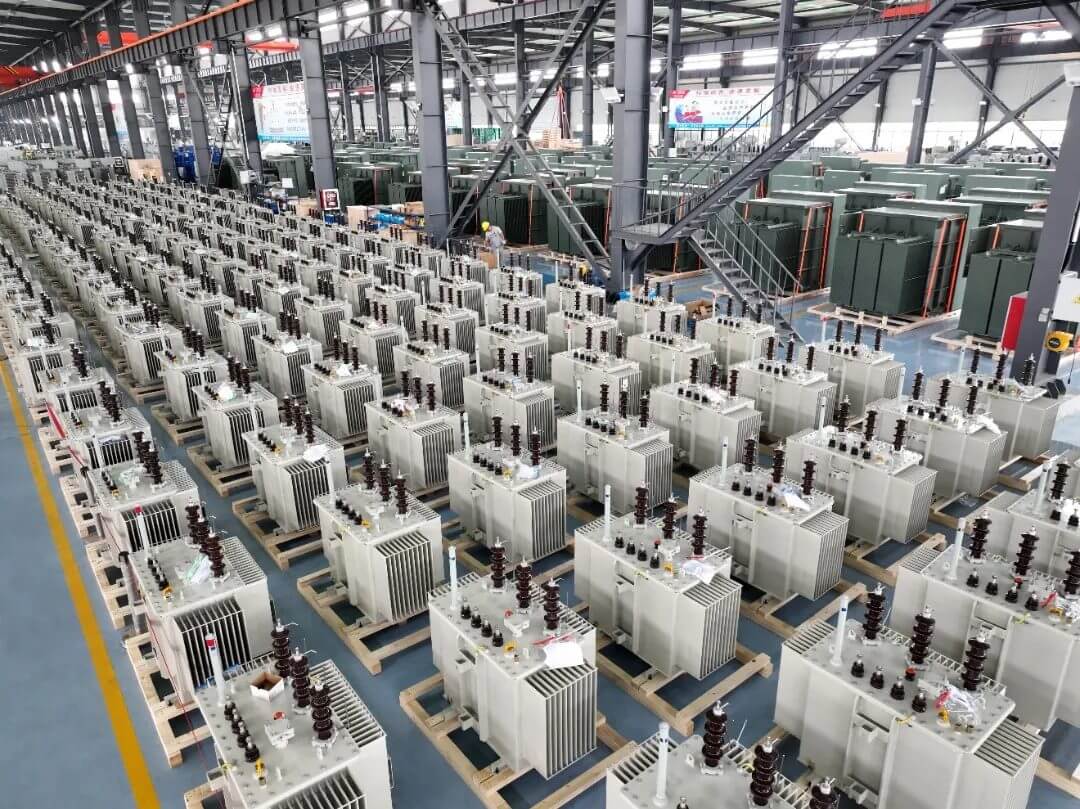

A transformer is a device that changes the level of voltage, and its core function is to enable electrical energy to be transferred smoothly between different circuits. It works based on the principle of electromagnetic induction, allowing electricity to be transmitted efficiently over long distances and used safely by various equipment.
In practical applications, transformers are mainly used to step up or step down voltage to meet the needs of different transmission and usage stages. For example, electricity generated at a power plant needs to have its voltage “stepped up” very high so it can be sent farther with less loss along the way; when the electricity reaches near our homes, another transformer steps the voltage down to a safe and usable level, so that household appliances can operate normally without danger.
FAQs
1. Why does my project even need a transformer?
Because electricity usually needs different voltage levels to work safely and efficiently. At Wondon, we help you figure out exactly where and why transformation is needed in your system.
2. I’m not sure about voltage design—how would Wondon help me?
You just share your project basics (load, distance, application), and Wondon helps you map out the right step-up and step-down solution.
3. So is a transformer just a product I buy and install?
Not really. In most Wondon projects, the transformer is part of a wider system—we look at how it connects with the whole power flow, not just one device.
4. What if my project has different voltage stages in different areas?
That’s very common. Wondon designs multi-stage solutions, so each part of your system gets the right voltage at the right point.
5. If I work with Wondon, what am I actually getting beyond the transformer?
You’re getting a full system approach—Wondon helps you plan, match, and optimize the entire power path so the transformer works exactly where it should, not in isolation.