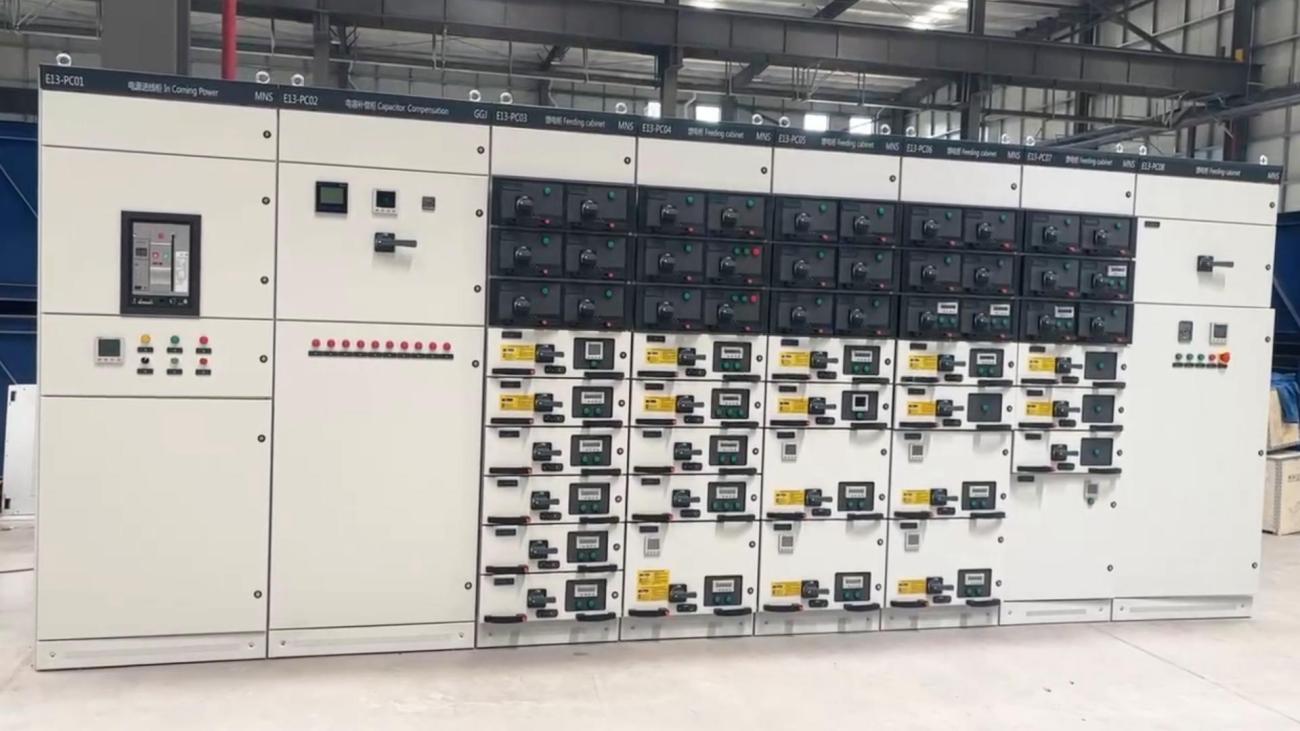

Switchgear is a key component for controlling, protecting, and isolating electrical equipment. Its job is to control circuits, protect equipment, and, when needed, isolate a certain section.
You can think of it as a central hub that safely and reliably sends electricity where it needs to go. Operators use it to connect or disconnect circuits; if something goes wrong—like a short circuit or overload—it can quickly cut off the power, protecting the equipment and preventing accidents.
In modern power systems, electricity passes through devices like transformers, cables, and motors. Switchgear is responsible for directing the current to the right place and “calling a halt” when a fault occurs.
Whether in factories, shopping malls, infrastructure projects, or power grids, it’s indispensable. With it, the power system can run stably, orderly, and safely. Without switchgear, the system would be prone to faults, equipment would be easily damaged, and the risk of blackouts would increase significantly.
FAQs
1. Simply put, what is switchgear used for?
It controls, protects, and isolates electrical circuits to keep power flowing safely. Wondon integrates it into stable distribution systems for different projects.
2. Why do engineers care so much about switchgear in a system?
Because it can quickly shut off faults and prevent damage or outages. Wondon designs solutions that help keep operations safe and uninterrupted.
3. Where does switchgear actually “sit” in a power system?
It connects key equipment like transformers, cables, and loads, managing how power is distributed. Wondon uses it as a core part of system coordination.
4. What kind of projects usually need switchgear?
Most industrial, commercial, and infrastructure projects rely on it. Wondon supports these applications with project-specific solutions.
5. If I’m not sure about system safety or configuration, can Wondon help?
Yes. Many clients start with that concern. Wondon reviews your system and helps you build a safer, more reliable setup.